
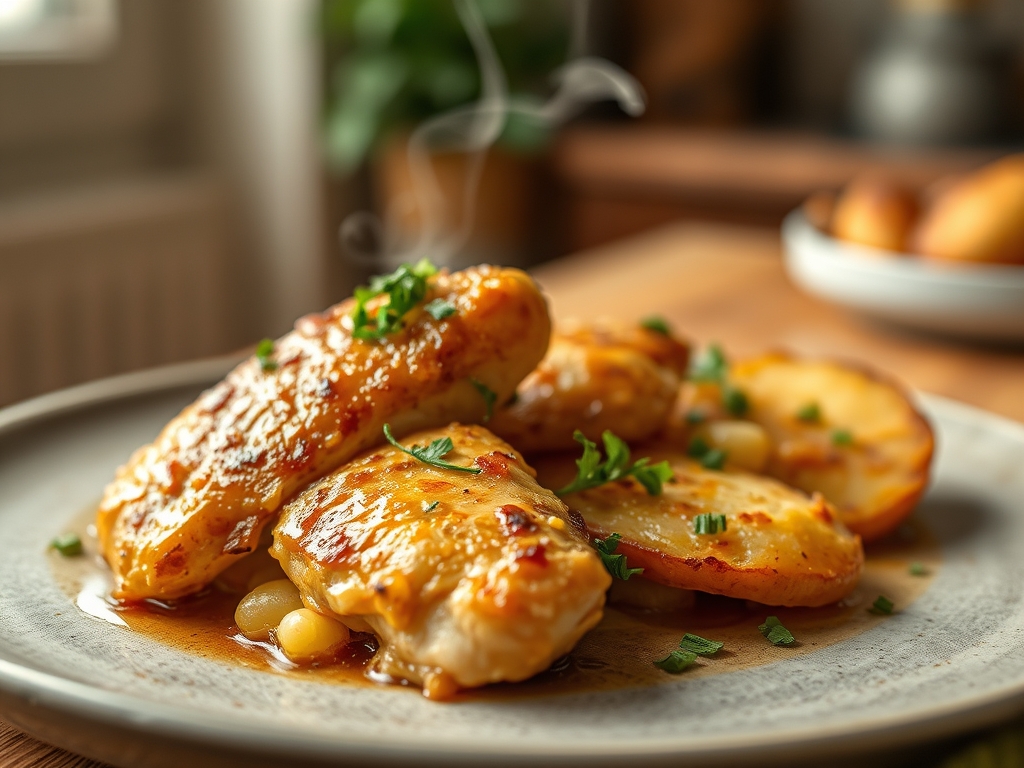
Imagine the sound of a heavy bottomed skillet meeting the flame; it is the opening note of a culinary symphony. When you combine the lean, fibrous texture of poultry with the starchy, crystalline structure of shredded tubers, you create the ultimate comfort profile. Exploring these chicken and hash brown potato recipes is more than just cooking; it is an exercise in balancing moisture and crunch.
The magic happens when the amino acids in the chicken react with the reducing sugars in the potatoes. This is the Maillard reaction in its most delicious form. You are not just making dinner; you are engineering a structural masterpiece where the hash browns act as a golden, lattice-like foundation for succulent, savory proteins. Whether you are craving a piquant buffalo blend or a viscous, creamy casserole, these pairings are the gold standard of weeknight efficiency and gourmet satisfaction.
The Gathers:
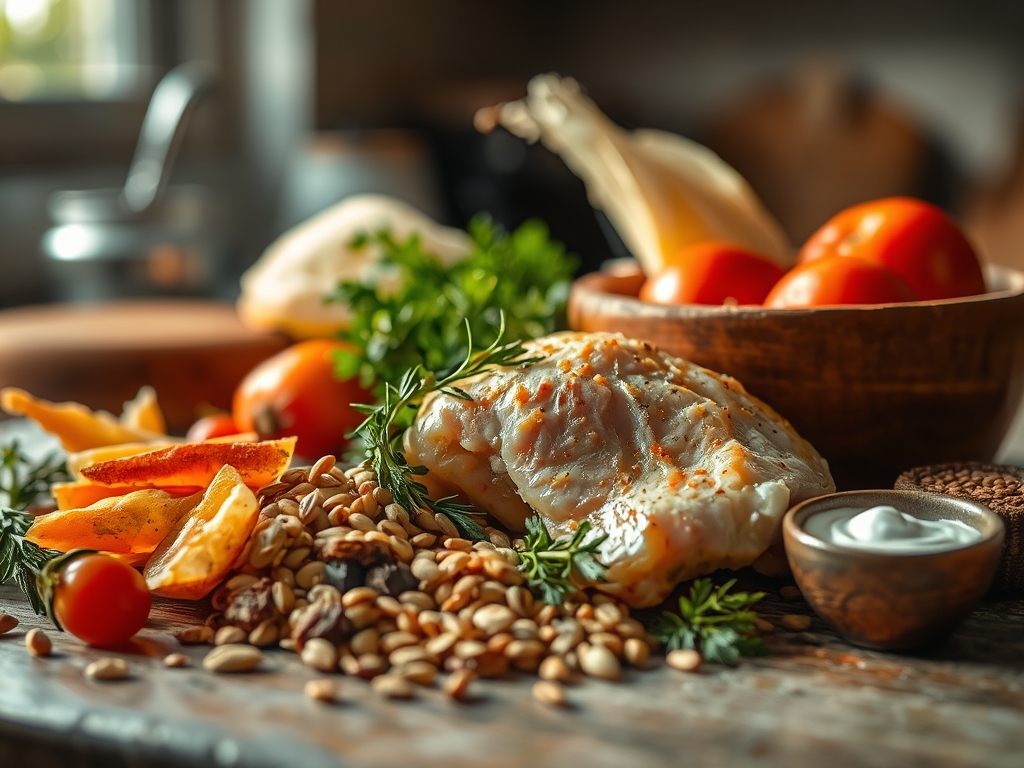
To achieve professional results, your mise-en-place must be precise. Start with high-quality chicken breasts or thighs; thighs are preferable for their higher fat content, which helps render a more flavorful base. For the potatoes, look for dehydrated or frozen shredded varieties that have been processed to remove excess moisture. This is critical because water is the enemy of the Maillard reaction.
Your arsenal should include a microplane for zesting aromatics, a digital scale to ensure consistent ratios, and a saucier for crafting silky emulsions. You will also need high-smoke-point fats like avocado oil or clarified butter to ensure the potatoes crisp without scorching.
Smart Substitutions:
If you are looking to pivot, swap the traditional tubers for shredded cauliflower or parsnips to lower the glycemic index. For the protein, smoked tofu or turkey breast can fill the gap. If you lack heavy cream for a binder, a viscous slurry of Greek yogurt and cornstarch provides that signature mouthfeel without the saturated fat.
The Clock
Efficiency in the kitchen relies on "Chef's Flow," a method of overlapping tasks to minimize downtime. For most chicken and hash brown potato recipes, you are looking at a 15 minute prep and a 35 to 45 minute cook time.
The flow begins with the chicken. While your protein is tempering to room temperature, use your bench scraper to organize your chopped aromatics. The "active" phase involves searing the chicken to develop a crust, followed by the "passive" phase where the potatoes and chicken bake together. This allows the potato starch to absorb the chicken juices, creating a self-basting environment that ensures no morsel is dry.
The Masterclass
1. Temper and Season
Remove your chicken from the refrigerator 20 minutes before cooking. Use your digital scale to measure out 2% salt by weight. Rub the seasoning deeply into the fibers to ensure even distribution.
Pro Tip: This prevents "thermal shock," which causes muscle fibers to contract violently and squeeze out moisture, resulting in a rubbery texture.
2. The Initial Sear
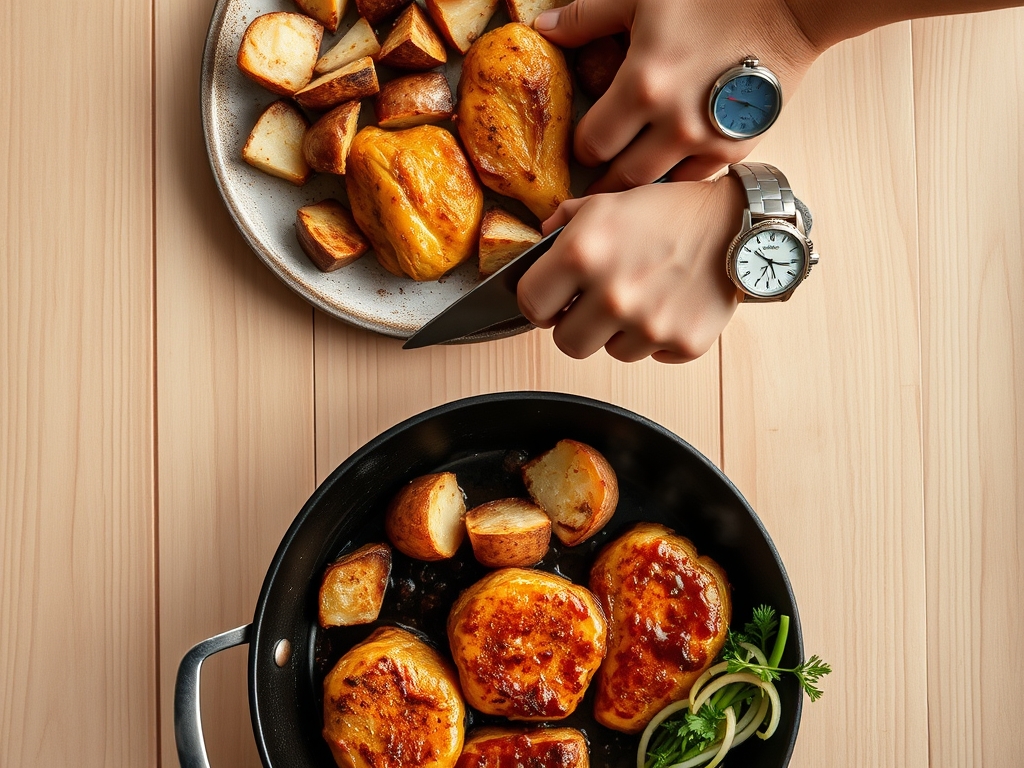
Heat your heavy-bottomed skillet until it wisps with smoke. Add your fat, then use tongs to lay the chicken away from you. Sear until a deep mahogany crust forms.
Pro Tip: This is the Maillard reaction. By developing these flavor compounds early, you infuse the entire dish with a complexity that boiling or baking alone cannot achieve.
3. De-Starch the Potatoes
If using fresh potatoes, rinse the shreds in ice-cold water until the water runs clear, then pat them bone-dry with a lint-free towel.
Pro Tip: Removing surface starch prevents the potatoes from becoming a gummy mass. This allows the individual strands to fry rather than steam.
4. Deglaze the Pan
Remove the chicken and add a splash of dry white wine or stock. Use a wooden spoon to scrape up the "fond" (the brown bits) from the bottom of the pan.
Pro Tip: Deglazing captures concentrated proteins and sugars, turning them into a viscous sauce that will later bind the hash browns.
5. Assemble the Lattice
Layer the dried hash browns in the skillet or a baking dish, nestling the seared chicken into the center. Pour your deglazed liquid and any cream binders over the top.
Pro Tip: Nesting the chicken allows for thermal carryover, where the residual heat from the potatoes gently finishes the chicken, keeping it succulent.
6. The Final Crisp
Place the dish in a high-heat oven (400F). The goal is to dehydrate the top layer of potatoes until they achieve a shattered-glass crunch.
Pro Tip: Use the convection setting if available to aerate the hot air, ensuring the bottom layers cook through without the top burning.
The Deep Dive
When we look at the macro nutrition, these chicken and hash brown potato recipes are a powerhouse. A standard serving offers roughly 35g of protein and 40g of complex carbohydrates. To keep it lean, focus on the ratio of fat used during the searing process.
Dietary Swaps:
For a Keto version, replace the potatoes with shredded daikon radish; it mimics the texture perfectly when roasted. For Vegan guests, use soy curls and a cashew-based cream sauce. If you are Gluten-Free, ensure your hash browns are not dusted in flour, which some commercial brands do to prevent clumping.
The Fix-It:
- Soggy Potatoes: Usually caused by residual moisture. Fix: Squeeze the shreds through a cheesecloth before cooking.
- Dry Chicken: Caused by overcooking. Fix: Use a digital thermometer to pull the dish when the chicken hits 160F; it will reach 165F through carryover heat.
- Broken Sauce: If your cream sauce separates, it is too hot. Fix: Whisk in a tablespoon of cold heavy cream to re-emulsify the fats.
Meal Prep:
To maintain "day-one" quality, do not use a microwave. Reheat your portions in an air fryer or a toaster oven at 350F for 8 minutes. This re-activates the fats in the potatoes, restoring the crunch while keeping the chicken's internal moisture intact.
The Wrap-Up
Mastering chicken and hash brown potato recipes is like learning a secret language of textures. You have the soft, yielding chicken contrasted against the aggressive, salty snap of the potatoes. It is a dish that feels like a hug but tastes like a five-star bistro. Now that you have the science of starch and the mechanics of the Maillard reaction in your pocket, go forth and dominate your kitchen. Your skillet is waiting.
The Kitchen Table
How do I keep my hash browns from turning gray?
Potatoes oxidize when exposed to oxygen. To prevent this, keep shredded potatoes submerged in cold water with a splash of lemon juice until the exact moment you are ready to dry and cook them.
Can I use pre-cooked rotisserie chicken?
Yes. Since the chicken is already cooked, focus on crisping the hash browns first. Fold the shredded rotisserie chicken into the mixture during the last 10 minutes of baking to prevent the meat from becoming stringy and dry.
What is the best oil for frying hash browns?
Use an oil with a high smoke point, such as avocado oil or clarified butter (ghee). These allow you to reach the high temperatures necessary for a crisp exterior without the oil breaking down and tasting bitter.
Why are my hash browns sticking to the pan?
This usually happens if the pan is not hot enough or if you try to flip them too early. Wait for the starch to fully caramelize and release naturally from the surface before using your spatula.