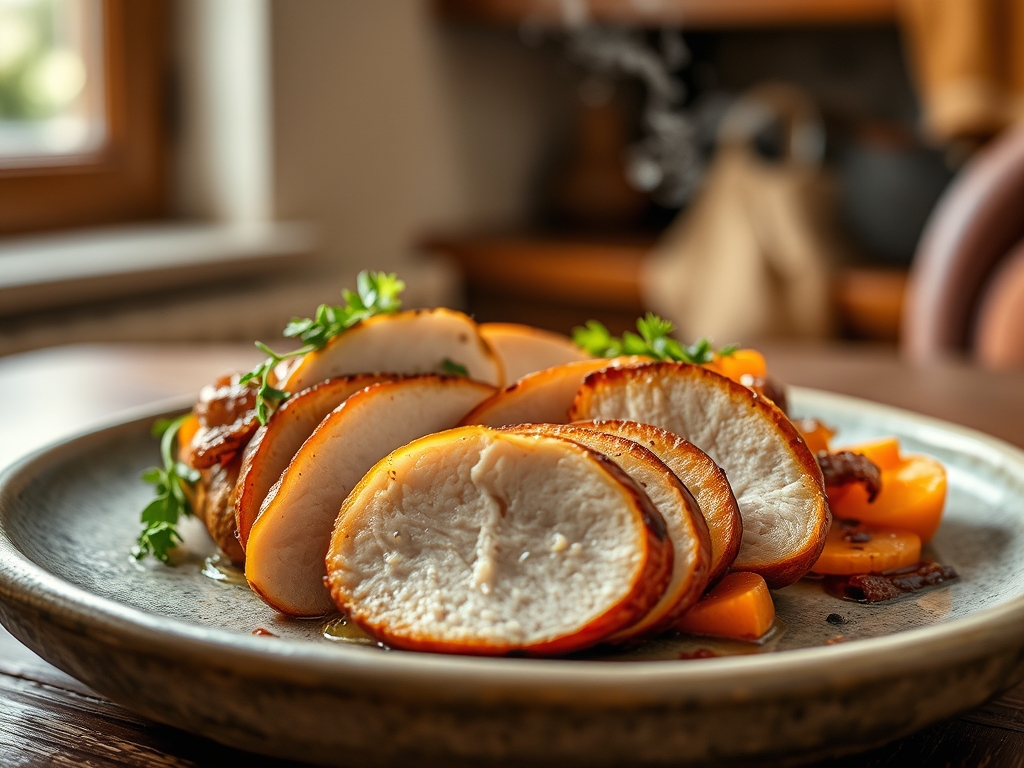
Picture the scent of rendered poultry fat mingling with the caramelized sugars of a roasting tuber. It is the ultimate olfactory hug. When you master turkey and sweet potato recipes, you are not just making dinner; you are orchestrating a complex chemical transformation that balances lean protein with earthy, beta-carotene-rich sweetness.
Whether it is a crisp weeknight sheet pan bake or a slow-roasted festive bird, the interplay of textures is addictive. You want that shatteringly crisp turkey skin contrasted against the velvet interior of a perfectly roasted yam. This guide is your backstage pass to the molecular magic that happens inside your oven. We are moving beyond the basic holiday tropes and into the realm of high-density flavor profiles. From piquant citrus glazes to savory herb infusions, these seven variations will redefine how you view this power-duo. Grab your apron and your favorite heavy-bottomed skillet; we are about to turn your kitchen into a high-performance flavor lab.
The Gathers:
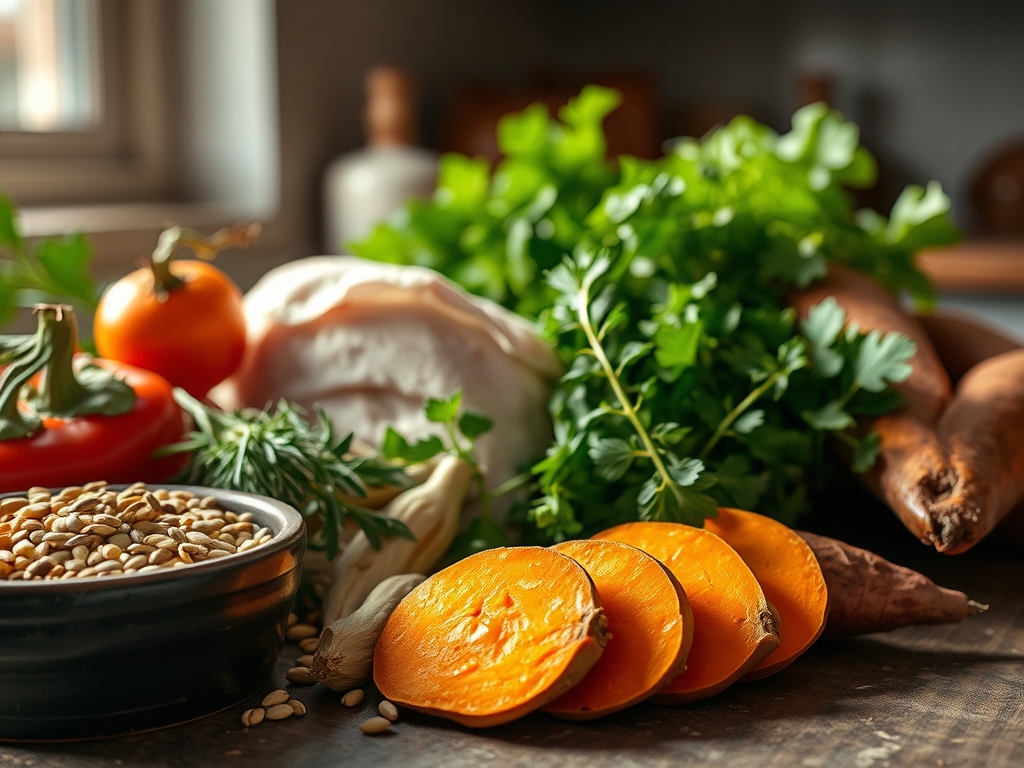
Your mise-en-place is the foundation of culinary success. For these turkey and sweet potato recipes, you need high-quality proteins and produce. Start with pasture-raised turkey breast or thighs; the higher fat content in thighs provides a more viscous mouthfeel. Your sweet potatoes should be firm with smooth skins, indicating high moisture content.
Essential aromatics include fresh rosemary, thyme, and sage. These contains volatile oils that infuse the fat during the roasting process. You will also need a high-smoke-point fat like avocado oil or clarified butter to ensure the Maillard reaction occurs without the oil breaking down and becoming acrid.
Smart Substitutions:
If you cannot find jewel yams, Japanese purple sweet potatoes offer a denser, starchier texture that holds up beautifully in long roasts. For a lower-sodium profile, swap traditional poultry seasoning for a blend of toasted cumin and smoked paprika. If you are out of fresh garlic, use a microplane to zest a bit of fresh ginger into your oil; it provides a similar aromatic punch with a bright, piquant finish.
The Clock:
Timing is the difference between a succulent meal and a dry disappointment. This is what I call the Chef's Flow. For most of these turkey and sweet potato recipes, you are looking at a 15-minute active prep time and a 35 to 45-minute roast time.
The flow begins with the sweet potatoes. Because they are dense, they require a head start or must be cut into smaller, uniform cubes using a sharp chef's knife to match the cooking rate of the turkey. If you are using a digital scale to portion your protein, aim for 6-ounce servings. This ensures everything reaches the safe internal temperature of 165 degrees Fahrenheit simultaneously. Always factor in a 10-minute rest period; this is non-negotiable for moisture retention.
The Masterclass:
1. The Prep and Cube
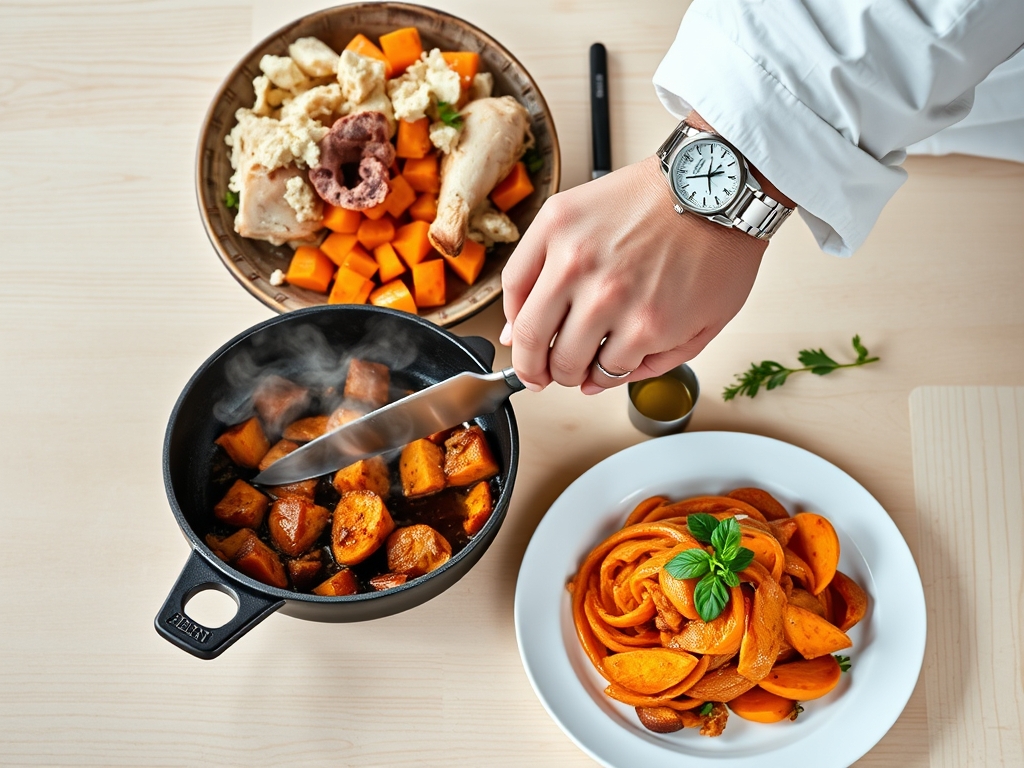
Start by peeling your tubers and dicing them into uniform 1-inch cubes. Use a bench scraper to transfer them to a large mixing bowl. Uniformity is not just for aesthetics; it ensures even heat distribution across all surfaces.
Pro Tip: This stage utilizes enzymatic browning prevention. If you are prepping ahead, submerge the cut potatoes in cold water to prevent oxidation, but dry them thoroughly before roasting to ensure the surface can properly dehydrate and crisp.
2. The Seasoning Emulsion
In a small saucier or bowl, whisk together your oil, salt, pepper, and dried herbs. Use a whisk to aerate the mixture, ensuring the spices are suspended evenly in the lipid base. Massage this mixture into the turkey and potatoes until every crevice is coated.
Pro Tip: Salt acts as a denaturant, breaking down the tightly wound proteins in the turkey. This allows the meat to hold onto more water during the cooking process, resulting in a juicier final product.
3. The High-Heat Sear
Arrange the ingredients on a preheated heavy-duty baking sheet. Do not crowd the pan. If the pieces are touching, they will steam rather than roast, leading to a mushy texture.
Pro Tip: This is where the Maillard reaction occurs. By starting with a hot pan, you trigger the chemical reaction between amino acids and reducing sugars, creating hundreds of different flavor compounds and that signature golden-brown crust.
4. The Thermal Transition
Slide the pan into the center rack of your oven at 400 degrees Fahrenheit. Halfway through, use stainless steel tongs to flip the turkey and toss the potatoes. This ensures the underside does not become soggy from the juices that render out of the meat.
Pro Tip: Monitor the thermal conductivity. Sweet potatoes contain high levels of sugar that can scorch if they sit in one spot for too long. Flipping them redistributes the heat and prevents localized burning.
5. The Internal Check
Use a digital probe thermometer to check the thickest part of the turkey. You are looking for 160 degrees Fahrenheit. Remove the pan from the oven immediately once this number is hit.
Pro Tip: Thermal carryover is the secret to professional cooking. The internal temperature will continue to rise about 5 degrees after you remove it from the heat source. Pulling at 160 ensures you land perfectly at 165 without overcooking.
6. The Rest and Infuse
Transfer the turkey to a cutting board and tent it loosely with foil. Let it sit for 10 minutes. This allows the muscle fibers to relax and reabsorb the juices that were pushed to the center during roasting.
Pro Tip: This resting phase allows for hydrostatic equilibrium. If you cut the meat too soon, the pressure differential will cause all the flavorful juices to run out onto the board, leaving the meat dry.
7. The Final Glaze
While the meat rests, take any pan drippings and whisk them with a splash of balsamic vinegar or honey in your saucier. Drizzle this back over the plated dish for an extra layer of umami.
Pro Tip: This creates a gastrique, a classic sauce that uses acidity to cut through the richness of the fat and the sweetness of the potatoes, balancing the entire flavor profile.
The Deep Dive:
Nutritionally, turkey and sweet potato recipes are a powerhouse. A standard serving provides roughly 35 grams of high-quality protein and 6 grams of fiber. The sweet potatoes offer a massive dose of Vitamin A, while turkey is rich in selenium and tryptophan.
Dietary Swaps:
For a Keto version, swap the sweet potatoes for cauliflower florets or radishes, which mimic the texture but with fewer carbohydrates. Vegan friends can substitute the turkey with extra-firm pressed tofu or tempeh, using a bit of liquid smoke to mimic the savory depth of the bird. All these recipes are naturally Gluten-Free, provided you check your spice blends for hidden anti-caking agents.
The Fix-It:
- Soggy Potatoes: Your oven temperature was likely too low or the pan was overcrowded. Next time, use two pans and increase the heat to 425 degrees.
- Dry Turkey: You missed the carryover window. Invest in a digital thermometer with an alarm to catch the temp at exactly 160 degrees.
- Bland Flavor: You likely under-salted. Salt should be applied early to penetrate the meat, not just sit on the surface.
Meal Prep:
When reheating, do not use the microwave if you want to maintain texture. Instead, use a toaster oven or a skillet with a teaspoon of water and a lid. This creates a small steam chamber that hydrates the meat while the direct heat recrisps the potato skins.
The Wrap-Up:
Mastering turkey and sweet potato recipes is a rite of passage for any home cook looking to blend health with gourmet flair. By understanding the science of the Maillard reaction and the importance of thermal carryover, you have elevated a simple meal into a culinary event. The kitchen is your laboratory; do not be afraid to experiment with different herb infusions or acid-based glazes. Now, go forth and roast with confidence; your taste buds will thank you.
The Kitchen Table:
How do I prevent turkey from drying out?
Always use a digital thermometer and pull the turkey at 160 degrees Fahrenheit. Let it rest for ten minutes to allow the juices to redistribute through the muscle fibers, ensuring a moist and tender result every single time.
Can I roast frozen turkey and sweet potatoes?
It is not recommended. Thawing ensures even heat penetration. Roasting from frozen often results in a charred exterior and a raw, cold center. Always defrost your protein in the refrigerator overnight for the best texture and safety.
What is the best oil for roasting turkey?
Use oils with a high smoke point like avocado oil or clarified butter. These fats can withstand the 400-degree heat without breaking down, ensuring your turkey and sweet potato recipes have a clean, crisp flavor without any bitter aftertaste.
Why are my sweet potatoes mushy instead of crisp?
Mushiness usually happens due to overcrowding the pan, which traps steam. Ensure there is space between each piece. High heat and a light coating of oil are essential for achieving that desirable caramelized, crispy exterior.