
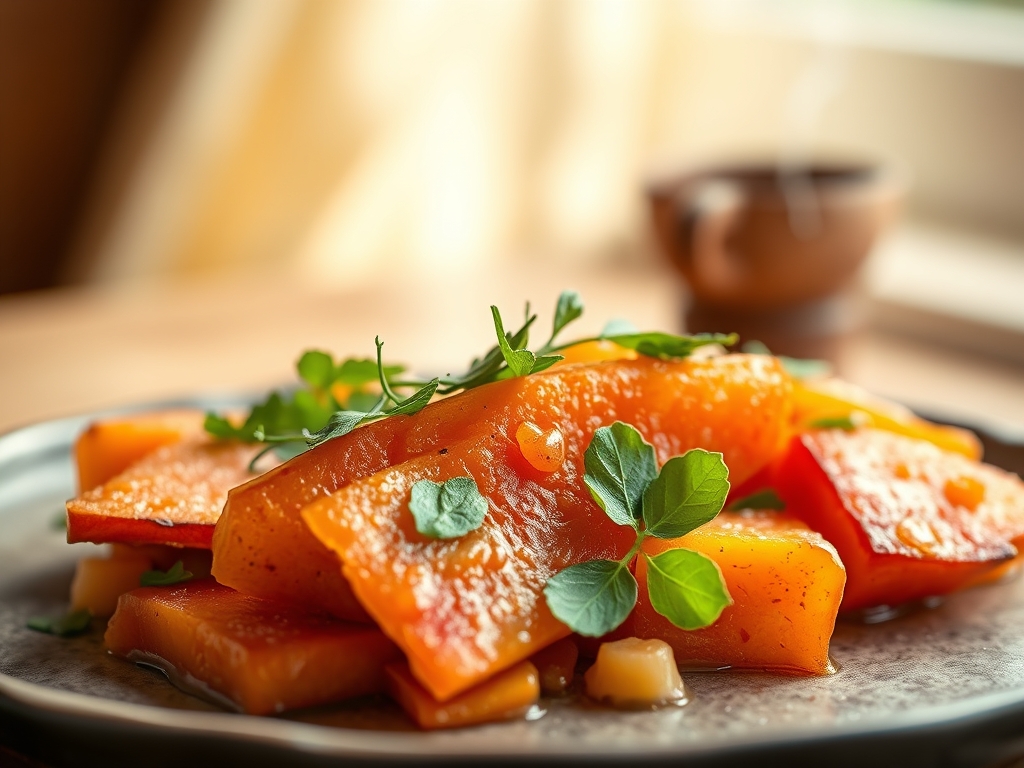
Imagine the scent of caramelized sugars mingling with the salt spray of the Pacific. We are diving into the vibrant, purple-hued world of Okinawan tubers and copper-skinned yams. These hawaiian sweet potato recipes are not just side dishes; they are a masterclass in balancing volcanic earthiness with tropical sweetness. Whether you are craving the velvety texture of a traditional mash or the structural integrity of a roasted cube, understanding the starch-to-sugar conversion is your secret weapon. We are moving beyond the basic bake. We are going to harness the power of high-heat roasting and coconut milk emulsification to create dishes that are as aesthetically stunning as they are scientifically sound. Grab your apron; we are about to elevate your pantry staples into island royalty.
The Gathers:
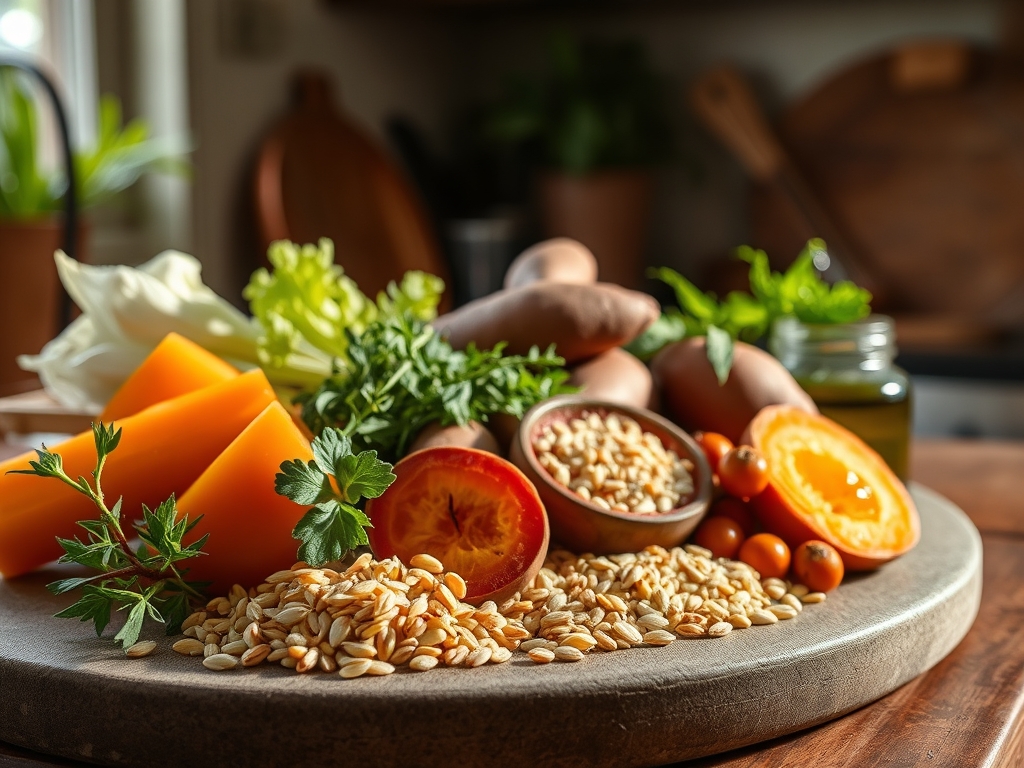
To execute these hawaiian sweet potato recipes with precision, your mise-en-place must be impeccable. Start with the star of the show: the Okinawan sweet potato. Look for tubers that feel dense and heavy for their size; this indicates a high moisture content which prevents a mealy texture after roasting. You will also need full-fat coconut milk to act as your primary lipid. The medium-chain triglycerides in coconut milk provide a luxurious mouthfeel that water-based liquids simply cannot replicate.
Gather your aromatics: fresh ginger root, cloves of garlic, and perhaps a stalk of lemongrass. Use a microplane to grate the ginger into a fine paste; this increases the surface area and allows the gingerol compounds to infuse more rapidly into your fats. For the salty component, reach for shoyu or liquid aminos to provide that essential umami backbone.
Smart Substitutions:
If you cannot source the purple Okinawan variety, the Stokes Purple or even a standard Garnet yam will suffice. However, keep in mind that Garnet yams have a higher water content. To compensate, increase your roasting time by ten percent to ensure proper evaporative cooling and sugar concentration. If you are dodging coconut, a high-quality macadamia nut milk offers a similar fat profile and a buttery, piquant finish.
The Clock
Efficiency in the kitchen is about mastering the "Chef's Flow." For these recipes, expect a total active prep time of 25 minutes, with a collective cook time of 45 to 60 minutes depending on the density of your tubers. The flow begins with the "Cold Start": scrub and prep your potatoes first. While they undergo their initial thermal transition in the oven or steamer, you should be whisking your glazes and prepping your garnishes. This overlapping schedule ensures that your garnishes, like toasted coconut flakes or sliced scallions, are at peak freshness when the potatoes reach their internal temperature of 210 degrees Fahrenheit.
The Masterclass
1. The Precision Dice and Soak
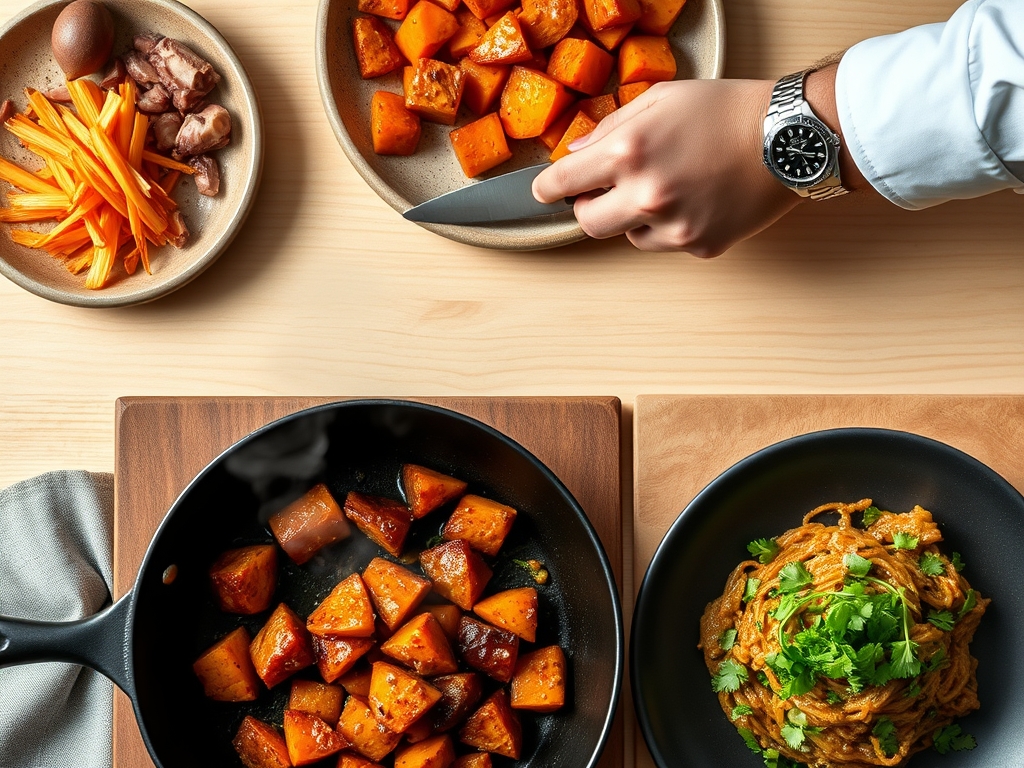
Before the heat hits, uniformity is king. Use a sharp chef's knife or a bench scraper to organize your cubes into consistent one-inch pieces. Once cut, submerge them in an ice-water bath for ten minutes. This process removes excess surface starch, which is the primary culprit behind gummy or sticky roasted potatoes.
Pro Tip: This soak prevents enzymatic browning by limiting the potato's exposure to oxygen. It also ensures that the exterior crisps up via the Maillard reaction rather than burning due to loose starch particles.
2. The Steam-to-Roast Hybrid
For the ultimate texture, we utilize a two-stage cooking process. Start by steaming the potatoes until they are "fork-tender" but not falling apart. This hydrates the starch granules, a process known as starch gelatinization. Once hydrated, transfer them to a heavy-bottomed skillet or a preheated sheet pan with a generous amount of coconut oil.
Pro Tip: The steaming phase ensures the interior is creamy, while the subsequent high-heat roast creates a structural crust. This prevents the "hollow" center often found in potatoes that are only roasted.
3. The Emulsified Glaze Application
Whether you are making a miso-butter glaze or a honey-shoyu reduction, the timing of the application is critical. Use a saucier to reduce your liquids until they are viscous enough to coat the back of a spoon. Toss the hot potatoes in this glaze immediately after they exit the oven.
Pro Tip: This utilizes capillary action. As the potatoes cool slightly, they create a vacuum that pulls the flavorful glaze into the outer pores of the vegetable, rather than letting it simply slide off onto the plate.
4. The Aerated Mash Technique
If you are opting for a traditional Hawaiian mash, do not reach for a blender. Use a potato ricer or a food mill. This prevents the shearing of starch molecules, which turns a fluffy mash into a gluey paste. Fold in your coconut milk and sea salt using a silicone spatula to aerate the mixture.
Pro Tip: Over-working the potato releases too much amylopectin. By using a ricer, you maintain the integrity of the individual cells, resulting in a cloud-like texture that holds its shape.
The Deep Dive
When we look at the macro profile of these hawaiian sweet potato recipes, we see a powerhouse of complex carbohydrates and anthocyanins. These antioxidants are responsible for the deep purple pigment and provide significant anti-inflammatory benefits.
Dietary Swaps:
For a Keto-friendly version, you can sub half the potato volume with roasted cauliflower florets; the glaze will mask the flavor transition perfectly. For Vegan preparations, ensure your "butter" is a high-fat plant-based alternative to maintain that essential emulsification.
The Fix-It:
- Soggy Potatoes: Your oven temp was too low. Fix it by cranking the heat to 450F for the last five minutes to force rapid evaporation.
- Broken Glaze: If your sauce separates, add a teaspoon of hot water and whisk vigorously with a mini-whisk to re-emulsify the fats.
- Muted Flavor: Usually a lack of acid. A squeeze of fresh lime juice will brighten the sugars and balance the heavy coconut fats.
Meal Prep:
To reheat, avoid the microwave at all costs; it vibrates water molecules and turns the starch rubbery. Instead, use a toaster oven or an air fryer at 350F. This restores the exterior crunch while gently warming the core through conduction.
The Wrap-Up
Mastering hawaiian sweet potato recipes is about more than just following a list of ingredients; it is about respecting the chemistry of the tuber. By controlling starch gelatinization and embracing the Maillard reaction, you transform a humble root vegetable into a culinary centerpiece. These dishes bring a sense of warmth and sophistication to any table. Now that you have the technical knowledge and the "Chef's Flow" down, it is time to turn up the heat and let those sugars caramelize. Your kitchen is about to become the best bistro on the block.
The Kitchen Table
Can I eat the skin of Okinawan sweet potatoes?
Yes, the skin is entirely edible and contains concentrated fiber. When roasted, it provides a crisp structural contrast to the creamy interior. Just ensure you scrub them thoroughly with a vegetable brush to remove any volcanic soil or grit.
Why did my purple potatoes turn grey?
This is a pH reaction. The anthocyanins in purple potatoes react to alkaline environments. To fix this and restore the vibrant purple hue, add a small amount of acid, like lime juice or vinegar, to your cooking liquid or glaze.
How do I store leftover cooked sweet potatoes?
Store them in an airtight glass container for up to four days. To maintain texture, avoid stacking them too deeply, which can lead to compression and sogginess. Reheat in a dry pan or air fryer to maintain the structural crust.
Is there a difference between yams and sweet potatoes?
In the US, "yam" is often a marketing term for soft sweet potatoes. True yams are starchy, bark-like tubers from Africa or Asia. For these recipes, always look for Okinawan or Garnet varieties, regardless of the grocery store label.