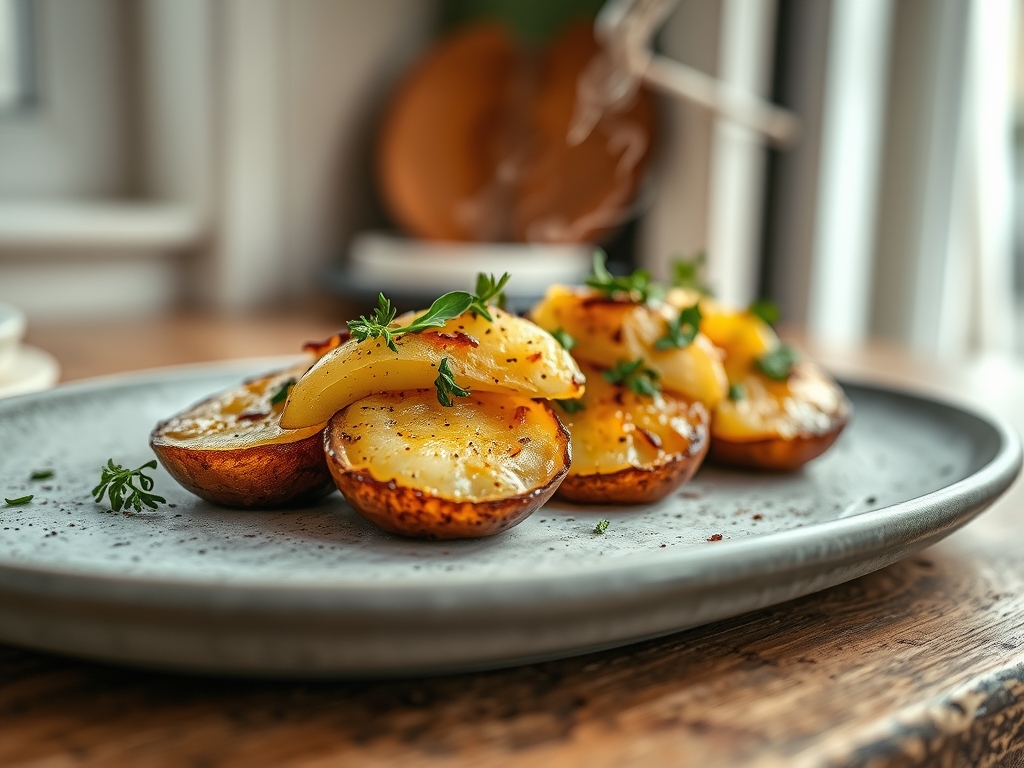
Picture the sound of a knife piercing a glass-shattered crust to reveal a center so fluffy it defies the laws of gravity. That is the magic of the humble tuber when treated with scientific reverence. Whether you are craving a buttery mash or a crisp roast, finding the best potato recipes ever is less about luck and more about mastering the starch-to-moisture ratio. We are moving beyond basic boiling to explore the structural integrity of the Russet and the waxy elegance of the Yukon Gold. This is not just a side dish; it is a masterclass in texture and heat.
The secret to a world-class potato lies in the cellular structure. When we talk about the best potato recipes ever, we are really talking about manipulating amylose and amylopectin. High-starch varieties like the Russet provide that iconic mealy texture perfect for absorbing fat, while waxy varieties like Red Bliss hold their shape against the intense heat of a heavy-bottomed skillet. Today, we are diving into nine specific techniques that transform this pantry staple into a culinary centerpiece. From the Maillard reaction that creates a golden crust to the emulsification of cold butter into a hot puree, we will cover every technical nuance needed to achieve potato perfection.
The Gathers:
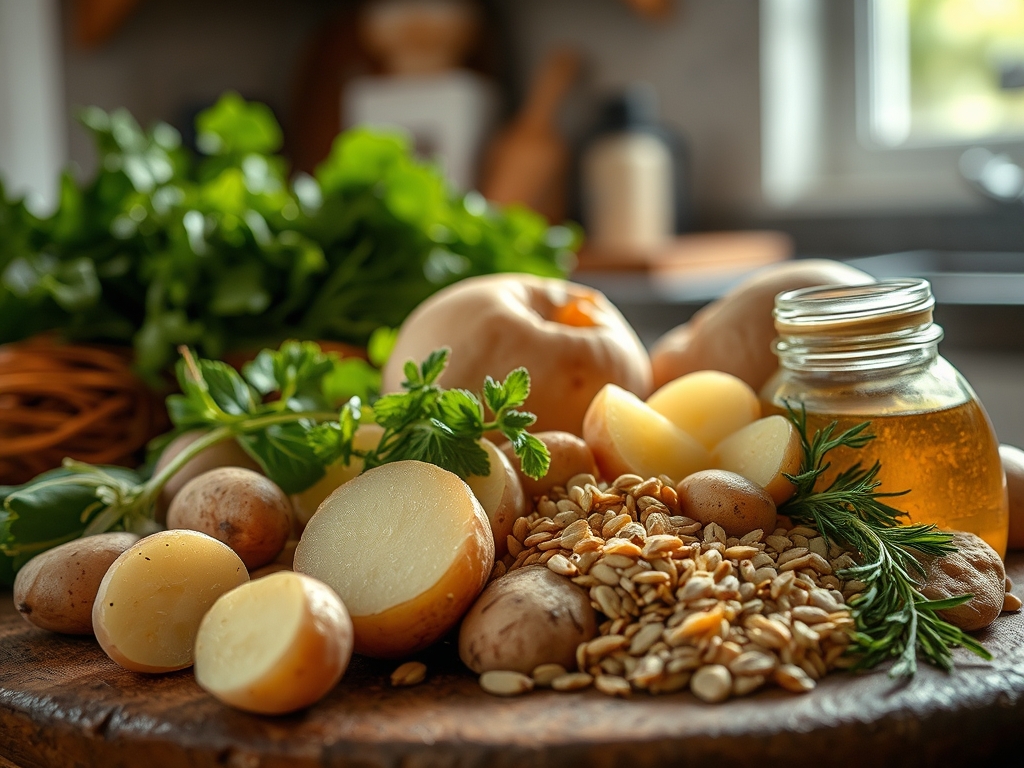
To begin your journey, your mise-en-place must be precise. You will need high-starch Russets for frying and roasting, alongside waxy Yukon Golds for gratins and salads. Your pantry should boast high-smoke-point fats like clarified butter or duck fat to ensure the exterior crisps before the interior overcooks. Fresh aromatics are non-negotiable; think woody rosemary, thyme, and a bulb of garlic to infuse your oils.
For tools, reach for a digital scale to ensure uniform sizing, which guarantees even cooking. A microplane is essential for zesting citrus or grating hard cheeses over your finished dish, while a saucier is the superior choice for simmering dairy infusions. If you are making a mash, a ricer or food mill is mandatory to prevent the starch molecules from shearing and becoming gluey.
Smart Substitutions:
If you are avoiding dairy, a high-quality cashew cream offers the same viscous mouthfeel as heavy cream. For a lower-glycemic option, you can swap half of your potato volume for celery root or parsnips. If duck fat is unavailable, beef tallow or a mixture of neutral oil and butter will provide a similar depth of flavor and crispness.
The Clock
Efficiency in the kitchen is about "Chef's Flow," which means overlapping tasks to minimize downtime. Expect a total active prep time of 30 minutes, with cooking times varying from 20 minutes for a sauté to 90 minutes for a slow-roasted fondant.
The flow begins with the "Cold Start." Always place your potatoes in cold, heavily salted water rather than dropping them into a boil. This allows the heat to penetrate the core at the same rate as the exterior, preventing a mushy outside and raw center. While the potatoes undergo their initial parboil, you should be prepping your aromatics and preheating your heavy-bottomed skillet. This staggered approach ensures that once the potatoes are drained and the steam has evaporated, your cooking vessel is at the optimal temperature for the Maillard reaction.
The Masterclass
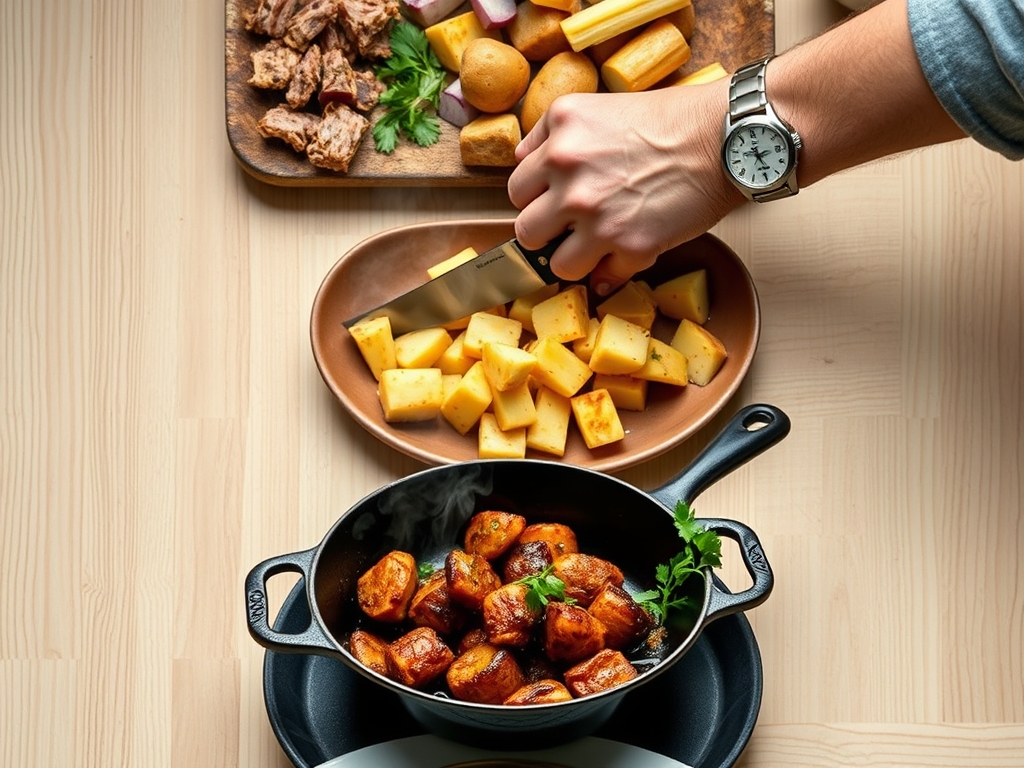
1. The Parboil and Rough-Up
Boil your peeled potato chunks in alkaline water (add a pinch of baking soda) until the edges are just tender. Drain them and shake vigorously in the pot to create a starchy "mash" on the surface.
Pro Tip: The baking soda breaks down the pectin on the potato's surface more quickly. This creates more surface area for the oil to cling to, resulting in a significantly crunchier crust after roasting.
2. The Fat Infusion
While the potatoes steam-dry, heat your fat in a roasting pan. Toss the potatoes in the hot oil until every crevice is coated.
Pro Tip: This is a form of confit. By coating the exterior in fat before the high-heat roast, you create a barrier that prevents moisture loss while the interior continues to soften via steam.
3. The High-Heat Roast
Place the potatoes in a 425-degree oven. Use tongs to flip them every 20 minutes to ensure an even, mahogany color.
Pro Tip: Thermal carryover is real. Remove the potatoes when they are a shade lighter than your desired color; the internal heat will continue to cook and darken the crust for several minutes after they leave the oven.
4. The Aromatic Finish
In the final five minutes, toss in smashed garlic cloves and woody herbs. Use a bench scraper to move the potatoes around, ensuring they absorb the infused oils without breaking.
Pro Tip: Volatile oils in herbs like rosemary are heat-sensitive. Adding them too early results in a bitter, burnt flavor; adding them at the end allows the residual heat to infuse the fat with a fresh, piney aroma.
5. The Aerated Mash
For the fluffiest mash, pass hot potatoes through a ricer directly into a bowl of melted butter.
Pro Tip: This prevents enzymatic browning and keeps the starch granules intact. If you use a hand mixer, you risk overworking the starch, which turns the mixture into a gummy, glue-like paste.
6. The Emulsification
Slowly stream in warm cream or milk while folding with a silicone spatula.
Pro Tip: You are creating a fat-in-water emulsion. If the dairy is too cold, the fat in the butter will seize, resulting in a grainy texture rather than a smooth, viscous finish.
7. The Searing Sauté
For skillet potatoes, use a heavy-bottomed skillet to maintain constant heat. Do not crowd the pan.
Pro Tip: Crowding the pan causes the temperature to drop, leading the potatoes to steam in their own moisture rather than sear. Space allows the steam to escape, facilitating a crisp exterior.
8. The Deglaze
After searing, add a splash of stock or wine to the pan to pick up the browned bits (fond).
Pro Tip: Deglazing incorporates the concentrated sugars and proteins stuck to the pan back into the dish, adding a complex, savory "umami" layer to the potatoes.
9. The Resting Period
Allow roasted or fried potatoes to sit on a wire rack for three minutes before serving.
Pro Tip: Placing hot potatoes directly on a plate traps steam underneath them, which softens the crust you worked so hard to build. A wire rack allows air to circulate, maintaining the crunch.
The Deep Dive
When considering the nutrition of the best potato recipes ever, remember that potatoes are a powerhouse of potassium and Vitamin C. While the caloric density increases with added fats, the satiety index of a boiled potato is the highest of any common food.
Dietary Swaps:
For a Keto-friendly alternative, use radishes or cauliflower florets treated with the same roasting technique. For Vegan preparations, sub butter with a high-quality olive oil or avocado oil. All potato recipes are naturally Gluten-Free, making them the perfect safe haven for sensitive diners.
The Fix-It:
- Gluey Mash: If you overwork the potatoes, you cannot un-shear the starch. Transform it into a gratin by adding cheese and baking it until bubbly.
- Burnt Garlic: If your aromatics turn black, they will be bitter. Discard the burnt bits and toss the potatoes in a fresh herb oil before serving.
- Soggy Roast: If your potatoes are limp, the oven was too cool or the pan was crowded. Crank the heat to 450 and move them to a larger tray to finish.
Meal Prep:
To reheat, avoid the microwave at all costs; it vibrates water molecules and turns the crust into rubber. Instead, use an air fryer or a hot skillet to re-crisp the exterior while gently warming the center.
The Wrap-Up
Mastering the best potato recipes ever is about respecting the chemistry of the kitchen. By controlling moisture, choosing the right starch profile, and utilizing high-quality tools like a ricer or heavy-bottomed skillet, you elevate a simple root vegetable into a culinary work of art. Remember, the goal is the contrast: a piquant, salty crust against a cloud-like interior. Now, go forth and conquer the tuber!
The Kitchen Table
Which potato is best for roasting?
Russet potatoes are the gold standard for roasting. Their high starch content creates a thick, floury surface that crisps up beautifully in hot fat, while the interior stays light and fluffy.
How do I prevent my mashed potatoes from being gummy?
Avoid using a food processor or over-mashing. Use a ricer to gently break down the potato without shearing the starch molecules. Always mix in your butter and warm dairy by hand with a spatula.
Why should I start potatoes in cold water?
Starting in cold water ensures the potato cooks evenly from the center to the edge. If you drop them into boiling water, the outside overcooks and falls apart before the middle is tender.
Can I make roasted potatoes ahead of time?
You can parboil and coat them in fat a day in advance. Store them in the fridge, then roast them straight from cold when you are ready to serve for maximum crunch and efficiency.