
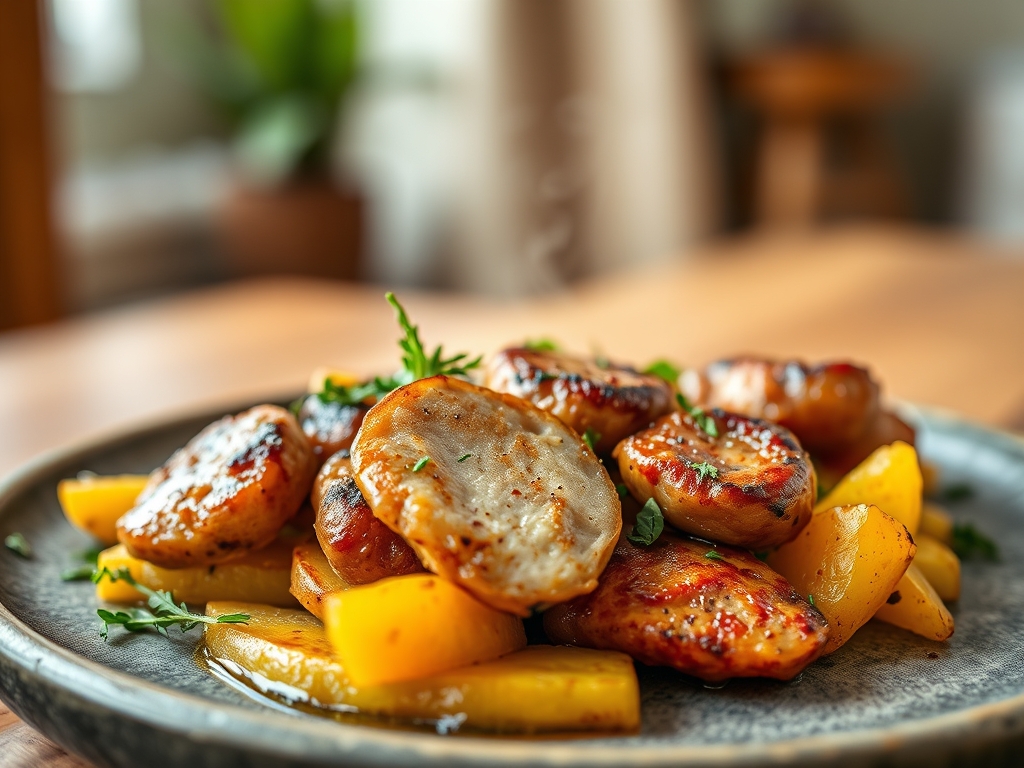
The sizzle of a heavy-bottomed cast iron skillet is the heartbeat of a functional kitchen; it is the sound of moisture rapidly evaporating to make room for complex flavor. When you are craving a meal that balances lean protein with comforting starch, chicken sausage potato recipes are the ultimate solution for a weeknight culinary win. Imagine the snap of a perfectly seared casing yielding to a juicy, herb-flecked interior, paired with potatoes that have been roasted in rendered fats until their edges are translucent and shatteringly crisp. This is not just a quick dinner; it is a masterclass in texture and temperature management. We are moving beyond the basic stir-fry and into the realm of professional pan-searing. By understanding how starches gelatinize and how proteins denature, you can transform humble ingredients into a five-star experience. Whether you are using a spicy andouille or a sweet apple chicken sausage, the goal remains the same: achieving that elusive Maillard reaction on every surface. Grab your favorite chef's knife and a sturdy bench scraper; we are about to elevate your skillet game to a scientific art form.
The Gathers:
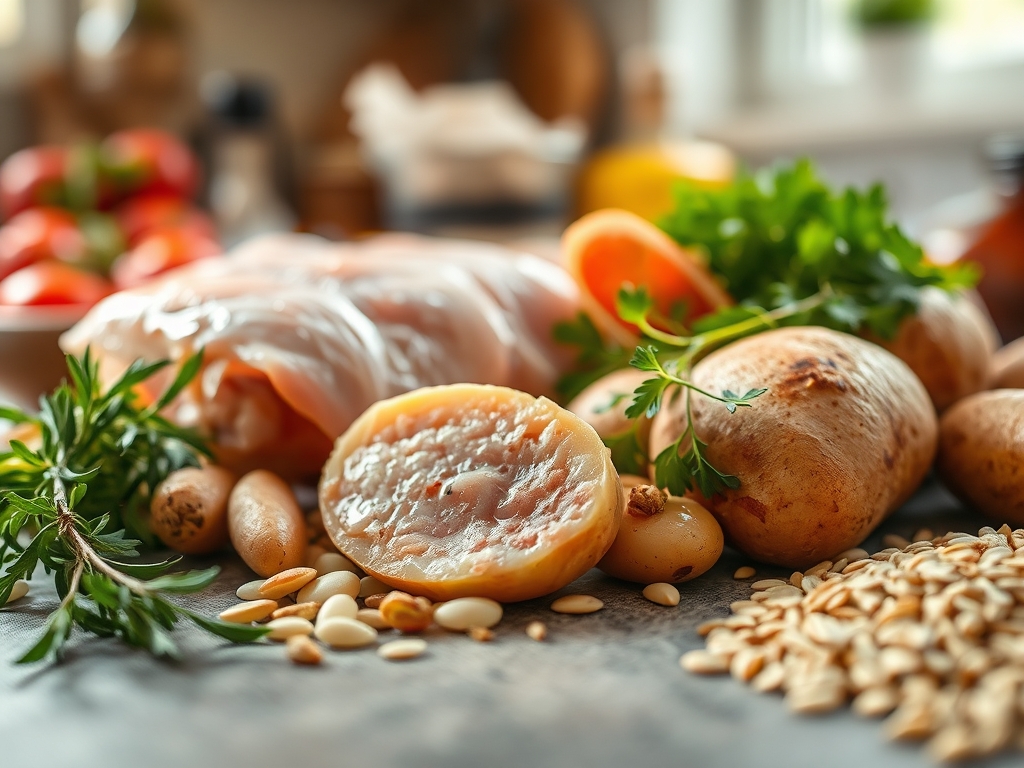
To execute these chicken sausage potato recipes with precision, your mise-en-place must be impeccable. Start with the foundation: the potatoes. I recommend Yukon Gold or red-skinned varieties because their medium-starch content allows them to maintain structural integrity during the high-heat sauté process. You will need 1.5 pounds of tubers, scrubbed and cubed into uniform 3/4-inch pieces to ensure a synchronized cook time. For the protein, select 12 ounces of high-quality pre-cooked chicken sausage. Look for brands that use natural casings, as these provide the best "snap" when exposed to dry heat.
Your aromatics are the "top notes" of the dish. You will need one large bell pepper for sweetness, one red onion for its high sugar content (perfect for caramelization), and four cloves of garlic. Do not mince the garlic too early; the sulfurous compounds develop more intensely the longer they sit after the cell walls are ruptured. For the finishing touch, fresh rosemary and thyme provide volatile oils that infuse the fat.
Smart Substitutions: If you are looking to lower the glycemic index, swap half the potatoes for cauliflower florets or cubed butternut squash. If you prefer a piquant kick, replace the bell peppers with poblano or Anaheim chilies. For a dairy-free richness, use avocado oil instead of butter for the final baste; it has a higher smoke point of approximately 520 degrees Fahrenheit.
The Clock (H2)
Efficiency in the kitchen is about "Chef's Flow," the ability to overlap tasks so that no heat is wasted. This recipe requires a total of 10 minutes for prep and 20 minutes for active cooking.
The flow begins with the "Cold Start" prep. While your skillet preheats over medium-high heat, you are dicing your vegetables. By the time the skillet reaches its Leidenfrost point (where a drop of water skitters across the surface), your potatoes should be ready to hit the oil. While the potatoes undergo their initial sear, you slice the sausage. This staggered approach ensures that the ingredients requiring the longest thermal exposure get a head start, while delicate aromatics are added last to prevent scorching.
The Masterclass (H2)
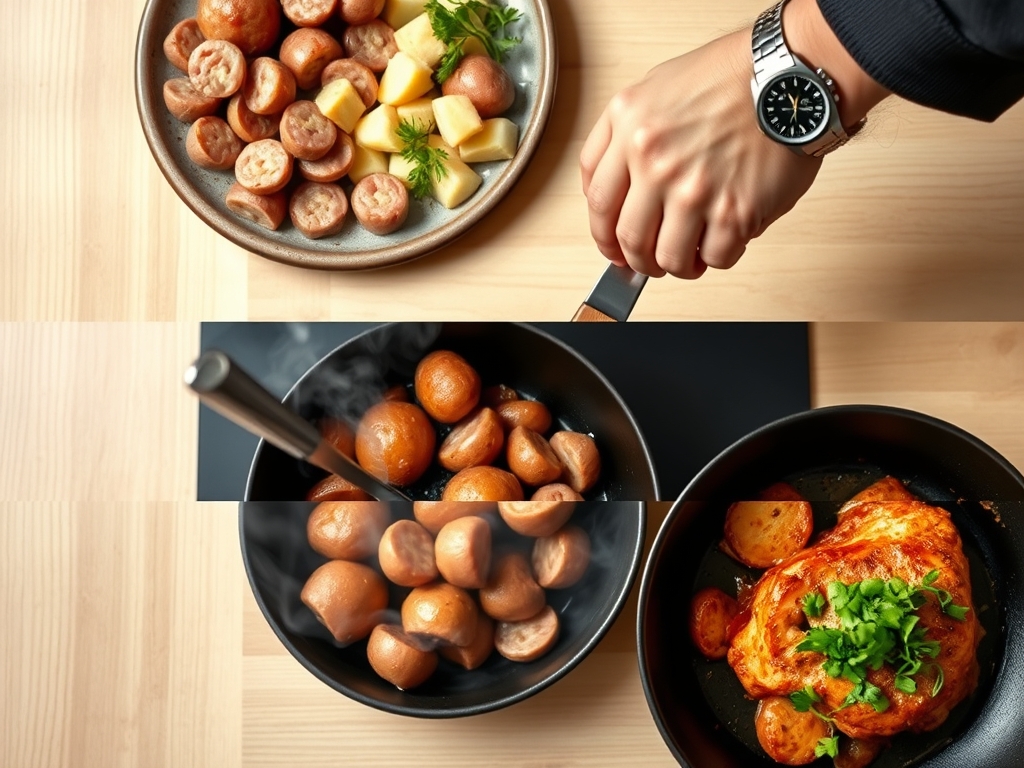
1. The Par-Cook and Sear
Add two tablespoons of high-smoke-point oil to your skillet. Toss in the cubed potatoes, ensuring they are in a single layer to avoid steaming.
Pro Tip: This step utilizes gelatinization. As the starch granules in the potato absorb heat and moisture, they swell and burst, creating a tacky surface that eventually dehydrates into a crisp crust. Do not move them for the first four minutes.
2. Rendering the Sausage
Push the potatoes to the perimeter of the pan and add the sliced chicken sausage to the center. Use your tongs to flip each coin once they develop a deep mahogany color.
Pro Tip: This is the Maillard Reaction in action. The amino acids in the chicken react with reducing sugars at temperatures above 285 degrees Fahrenheit, creating hundreds of different flavor compounds that didn't exist in the raw state.
3. Incorporating Aromatics
Add the peppers and onions to the pan. The moisture released by the vegetables will help deglaze the bottom of the skillet, lifting the flavorful browned bits (the fond) and coating the potatoes.
Pro Tip: Use a bench scraper to move ingredients efficiently. The onions contain quercetin, an antioxidant that also provides a savory depth as it softens and releases its cellular liquid.
4. The Herb Infusion and Butter Baste
Lower the heat slightly and add a tablespoon of unsalted butter along with your fresh herbs and minced garlic. Use a large spoon to baste the hot, flavored fat over the sausage and potatoes.
Pro Tip: This is fat-soluble flavor extraction. The essential oils in rosemary and thyme are hydrophobic, meaning they bind more effectively to the butter than to water, ensuring the flavor permeates every bite.
5. The Final Rest and Carryover
Turn off the heat and let the skillet sit for three minutes before serving. This allows the internal temperatures to equalize across the different ingredients.
Pro Tip: Thermal carryover means the internal temperature of the sausage will continue to rise by 5 to 10 degrees even after being removed from the heat. Resting prevents the proteins from tightening and squeezing out moisture.
The Deep Dive (H2)
When we look at the macro nutrition of chicken sausage potato recipes, we see a balanced profile. A standard serving offers approximately 350 calories, 22g of protein, 30g of carbohydrates, and 15g of healthy fats. It is a high-satiety meal that fuels muscle recovery without the heavy caloric load of traditional pork sausage.
Dietary Swaps:
- Vegan: Use a high-protein plant-based sausage and substitute the potatoes with roasted radishes for a lower-carb, plant-forward version.
- Keto: Replace all potatoes with radishes or turnips; these root vegetables mimic the texture of potatoes but have a fraction of the net carbs.
- Gluten-Free: Most chicken sausages are naturally GF, but always check the label for "malt" or "wheat fillers" used as binders.
The Fix-It:
- Soggy Potatoes: Usually caused by overcrowding. Fix: Remove half the ingredients and sear in batches to allow steam to escape.
- Burnt Garlic: This happens if added too early. Fix: If it happens, quickly deglaze with a splash of chicken stock or white wine to lower the pan temperature and dilute the bitterness.
- Dry Sausage: Caused by overcooking. Fix: Add a splash of apple cider vinegar or lemon juice at the end; the acidity will stimulate salivation and mask the dryness.
Meal Prep Science: To maintain "day-one" quality, store leftovers in airtight glass containers. When reheating, avoid the microwave if possible. Instead, use a toaster oven or a small frying pan with a teaspoon of water and a lid. The steam will rehydrate the starch in the potatoes while the dry heat restores the snap to the sausage casing.
The Wrap-Up (H2)
Mastering chicken sausage potato recipes is about more than just throwing things in a pan; it is about respecting the chemistry of heat and the architecture of flavor. By focusing on the Maillard reaction and the proper sequence of ingredients, you transform a simple skillet meal into a textured, aromatic feast. This dish is your reliable kitchen companion, ready to be dressed up with a fried egg for brunch or served with a crisp arugula salad for a sophisticated dinner. Now, take these techniques, trust your senses, and go create something delicious!
The Kitchen Table (H2)
What are the best potatoes for skillet recipes?
Yukon Gold potatoes are superior because they possess a creamy texture and a thin skin that crisps beautifully. They have enough starch to brown well but enough moisture to remain tender inside without falling apart during the tossing process.
Can I cook raw chicken sausage in the skillet?
Yes, but you must ensure it reaches an internal temperature of 165 degrees Fahrenheit. Add a splash of water and cover the pan for four minutes to steam-cook the interior before removing the lid to sear the exterior for flavor.
How do I prevent the potatoes from sticking?
Ensure your skillet is properly preheated before adding oil. Use a heavy-bottomed pan like cast iron or stainless steel. Once the potatoes hit the pan, do not move them until they naturally release from the surface after browning.
Is chicken sausage healthier than pork sausage?
Generally, yes. Chicken sausage typically contains 60 to 70 percent less fat and fewer calories than traditional pork sausage. It provides a leaner protein source while still delivering high levels of essential amino acids and savory flavor profiles.
Can I freeze chicken sausage and potato leftovers?
While you can, the texture of the potatoes may become slightly grainy upon thawing due to the breakdown of starch cells. For the best results, consume within four days or repurpose leftovers into a breakfast hash or a hearty soup.