
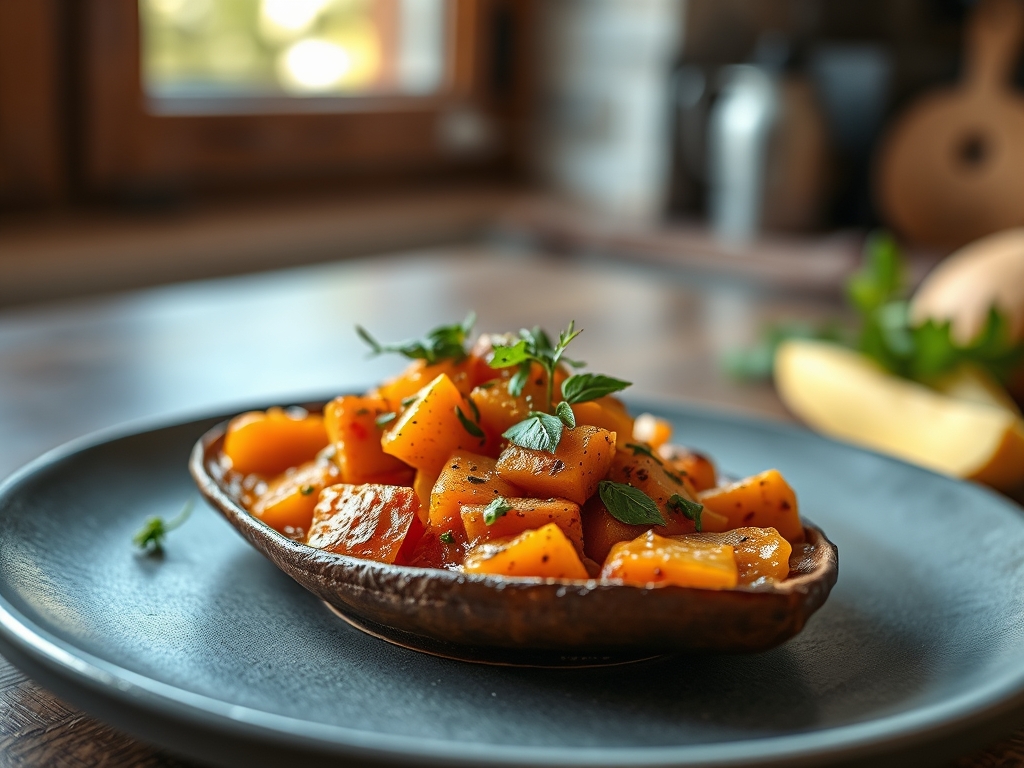
Imagine the scent of caramelized sugars mingling with the sharp, acidic punch of fresh lemon zest. When we talk about mediterranean sweet potato recipes, we are not just tossing tubers into an oven; we are orchestrating a complex chemical dance between earthiness and brightness. The sweet potato is a molecular marvel, packed with complex starches that transform into maltose when subjected to the steady, dry heat of a convection cycle. This natural sweetness provides the perfect canvas for the salty, piquant profiles of the Mediterranean coast. Whether you are charring them for a smoky base or whipping them into a velvet puree, the goal is to balance that heavy glucose hit with high-vibrancy fats and acids. We are moving beyond the marshmallow-topped casseroles of the past and stepping into a world where cold-pressed olive oil and briny feta reign supreme. Grab your favorite apron and clear some counter space. We are about to turn these humble, orange roots into the absolute stars of your weekly rotation through six transformative, science-backed hacks.
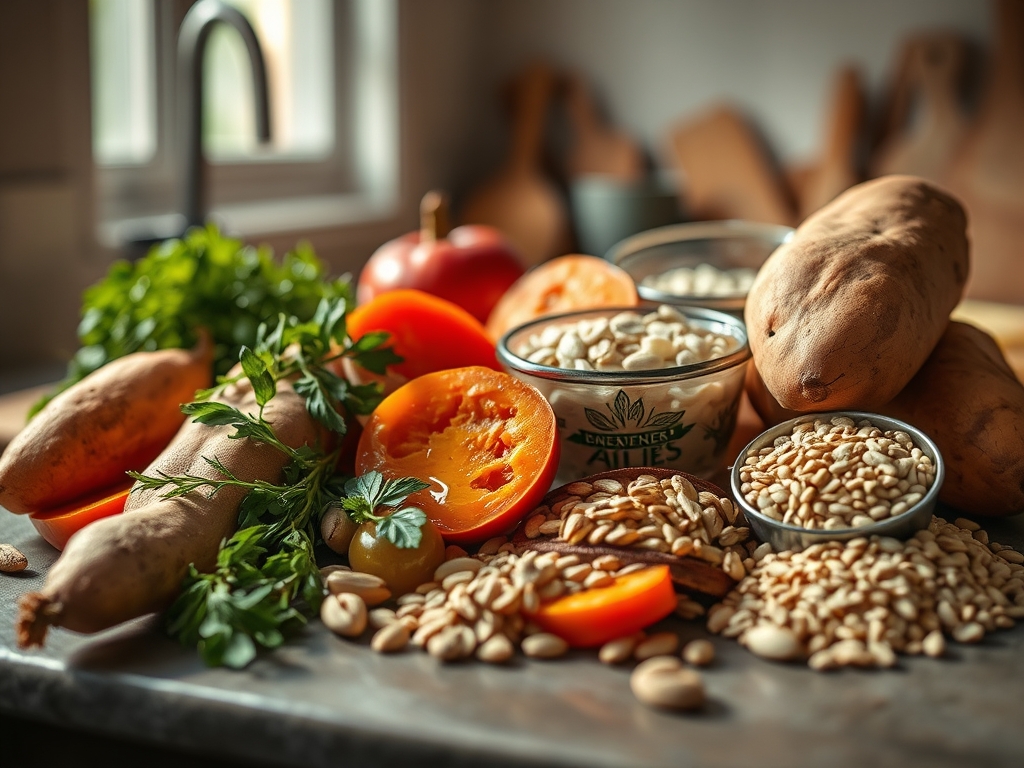
The Gathers:
To execute these mediterranean sweet potato recipes with precision, your mise-en-place must be impeccable. We start with the tubers themselves; look for firm skins without soft spots, as these indicate a higher moisture content which can lead to steaming rather than roasting. You will need a high-quality extra virgin olive oil with a low peroxide value to ensure a clean, peppery finish. For the aromatic profile, gather fresh oregano, flat-leaf parsley, and garlic cloves that still feel heavy in their husks.
On the dairy side, a block of high-moisture feta cheese is essential. Avoid the pre-crumbled varieties; they are coated in cellulose to prevent clumping, which interferes with the creamy mouthfeel we want to achieve. For the "Smart Substitutions," if you are avoiding nightshades or looking for a lower glycemic index, you can swap half of the sweet potato volume for roasted cauliflower florets. If you lack a saucier for your reductions, a heavy-bottomed skillet will suffice to prevent scorching. Use a microplane to zest your lemons directly over the dish to capture the volatile oils before they evaporate into the air.
The Clock:
Mastering the "Chef's Flow" is about overlapping tasks to minimize downtime. Total active preparation for these hacks sits at roughly 20 minutes, while the oven does the heavy lifting for 45 to 50 minutes. Start by preheating your oven to 425 degrees Fahrenheit. While the air oscillates to temperature, use a bench scraper to organize your chopped aromatics.
The flow works like this: Prep the potatoes first because they require the longest thermal exposure. While they undergo the Maillard reaction in the oven, you can emulsify your dressings and prep your cold garnishes. By the time the potatoes reach an internal temperature of 210 degrees Fahrenheit, your toppings are ready for assembly. This prevents the "soggy bottom" syndrome, ensuring the potatoes are served at their peak structural integrity.
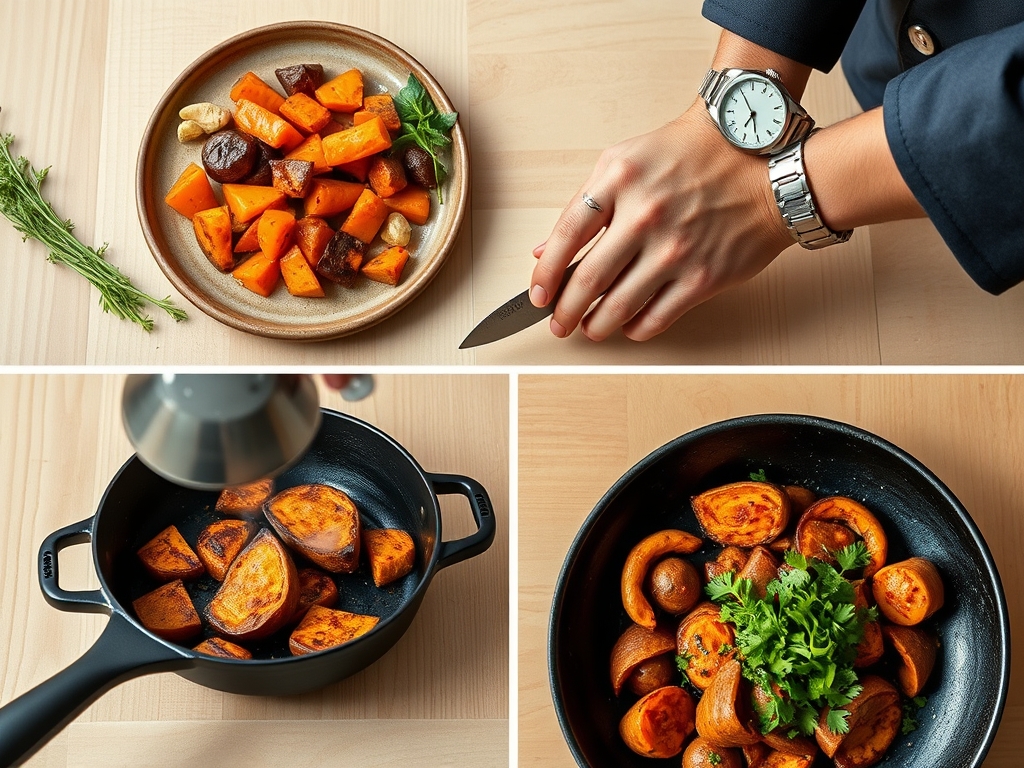
The Masterclass:
1. The Hasselback Precision Cut
Use two wooden spoons as guides to slice the potato into thin fins without cutting all the way through. This increases the surface area exposed to heat.
Pro Tip: This technique utilizes increased surface area-to-volume ratio to maximize caramelization. By creating more "edges," you allow the heat to penetrate the core faster while crisping the exterior.
2. The Salt-Crust Dehydration
Rub the skins with a mixture of coarse sea salt and dried thyme before roasting. The salt draws out surface moisture through osmosis.
Pro Tip: Controlling surface moisture is the secret to a crispy skin. When you remove water from the epidermis of the potato, the skin can reach temperatures above 212 degrees Fahrenheit, allowing it to brown rather than boil.
3. The Whipped Tahini Emulsification
Use a high-speed blender to combine tahini, lemon juice, and ice water until the mixture turns pale and aerated.
Pro Tip: Adding ice water to tahini creates a stable oil-in-water emulsion. The cold temperature helps the fat solids remain suspended, resulting in a fluffier, more viscous sauce that clings to the potato.
4. The Charred Herb Infusion
Toss your fresh herbs in olive oil and flash-roast them during the last five minutes of cooking.
Pro Tip: This process allows the fat-soluble compounds in the herbs to infuse into the oil. Heat breaks down the cell walls of the herbs, releasing essential oils like carvacrol and thymol directly onto the potato.
5. The Acidic Deglaze
Once the potatoes are out of the oven, immediately drizzle them with a splash of red wine vinegar or lemon juice while they are still screaming hot.
Pro Tip: This utilizes thermal carryover. The heat of the potato causes the acid to penetrate the starch granules deeply, cutting through the heavy sweetness and brightening the entire flavor profile.
6. The Feta Brulee
Crumble feta over the hot potatoes and use a kitchen torch or the broiler to slightly singe the edges of the cheese.
Pro Tip: This triggers a secondary Maillard reaction on the proteins of the cheese. It adds a nutty, toasted dimension to the salty feta that complements the sugars in the sweet potato.
The Deep Dive:
Nutritionally, these mediterranean sweet potato recipes are powerhouses. They are rich in beta-carotene, which the body converts to Vitamin A, and provide a significant dose of potassium to balance sodium levels. For those on specific diets:
- Vegan: Replace feta with a cashew-based "cheese" or extra toasted pine nuts for umami.
- Keto: Keep portions small and lean heavily on the healthy fats like olive oil and avocado.
- GF: This recipe is naturally gluten-free.
The Fix-It:
- Soggy Potatoes: Usually caused by overcrowding the pan. Use two baking sheets to ensure proper airflow and steam escape.
- Bitter Garlic: If your garlic turns acrid, you added it too early. Add aromatics during the final 10 minutes of roasting.
- Uneven Cooking: Use a digital scale to ensure your potato wedges or slices are uniform in mass.
For meal prep, the science of reheating is key. Avoid the microwave, which turns starch into a gummy mess. Instead, use an air fryer or a hot skillet to re-crisp the exterior. This flashes off any absorbed moisture and restores the textural contrast.
The Wrap-Up:
You have officially graduated from basic roasting to culinary engineering! By understanding how to manipulate moisture, surface area, and emulsions, you have turned a simple root vegetable into a gourmet Mediterranean feast. These hacks are not just about following steps; they are about mastering the heat and chemistry of your kitchen. Go ahead, show off those charred edges and whipped sauces. Your dinner table is about to get a serious upgrade.
The Kitchen Table:
Why are my sweet potatoes never crispy?
Crispiness requires surface dehydration. Ensure potatoes are dry before oiling, and never overcrowd the pan. Excess moisture creates steam, which softens the cell walls instead of hardening them through the Maillard reaction. Use a high-heat fat like avocado oil.
Can I eat the skin of the sweet potato?
Absolutely. The skin contains the highest concentration of fiber and antioxidants. When roasted properly with salt and oil, the skin becomes a savory, structural element that provides a necessary textural contrast to the soft, creamy interior.
What is the best way to store leftovers?
Store in an airtight glass container for up to four days. To maintain texture, reheat in an oven at 375 degrees Fahrenheit or a dry skillet. This helps re-evaporate any moisture that migrated from the center to the crust.
How do I prevent the potatoes from browning before I cook them?
Enzymatic browning occurs when cut starch is exposed to oxygen. If you prep early, submerge the cut pieces in cold water to block oxygen. Pat them completely dry with a lint-free towel before roasting to ensure a proper sear.