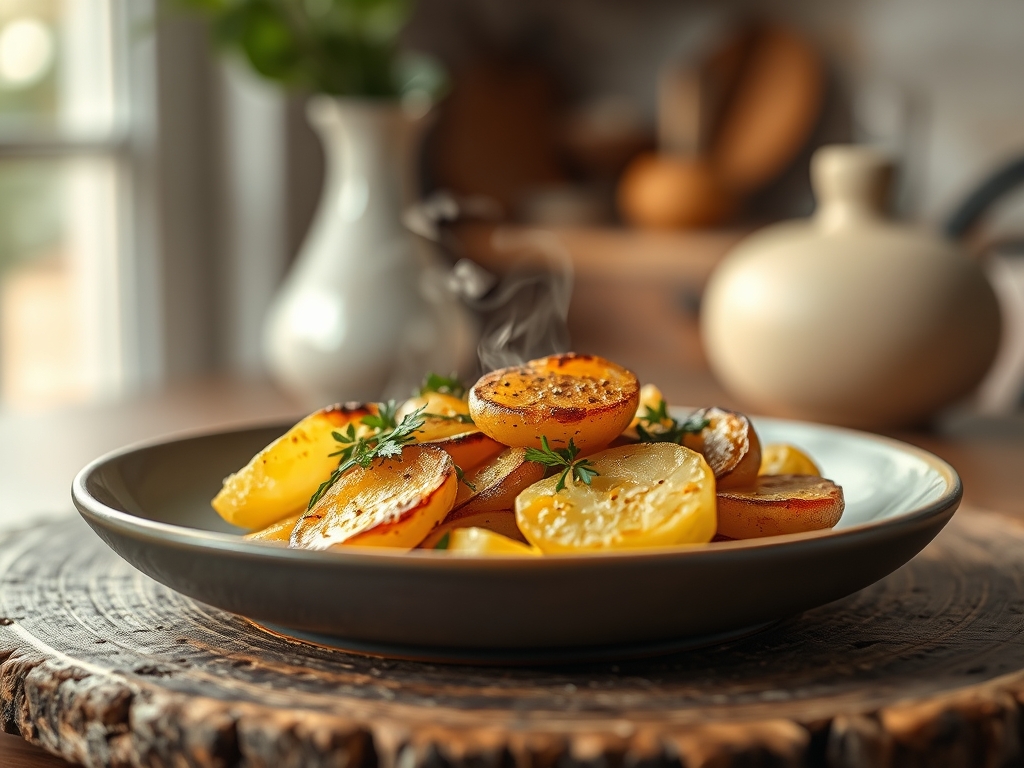
Imagine the sound of a knife slicing through a crisp, salt-crusted skin to reveal a cloud of steaming, ivory starch. There is a primal comfort in a perfectly cooked tuber, yet for years, we have been told that true indulgence requires a lake of heavy cream. I am here to debunk that myth with these ten definitive dairy free potato recipes that rely on molecular science rather than bovine fats. We are trading the dull heaviness of lactose for the bright, clean complexity of infused oils and plant-based emulsions.
The secret to a world-class potato dish lies in managing starch behavior. When we boil, roast, or fry, we are essentially manipulating glucose chains and cellular structure. By understanding how to hydrate amylopectin without the interference of milk solids, we unlock a texture that is silky rather than sticky. Whether you are craving the crunch of a glass-like exterior or the velvet fold of a mash, these techniques will transform your kitchen into a professional laboratory of flavor. We are going to use high-quality fats like extra virgin olive oil and avocado oil to carry aromatics directly to your palate. Get your apron on; we are about to make magic with the humblest root vegetable in your pantry.
The Gathers:
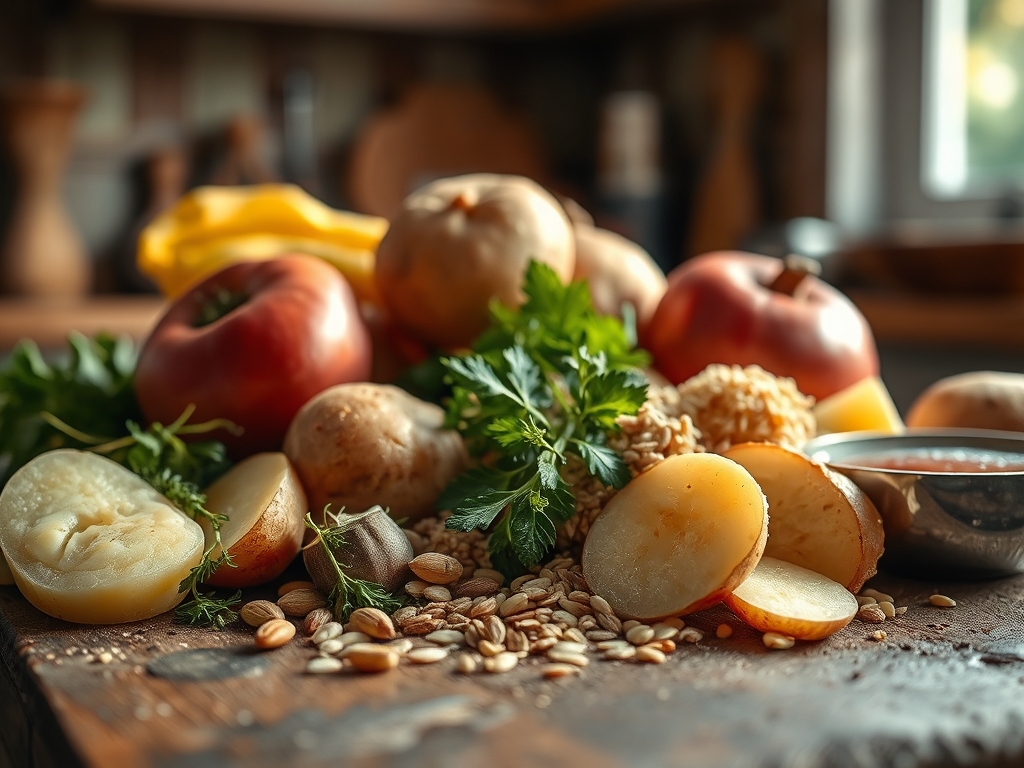
Before we ignite the burners, we must assemble our mise-en-place with surgical precision. For these dairy free potato recipes, your ingredient selection is the difference between a side dish and a masterpiece. You will need a variety of tubers: Russets for their high starch content and fluffy internal structure; Yukon Golds for their natural buttery hue and medium waxiness; and Red Bliss for recipes requiring structural integrity.
Our fat profile is critical. Grab a bottle of cold-pressed olive oil for its viscous mouthfeel and a high-smoke-point oil like grapeseed for searing. To replace the "tang" of sour cream, we utilize acids like apple cider vinegar or lemon juice to brighten the earthy notes of the potato. Smart substitutions also include nutritional yeast for a nutty, umami depth and full-fat coconut milk for dishes requiring a heavy cream consistency. Use a digital scale to measure your potatoes; weight is far more accurate than volume when calculating the ratio of salt to starch. Finally, gather your aromatics: fresh rosemary, thyme, and plenty of garlic cloves ready for the microplane.
The Clock:
Efficiency in the kitchen is about "Chef's Flow," which means grouping tasks by thermal requirement rather than just following a list. Expect a total active prep time of 25 minutes across these recipes, with passive cooking times ranging from 20 to 50 minutes. The flow begins with the "Cold Start" method for boiled preparations to ensure even heat penetration. While the potatoes undergo gelatinization in the water, you will use your bench scraper to clear your station and prep your infusions.
By the time the timer dings for your first batch, your heavy-bottomed skillet should be preheated. This overlapping schedule ensures that you aren't standing around waiting for water to boil. We prioritize the long-roast items first, as they hold heat better due to their thermal mass, allowing you to finish the delicate, quick-sear items just before serving.
The Masterclass:
1. The Perfect Par-Boil and Scuff
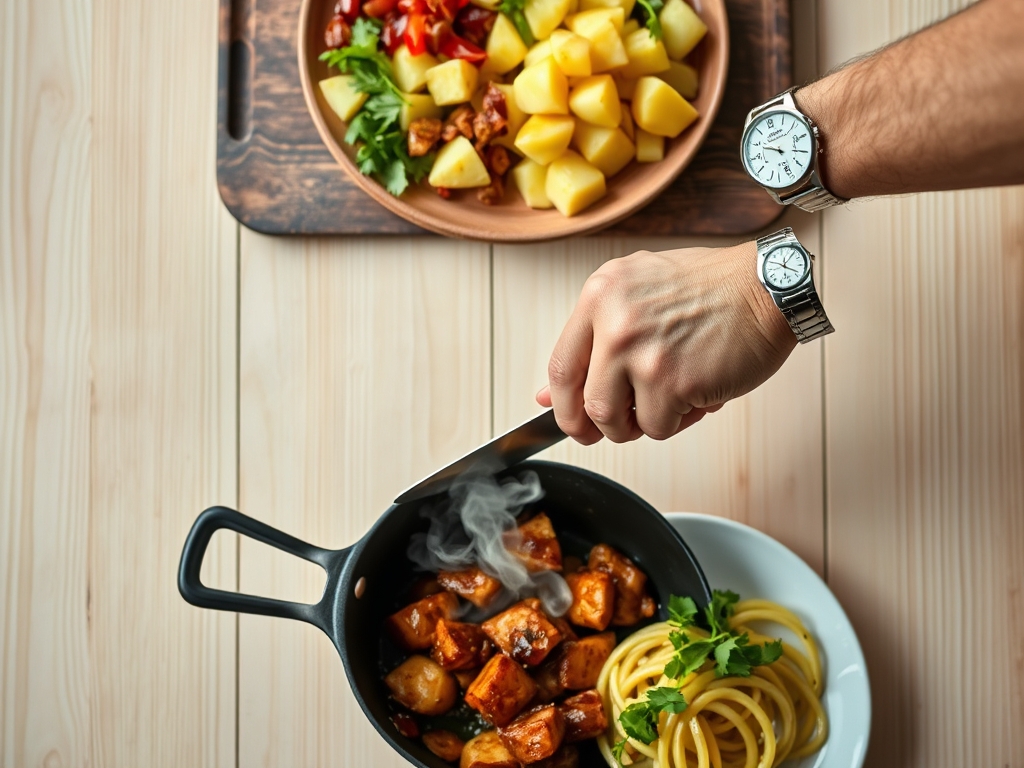
Start by peeling and cubing your Yukon Golds. Place them in a pot of cold, heavily salted water and bring to a boil. Once they are fork-tender, drain them and return them to the hot pot for sixty seconds to evaporate residual moisture. Give the pot a vigorous shake to "scuff" the edges of the potatoes.
Pro Tip: Scuffing increases the surface area for the Maillard reaction. These tiny, starchy tears will dehydrate and crisp up in the oven, creating a glass-like crunch that outlasts any dairy-laden version.
2. The Infused Oil Emulsion
In a small saucier, gently warm olive oil with smashed garlic and rosemary. Do not let it sizzle; we are looking to infuse, not fry. Slowly drizzle this aromatic oil over your scuffed potatoes while tossing them with tongs.
Pro Tip: Fat acts as a heat conductor. By coating every crevice of the scuffed surface, you ensure even thermal distribution, preventing the "leathery" skin often found in poorly oiled roasts.
3. The High-Heat Roast
Spread the potatoes on a preheated baking sheet. Roast at 425 degrees Fahrenheit, flipping only once halfway through. The high heat causes the water in the outer cells to flash into steam, leaving behind a rigid, crispy matrix of starch.
Pro Tip: Avoid overcrowding the pan to prevent steaming. If the potatoes are too close, the moisture they release will soften their neighbors, ruining the structural integrity of the crust.
4. The Silky Mash Technique
For a dairy-free mash, pass boiled Russets through a ricer or food mill into a warm bowl. Instead of milk, fold in a mixture of starchy potato cooking water and a high-quality vegan butter or olive oil.
Pro Tip: Using a ricer prevents the over-working of the potato cells. If you use a hand mixer, you risk shearing the starch granules, which releases amylose and turns your mash into a gluey, viscous paste.
5. The Acidic Finish
Just before serving, hit your potatoes with a splash of champagne vinegar or a zest of lemon using your microplane. This cuts through the richness of the oils and resets the palate.
Pro Tip: This is known as "flavor balancing." The acid reacts with the salt to enhance the perception of savory notes without needing additional sodium or fats.
The Deep Dive:
From a macro nutrition perspective, potatoes are a powerhouse of potassium and complex carbohydrates. By removing dairy, we significantly lower the saturated fat content and eliminate lactose-related inflammation. These dairy free potato recipes are naturally gluten-free and can be made Keto-friendly by substituting half the potato volume with cauliflower, which shares a similar cellular density when roasted.
If you encounter a "Fix-It" moment, don't panic. If your potatoes are sticking to the pan, they haven't finished the release phase of the Maillard reaction; give them two more minutes. If your mash is too thin, whisk in a teaspoon of potato starch to tighten the emulsion. If the flavor feels flat, add a pinch of smoked paprika to provide a faux-charred depth. For meal prep, always reheat potatoes in a dry skillet or air fryer. Microwaves vibrate water molecules, which turns the crispy starch cell walls back into a soggy mess. A quick sear in a heavy-bottomed skillet restores that "day-one" crunch by re-dehydrating the exterior.
The Wrap-Up:
Mastering dairy free potato recipes is about more than just dietary restrictions; it is about elevating a staple ingredient to its highest form. We have used physics and chemistry to replace cream with texture and butter with aromatics. Your kitchen now smells like roasted garlic and toasted starch, and your guests will never miss the dairy. These techniques empower you to cook with intention and science. Now, grab your favorite serving platter and let these golden, crispy gems take center stage at your table!
The Kitchen Table:
Can I use any potato for mashing without dairy?
Russets are best for fluffy mashes because their high starch content absorbs fat substitutes easily. Yukon Golds provide a naturally creamy texture. Avoid waxy red potatoes for mashing, as they can become gummy and translucent when over-processed.
How do I get crispy potatoes without using butter?
Use high-smoke-point oils like avocado or grapeseed oil. The key is the "Cold Start" boiling method followed by a high-heat roast at 425 degrees. This dehydrates the surface, allowing the starch to undergo the Maillard reaction for maximum crunch.
What is the best dairy-free substitute for heavy cream in soups?
Full-fat canned coconut milk or cashew cream provides the necessary lipid content for a rich mouthfeel. For a lighter version, blend a portion of the cooked potatoes with some broth and return it to the pot to create a natural emulsion.
Why are my roasted potatoes soggy?
Sogginess usually results from overcrowding the pan or low oven temperatures. When potatoes are too close, they steam in their own moisture. Ensure there is space between each piece and use a preheated heavy-bottomed skillet or baking sheet.