
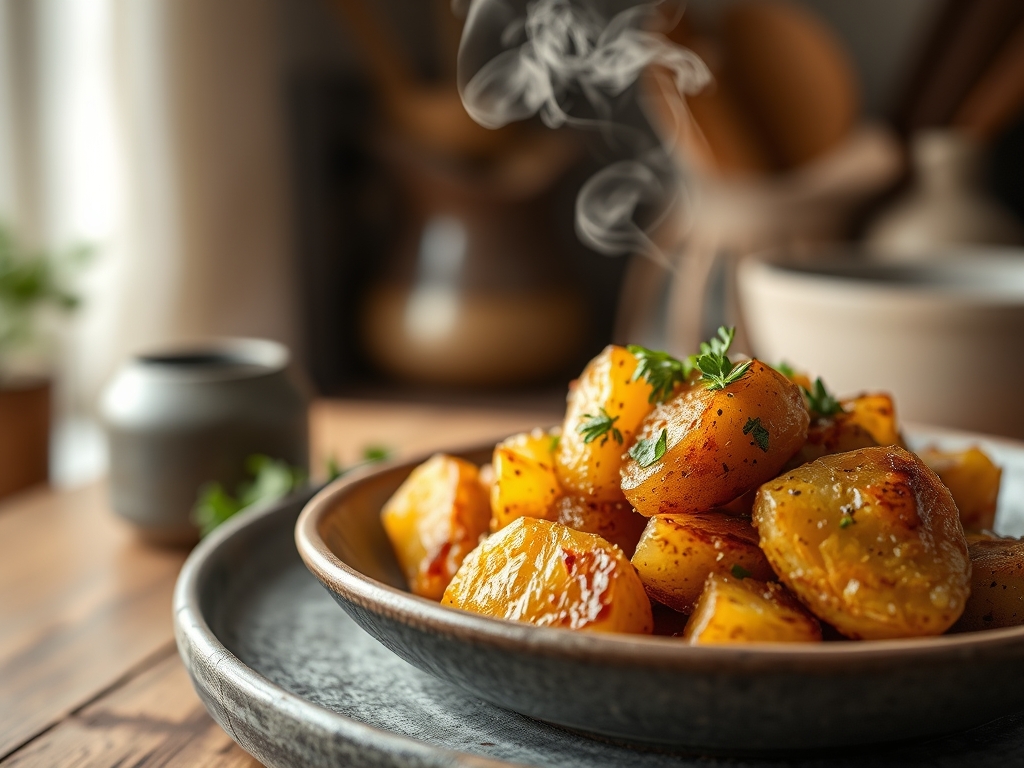
The kitchen is humming with a low, rhythmic heat, and the scent of earth and butter is beginning to bloom. If you have ever felt the crushing weight of a Tuesday evening, you know that the humble tuber is your best friend. Mastering easy slow cooker potato recipes is not just about convenience; it is about the chemistry of comfort. Imagine walking through the door to find a ceramic pot full of starch that has been gently transformed into a velvet masterpiece. We are moving beyond the basic baked potato into a world where low and slow heat creates textures that a high-heat oven simply cannot touch.
The magic happens in the slow breakdown of complex carbohydrates. When you subject a potato to consistent, gentle heat, the pectin in the cell walls softens without the violent agitation of boiling water. This preserves the structural integrity while allowing the interior to become incredibly creamy. It is time to let your appliance do the heavy lifting while you take the credit for a gourmet result. Let us dive into the mechanics of the perfect slow-cooked potato.
The Gathers:
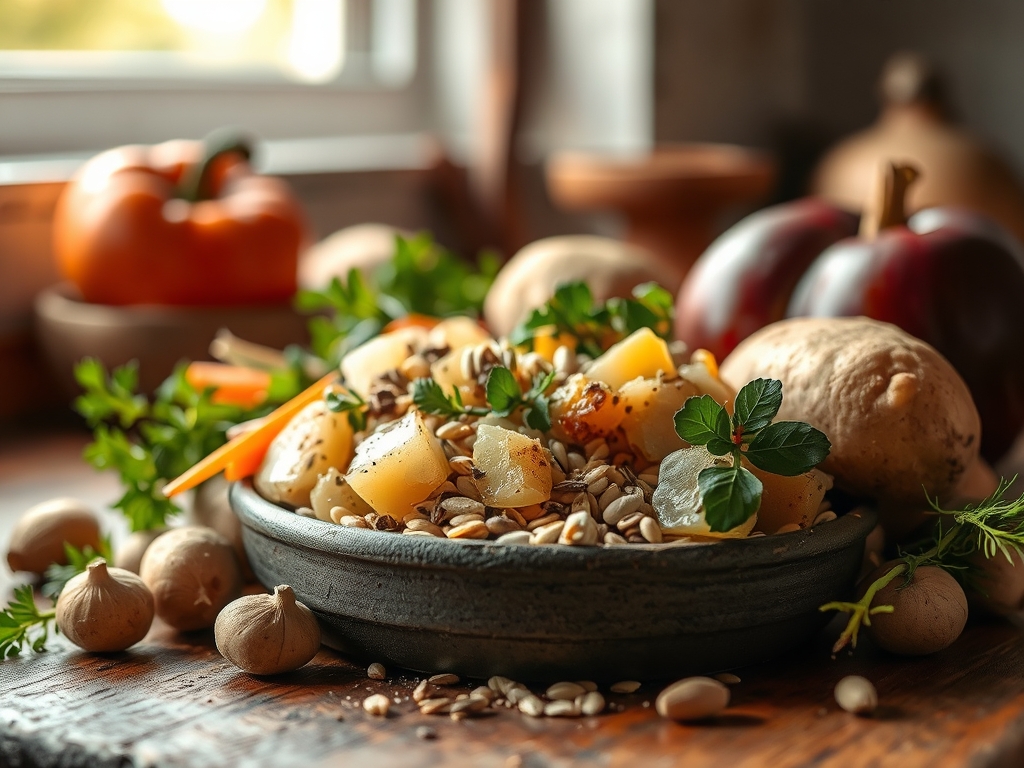
Before we engage the heating element, we must assemble our mise-en-place with precision. Your choice of potato is the most critical variable. For recipes requiring structural stability, such as sliced gratins or herbed wedges, reach for the waxy Yukon Gold. These contain less starch and more moisture, allowing them to hold their shape under prolonged thermal stress. If you are aiming for the ultimate mash or a fluffy loaded potato, the high-starch Russet is your primary tool. Its large starch granules swell and separate, creating that iconic light texture.
Gather your aromatic profile: fresh rosemary sprigs, cloves of garlic crushed with the flat of a chef knife to release essential oils, and high-fat lipids like European-style butter or heavy cream. Using a digital scale ensures your liquid-to-starch ratio remains consistent, preventing a "soupy" finish.
Smart Substitutions:
If you are looking to lighten the profile, swap heavy cream for full-fat Greek yogurt or coconut milk to maintain a viscous mouthfeel. For a piquant kick, replace standard salt with smoked Maldon sea salt or a dash of nutritional yeast to provide a savory, umami depth without the dairy.
The Clock:
Efficiency in the kitchen is defined by the "Chef's Flow." This is the art of overlapping tasks so that no second is wasted.
Prep Time: 15 to 20 minutes. This involves the washing, peeling, and precision cutting using a bench scraper to move your produce efficiently from board to pot.
Cook Time: 4 hours on High or 7 to 8 hours on Low.
The Flow: Start your slow cooker in the morning. While the potatoes undergo their long-term transformation, use your evening "active time" for a quick protein sear or a fresh salad. By the time you reach the final hour, the potatoes are in their carryover cooking phase, meaning they are tender enough to absorb any final infusions of herbs or cheese.
The Masterclass:
1. The Precision Cut
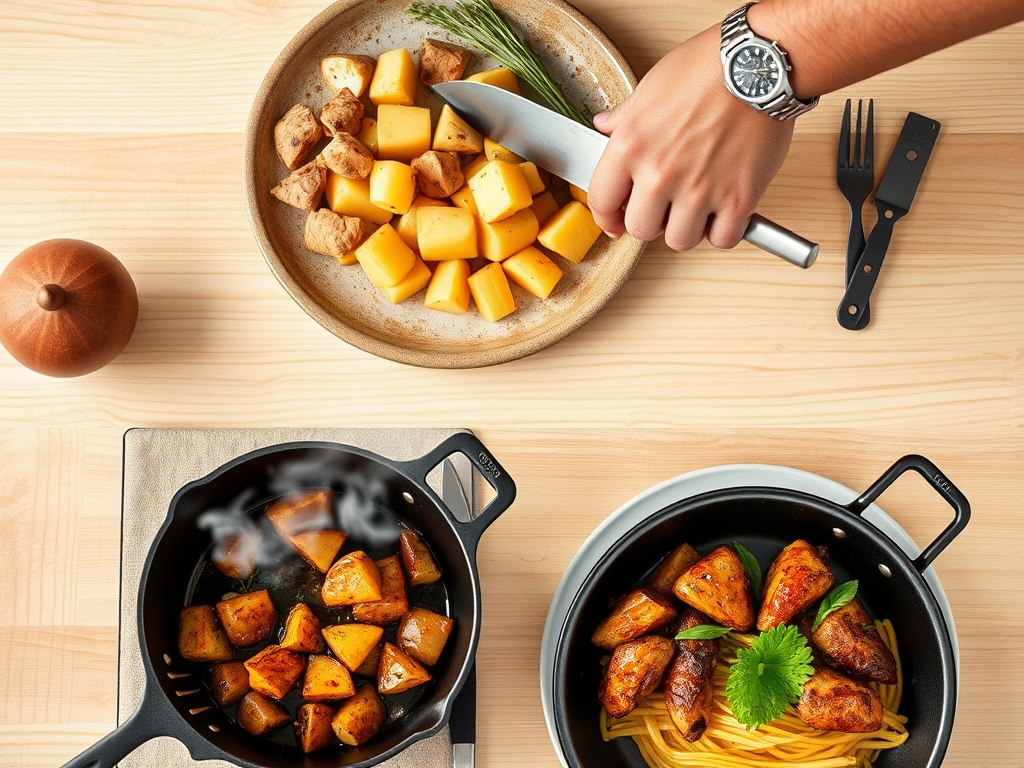
Uniformity is the soul of even cooking. Use a sharp knife or a mandoline to ensure every slice or cube is the same dimension. This prevents the frustration of finding one crunchy piece in a sea of softness.
Pro Tip: Cutting potatoes exposes the cell walls and releases surface starch. To prevent enzymatic browning (oxidation), keep your cut pieces submerged in cold water until the moment they enter the slow cooker.
2. The Lipid Barrier
Before adding any liquid, toss your potatoes in a bowl with melted butter or oil. This coats the exterior and helps regulate the heat transfer during the initial phase of the cook.
Pro Tip: This coating creates a barrier that slows the release of internal moisture, ensuring the potato stays "fluffy" rather than becoming waterlogged through osmosis.
3. The Aromatic Infusion
Layer your aromatics. Place woody herbs like thyme or rosemary at the bottom of the pot where the heat is most intense to infuse the base oils.
Pro Tip: Heat triggers the release of volatile compounds in herbs. By placing them at the heat source, you create a flavored steam that permeates every layer of the dish.
4. The Low and Slow Simmer
Set your cooker to "Low" for the most reliable results. This allows the starch granules to hydrate slowly without bursting, which can lead to a gummy texture.
Pro Tip: Maintaining a temperature below the boiling point prevents the pectin from disintegrating too quickly, which is why slow-cooked potatoes often have a superior "bite" compared to boiled ones.
5. The Aeration Phase
If you are making mashed potatoes, do not just stir. Use a microplane to zest in fresh garlic or cheese, then use a potato masher or a ricer to incorporate air.
Pro Tip: To aerate means to incorporate air bubbles. This physical process, combined with the gentle heat of the slow cooker, creates a mousse-like texture that is impossible to achieve with high-speed blenders.
6. The Maillard Finish
For recipes like roasted wedges, move the potatoes to a heavy-bottomed skillet for a final two-minute sear after they finish in the slow cooker.
Pro Tip: The Maillard reaction requires temperatures above 285 degrees Fahrenheit. A quick pan-sear creates that golden-brown crust and complex flavor that the slow cooker cannot produce alone.
7. The Acid Balance
In the final thirty minutes, add a splash of apple cider vinegar or lemon juice.
Pro Tip: Acid brightens the heavy starches and cuts through the fat of the butter; it acts as a flavor "highlighter" for the entire dish.
8. The Emulsification
When adding cheese or cream at the end, stir slowly in a circular motion to create a stable emulsion.
Pro Tip: Adding cold dairy to hot potatoes can cause the proteins to clump. Temper your cream by warming it slightly before mixing it into the pot.
9. The Steam Release
Once the timer goes off, crack the lid for five minutes before serving.
Pro Tip: This allows excess steam to escape, preventing the "sweat" from dripping back onto the potatoes and diluting your carefully crafted sauce.
10. The Final Seasoning
Always taste and season at the very end. Salt can toughen the skins if added too early in the cooking process.
Pro Tip: Salt interacts with the cellular structure of the potato. Adding it at the end ensures the seasoning sits on the surface of the tongue for maximum impact.
The Deep Dive:
From a nutritional standpoint, potatoes are a powerhouse of potassium and Vitamin C. When cooked in a slow cooker with minimal added water, they retain more of these water-soluble vitamins compared to traditional boiling.
Dietary Swaps:
For a Vegan version, utilize high-quality olive oil and vegetable stock. For Keto enthusiasts, replace half the potatoes with cauliflower florets; they cook at a similar rate and absorb flavors beautifully. All potatoes are naturally Gluten-Free, making this a safe harbor for sensitive guests.
The Fix-It:
- Too Salty: Add a splash of heavy cream or a pinch of sugar to neutralize the sodium perception.
- Too Watery: Remove the lid and cook on high for 30 minutes to evaporate excess moisture; alternatively, stir in a teaspoon of instant potato flakes to act as a binder.
- Gummy Texture: This usually happens from over-mashing. To fix, turn the dish into a gratin by adding cheese and breadcrumbs and browning it under a broiler.
Meal Prep:
To reheat with "day-one" quality, avoid the microwave. Use a saucier over low heat with a tablespoon of milk to restore the creamy emulsion without breaking the fats.
The Wrap-Up:
You are now armed with the technical prowess to turn a bag of spuds into a culinary event. Easy slow cooker potato recipes are the ultimate "set it and forget it" luxury, providing a canvas for your creativity. Whether you are whipping up a garlic-infused mash or a decadent slow-cooked gratin, remember that patience is your most valuable ingredient. Go forth, grab your tongs, and start your slow cooker. Your future, well-fed self will thank you.
The Kitchen Table:
Can I put raw potatoes in a slow cooker?
Yes, raw potatoes are ideal for the slow cooker. Their dense structure benefits from the long, moist heat, which softens the starch without making them fall apart. Just ensure they are cut into uniform pieces for even cooking.
Why are my slow cooker potatoes still hard?
Potatoes remain hard if there is not enough moisture or if the temperature is too low. Ensure your lid is sealed tightly and that you have added a small amount of liquid or fat to facilitate heat transfer.
Do I need to peel potatoes for the slow cooker?
Peeling is optional. Waxy skins on red or Yukon Gold potatoes add texture and nutrients. However, the thick, dusty skin of a Russet is often better removed for a smoother, more refined final dish.
How do I prevent potatoes from turning grey?
Potatoes turn grey due to oxidation. To prevent this, minimize the time between peeling and cooking. You can also add a teaspoon of lemon juice or vinegar to the pot to maintain a bright, creamy color.