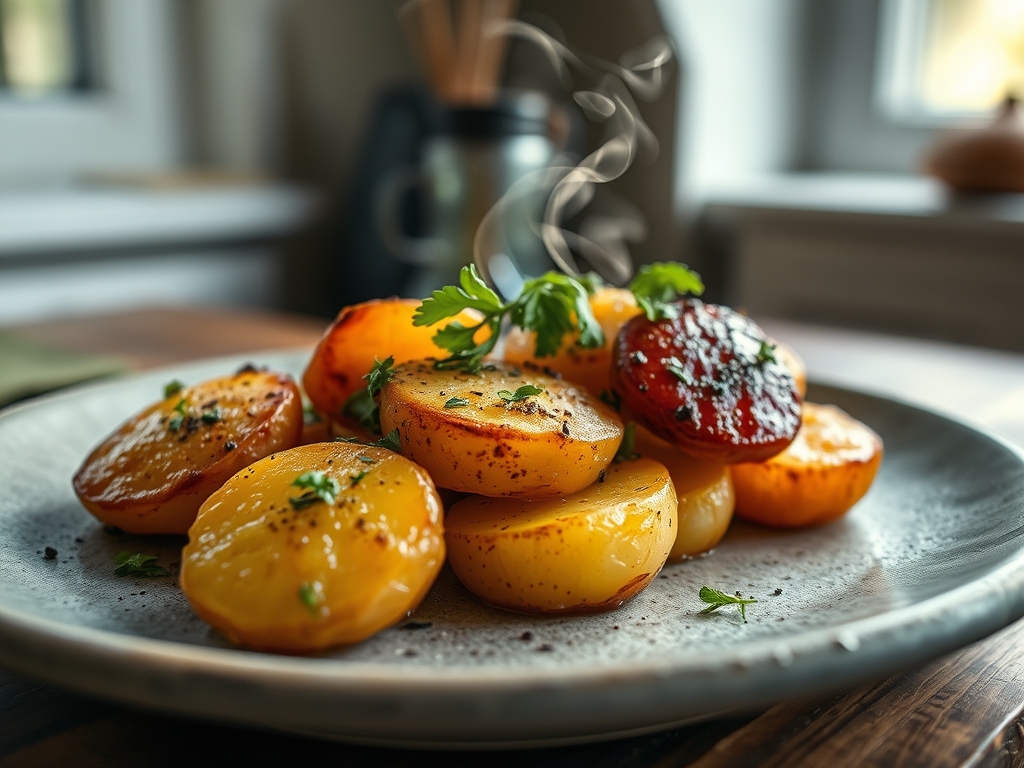
Imagine the scent of rendered duck fat meeting cold rosemary as it hits a searing cast iron surface. That specific, intoxicating aroma is the hallmark of authentic dutch potato recipes. We are moving past the humble boiled spud into a world of shatteringly crisp edges and pillowy, cloud-like interiors. This is dinner, elevated and unapologetic.
The Gathers:
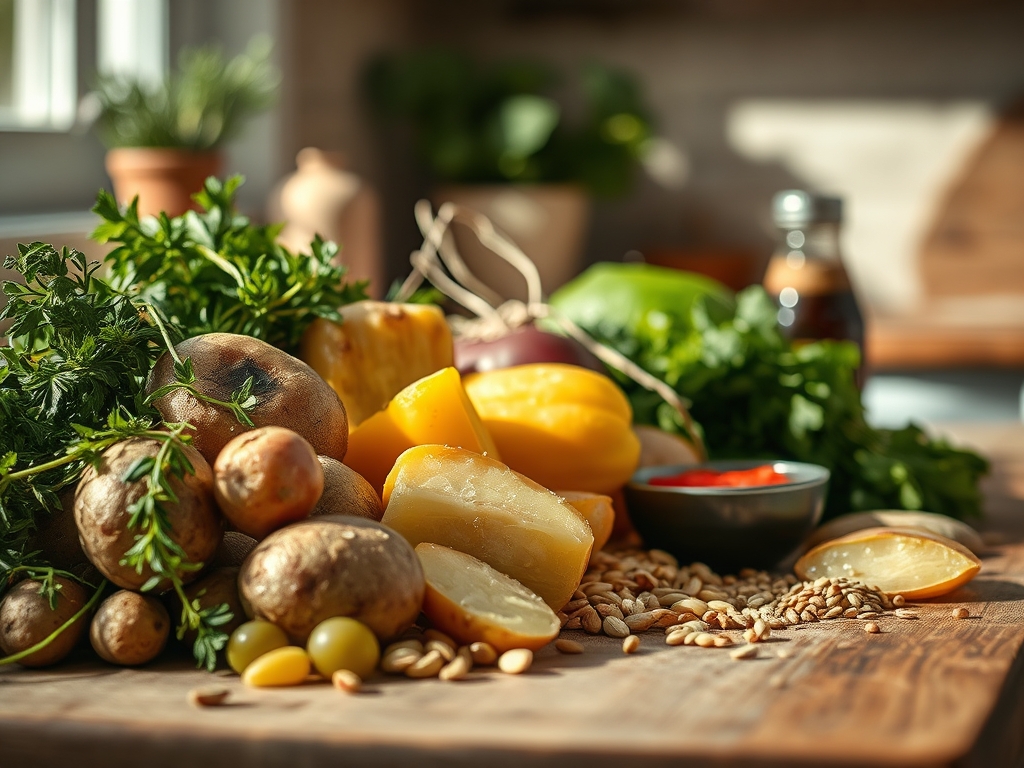
To master these dutch potato recipes, your mise-en-place must be precise. Start with high-starch tubers like Yukon Golds or Russets. High starch content is non-negotiable because the amylose molecules are what create that coveted floury texture inside the roast. You will need a high-quality fat with a high smoke point; think clarified butter (ghee) or duck fat. These fats allow for prolonged exposure to high heat without oxidizing into bitter compounds.
Grab your digital scale to ensure uniformity. You will also need coarse Maldon sea salt for its pyramidal structure, which provides a tactile crunch, and fresh aromatics like garlic cloves and thyme sprigs. For the "Smart Substitutions," if you are avoiding animal fats, use a cold-pressed avocado oil. It possesses a high smoke point and a neutral profile that allows the potato's natural sugars to shine. If you lack fresh herbs, a pinch of smoked paprika can provide a piquant depth that mimics the wood-fired ovens of traditional Dutch countryside kitchens.
The Clock
Efficiency in the kitchen is about managing the "Chef's Flow." Total active prep time is approximately 20 minutes, while the oven does the heavy lifting for 50 to 60 minutes. The flow begins with the "Par-boil Phase" (10 minutes), followed by the "Rough-up" (2 minutes), and finally the "Roast Phase." By overlapping your prep; such as mincing garlic while the water comes to a boil; you minimize downtime. This ensures that the potatoes hit the fat while they are still steaming, which is the secret to a superior crust.
The Masterclass
1. The Precision Cut
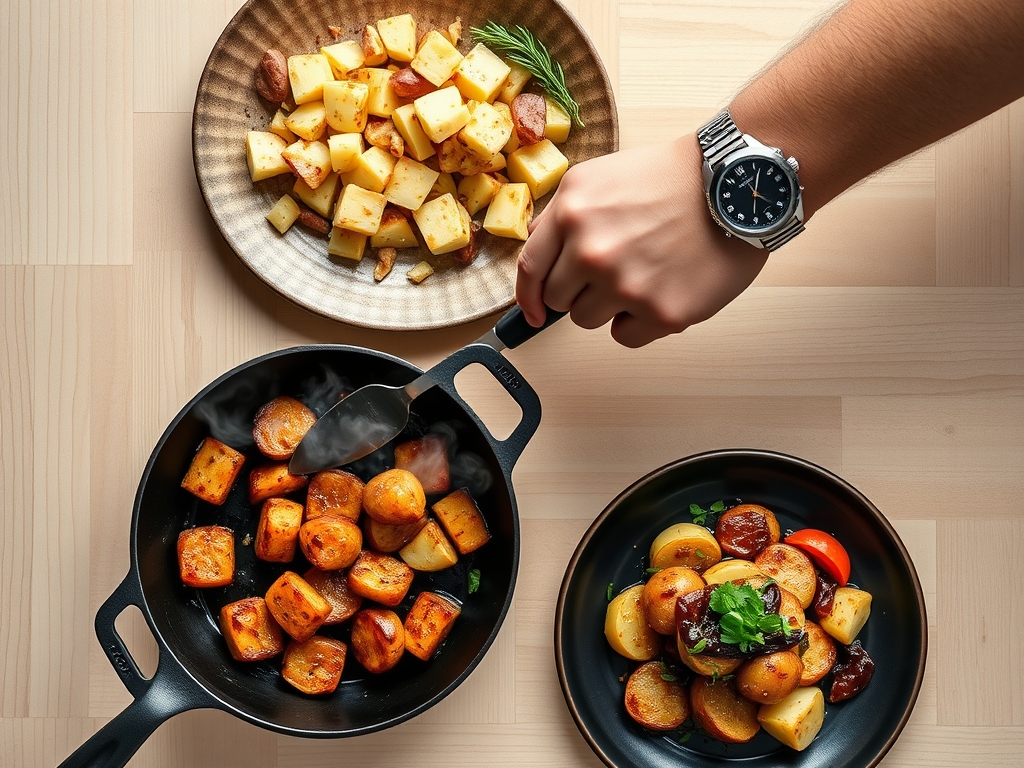
Use a sharp chef's knife to quarter your potatoes into uniform 2-inch chunks. Uniformity is not just for aesthetics; it ensures that every piece reaches the same internal temperature simultaneously.
Pro Tip: Cutting the potatoes increases the surface area to volume ratio. This allows for more Maillard reaction sites, which is the chemical dance between amino acids and reducing sugars that creates the brown, savory crust.
2. The Alkaline Par-Boil
Submerge the chunks in cold, salted water and add a half-teaspoon of baking soda. Bring to a boil and simmer until the edges are just starting to soften but the core remains firm.
Pro Tip: Adding baking soda raises the pH of the water. This breaks down the pectin in the potato skin more effectively, creating a starchy "slurry" on the surface that will eventually crisp up into a glass-like shell.
3. The Rough-Up and Aerate
Drain the potatoes in a colander and let them sit for two minutes to allow steam to escape. Use a bench scraper or simply shake the colander vigorously until the surfaces look fuzzy and mashed.
Pro Tip: This is called "increasing the surface starch." By agitating the exterior, you create a microscopic "shag carpet" of starch that traps the fat, leading to a much thicker, crunchier exterior than a smooth-cut potato could ever achieve.
4. The Fat Infusion
While the potatoes dry, place your heavy-bottomed skillet or roasting pan in a 425 degree oven with your chosen fat. Once the fat is shimmering and wisps of smoke appear, carefully toss the potatoes in.
Pro Tip: This prevents the potatoes from sticking. When the cold starch hits the hot oil, it undergoes instantaneous dehydration, sealing the surface and preventing the potato from absorbing too much grease and becoming heavy.
5. The Aromatics Deglaze
Halfway through the roasting process, use tongs to flip the potatoes. Add your smashed garlic and herbs now. If the pan looks dry, add a tablespoon of butter to emulsify with the existing oils.
Pro Tip: Adding garlic too early leads to pyrolysis (burning), which creates a bitter flavor. Adding it mid-way allows the essential oils in the herbs to infuse the fat without scorching the delicate plant matter.
6. The Final Seasoning
Once the potatoes are a deep mahogany gold, remove them from the oven. Use a microplane to zest a bit of lemon over the top or a sprinkle of fresh parsley to provide an acidic counterpoint to the rich fats.
Pro Tip: This stage utilizes thermal carryover. The potatoes will continue to cook for several minutes after leaving the oven. Resting them for five minutes allows the internal steam to redistribute, ensuring the center stays moist while the shell hardens.
The Deep Dive
From a macro perspective, a standard serving provides roughly 250 calories, 35 grams of complex carbohydrates, and 10 grams of fat. To make this "Keto-friendly," swap the potatoes for cauliflower florets, though the roasting time will decrease significantly. For a "Vegan" version, use a high-quality olive oil and nutritional yeast for a cheesy, savory finish.
The Fix-It:
- Soggy Potatoes: Usually caused by overcrowding the pan. The potatoes "steam" each other. Fix: Use two pans to ensure airflow.
- Burnt Bottoms: This happens when the oven's bottom heating element is too aggressive. Fix: Move the rack to the top third of the oven.
- Bland Interior: The water wasn't salted enough. Fix: Toss the finished roast in a bowl with a splash of vinegar and extra salt while still hot.
Meal Prep: To reheat and maintain "day-one" quality, avoid the microwave. The microwave vibrates water molecules, making the starch retrograde and turn gummy. Instead, use an air fryer or a dry skillet for five minutes to re-crisp the exterior.
The Wrap-Up
Mastering dutch potato recipes is a rite of passage for any home cook looking to dominate the dinner table. It is a perfect marriage of chemistry and comfort. By controlling the pH of your water and the temperature of your fats, you transform a simple root vegetable into a gourmet centerpiece. Go forth, get that "shag" on your spuds, and enjoy the most satisfying crunch of your life!
The Kitchen Table
Why are my roasted potatoes always soft?
Softness usually results from skipping the par-boil or overcrowding the roasting pan. Without par-boiling, the surface starch doesn't break down enough to crisp. Overcrowding traps steam, which prevents the dehydration necessary for a crunchy exterior.
Can I use red potatoes for this recipe?
Red potatoes are "waxy" and have less starch. While they hold their shape well, they will never achieve the same fluffy interior or glass-like crunch as a starchy Yukon Gold or Russet. Stick to high-starch varieties for best results.
What is the best fat for roasting?
Duck fat or beef tallow are the gold standards for flavor and crispness. For a vegetarian option, use clarified butter or avocado oil. Avoid extra virgin olive oil for high-heat roasting as its low smoke point can create bitter flavors.
How do I get the garlic flavor without burning it?
Never add minced garlic at the start of the roast. Instead, add smashed, whole cloves during the last 20 minutes of cooking. This allows the garlic to infuse the oil and soften without turning into bitter, black charcoal bits.