
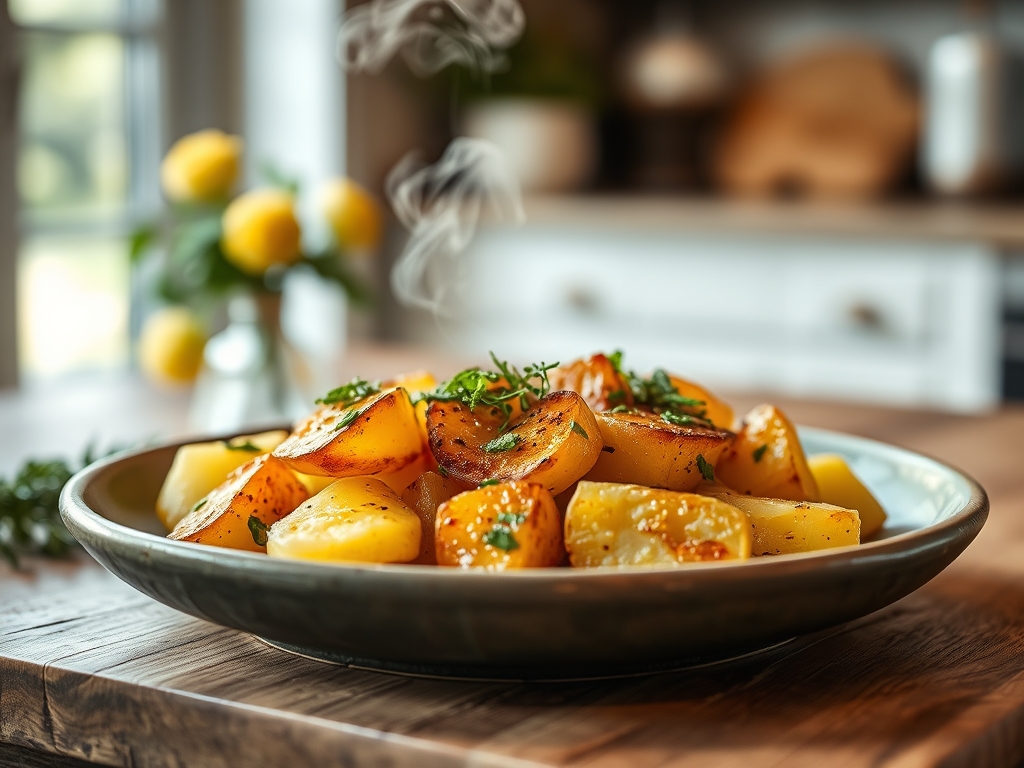
There is a specific, primal frequency that hums through a kitchen when a five pound bag of Russets hits the counter. It is the sound of potential. When you are hunting for the ultimate potato recipes for a crowd, you are not just looking for starch; you are looking for a structural miracle that can withstand the chaos of a dinner party while remaining velvety and decadent. We are moving beyond the humble mash into a realm of culinary architecture where heat, fat, and salt converge to create something legendary.
Think of the potato as a blank canvas with a high glycemic index and an even higher capacity for flavor absorption. Whether we are talking about a shattered salt crust or a layered gratin that defies gravity, the goal is total textural dominance. We want the exterior to shatter like glass while the interior remains a cloud of aerated starch. This is not just cooking; it is edible engineering designed to feed a small army without breaking your spirit or your budget. Let us dive into the chemistry of the perfect spud.
The Gathers:
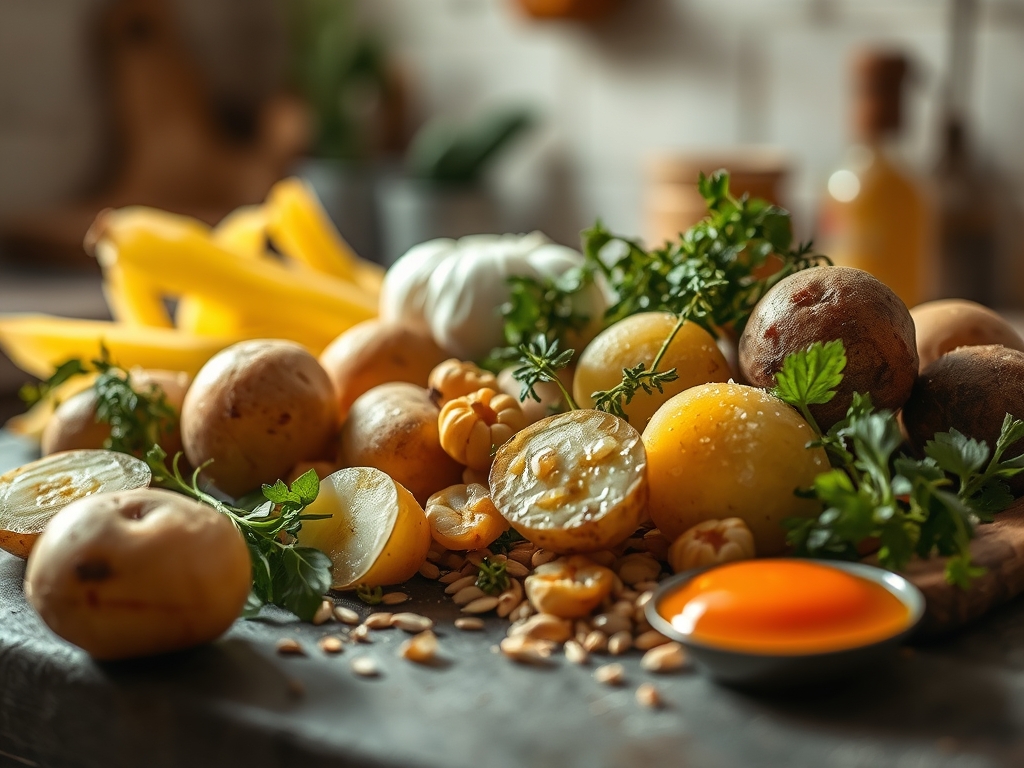
To execute these nine masterpieces, your mise-en-place must be surgical. We start with the amylose-heavy Russet for fluffiness and the waxy Yukon Gold for structural integrity in salads and gratins. You will need a high-quality fat source; think European-style butter with an 82 percent butterfat content to ensure a more viscous mouthfeel. For the aromatics, gather fresh rosemary, thyme, and a bulb of garlic that we will later infuse into our oils.
Smart Substitutions: If you are out of heavy cream, a full-fat coconut milk provides a similar lipid profile without the dairy. For a piquant kick, swap standard table salt for smoked Maldon flakes to add a layer of faux-wood-fire depth. If you lack a mandoline for those paper-thin slices, a sharp bench scraper can help stabilize your potato on the cutting board, though a Japanese mandoline is the professional standard for consistency.
The Clock
Efficiency is the difference between a relaxed host and a frazzled one. This is what we call "Chef's Flow." You must account for thermal lag; the time it takes for a cold potato to reach internal temperature.
- Prep Time: 45 minutes (Involves washing, peeling, and the critical "soak" to remove excess surface starch).
- Active Cook Time: 1 hour (The period where you are managing the Maillard reaction).
- Passive Time: 30 minutes (Resting is non-negotiable to allow the starches to retrogradate).
By staggering your oven racks, you can roast two trays of crispy smashed potatoes while a gratin sets on the lower level. Always use a digital scale to ensure your portions are uniform; this guarantees that every guest gets the same level of caramelization.
The Masterclass
1. The Triple-Cooked Russet Wedge
Start by parboiling your wedges in alkaline water (add a pinch of baking soda). This breaks down the pectin on the surface, creating a fuzzy starch layer that crisps up into a glass-like crust when fried.
Pro Tip: This surface breakdown increases surface area for the Maillard reaction, ensuring a deeper brown color and a more complex flavor profile.
2. The Garlic Infused Confit Spud
Submerge small Yukon Golds in olive oil with smashed garlic and peppercorns. Cook at a low 250 degrees Fahrenheit until tender.
Pro Tip: This process is called confit; the fat replaces the water content in the potato, preventing enzymatic browning and creating a shelf-stable, ultra-rich result.
3. The Hasselback Gratin
Slice potatoes thinly but keep them upright in a heavy-bottomed skillet. Pour over a mixture of cream and Gruyere.
Pro Tip: Keeping the slices vertical allows heat to circulate between the layers, preventing the "steamed" texture often found in traditional layered gratins.
4. The Smashed Salt-Crust Fingerling
Boil fingerlings until tender, then use a bench scraper to flatten them. Sear in a hot pan with duck fat.
Pro Tip: Flattening the potato increases the contact points with the pan, maximizing the conductive heat transfer for a superior crunch.
5. The Aerated Whipped Cloud
Pass boiled Russets through a ricer into a saucier. Incorporate cold butter cubes one by one.
Pro Tip: Using a ricer prevents the over-working of starch molecules; if you over-mix, the potato becomes gluey due to the release of too much amylopectin.
6. The Miso-Butter Roasted Rounds
Toss thick rounds in a slurry of white miso and melted butter. Roast at high heat.
Pro Tip: Miso is rich in amino acids which accelerate browning; watch closely for thermal carryover as the sugars can burn quickly once the pan leaves the oven.
7. The Crispy Lemon-Oregano Greek Potato
Braise the potatoes in chicken stock and lemon juice until the liquid evaporates, leaving only the fat to fry the bottoms.
Pro Tip: The acidity in the lemon juice strengthens the pectin, allowing the potato to hold its shape even after a long braise.
8. The Pommes Anna Stack
Layer clarified butter and thinly sliced potatoes in a circular pattern. Press down with a weight while baking.
Pro Tip: Clarified butter has a higher smoke point than whole butter, allowing for a golden-brown crust without the bitter notes of burnt milk solids.
9. The Smoked Paprika Bravas
Cube and double-fry your potatoes, then toss with a piquant tomato-pimenton sauce.
Pro Tip: The second fry at a higher temperature (375 degrees) expels any internal moisture, ensuring the potato stays crunchy even after being sauced.
The Deep Dive
When feeding a crowd, you must be a nutritional chameleon. A standard serving of these potato recipes for a crowd provides roughly 250 calories, primarily from complex carbohydrates and healthy fats.
Dietary Swaps: For a Keto alternative, use cauliflower florets treated with the same "smashed" technique. For a Vegan crowd, leverage nutritional yeast and extra virgin olive oil to replicate the umami of parmesan and butter. All these recipes are naturally Gluten-Free, provided you avoid flour-based thickeners in your sauces.
The Fix-It:
- The Gluey Mash: If you over-worked the starch, do not add more liquid. Spread it in a dish, top with cheese, and bake it into a casserole to hide the texture.
- The Under-Cooked Center: If the outside is brown but the inside is hard, cover the tray with foil and add a splash of water to create steam.
- The Oversalted Batch: Balance the sodium by adding an acid, like a squeeze of lemon or a teaspoon of sherry vinegar, to brighten the palate.
Meal Prep Science: To reheat, avoid the microwave. It vibrates water molecules, making the starch soggy. Instead, use an air fryer or oven at 350 degrees to re-crisp the exterior through convection.
The Wrap-Up
Mastering potato recipes for a crowd is about understanding the tension between moisture and heat. You are now armed with the technical knowledge to transform a simple root vegetable into a centerpiece that commands respect. Remember: use your tongs to check for resistance, trust your digital scale for consistency, and never underestimate the power of a good rest period. Go forth and conquer the starch world; your guests are waiting.
The Kitchen Table
Can I prep these potatoes the night before?
Yes. Store peeled and cut potatoes in a bowl of cold water with a splash of vinegar. This prevents oxidation and removes excess surface starch, which actually helps them get crispier when you finally cook them the next day.
Why are my roasted potatoes always soggy?
You are likely crowding the pan. If the potatoes are too close, they release steam that gets trapped, effectively boiling them. Use two pans to ensure proper airflow and maximum evaporative cooling for a shattered-glass crust.
What is the best potato for a creamy mash?
The Russet is king for fluffiness because of its high starch content. However, mixing in 25 percent Yukon Gold adds a buttery, yellow hue and a more viscous, luxurious texture that holds up better on a buffet line.
How do I keep potatoes warm for a large party?
Place them in a slow cooker on the "warm" setting with a damp paper towel tucked under the lid. This maintains the humidity without making the potatoes mushy, preserving the cellular structure until it is time to serve.