
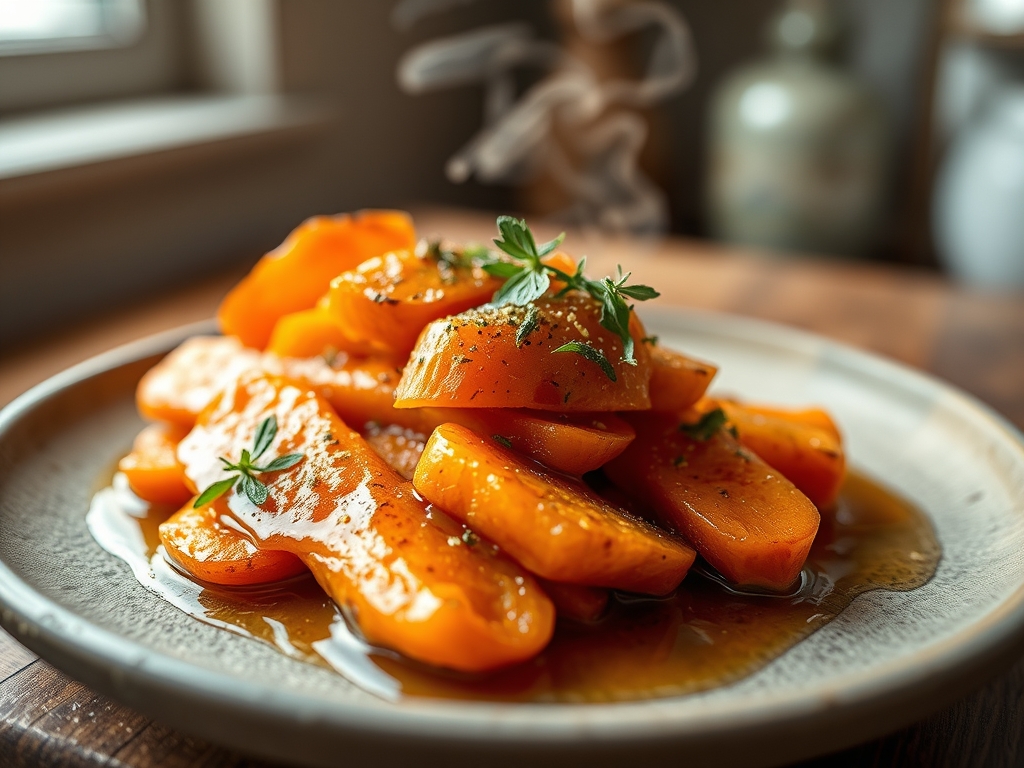
Picture a crisp autumn afternoon where the air carries a hint of woodsmoke and your kitchen is bathed in golden hour light. You are standing over a roasting pan as the scent of caramelizing sugars begins to dance with the earthy, velvet aroma of roasting tubers. Finding the perfect balance in sweet potato recipes with maple syrup is more than just a culinary task; it is a masterclass in flavor architecture. We are moving beyond the marshmallow-topped clichés of the past to embrace a sophisticated, chef-forward approach to these orange gems. Whether you are aiming for a silky puree or a jagged, crispy-edged roast, the marriage of maple and sweet potato relies on the science of sugar concentration and moisture control. Today, we are diving into eight specific hacks that transform this humble root vegetable into a five-star centerpiece. We will explore how to manipulate textures, intensify natural sweetness, and use professional techniques to ensure every bite is a revelation of flavor and technique.
The Gathers:
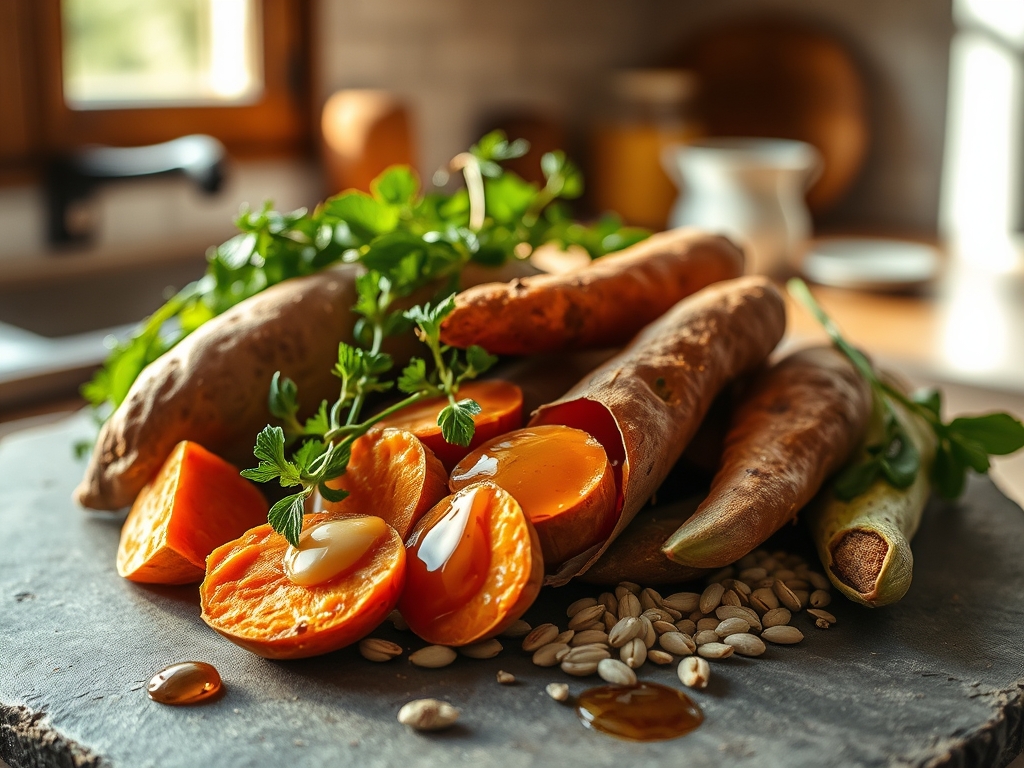
To execute these hacks with precision, your mise-en-place must be intentional. Start with your primary medium: the Beauregard or Jewel sweet potato. These varieties possess a high moisture content and a fibrous structure that breaks down beautifully under heat. You will need Grade A Amber maple syrup for its balanced flavor profile; it provides a viscous sweetness without the overwhelming intensity of darker grades.
Gather your supporting cast: high-fat European butter (which has a lower water content for better browning), flaky Maldon sea salt to provide a textural contrast, and piquant additions like fresh ginger or smoked paprika to cut through the sugar. For the "Smart Substitutions," if you are avoiding dairy, reach for cold-pressed coconut oil to maintain that luxurious mouthfeel. If maple syrup is unavailable, a dark agave nectar or a honey-bourbon reduction can mimic the depth, though the glycemic index and flavor notes will shift. Ensure you have your digital scale ready; measuring by weight rather than volume is the only way to guarantee consistent results in the chemistry of caramelization.
The Clock:
Mastering the "Chef's Flow" is about overlapping tasks to maximize efficiency. Total active preparation for these hacks ranges from fifteen to thirty minutes, while roasting and infusion times can span forty-five minutes to an hour. Start by preheating your oven to 425 degrees Fahrenheit. While the oven reaches its thermal peak, use a bench scraper to organize your chopped potatoes, ensuring uniform sizes for even cooking.
The flow follows a logical progression: prep the aromatics, toss the tubers in their fat and syrup base, and get them into the heat. While the Maillard reaction works its magic in the oven, you can prepare any secondary glazes or garnishes. Remember that timing is not just about the buzzer; it is about observing the physical changes in the vegetable. You are looking for the moment when the edges turn a deep mahogany and the centers become soft and yielding.
The Masterclass:
1. The Par-Boil and Rough-Up
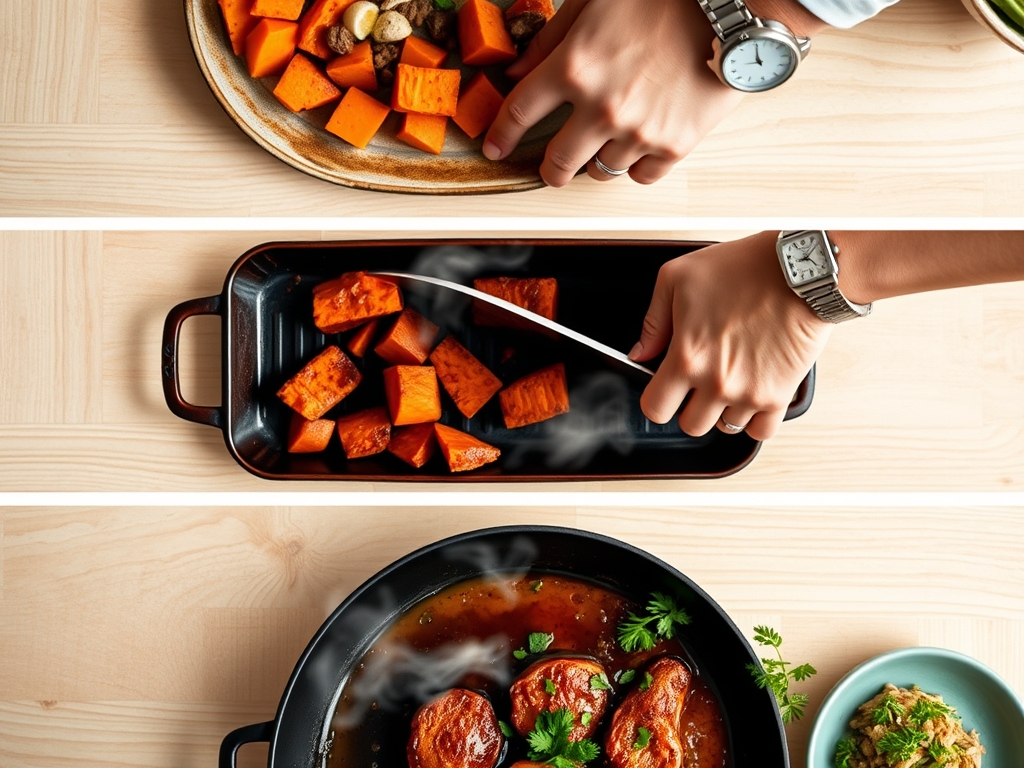
Before roasting, par-boil your sweet potato chunks in salted water for five minutes. Drain them and give them a vigorous shake in the pot to scuff up the exterior surfaces. This creates a starchy "mash" on the outside that, when tossed with maple syrup and oil, fries into an incredibly crunchy crust.
Pro Tip: This technique increases the surface area for the Maillard reaction, the chemical bridge between amino acids and reducing sugars that creates savory, complex flavors.
2. The Microplane Zest Infusion
Never just pour syrup over the potatoes. Instead, grate fresh ginger and orange zest directly into the syrup using a microplane before tossing. The essential oils from the zest infuse the syrup, providing a bright, citrusy counterpoint to the heavy sugars.
Pro Tip: Essential oils are fat-soluble; mixing them with the oil or butter before coating the potatoes ensures the flavor is distributed evenly across every millimeter of the vegetable.
3. The Saucier Reduction
For a glaze that actually sticks, simmer your maple syrup in a saucier with a sprig of rosemary and a knob of butter until it reduces by one-third. This creates a thick, lacquer-like coating that clings to the potatoes rather than pooling at the bottom of the pan.
Pro Tip: Reducing the syrup increases its viscosity through evaporation, concentrating the sucrose molecules so they adhere better via molecular adhesion.
4. The Hasselback Precision
Slice your sweet potatoes into thin fins, stopping just before you hit the bottom. Brush the maple mixture between every single slice. This allows the heat to penetrate the core while creating dozens of crispy edges.
Pro Tip: This method utilizes convection heating more effectively, as the hot air circulates between the slices, cooking the potato from the inside out and the outside in simultaneously.
5. The Salt-Crust Balance
After coating your potatoes in syrup, hit them with a generous dusting of smoked sea salt. The salt does not just season; it acts as a chemical foil to the maple, preventing the dish from becoming cloying.
Pro Tip: Salt suppresses our perception of bitterness and enhances our perception of sweetness, but it also draws out internal moisture through osmosis, helping the exterior crisp up.
6. The Cast Iron Sear
Start your maple-coated potatoes on the stovetop in a heavy-bottomed skillet or cast iron pan. Sear them until the sugars begin to bubble and darken, then move the whole pan into the oven to finish.
Pro Tip: Cast iron has high thermal mass, meaning it holds heat better than stainless steel, providing a consistent sear that prevents the potatoes from sticking as the sugars caramelize.
7. The Aerated Puree
If you are making a mash, use a food mill or a high-speed blender to incorporate the maple syrup and browned butter. This incorporates air, making the dense potato feel light and cloud-like on the tongue.
Pro Tip: To aerate a puree is to create a stable foam of starch and fat; the air bubbles lighten the perceived density of the dish, making it feel more elegant.
8. The Carryover Glaze
Apply a final brush of fresh maple syrup exactly two minutes before pulling the potatoes from the oven. This creates a "glass" finish that stays shiny and tacky rather than drying out.
Pro Tip: This utilizes thermal carryover; the internal heat of the potato will continue to cook the final layer of syrup even after it is removed from the direct heat source.
The Deep Dive:
When we look at the macro nutrition, sweet potatoes are a powerhouse of complex carbohydrates and Vitamin A. Adding maple syrup does increase the sugar content, but it also provides trace minerals like manganese and zinc. For those with dietary restrictions, these hacks are incredibly versatile. To make this vegan, simply swap butter for a high-quality avocado oil. For a lower-glycemic version, use a monk-fruit based maple substitute, though you will lose some of the traditional caramelization properties.
"The Fix-It" section: If your potatoes are mushy, you likely overcrowded the pan, which caused them to steam rather than roast; spread them out across two pans next time. If the syrup is burning, your oven temperature is too high for the sugar's burn point; drop the heat by twenty-five degrees and tent with foil. If the flavor is flat, you are missing acidity; a teaspoon of apple cider vinegar whisked into the glaze will brighten the entire profile. For meal prep, reheat your potatoes in an air fryer or a dry skillet to re-crisp the sugars; avoid the microwave, as it turns the caramelized maple into a soggy mess.
The Wrap-Up:
You now have the technical blueprint to turn a simple root vegetable into a culinary masterpiece. By understanding the relationship between heat, sugar, and moisture, you can manipulate sweet potato recipes with maple syrup to suit any occasion. From the crunch of a par-boiled roast to the silkiness of an aerated puree, these hacks are about elevating your kitchen game with confidence and wit. Now, grab your tongs, fire up that oven, and let the caramelization begin. Your kitchen is about to smell like absolute heaven.
The Kitchen Table:
How do I prevent the maple syrup from burning in the oven?
Keep your roasting temperature at or below 425 degrees Fahrenheit. If the sugars darken too quickly, tent the pan with aluminum foil to reflect radiant heat while allowing the interior of the potatoes to finish cooking through conduction.
Which sweet potato is best for roasting with syrup?
The Beauregard variety is ideal because of its high sugar content and moist flesh. It complements the maple syrup perfectly and achieves a creamy interior texture that contrasts beautifully against a caramelized, crispy exterior skin.
Can I make these maple sweet potatoes ahead of time?
Yes, you can roast them up to two days in advance. To maintain "day-one" quality, reheat them in a 400-degree oven for ten minutes. This re-crystallizes the sugars and restores the structural integrity of the potato crust.
What is the best way to cut sweet potatoes for even cooking?
Use a sharp chef's knife and a bench scraper to ensure all pieces are uniform cubes of approximately one inch. Uniformity ensures that every piece reaches the ideal internal temperature at the exact same time, preventing burnt edges.