
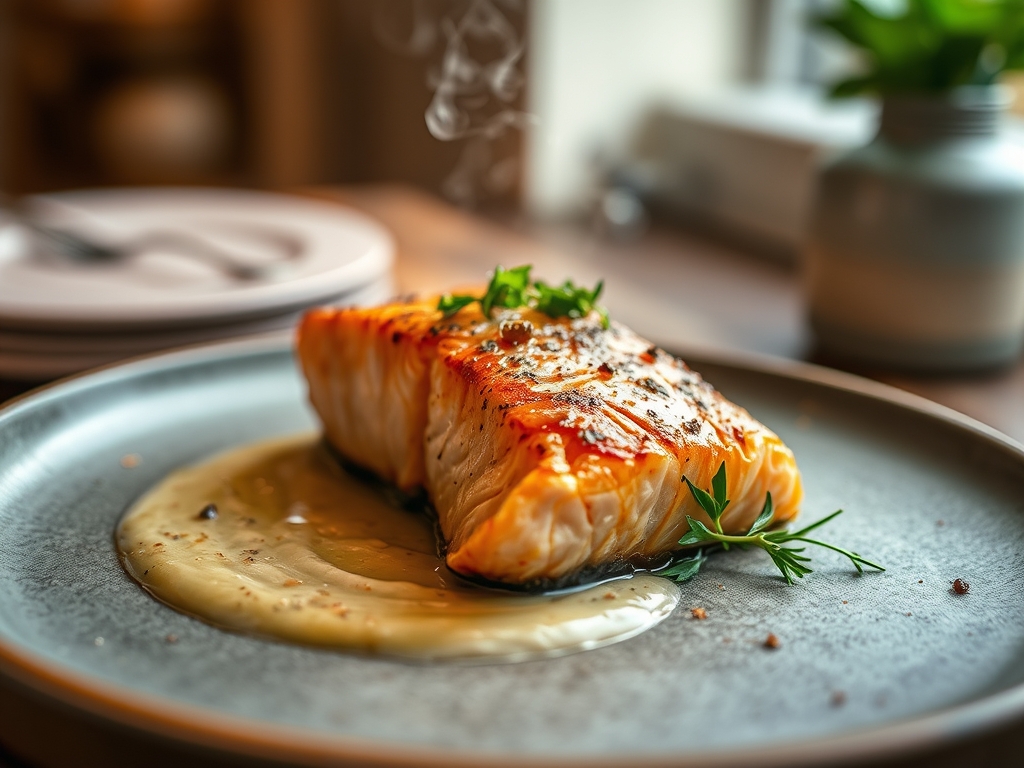
Imagine the sizzle of a cold fillet hitting a searing cast iron grate; the sound is a chemical chorus of moisture meeting extreme heat. When you master bobby flay salmon recipes, you are not just cooking; you are orchestrating a complex series of thermal reactions that turn a simple protein into a masterpiece of texture. The air fills with the scent of woodsmoke and caramelizing fats, a piquant aroma that signals the start of a perfect summer evening.
We are chasing that elusive combination of a shatteringly crisp skin and a center that remains succulent, translucent, and buttery. Bobby Flay is the undisputed king of the grill because he understands the balance of "crunch and punch." This means high heat for texture and bold, acidic glazes for flavor. Today, we are diving deep into the molecular mechanics of the grill to ensure your salmon never sticks, never dries out, and always commands the table. Grab your digital thermometer and your favorite apron; we are about to elevate your backyard game to professional standards.
The Gathers:
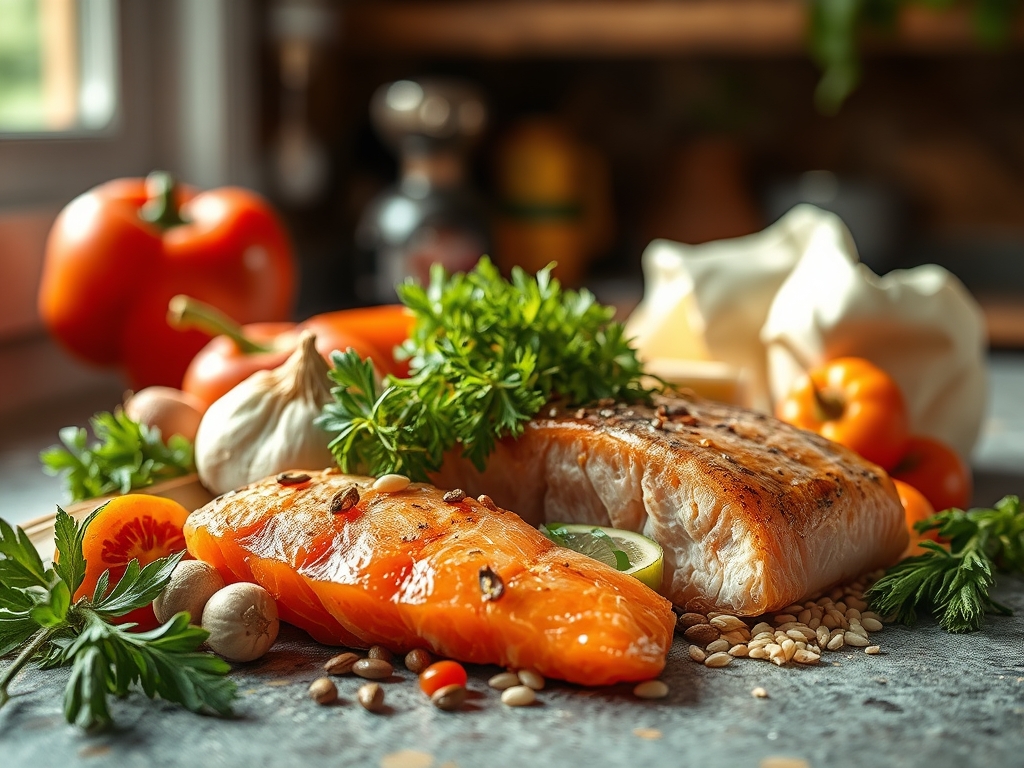
To execute these bobby flay salmon recipes with precision, your mise-en-place must be flawless. Start with center-cut Atlantic or King salmon fillets, ideally weighing six to eight ounces each. Use a digital scale to ensure uniformity, which guarantees consistent cooking times across the batch. You will need a high-smoke-point oil, such as grapeseed or avocado oil; avoid extra virgin olive oil for the initial sear, as its low smoke point will result in a bitter, acrid flavor profile.
For the signature Flay "punch," gather fresh limes for zest, clover honey for viscosity, and chipotle in adobo for a smoky heat. Use a microplane to shave the zest finely, releasing the essential oils without the bitter white pith. If you are looking for smart substitutions, swap honey for agave nectar to lower the glycemic index, or use tamari instead of soy sauce for a gluten-free profile. Always have a bowl of flaky sea salt ready; the coarse grains provide a structural crunch that fine table salt simply cannot replicate.
The Clock: Mastery of the Chef's Flow
Efficiency in the kitchen is about managing the "Chef's Flow," which is the sequence of tasks that minimizes downtime and maximizes heat retention. Total preparation time is approximately 15 minutes, primarily focused on tempering the fish and whisking the glaze. The actual cook time is remarkably brief; usually between 8 and 10 minutes depending on the thickness of the fillet.
The flow begins by removing the salmon from the refrigerator 20 minutes before it touches the grill. This allows the internal temperature to rise, preventing a "cold core" once the exterior is seared. While the fish tempers, you will prepare your glazes and clean your grill grates. Remember, the grill must preheat for at least 15 minutes. A common amateur mistake is rushing the preheat; a truly hot grate is the only way to achieve the Maillard reaction without the protein bonding to the metal.
The Masterclass:
1. Temper and Desiccate the Surface
Before any seasoning touches the fish, use a paper towel to pat the skin and flesh bone-dry. Moisture is the enemy of a sear; any surface water will turn to steam, boiling the fish instead of crisping it.
Pro Tip: This process is about surface tension. By removing moisture, you allow the oil to create a thin, conductive layer that transfers heat directly into the skin for a potato-chip-like crunch.
2. High-Heat Lubrication
Brush the salmon lightly with your high-smoke-point oil and season aggressively with kosher salt. Do not use pepper yet; black pepper can burn and become bitter at high grilling temperatures.
Pro Tip: Salt acts as a denaturant. It begins to break down the surface proteins, which allows for a tighter, more even crust to form during the first 60 seconds of contact.
3. The Initial Contact
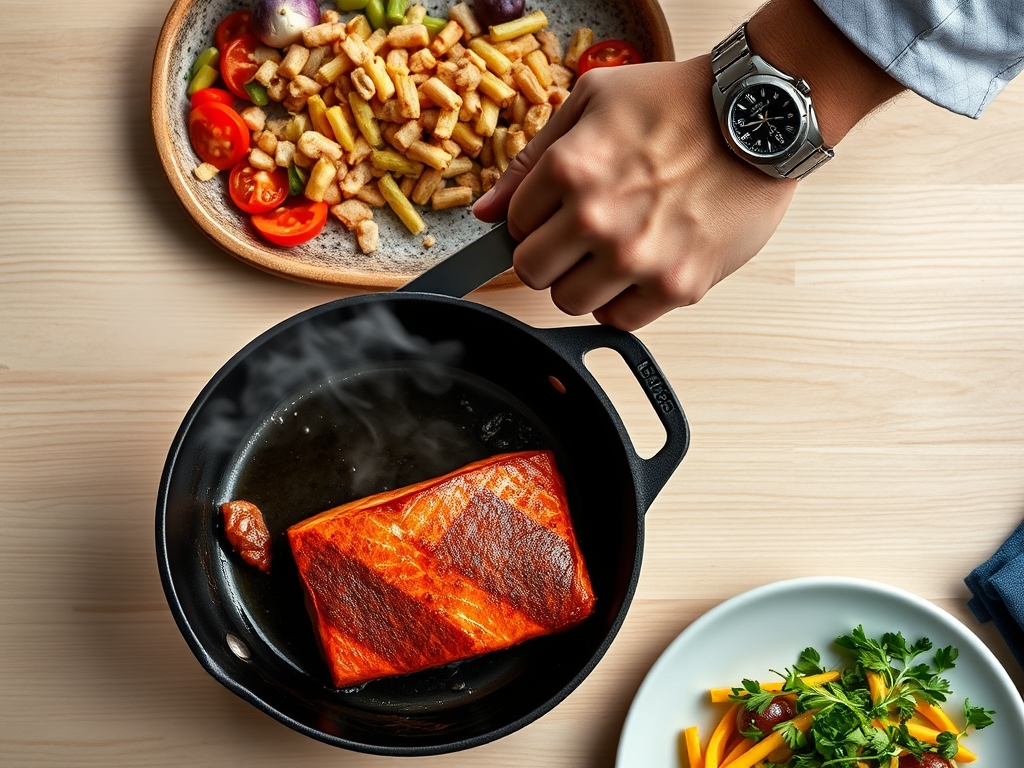
Place the salmon skin-side down on the hottest part of the grill. Use a fish spatula or offset turner to press down firmly for ten seconds. This prevents the skin from curling as the collagen fibers contract.
Pro Tip: This is the Leidenfrost effect in reverse. By pressing the fish, you ensure maximum surface contact, which facilitates the rapid rendering of subcutaneous fat.
4. The Patience Phase
Leave the fish alone. Do not move it, poke it, or slide it for at least four minutes. The fish will naturally "release" from the grate once the proteins have sufficiently coagulated and charred.
Pro Tip: This is known as adhesion failure. When the crust is fully formed, the chemical bonds between the fish and the metal grate naturally break, signaling it is time to flip.
5. The Flip and Glaze
Flip the salmon gently using your tongs and a spatula for support. Immediately brush the seared skin side with your prepared glaze. The residual heat will cause the sugars in the glaze to bubble and thicken.
Pro Tip: This is caramelization. The sugars in the honey or agave react with the heat to create a viscous, mahogany coating that clings to the crispy skin.
6. Managing Thermal Carryover
Remove the salmon from the grill when the internal temperature reaches 125 degrees Fahrenheit for medium-rare. Place it on a warm platter and let it rest for three to five minutes.
Pro Tip: Thermal carryover will cause the internal temperature to rise another 5 to 7 degrees while resting. Pulling it early ensures the center remains moist rather than chalky.
The Deep Dive: Science and Solutions
From a macro perspective, grilled salmon is a nutritional powerhouse, offering high concentrations of Omega-3 fatty acids and approximately 25 grams of protein per serving. For keto followers, omit the honey in the glaze and substitute with a monk fruit sweetener or simply use a compound butter infused with herbs and lemon. Vegan guests can enjoy the same flavor profile by applying these techniques to thick-cut cauliflower steaks or firm tofu, though the cook times will vary.
Even pros face pitfalls. If your fish is sticking, your grill likely was not hot enough or the grates were not clean; use a wire brush and a lightly oiled cloth to "season" the grates before cooking. If you see white "beads" appearing on the salmon, that is albumin, a protein that gets pushed out when the fish cooks too fast or too long. To fix this, lower your heat slightly and ensure you pulled the fish at the correct internal temperature. For meal prep, never reheat salmon in a microwave. Instead, use a low-temperature oven (275 degrees) with a splash of water covered in foil to rehydrate the proteins without toughening them.
The Wrap-Up:
Mastering bobby flay salmon recipes is about embracing the fire with confidence and scientific precision. By focusing on the dry surface, the high-heat sear, and the patience to let the Maillard reaction do its work, you transform a standard dinner into a culinary event. These techniques ensure that every bite is a harmony of smoke, salt, acid, and fat. Now that you have the blueprint, fire up those coals and get grilling!
The Kitchen Table:
How do I stop salmon from sticking to the grill?
Ensure the grill grates are scrubbed clean and preheated for 15 minutes. Pat the salmon completely dry and coat it with a high-smoke-point oil. Do not attempt to flip the fish until it naturally releases from the metal.
What is the best internal temperature for grilled salmon?
For a moist, restaurant-quality texture, pull the salmon off the grill when it hits 125 to 130 degrees Fahrenheit. The temperature will continue to rise to a perfect 135 degrees while the fish rests on the plate.
Can I leave the skin on the salmon?
Yes, keeping the skin on is highly recommended. It acts as a protective thermal barrier, preventing the delicate flesh from overcooking, while providing a delicious, crispy texture that contrasts beautifully with the soft interior of the fish.
Why does my salmon have white stuff on it?
The white substance is albumin, a liquid protein that solidifies when squeezed out of the muscle fibers. It usually appears when the salmon is cooked too quickly or becomes overdone. Pulling the fish at 125 degrees minimizes this.