
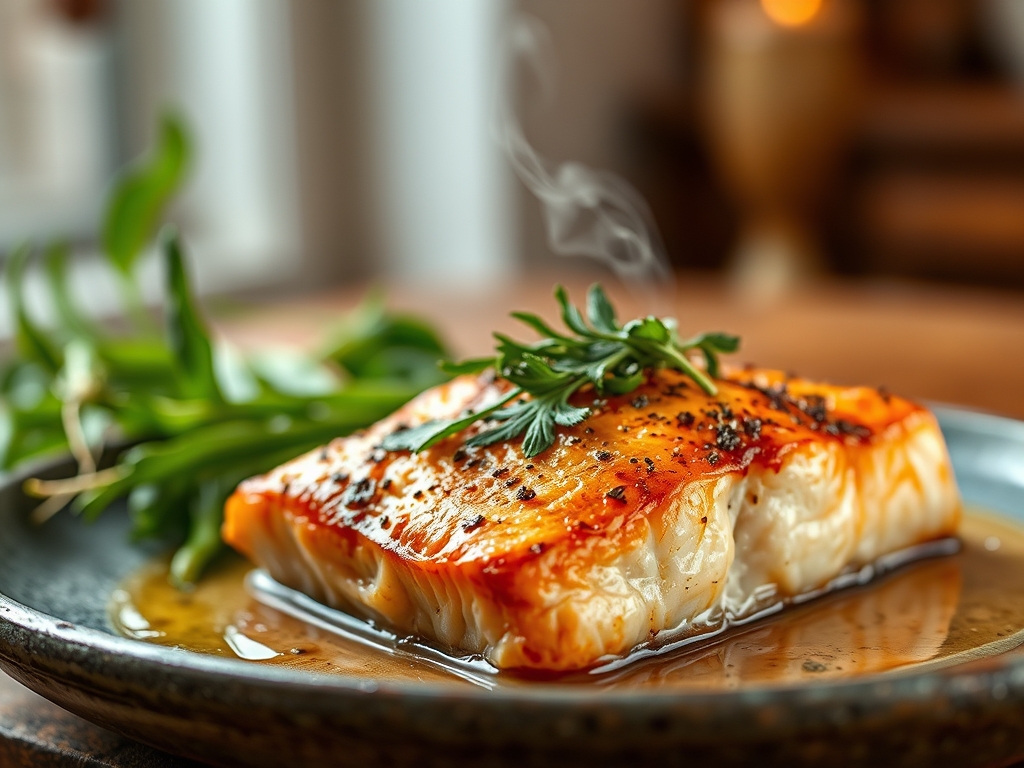
Picture a six pound side of Atlantic salmon resting on your counter; its flesh is a shimmering mosaic of coral and silver. When you master whole baked salmon recipes, you transition from a home cook to a culinary architect. The scent of rendering fats and toasted aromatics fills the air, promising a centerpiece that is both decadent and effortless.
The secret to a perfect roast lies in the tension between heat and moisture. We are not just cooking fish; we are managing a delicate protein structure to ensure every bite is buttery and translucent. Whether you are hosting a festive gala or a high protein Sunday dinner, these techniques will elevate your kitchen game. We will explore eight distinct flavor profiles, from a miso-glazed umami bomb to a classic citrus and dill infusion. By understanding the molecular behavior of omega-3 fatty acids and the precision of thermal carryover, you will never serve a dry piece of fish again. Let us dive into the gear, the chemistry, and the soul of the perfect bake.
The Gathers:
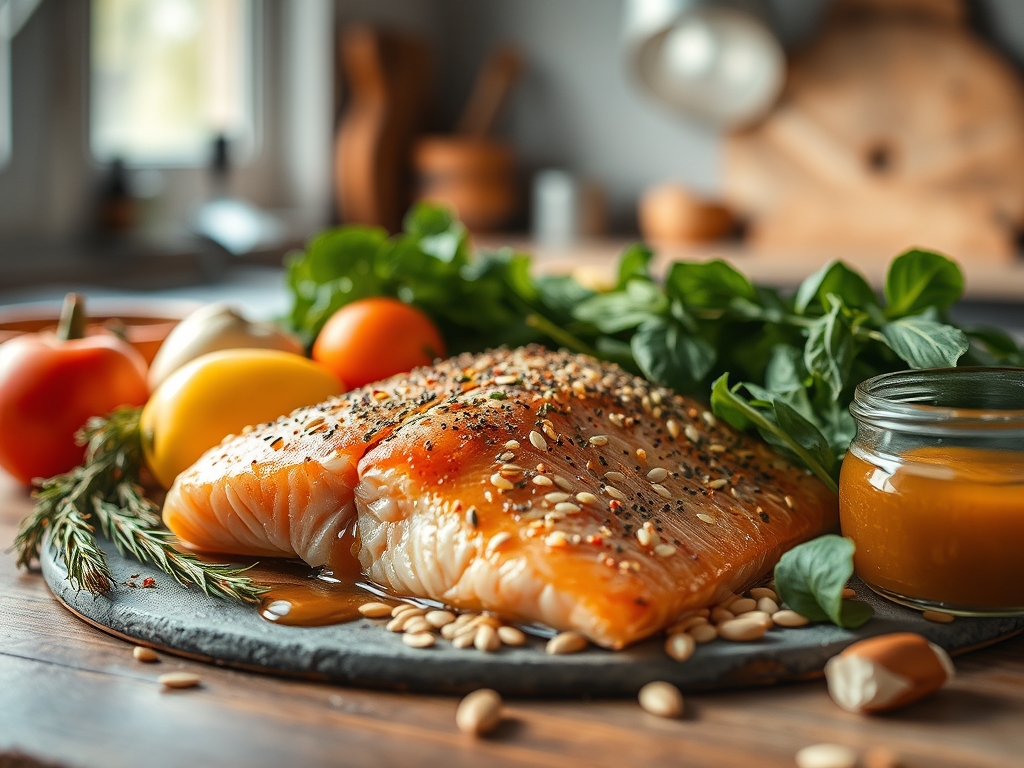
To execute these whole baked salmon recipes, your mise-en-place must be clinical. Start with a high-quality side of salmon, preferably skin-on to provide a thermal buffer against the baking sheet. You will need a microplane for zesting citrus and grating fresh ginger into a fine, aromatic paste. A digital scale is essential for measuring your salt crust or glaze ingredients, as volumetric measurements can be wildly inconsistent.
Gather your aromatics: fresh sprigs of dill, thinly sliced Meyer lemons, and smashed garlic cloves. For the fat component, choose between a viscous extra virgin olive oil or clarified butter. Clarified butter is superior for high-heat finishes because the milk solids have been removed, preventing premature scorching.
Smart Substitutions: If you are avoiding honey in a glaze, use maple syrup or a balsamic reduction to provide the sugars necessary for the Maillard reaction. If fresh herbs are unavailable, use a high-quality freeze-dried alternative, but reduce the volume by half. For a dairy-free "creamy" element, a dollop of tahini provides a nutty, savory depth that mimics the mouthfeel of heavy cream without the lactose.
The Clock
Efficiency in the kitchen is about "Chef's Flow." You should spend twenty minutes on prep and approximately fifteen to twenty-five minutes on the actual bake, depending on the thickness of the fillet. The total investment is under forty-five minutes.
The flow begins with bringing your fish to room temperature for fifteen minutes. This prevents "thermal shock," where the exterior overcooks while the center remains icy. While the fish tempers, preheat your oven to 375 degrees Fahrenheit. Use this time to prepare your glazes in a small saucier or to chop your herb garnishes with a sharp chef's knife. Once the fish enters the oven, your only job is to monitor the internal temperature with a digital probe.
The Masterclass
1. The Surface Prep
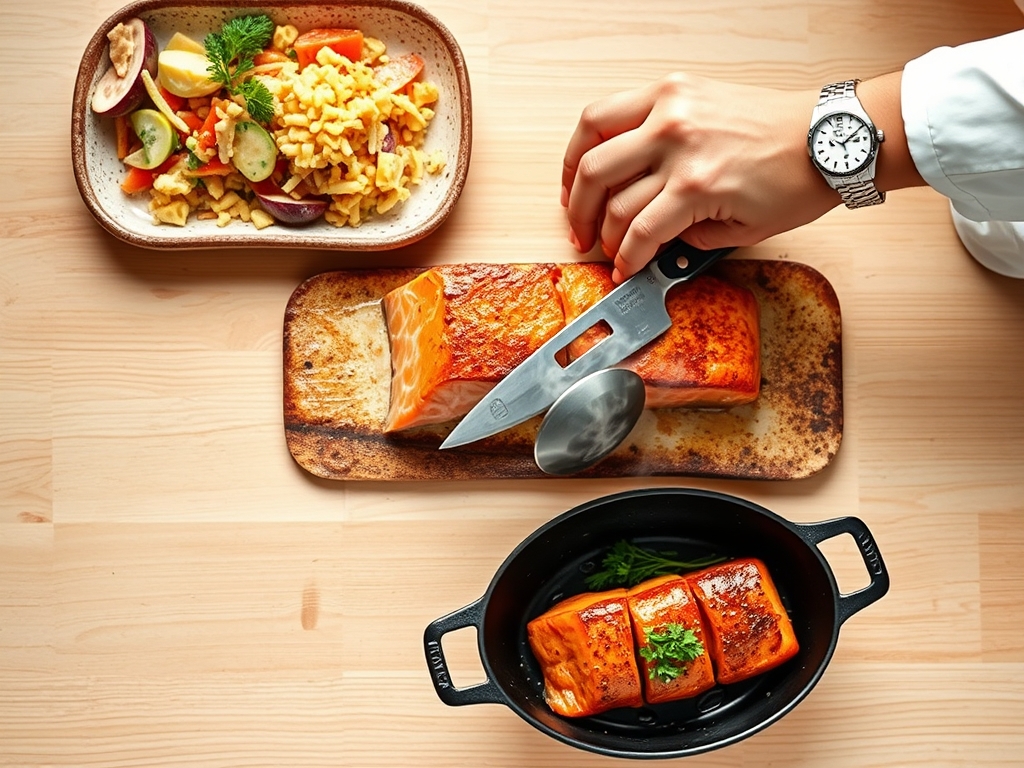
Pat the salmon completely dry using paper towels. Moisture is the enemy of texture; any residual water on the surface will create steam, leading to a gray, rubbery finish rather than a vibrant roast.
Pro Tip: This process is called surface dehydration. By removing external moisture, you allow the heat to immediately begin breaking down proteins and caramelizing sugars rather than wasting energy evaporating water.
2. The Seasoning Layer
Season the fish aggressively with kosher salt from a height of twelve inches to ensure even distribution. Apply your fats and aromatics, ensuring the thickest part of the fillet is well-coated.
Pro Tip: Salt acts as a denaturant. It begins to dissolve some of the tightly wound protein strands, allowing them to retain more moisture during the cooking process, resulting in a more succulent interior.
3. The Controlled Bake
Slide the tray into the center rack. If you are using a glaze, apply it during the final five minutes of cooking to prevent the sugars from burning before the fish is done.
Pro Tip: Use a digital thermometer to pull the salmon at 125 degrees Fahrenheit. Even though the target is 135 degrees, the thermal carryover will continue to raise the internal temperature after it leaves the oven.
4. The Rest Period
Transfer the salmon to a wooden board using wide tongs or a fish spatula. Let it rest for at least five to seven minutes before slicing.
Pro Tip: Resting allows the viscosity of the internal juices to increase as they redistribute. If you cut it immediately, the moisture will leak out, leaving the fibers dry and constricted.
The Deep Dive
Macro Nutrition: Salmon is a nutritional powerhouse. A standard six-ounce serving provides roughly 34 grams of protein and 22 grams of healthy fats. It is rich in Vitamin B12 and Selenium, making it a functional food for brain health and metabolic function.
Dietary Swaps: For a Keto version, swap sugary glazes for a lemon-butter-caper sauce. Vegan guests can enjoy the same flavor profiles on a "filet" of roasted cauliflower or firm tofu. For a Gluten-Free crunch, replace breadcrumb toppings with crushed walnuts or almond flour mixed with herbs.
The Fix-It:
- White Stuff (Albumin): If white beads appear on the surface, your heat is too high. The protein is contracting too fast and squeezing out liquid. Lower the temp next time.
- Soggy Skin: If the skin is limp, finish the fish under the broiler for sixty seconds to render the remaining fat.
- Uneven Cooking: If the tail is drying out while the center is raw, tuck the thin tail underneath itself to create a uniform thickness.
Meal Prep: To reheat without losing quality, avoid the microwave. Use a low-temperature oven (275 degrees) with a splash of water or broth in the pan, covered with foil. This creates a gentle steam bath that restores the fish to its original "day-one" flake.
The Wrap-Up
Mastering whole baked salmon recipes is about more than just a meal; it is about understanding the harmony of heat, fat, and timing. You now have the technical vocabulary and the scientific foundation to produce a restaurant-quality roast in your own sanctuary. Go forth, grab your microplane, and turn that coral fillet into a masterpiece. Your guests, and your palate, will thank you.
The Kitchen Table
How do I tell if the salmon is done without a thermometer?
Press the thickest part of the fish with a fork or finger. If the flesh separates easily along the natural white lines (the fat layers) and looks opaque rather than translucent, it is ready to rest.
Why is my salmon leaking white liquid?
That white substance is albumin, a protein that pushes to the surface when the fish cooks too quickly. To prevent this, cook at a lower temperature and ensure the fish reaches room temperature before baking.
Can I bake a whole salmon from frozen?
It is not recommended for a whole side. Thawing ensures even heat distribution. If you must, use a very low temperature and expect a significant loss in texture and moisture as the ice crystals damage the cell walls.
What is the best way to store leftovers?
Place the cooled salmon in an airtight glass container. It stays fresh for up to three days. For the best experience, flake the cold leftovers over a salad or into a quick pasta rather than overheating the delicate fats.