
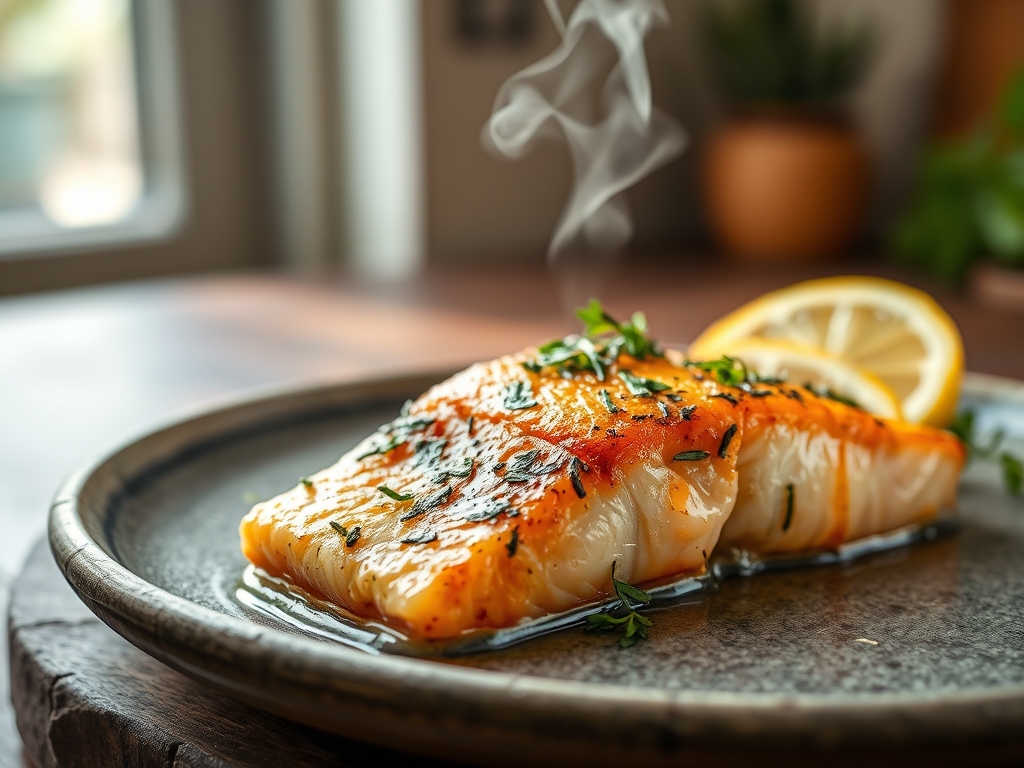
Picture the sizzle as cold, marbleized fat hits a searing heavy-bottomed skillet. The air instantly fills with the bright, piquant scent of citrus zest and the earthy perfume of bruised rosemary. Mastering lemon herb salmon recipes is less about following a script and more about conducting a symphony of heat, acid, and lipid chemistry. We are aiming for that glass-like skin and a translucent, buttery center that flakes at the mere suggestion of a fork.
This is not just another weeknight dinner; it is a masterclass in texture. When you balance the sharp acidity of a lemon with the volatile oils found in fresh herbs, you create a chemical reaction that cuts through the richness of the fish. We are going to dive deep into the molecular mechanics of why some salmon stays succulent while others turn into dry, chalky pucks. Grab your favorite apron and a glass of crisp white wine. We are about to transform your kitchen into a high-end bistro where the "lemon herb salmon recipes" are the undisputed stars of the show.
The Gathers:
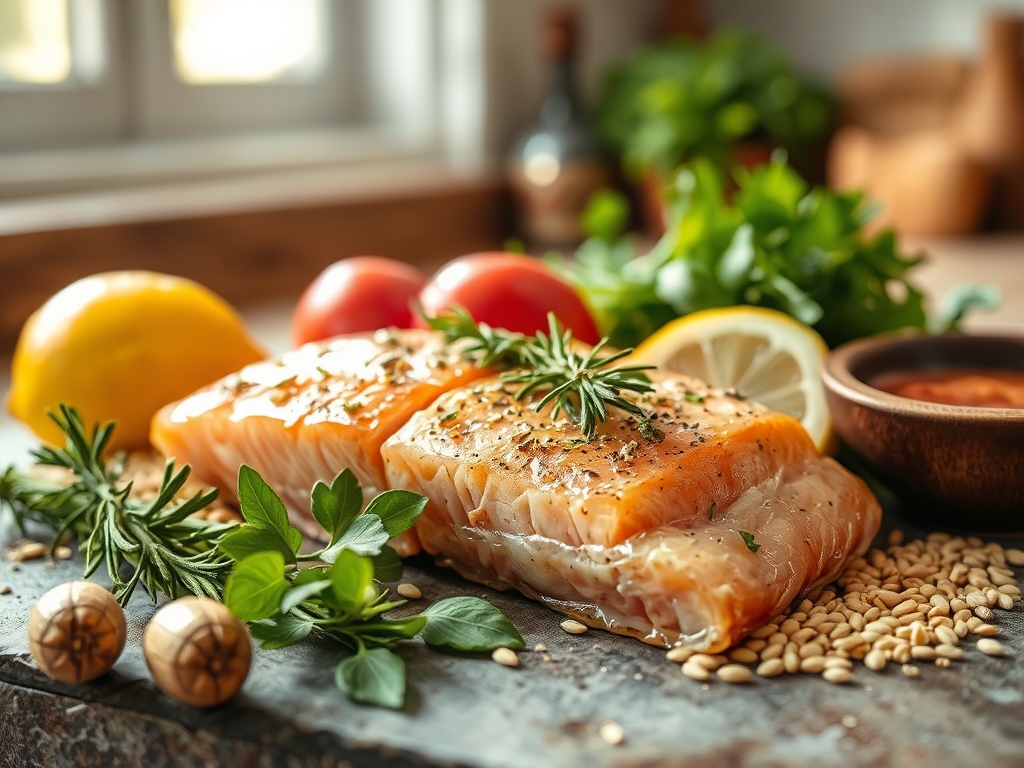
To achieve culinary excellence, your mise-en-place must be impeccable. Start with the centerpiece: a high-quality center-cut fillet. Look for vibrant color and a firm texture; if it leaves an indentation when pressed, the cellular structure is breaking down. You will need a microplane to harvest the zest without hitting the bitter white pith. Use a digital scale to ensure your salt ratios are precise, as salinity affects the protein denaturation process.
Your herb bouquet should include woody perennials like thyme or rosemary, which can withstand high heat, and delicate annuals like parsley or dill for the finishing touch. For the fats, choose a high-smoke-point oil like avocado oil for the initial sear, and unsalted European-style butter for the final basting. The higher fat content in European butter provides a more viscous mouthfeel.
Smart Substitutions: If you are out of lemons, a splash of dry vermouth or a teaspoon of sumac can provide that necessary acid profile. No fresh herbs? Use a third of the amount in dried form, but bloom them in the oil first to release their lipophilic flavor compounds.
The Clock:
The "Chef's Flow" is all about timing and thermal management. Total active prep time is exactly twelve minutes. This includes the five minutes required for the salmon to sit at room temperature to prevent "thermal shock," which causes the muscle fibers to contract violently and squeeze out moisture.
The cooking phase is a rapid eight-minute affair. You will spend five minutes on the skin side to achieve a Maillard reaction and three minutes on the flesh side or under a broiler. Finally, the most overlooked step: the five-minute rest. This allows the internal juices to redistribute. If you cut into it immediately, the moisture will migrate to the surface and evaporate, leaving you with a dry fillet.
The Masterclass:
1. The Desiccating Salt Cure
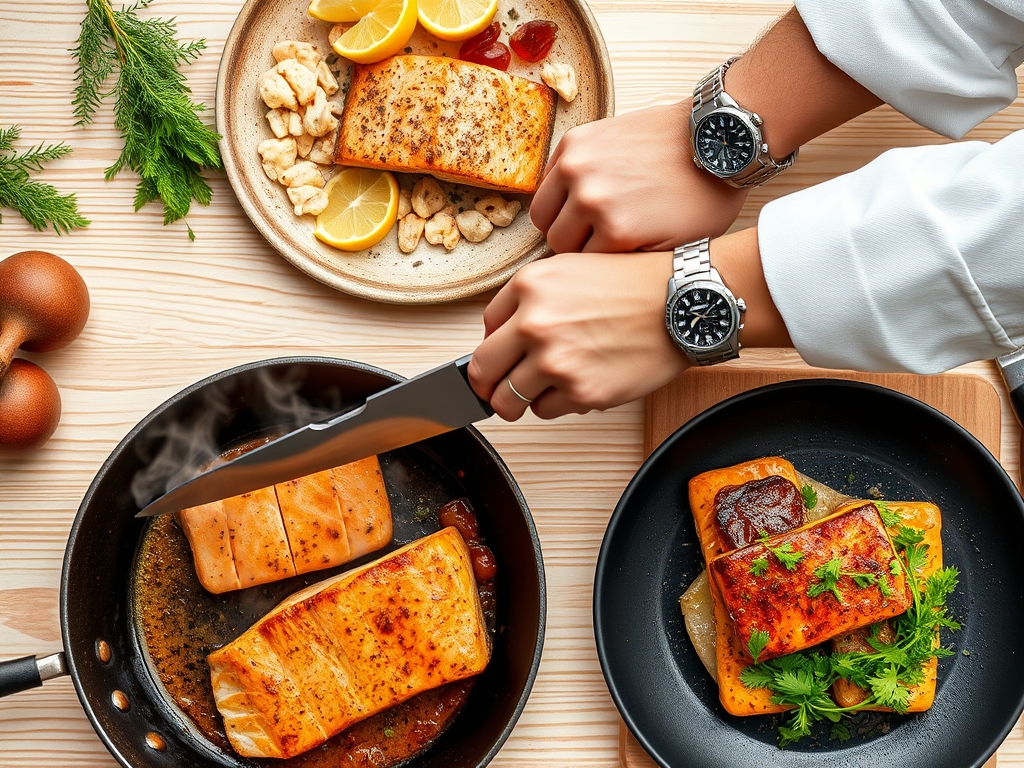
Pat the skin bone-dry with a paper towel. Sprinkle a generous amount of kosher salt over the skin and let it sit for ten minutes. This draws out moisture through osmosis, ensuring the skin becomes incredibly crisp rather than rubbery.
Pro Tip: This process is called hygroscopy. By removing surface water, you allow the skin to reach temperatures above 212 degrees Fahrenheit much faster, triggering the Maillard reaction for a savory, browned crust.
2. The Cold Pan Start (Or Screaming Hot)
Place the salmon skin-side down in a cold heavy-bottomed skillet if you want maximum fat rendering, or a preheated pan for a quick sear. Press down firmly with a fish spatula for thirty seconds to prevent the skin from curling as the proteins contract.
Pro Tip: Pressing the fish ensures even contact with the heat source. This prevents "steam pockets" from forming under the skin, which would otherwise result in a soggy texture.
3. The Aromatic Infusion
Once the salmon is flipped, drop a knob of butter, smashed garlic cloves, and your herb sprigs into the pan. Use a saucier or a large spoon to continuously drench the fish in the bubbling, herb-infused fat.
Pro Tip: This is known as arrosé. The hot fat acts as a heat transfer medium that cooks the top of the fish gently while the herbs undergo decarboxylation, releasing their full aromatic potential into the butter.
4. The Acidic Deglaze
Just before pulling the pan from the heat, squeeze fresh lemon juice directly onto the stainless steel surface. The liquid will rapidly expand into steam, lifting the browned bits (the fond) from the bottom of the pan.
Pro Tip: Deglazing creates a pan-sauce emulsion. The citric acid acts as a surfactant, helping to bridge the gap between the rendered fish fats and the lemon juice for a silky finish.
5. The Carryover Rest
Remove the fish when the internal temperature hits 125 degrees Fahrenheit. Place it on a warm plate and let it rest. The temperature will continue to rise to a perfect 130-135 degrees.
Pro Tip: This is thermal carryover. If you wait until the fish is 135 degrees in the pan, the residual heat will push it to 145 degrees, which is the "danger zone" for overcooked, dry salmon.
The Deep Dive:
From a nutritional standpoint, this dish is a powerhouse. It is loaded with Omega-3 fatty acids, which are essential for brain health and reducing inflammation. A standard six-ounce serving provides roughly 34 grams of high-quality protein and zero carbohydrates, making it a staple for Keto and Paleo lifestyles.
Dietary Swaps: For a vegan version, use the same herb-lemon technique on thick slabs of cauliflower or "tofu steaks." If you are strictly dairy-free, substitute the butter with a high-quality vegan buttery spread or extra virgin olive oil to maintain that rich emulsion.
The Fix-It:
- White Gunk (Albumin): If you see white spots, you cooked it too fast or too high. Fix: Lower the heat and use the "cold start" method next time.
- Soggy Skin: The pan wasn't hot enough or the skin was wet. Fix: Use a bench scraper to remove any moisture from the skin before salting.
- Sticking: You tried to flip it too early. Fix: Wait for the protein to naturally release from the pan; it will "tell" you when it is ready.
Meal Prep: To reheat without ruining the texture, avoid the microwave at all costs. Instead, place the salmon in a covered dish with a tablespoon of water or broth and heat in a 275-degree oven until just warm. This uses steam to gently rehydrate the proteins.
The Wrap-Up:
You now hold the keys to the kingdom of lemon herb salmon recipes. By understanding the interplay between heat, acidity, and protein structure, you have moved beyond being a cook and into the realm of a culinary artist. Remember: dry the skin, respect the rest period, and never skimp on the fresh zest. Go forth and sear with confidence; your kitchen is now a sanctuary of flavor and science.
The Kitchen Table:
Why does my salmon have white stuff on it?
That white substance is albumin, a protein that pushes to the surface when the muscle fibers contract too quickly. To prevent it, cook the fish more gently at a lower temperature or use a quick brine before searing.
Can I use bottled lemon juice for this recipe?
Bottled juice lacks the volatile oils and bright "top notes" found in fresh citrus. It is also more acidic and less complex. For the best results, always use fresh lemons and include the zest for maximum aroma.
Is it better to cook salmon with the skin on or off?
Always cook with the skin on. The skin acts as a protective thermal barrier, preventing the delicate flesh from overcooking. Even if you do not plan to eat the skin, it helps retain moisture and flavor during the process.
How do I know when the salmon is perfectly done?
The most reliable method is using a digital thermometer to hit 125-130 degrees Fahrenheit. Visually, the fish should be opaque on the outside but still slightly translucent in the very center, flaking easily with a gentle press.