
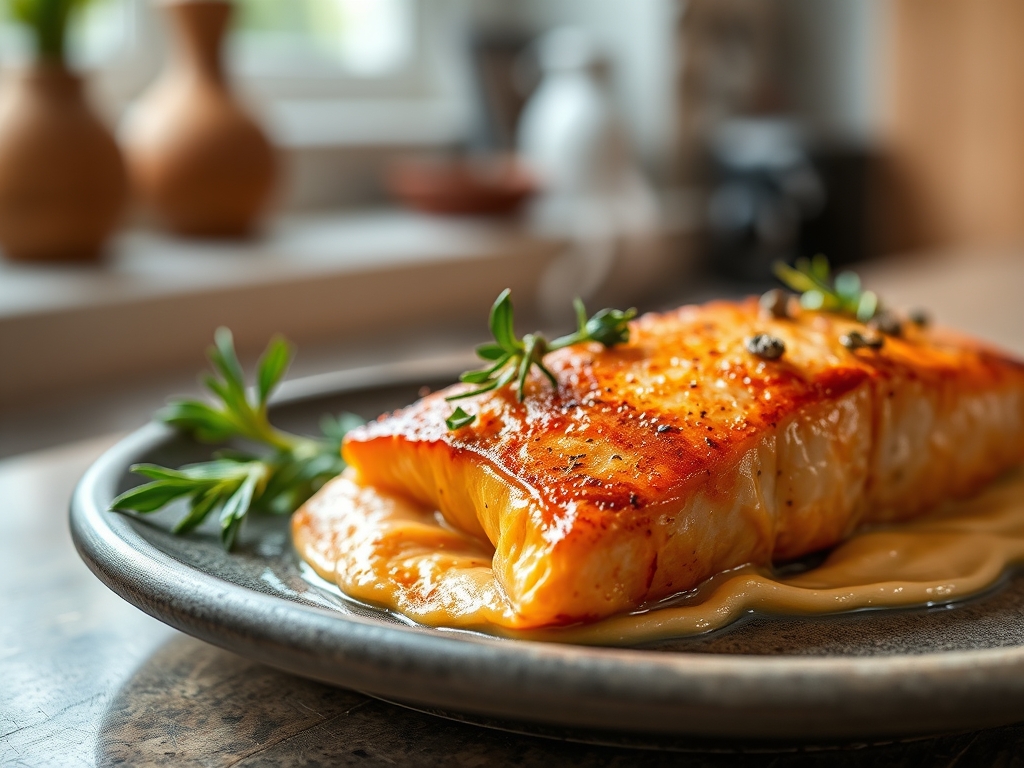
Picture the scene: a heavy-bottomed cast iron skillet is screaming hot, sending up plumes of aromatic smoke that smell like a tropical fever dream. You are about to transform a standard piece of fish into a masterpiece using the most vibrant jamaican salmon recipes in your repertoire. We are talking about that perfect, glass-like sear on the skin and a flake so tender it practically dissolves. This is not just dinner; it is a masterclass in balancing the aggressive heat of scotch bonnet peppers with the cooling, fatty richness of Atlantic salmon. Most people overcook their fish until it is a dry, chalky mess, but you are my best friend, and I refuse to let that happen to you. We are going to use high-heat chemistry and deep-tissue marination to ensure every single bite is an explosion of piquant spice and buttery citrus. Grab your apron, because we are about to turn your kitchen into a high-end Kingston bistro.
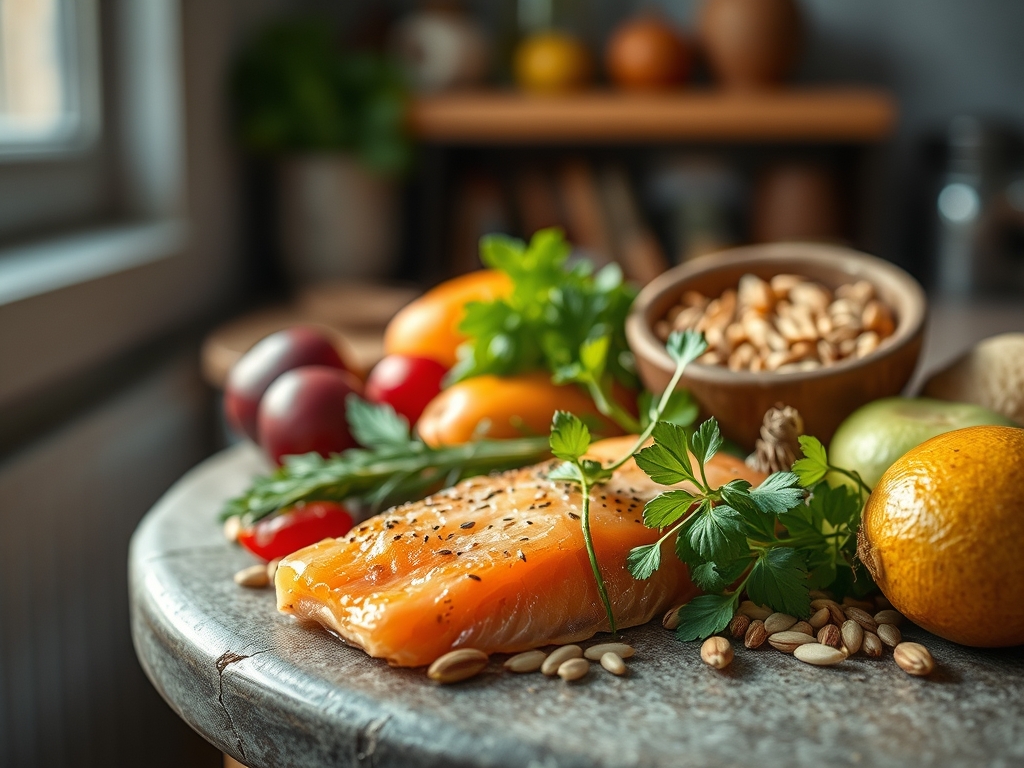
The Gathers:
Before we strike a single match, we must respect the mise-en-place. To execute these jamaican salmon recipes with precision, you need ingredients that offer both volatile aromatics and structural integrity. Start with two 6-ounce center-cut salmon fillets. Look for "sushi-grade" labeling to ensure the intermuscular fat is well-distributed. For the marinade, you will need fresh thyme, allspice berries (pimento), scallions, and the crown jewel: the scotch bonnet pepper.
Use a microplane to grate fresh ginger and garlic into a viscous paste. This increases the surface area, allowing the enzymes to penetrate the protein fibers more effectively. You will also need a high-smoke-point oil like avocado or grapeseed oil; olive oil will oxidize and turn bitter at the temperatures we require for a proper sear.
Smart Substitutions: If you cannot find scotch bonnets, habaneros are a close cousin with a similar Scoville profile. If you are avoiding refined sugar, use a tablespoon of Grade A maple syrup to provide the glucose needed for the Maillard reaction. For a citrus swap, sour orange juice provides a more authentic Jamaican acidity than standard limes.
The Clock
Efficiency in the kitchen is about managing the Chef's Flow. This entire process takes exactly 35 minutes.
- Prep Time: 15 minutes. This includes the precision knife work and the mandatory 10-minute "salt-brining" rest for the fish.
- Cook Time: 8 to 10 minutes. Salmon is a fast-twitch muscle protein; it cooks rapidly once the internal temperature hits 110 degrees Fahrenheit.
- Rest Time: 5 minutes. This allows the muscle fibers to relax and reabsorb the rendered fats.
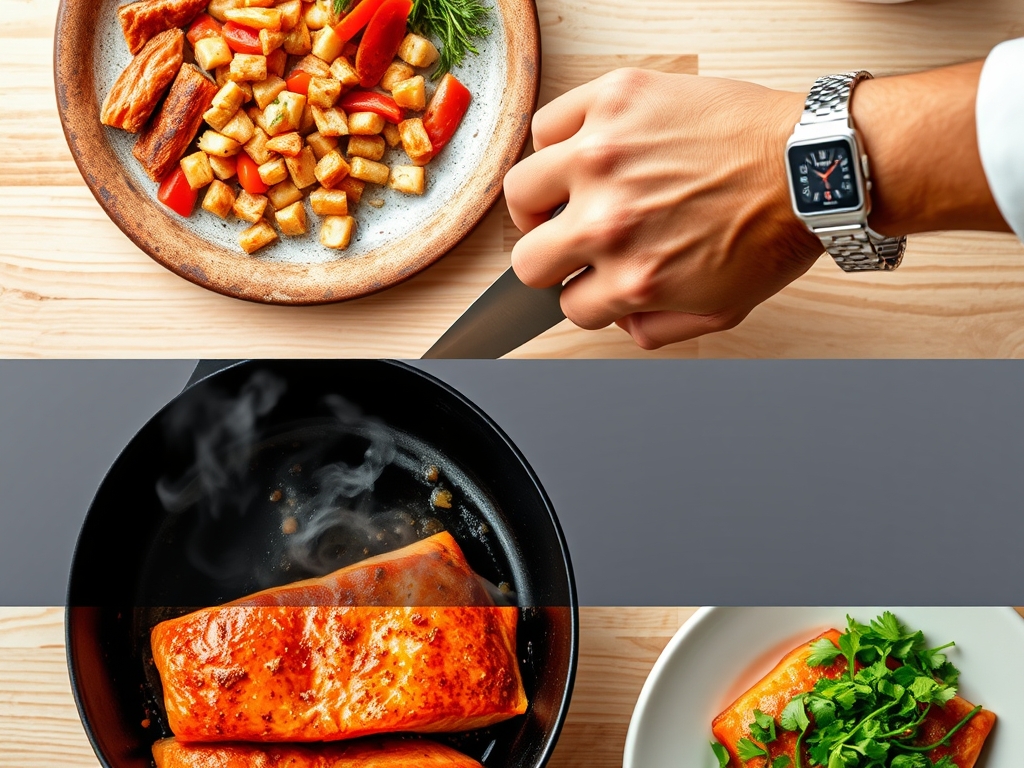
The Masterclass
1. The Surface Dehydration
Use a clean paper towel to pat the salmon bone-dry. Any residual moisture on the skin will turn to steam, preventing the crispness we crave. Sprinkle a generous amount of kosher salt over the skin side and let it sit at room temperature.
Pro Tip: This process uses osmosis to draw moisture out of the skin cells, which ensures the skin becomes a rigid, cracker-like lattice rather than a rubbery layer.
2. The Infusion Paste
In a small stone mortar and pestle, grind your allspice, thyme, garlic, and scotch bonnet into a coarse paste. Add a splash of oil to create an emulsion. Rub this only on the flesh side of the fish, keeping the skin side clean and dry.
Pro Tip: Allspice contains eugenol, a compound that is fat-soluble. By mixing it with oil first, you "bloom" the spice, making the flavor profile significantly more intense.
3. The Thermal Shock
Heat your heavy-bottomed skillet until it just begins to wisp smoke. Add two tablespoons of oil. Lay the salmon skin-side down, pressing firmly with a fish spatula for the first 30 seconds to prevent the protein from curling.
Pro Tip: This initial pressure ensures maximum contact between the skin and the pan, facilitating conduction heating which renders the subcutaneous fat quickly.
4. The Gentle Flip
Once the skin is golden and releases easily from the pan, use tongs to gently flip the fillet. The flesh side only needs about 2 minutes of direct contact. You want the center to remain a translucent medium-rare.
Pro Tip: Watch the "line of opacity" move up the side of the fish. When it reaches the halfway mark, it is time to flip. This prevents the delicate proteins from denaturing too far and becoming tough.
5. The Citrus Deglaze
In the final 60 seconds of cooking, toss a knob of butter and a squeeze of lime juice into the pan. Use a spoon to baste the foaming butter over the top of the salmon.
Pro Tip: The acid in the lime juice helps deglaze the flavorful browned bits (fond) from the bottom of the pan, incorporating them into a rich, instant pan sauce.
6. The Carryover Rest
Remove the salmon from the heat when it hits an internal temperature of 125 degrees Fahrenheit. Place it on a warm plate, skin-side up, and let it rest for five minutes.
Pro Tip: Thermal carryover will continue to raise the internal temperature by another 5 to 7 degrees. If you wait until it is 145 degrees in the pan, it will be overdone by the time it hits the table.
7. The Final Garnish
Finish with freshly sliced scallions and a dusting of lime zest. The zest contains essential oils that provide a bright, floral aroma that offsets the heavy spice of the jerk seasoning.
Pro Tip: Use a bench scraper to clean your board immediately after prepping peppers to avoid cross-contaminating your garnishes with capsaicin heat.
The Deep Dive
From a macro perspective, this dish is a nutritional powerhouse. A single serving provides roughly 34 grams of high-quality protein and is loaded with Omega-3 fatty acids, which are essential for brain health. Because we are using fresh aromatics rather than bottled sauces, the sodium content remains manageable.
Dietary Swaps:
- Vegan: Sub the salmon for thick "steaks" of cauliflower or extra-firm tofu. Ensure you press the tofu for 20 minutes first to mimic the salmon's density.
- Keto: This recipe is naturally keto-friendly. Serve it over a bed of sautéed callaloo or spinach instead of rice.
- Gluten-Free: This dish is inherently gluten-free, provided your spices are pure and not blended with anti-caking agents like flour.
The Fix-It:
- The Skin is Soggy: You likely didn't get the pan hot enough or didn't dry the skin sufficiently. Fix it by placing the fish under a high broiler for 60 seconds.
- The Spice is Too Much: If you accidentally added too much scotch bonnet, serve the fish with a dollop of Greek yogurt or coconut cream. The fats bind to the capsaicin and neutralize the burn.
- The Fish is Sticking: Do not force it. If the salmon is sticking, the proteins haven't finished the searing process. Wait another 30 seconds; it will naturally release once the crust is formed.
Meal Prep: To reheat salmon without it smelling like a "fish office," use a low-temperature oven (275 degrees) with a splash of water in the dish, covered with foil. This creates a gentle steam bath that rehydrates the fats without overcooking the core.
The Wrap-Up
You now hold the keys to the most authentic and scientifically sound jamaican salmon recipes in the culinary world. By mastering the balance of heat, acidity, and thermal control, you have elevated a simple weeknight meal into a gourmet experience. Remember: the secret is in the dry skin and the resting period. Go forth, use your heavy-bottomed skillet with confidence, and enjoy that perfect, spicy, buttery flake that only a true kitchen pro can achieve.
The Kitchen Table
How do I keep the salmon skin from curling?
Press the fillet firmly with a flexible fish spatula immediately after it hits the hot oil. Hold it for 30 seconds to set the protein structure, ensuring the skin stays flat and achieves a uniform, crispy sear.
Can I use frozen salmon for these recipes?
Yes, but you must thaw it completely in the refrigerator and pat it extremely dry. Frozen fish often contains extra moisture, so a 15-minute salt-brine at room temperature is essential to draw out excess water before searing.
What is the best way to tell if salmon is done?
Use a digital thermometer to check for an internal temperature of 125 to 130 degrees Fahrenheit. Alternatively, the fish should flake easily with a fork and look slightly translucent in the very center of the thickest part.
How do I make the jerk seasoning less spicy?
Remove the seeds and the white inner membranes (pith) from the scotch bonnet pepper before mincing. Most of the capsaicin is concentrated there; using only the outer flesh provides the fruity aroma without the overwhelming heat.