
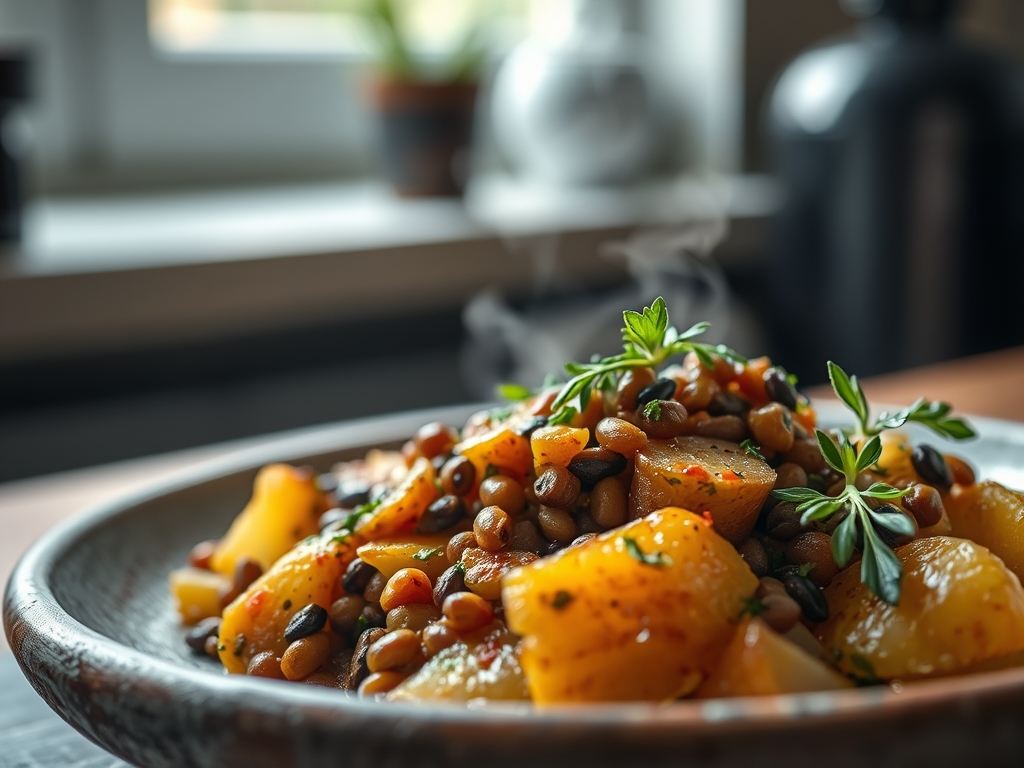
Imagine the sharp, metallic snap of a cold afternoon meeting the humid, spice-laden steam of a heavy-bottomed pot. There is a specific kind of alchemy that happens when you combine the earthy, protein-dense structure of legumes with the starchy, buttery comfort of tubers. These seven lentil and potato recipes are not just meals; they are strategic culinary solutions for the midday slump. We are moving beyond the watery soups of the past and entering a world of thick stews, crispy hashes, and vibrant salads that leverage the best of plant-based chemistry to keep you fueled until dinner.
The beauty of the lentil and potato recipes we are exploring today lies in their structural integrity. Unlike leafy greens that wilt under the pressure of a commute, lentils hold their shape while potatoes act as a natural thickening agent through starch gelatinization. Whether you are craving a piquant Indian dal with Yukon Golds or a rustic French puy lentil salad with fingerlings, the science of satiety is on your side. We are going to master the art of the simmer and the precision of the sear to ensure your lunch is the high point of your day.
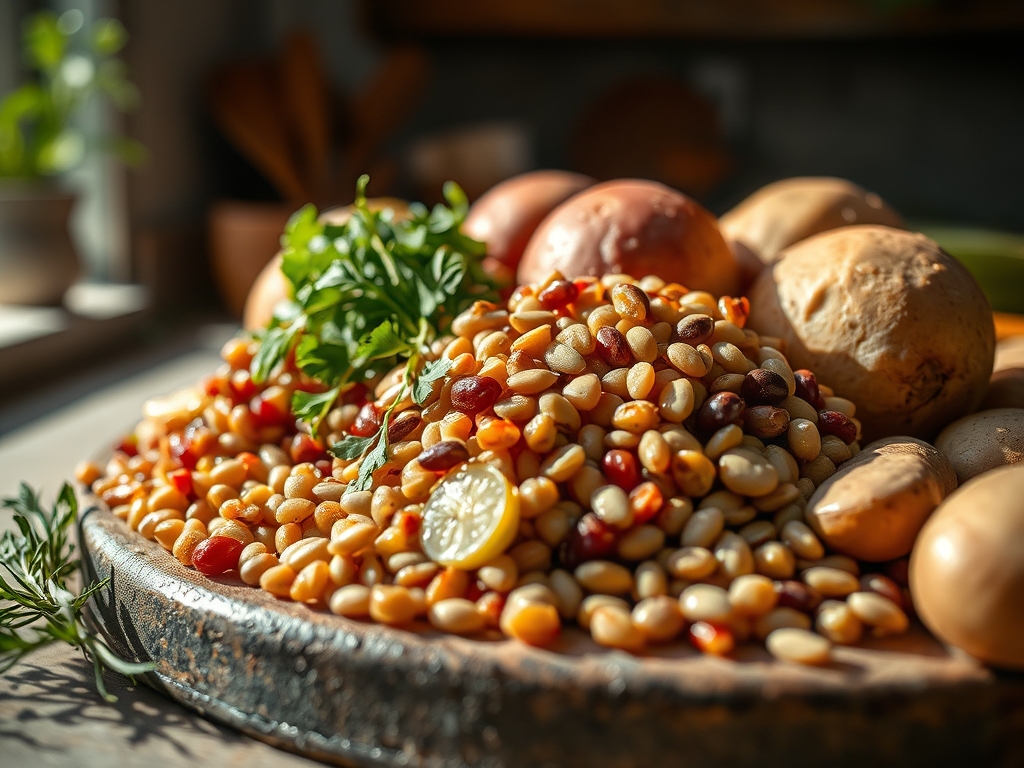
The Gathers:
To achieve professional results, your mise-en-place must be impeccable. You will need a digital scale to ensure your ratios are exact; precision is the difference between a thick puree and a sad broth. Start with your aromatics: yellow onions for high sugar content and caramelization potential, and garlic cloves that you will crush to release allicin. For the lentils, identify your goal. Red lentils (Masoor Dal) have a high rate of starch breakdown, making them perfect for viscous soups. Green or Brown lentils offer more fiber and maintain a firm bite.
Your potato choice is equally vital. Use waxy varieties like Red Bliss or Fingerlings if you want defined chunks that resist breaking down. Use starchy Russets if you want the potato to dissolve slightly and create a creamy mouthfeel without adding dairy. You will also need high-quality fats like extra virgin olive oil or ghee to carry fat-soluble vitamins and flavors. For "Smart Substitutions," consider using parsnips or celery root if you want to lower the glycemic index while maintaining that essential tuber texture. If you lack fresh ginger, a pinch of ground galangal can provide a similar citrusy heat.
The Clock
Efficiency in the kitchen is about understanding the "Chef's Flow." Total active preparation time for these recipes averages twenty minutes, with a total cook time of forty minutes. The secret is the overlap. While your lentils are undergoing their initial hydration in a saucier, you should be using a bench scraper to clear your dicing station.
Never wait for the water to boil before you start your aromatics. By the time your onions have rendered their moisture and reached a translucent state, your water will be at a rolling boil. This staggered approach ensures that no component sits idle, preventing the potatoes from oxidizing and turning gray. Remember that lentils continue to absorb liquid even after the heat is extinguished, so account for this "resting hydration" in your scheduling.
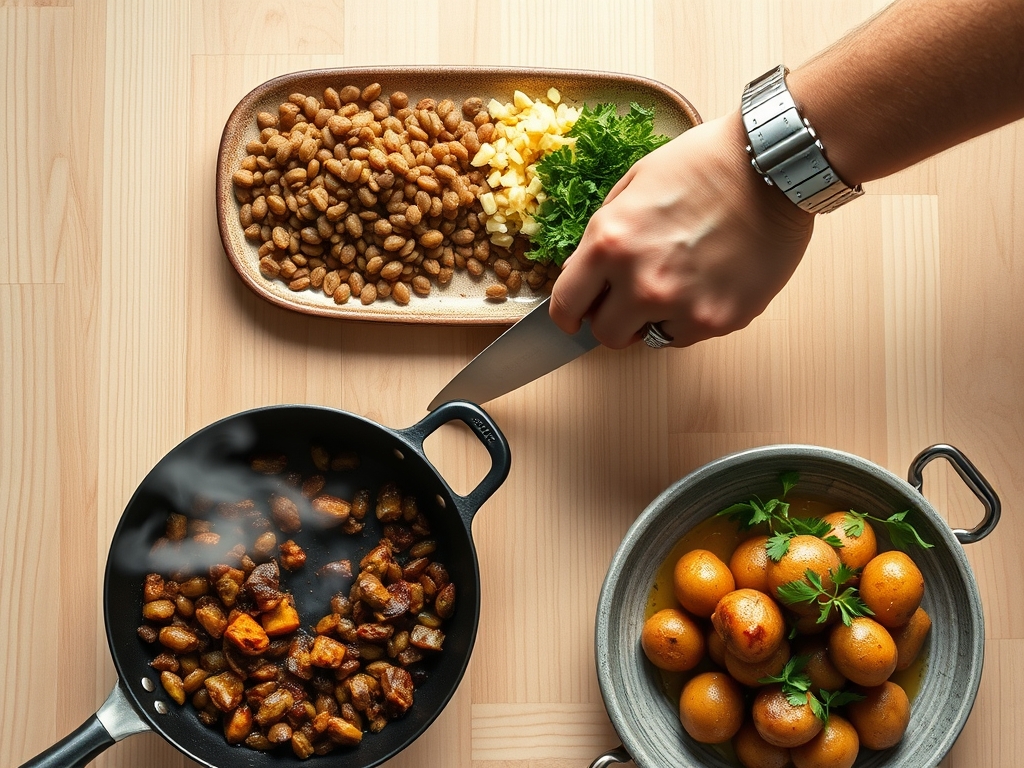
The Masterclass
1. The Aromatized Foundation
Start by heating your heavy-bottomed skillet over medium heat. Add your oil and aromatics. Deglaze the pan with a splash of acidic liquid like apple cider vinegar or white wine once the onions reach a golden hue. This lifts the browned bits (fond) from the bottom of the pan, integrating deep umami flavors into the base of your dish.
Pro Tip: This relies on the Maillard reaction. By browning your aromatics before adding liquid, you create complex flavor compounds that raw boiling simply cannot achieve.
2. Precise Legume Hydration
Rinse your lentils in a fine-mesh strainer until the water runs clear to remove excess surface starch. Add them to the pot with your liquid of choice. Maintain a gentle simmer rather than a violent boil to prevent the skins from bursting prematurely.
Pro Tip: Avoid adding salt or acidic ingredients like lemon juice at the very beginning. These can strengthen the lentil skins and significantly increase your cooking time through a process called hemicellulose stabilization.
3. Tuber Integration
Add your cubed potatoes once the lentils are halfway through their cook cycle. Ensure the cubes are uniform in size to guarantee even thermal distribution. If you are using waxy potatoes, you can add them earlier; if using starchy ones, wait until the final fifteen minutes.
Pro Tip: This timing prevents enzymatic browning and ensures the potatoes reach the "fork-tender" stage exactly when the lentils achieve their ideal texture.
4. Emulsification and Finishing
Once the ingredients are soft, use a wooden spoon to crush a few potatoes against the side of the pot. This releases amylose starch into the liquid, creating a viscous and creamy texture without the need for heavy cream. Finish with fresh herbs and a zest of citrus using a microplane.
Pro Tip: Adding fats or acids at the very end is called "brightening." It provides a high-contrast flavor profile that cuts through the heavy starch of the dish.
The Deep Dive
From a macro perspective, lentil and potato recipes are a powerhouse. Lentils provide roughly 18 grams of protein per cup, while potatoes offer a significant dose of potassium and Vitamin C. For those on specialized diets, these recipes are naturally Gluten-Free. To make them Keto-friendly, swap the potatoes for cauliflower florets and reduce the lentil ratio. For a Vegan profile, simply use coconut oil or avocado oil instead of butter.
If you encounter "The Fix-It" scenarios, stay calm. If your dish is too salty, add a few extra raw potato slices to absorb the excess sodium; then remove them before serving. If the lentils are mushy, pulse half the mixture in a blender to turn it into a deliberate "creamy" soup. If the flavor is flat, add a teaspoon of smoked paprika or a dash of fish sauce (or soy sauce for vegans) to boost the umami. For meal prep, reheat on the stove with a splash of water. The starch will have thickened overnight, and gentle agitation will restore the original consistency.
The Wrap-Up
Mastering lentil and potato recipes is like having a secret weapon in your culinary arsenal. These dishes are forgiving, nutrient-dense, and incredibly sophisticated when you apply the right scientific principles. You have learned how to manage starch, leverage the Maillard reaction, and balance acidity to create a lunch that is far more than the sum of its parts. Now, grab your favorite bowl, find a sunny spot, and enjoy the fruits of your technical labor. You have earned every savory, comforting bite.
The Kitchen Table
Can I use canned lentils for these recipes?
Yes, but rinse them thoroughly first. Canned lentils are already hydrated, so add them during the last ten minutes of cooking to prevent them from becoming overly soft. This maintains the structural integrity of the legume during the final simmer.
What is the best way to prevent potatoes from turning brown?
Keep peeled and cut potatoes submerged in cold water until you are ready to add them to the pot. This prevents oxygen from reacting with the enzymes in the potato, a process known as oxidative browning, ensuring a clean aesthetic.
Why are my lentils still crunchy after an hour?
You likely added salt or acid too early. These ingredients react with the lentil cell walls, making them resistant to softening. For future batches, wait until the lentils are tender before seasoning with salt, lemon, or vinegar.
How long do these lentil and potato blends last in the fridge?
Stored in an airtight container, these recipes stay fresh for five days. The flavors actually deepen over time as the spices continue to infuse into the starches. Always reheat thoroughly to an internal temperature of 165 degrees Fahrenheit.