
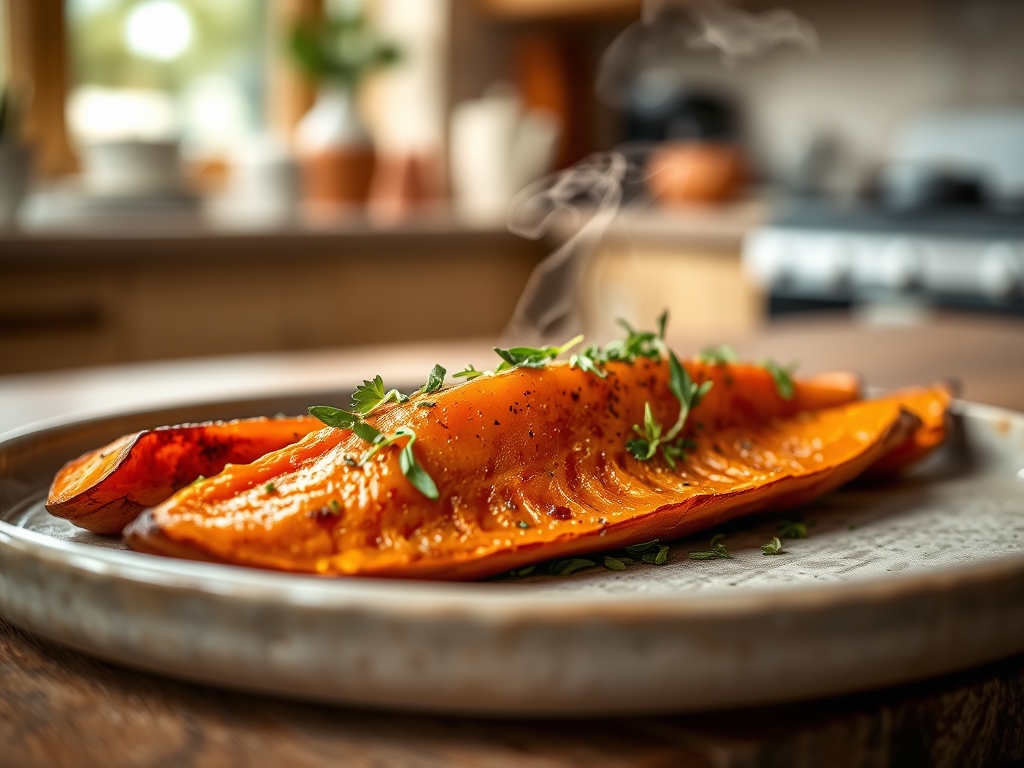
Picture the scene: your kitchen is filled with a scent that sits right at the intersection of burnt sugar and earthy musk. You pull a heavy sheet pan from the oven, and there they are. These are not the sad, steamed orange cubes of your childhood. These are mahogany-edged gems with a glass-shattering exterior and a center as soft as custard. Finding the best roast sweet potato recipes is less about following a list of ingredients and more about mastering the physics of sugar and heat. We are chasing that elusive caramelization that happens when natural starches break down into maltose. It is a transformation that feels like magic but is actually just beautiful, predictable chemistry. If you have ever wondered why some potatoes turn out mushy while others achieve a candy-like crust, you are in the right place. We are going to deconstruct the anatomy of the perfect roast, from the cellular level to the final, flaky salt finish. Grab your favorite apron and let us get nerdy.
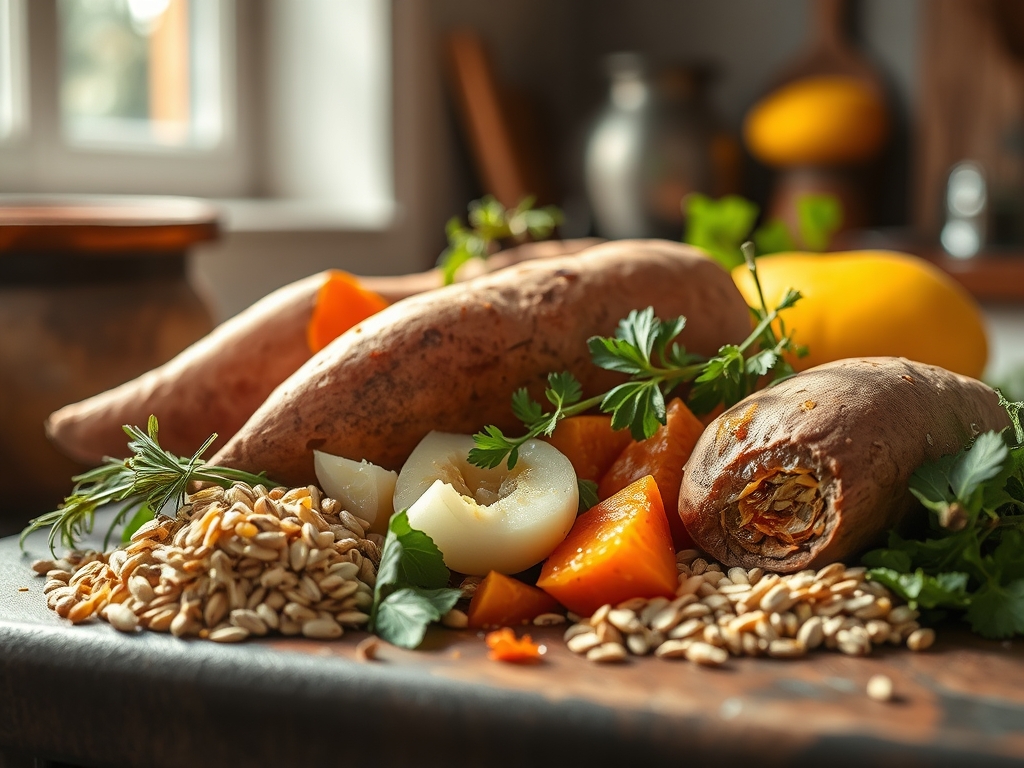
The Gathers:
Before we apply heat, we must respect the raw materials. Start with firm, heavy-in-the-hand Beauregard or Jewel sweet potatoes. You want a high starch-to-sugar ratio to ensure the interior sets properly. For your fats, reach for a high-smoke-point oil like avocado oil or clarified butter. Avoid extra virgin olive oil for the high-heat roasting phase because its solids will scorch before the potato finishes. You will also need kosher salt for its jagged crystal structure, which adheres better to the skin, and a piquant hit of acid like lime juice or apple cider vinegar to balance the heavy glucose.
Smart Substitutions: If you are out of avocado oil, refined coconut oil provides a lovely tropical undertone and excellent crisping properties. For a savory twist, replace the salt with a dash of white miso paste thinned with a teaspoon of water. This adds an umami depth that mimics the savory notes of a slow-roasted protein. If you find yourself without fresh citrus, a dusting of sumac provides that necessary brightness without adding moisture that might steam the cubes.
The Clock
Efficiency in the kitchen is about managing your "Chef's Flow." Total active prep time should take no more than 15 minutes. This includes washing, peeling, and the precision dicing required for even heat distribution. The roasting phase requires 30 to 40 minutes at high heat, with a mandatory 5-minute "rest" period once they leave the oven.
The Flow: Start by preheating your oven with the baking sheet inside. This creates an immediate sear the moment the potatoes touch the metal. While the oven climbs to 425 degrees Fahrenheit, use a sharp chef's knife or a heavy-duty mandoline to process your tubers. By the time you have tossed your cubes in a large mixing bowl with your fats and aromatics, the pan will be screaming hot and ready for action.
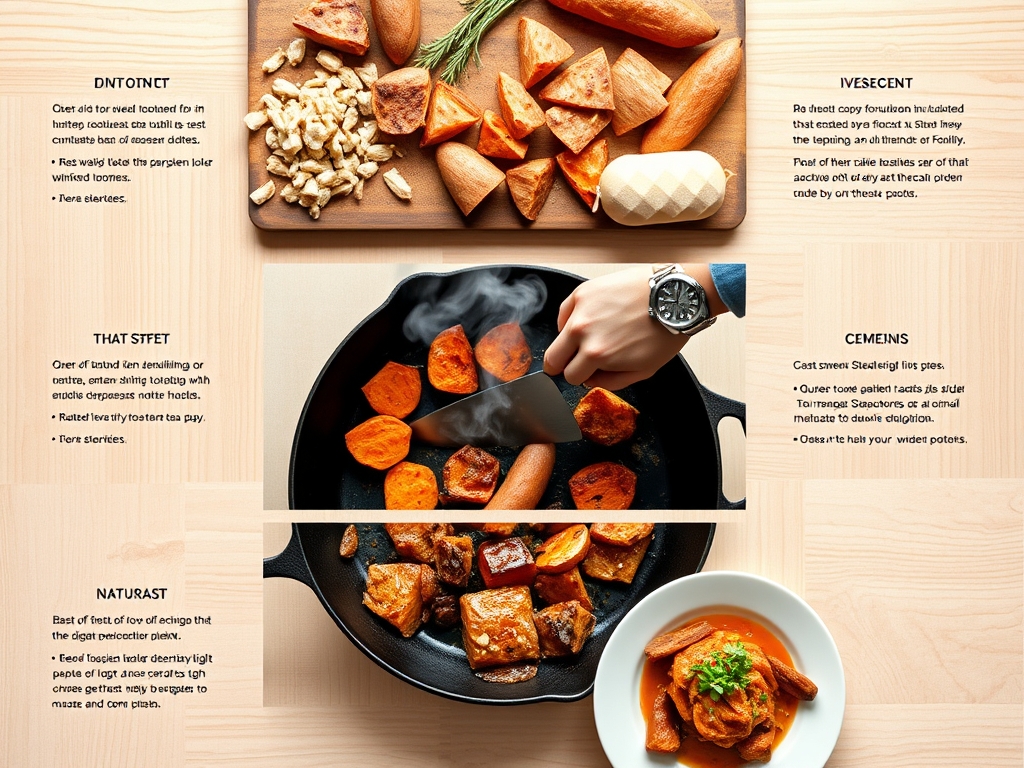
The Masterclass
1. The Precision Cut
Uniformity is the soul of roasting. Use a bench scraper to clear your workspace and ensure every cube is exactly one inch square. This ensures that every piece reaches its thermal peak at the same moment.
Pro Tip: This is about surface-area-to-volume ratio. Smaller cubes increase the surface area available for the Maillard reaction, which is the chemical reaction between amino acids and reducing sugars that gives browned food its distinctive flavor.
2. The Pre-Soak Ritual
Place your cut potatoes in a bowl of ice-cold water for ten minutes, then pat them bone-dry with a lint-free kitchen towel. Removing surface starch is the secret to preventing the potatoes from sticking to each other.
Pro Tip: Removing excess surface starch prevents the formation of a "gluey" exterior. This allows the heat to immediately begin dehydrating the surface cells, leading to a much crispier crust.
3. The High-Heat Emulsion
In a small saucier, whisk your oil and spices until they are fully combined. Drizzle this over the potatoes and toss vigorously. You want a thin, translucent coating on every single surface.
Pro Tip: This creates a lipid barrier that protects the delicate interior from drying out while the exterior roasts. It ensures even heat conduction across the irregular surfaces of the potato.
4. The Searing Contact
Carefully pull the preheated tray from the oven and spread the potatoes in a single layer. You should hear a distinct sizzle. Ensure no two pieces are touching; they need "breathing room" to let steam escape.
Pro Tip: This utilizes conduction heating. By starting on a hot surface, you jumpstart the caramelization of the sugars before the internal moisture has a chance to turn the potato into mush.
5. The Mid-Roast Agitation
At the twenty-minute mark, use a pair of metal tongs to flip each piece. This is not just about browning; it is about redistributing the rendered fats that have pooled on the bottom of the pan.
Pro Tip: Flipping prevents localized scorching. It also aerates the pan, allowing any accumulated steam to dissipate, which is vital for maintaining a dry-heat environment.
6. The Carryover Rest
Once the potatoes are deep amber and fork-tender, remove them from the oven. Do not touch them for at least five minutes. Transfer them to a wire rack if possible to prevent the bottom from becoming soggy.
Pro Tip: This allows for thermal carryover. The internal temperature continues to rise slightly, finishing the cooking process, while the exterior "sets" as the sugars cool and harden into a crisp shell.
7. The Acidic Finish
Just before serving, use a microplane to zest a fresh lime over the tray and add a final sprinkle of flaky sea salt. The brightness of the citrus cuts through the density of the starch perfectly.
Pro Tip: This is about flavor balancing. The citric acid breaks down the perception of heaviness on the palate, making the sweet and savory notes pop more vibrantly.
The Deep Dive
From a macro perspective, sweet potatoes are a nutritional powerhouse, loaded with complex carbohydrates and Vitamin A. To keep this dish Keto-friendly, you would need to swap the sweet potato for cauliflower or daikon radish, though the sugar content will differ. For a Vegan version, stick to high-quality plant oils or a vegan "butter" that has been emulsified with lecithin for better browning.
The Fix-It:
- Soggy Potatoes: Usually caused by overcrowding. If the pan is too full, the potatoes steam in their own moisture. Fix: Use two pans or roast in batches.
- Burnt Edges, Raw Middle: This happens when the oven is too hot or the cubes are too large. Fix: Lower the temp by 25 degrees and tent the pan with foil to allow the center to catch up.
- Lack of Flavor: Sweet potatoes need more salt than you think. Fix: Season both before and after roasting to layer the salinity.
Meal Prep Science: To reheat and maintain "day-one" quality, avoid the microwave at all costs. The microwave agitates water molecules, which turns the starch back into a gummy mess. Instead, use a toaster oven or a heavy-bottomed skillet over medium heat to re-crisp the exterior.
The Wrap-Up
Mastering the best roast sweet potato recipes is a rite of passage for any home cook who values texture as much as taste. By understanding how to manipulate starch and sugar through precision cutting and heat management, you elevate a humble root vegetable into a gourmet side dish. Remember to respect the space on the pan, embrace the high heat, and always finish with a touch of acid. Now, go forth and roast with confidence; your dinner guests will thank you for the crunch.
The Kitchen Table
Why are my roasted sweet potatoes always mushy?
Mushiness usually results from overcrowding the pan, which traps steam. Ensure each cube has space around it so moisture can evaporate. Also, avoid using too much oil, which can boil the potato rather than roasting it.
Should I peel sweet potatoes before roasting?
Peeling is a matter of preference. Keeping the skin on adds extra fiber and a rustic texture. If you leave the skin on, scrub them thoroughly with a vegetable brush to remove any grit or debris before slicing.
What is the best temperature for roasting sweet potatoes?
The sweet spot is 425 degrees Fahrenheit. This temperature is high enough to trigger the Maillard reaction and caramelize the natural sugars quickly without burning them before the interior reaches a creamy, soft consistency.
How do I get my sweet potatoes extra crispy?
The secret is a light coating of cornstarch or arrowroot powder before adding oil. This absorbs excess surface moisture and creates a thin, starchy "batter" that fries in the oven heat, resulting in an incredible crunch.