
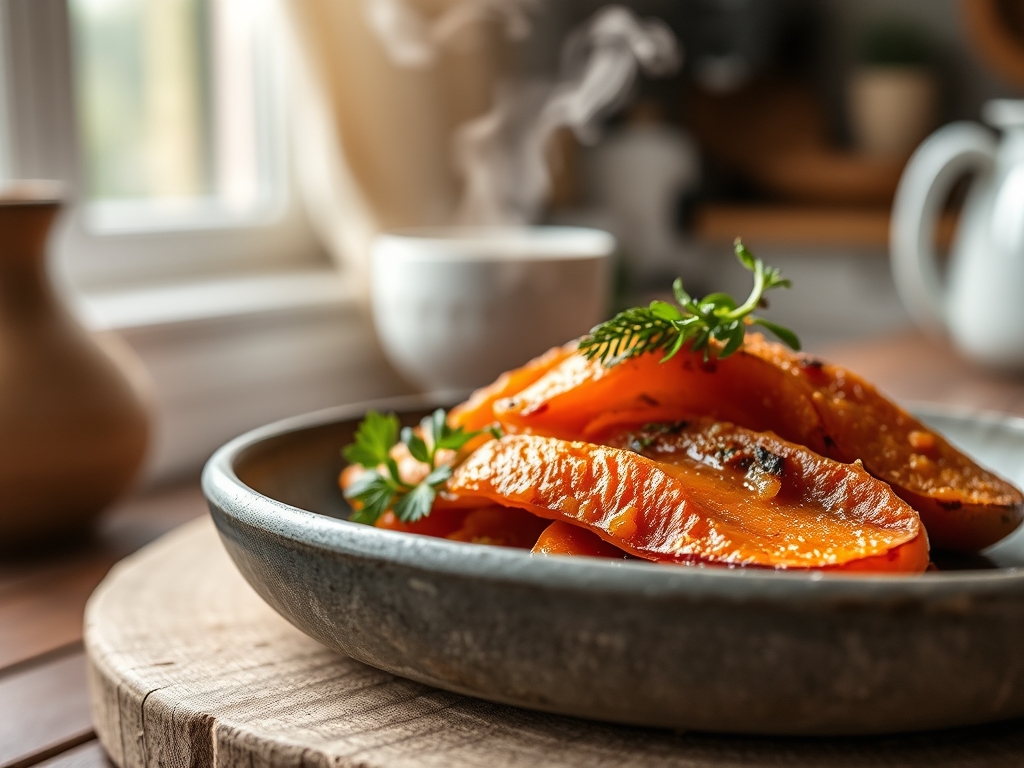
Imagine the scent of a crisp, orange sunrise captured in a glass. When you think of juicing, your mind likely drifts to the standard kale or watery cucumber, but we are about to elevate your morning ritual with something far more velvety. Mastering juicing sweet potato recipes is the ultimate culinary secret for achieving a creamy, nutrient-dense elixir that tastes like liquid gold.
The sweet potato is a botanical powerhouse. Unlike the sharp acidity of citrus or the thin profile of celery, this tuber provides a viscous, starchy base that carries flavors with a sophisticated weight. We are moving beyond the basic smoothie bowl and into the realm of high-extraction mixology. By utilizing the raw, enzymatic potential of the sweet potato, you are tapping into a concentrated source of beta-carotene and complex carbohydrates that provide sustained energy without the jittery spike of refined sugars. It is earthy, it is piquant, and when paired with the right aromatics, it is absolutely transformative.
The Gathers:
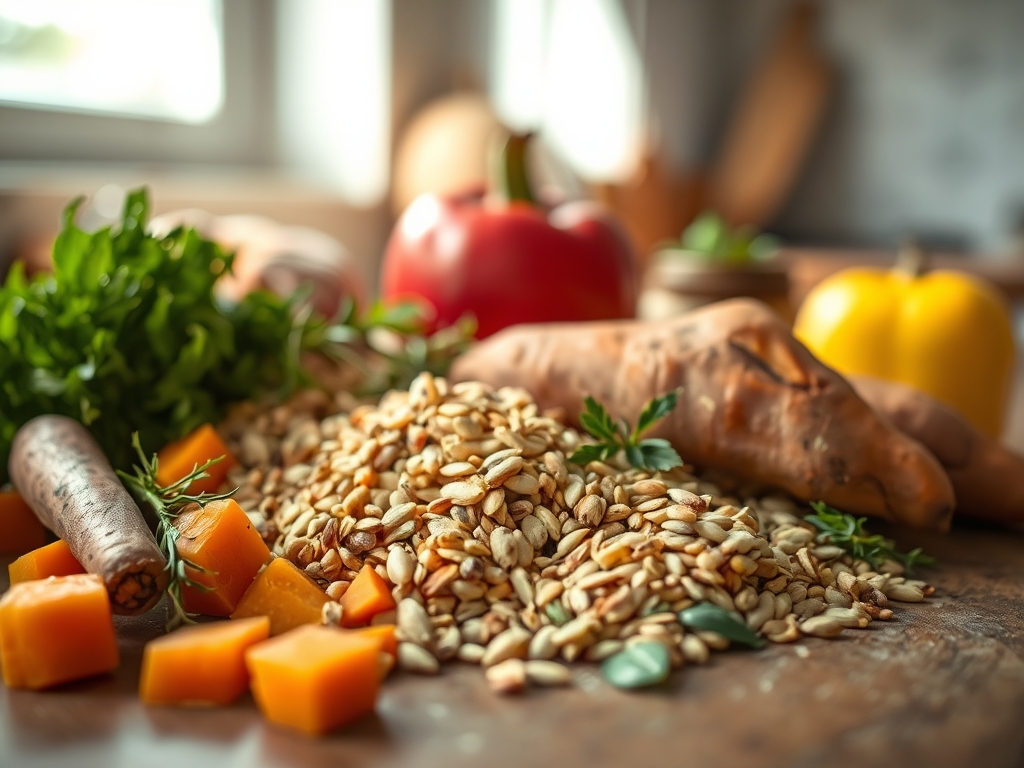
To execute these hacks, your mise-en-place must be precise. Start with firm, jewel-toned Garnet or Beauregard sweet potatoes. You will also need a high-quality masticating juicer to handle the dense cellular structure of the tuber. Gather fresh ginger roots, organic turmeric, crisp Honeycrisp apples for acidity, and a bunch of lacinato kale for a chlorophyll punch. Use a digital scale to ensure your ratios are exact; precision is the difference between a balanced tonic and a muddy mess.
Smart Substitutions are your best friend in a professional kitchen. If you find the raw earthiness of the sweet potato too aggressive, swap half the volume for carrots to maintain the color while adding a lighter sweetness. For a low-glycemic twist, replace the apple with a squeeze of fresh lime and a pinch of sea salt to brighten the flavor profile. Always keep a microplane nearby to zest citrus directly into the finished juice; this releases essential oils that provide an immediate olfactory lift.
The Clock:
The "Chef's Flow" for juicing is all about minimizing oxidation. Expect a total active time of 15 minutes. This includes 5 minutes for prep (scrubbing and chopping) and 10 minutes for extraction and immediate cleanup.
Efficiency is key. While your juicer is running, use a bench scraper to clear your cutting board of skins and debris. This keeps your workspace sanitary and prevents the buildup of starches that can become tacky as they dry. Remember, the clock starts the moment the blade touches the produce; the faster you move from prep to glass, the more nutrients remain bioavailable.

The Masterclass:
1. The Scrub and Prep
Use a stiff-bristled brush to remove every trace of sediment from the skin. Do not peel your potatoes unless the skin is damaged. The skin contains a high concentration of fiber and minerals that contribute to the juice's body.
Pro Tip: This prevents enzymatic browning. By leaving the skin intact until the last second, you minimize the surface area exposed to oxygen, keeping the juice vibrant and bright.
2. The Precision Cut
Slice the potatoes into long, thin batons that fit easily into the juicer's chute. Use a sharp chef's knife to ensure clean cuts; ragged edges release more starch prematurely, which can clog the internal screens.
Pro Tip: Clean cuts reduce the mechanical heat generated during the juicing process. Tearing the produce instead of slicing it creates friction, which can slightly degrade heat-sensitive vitamins.
3. The Mastication Stage
Feed the sweet potato batons into the juicer slowly. Alternating the dense potato with watery ingredients like cucumber or celery helps to flush the starch through the machine.
Pro Tip: This technique utilizes fluid dynamics to keep the mesh screen clear. The high-water content of the secondary ingredients acts as a solvent for the thicker potato solids.
4. The Aromatic Infusion
Drop small pieces of ginger or turmeric into the juicer between potato slices. This ensures the spicy oils are fully integrated into the juice rather than sticking to the dry pulp.
Pro Tip: This is a form of cold-press extraction. The pressure of the juicer renders the essential oils from the aromatics, creating a more cohesive flavor profile than simply stirring them in later.
5. The Aeration Swirl
Once the juice is collected, use a small whisk or a saucier spoon to gently stir the liquid. This redistributes the settled starches and aerates the juice slightly to open up the bouquet.
Pro Tip: Aeration allows the volatile organic compounds to escape the liquid, which enhances your ability to taste the subtle vanilla notes inherent in raw sweet potatoes.
6. The Fine Strain
For a truly professional finish, pass your juice through a fine-mesh sieve or a nut milk bag. This removes any lingering "grit" and leaves you with a silky, translucent liquid.
Pro Tip: This step manages the viscosity of the drink. Removing the largest starch particles creates a cleaner mouthfeel and prevents the juice from feeling "heavy" on the palate.
7. The Acid Balance
Finish each glass with a bright hit of acid. A squeeze of lemon or a splash of apple cider vinegar cuts through the density of the potato.
Pro Tip: This is about pH manipulation. The acid stabilizes the color of the juice and balances the natural sugars, preventing the flavor from becoming cloying.
8. The Lipid Addition
Stir in a drop of high-quality flax oil or a teaspoon of hemp seeds. Many of the vitamins in sweet potatoes are fat-soluble.
Pro Tip: This facilitates nutrient bioavailability. Without a small amount of fat, your body cannot effectively absorb the massive dose of Vitamin A you just extracted.
9. The Chilled Serve
Serve the juice immediately over a single large ice cube. The cold temperature tightens the flavor profile and makes the drink incredibly refreshing.
Pro Tip: Controlling the thermal state of the juice prevents the rapid fermentation of natural sugars, ensuring the flavor remains crisp for the duration of your drink.
The Deep Dive:
From a macro perspective, sweet potato juice is a carbohydrate-rich fuel source, providing roughly 110 calories per cup with zero fat and a modest amount of protein. It is a powerhouse of potassium and Vitamin A. For those on a Keto diet, keep portions small (2-4 ounces) to manage the carb count. For a Vegan or GF lifestyle, this juice is a natural fit, offering a "creamy" texture without the need for dairy or thickeners.
The Fix-It: If your juice is too thick, you have likely used a centrifugal juicer which struggles with starch; fix this by diluting with 20% filtered water. If the flavor is too earthy, increase your citrus ratio. If the juice separates quickly, it is a sign of low-speed extraction; simply whisk it back together before sipping. For meal prep, store juice in an airtight glass jar with zero headspace to prevent oxidation. It will stay fresh for 24 hours, though the "day-one" quality is best maintained by adding a pinch of citric acid.
The Wrap-Up:
You are now officially a pro at juicing sweet potato recipes! By understanding the science of starch and the importance of acid balance, you have turned a humble root vegetable into a gourmet health tonic. Grab your tongs, fire up that juicer, and start experimenting with these hacks today. Your morning routine will never be the same!
The Kitchen Table:
Can I juice any variety of sweet potato?
Yes, though Garnet and Beauregard varieties offer the best sugar-to-starch ratio. Purple sweet potatoes provide a stunning color but are significantly more earthy and less sweet, requiring more apple or citrus to balance the flavor.
Do I need to peel them before juicing?
No, as long as you scrub them thoroughly with a vegetable brush. The skin contains concentrated minerals and adds a depth of flavor. Only peel if the skin is exceptionally thick, bitter, or heavily bruised.
How long does sweet potato juice last?
For peak nutrient density, drink it immediately. If necessary, store it in a sealed glass container in the fridge for up to 24 hours. Add a squeeze of lemon to act as a natural preservative against oxidation.
Is sweet potato juice safe to drink raw?
Absolutely. Raw sweet potato juice is a staple in many functional medicine diets. It contains unique enzymes that are often destroyed by heat, though people with sensitive stomachs should start with small amounts to assess tolerance.