
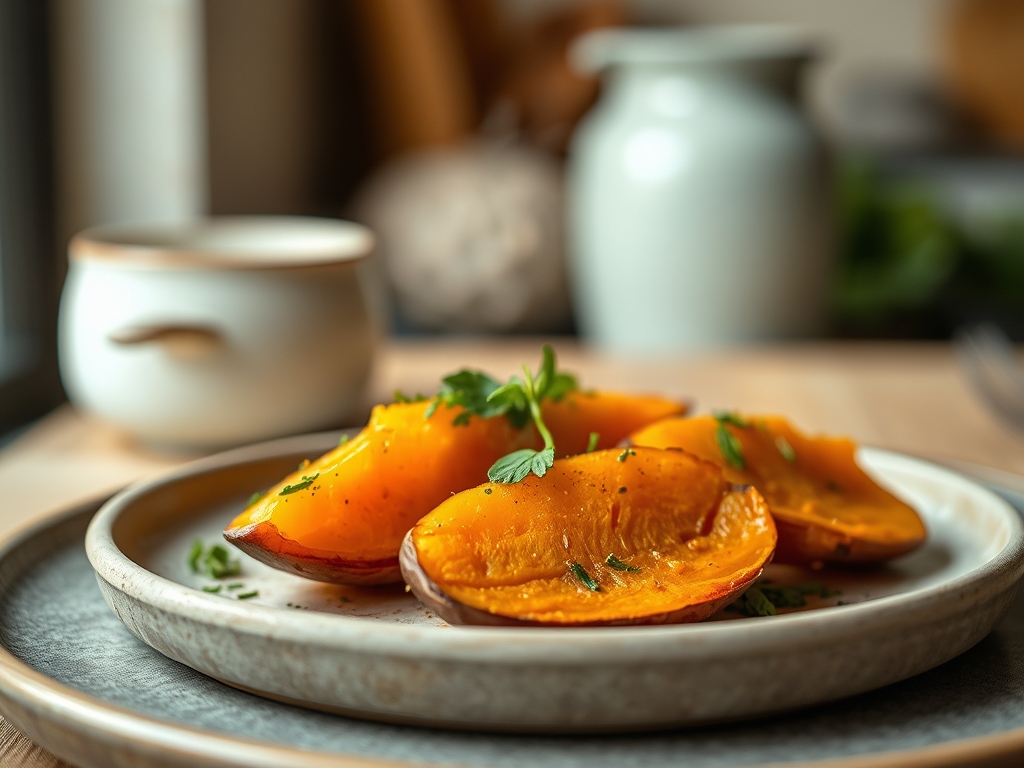
Imagine the smell of caramelizing sugars wafting through your kitchen as the oven works its magic on a humble tuber. We are moving beyond the basic foil wrap to unlock the true potential of the orange-fleshed gem. When you search for easy sweet potato recipes oven style, you are looking for that perfect intersection of crispy skin and a custard-like interior. This guide transforms a simple root vegetable into a culinary masterpiece using nothing but heat and a bit of chemistry.
The sweet potato is a botanical wonder, packed with complex starches that, when treated with the right thermal application, transform into maltose. This natural sugar is what creates that deep, molasses-like flavor we crave. Whether you are prepping for a weeknight dinner or a sophisticated brunch, mastering the oven environment is your ticket to texture heaven. Forget the microwave; we are going for the gold with high-heat roasting and precise moisture control.
The Gathers:
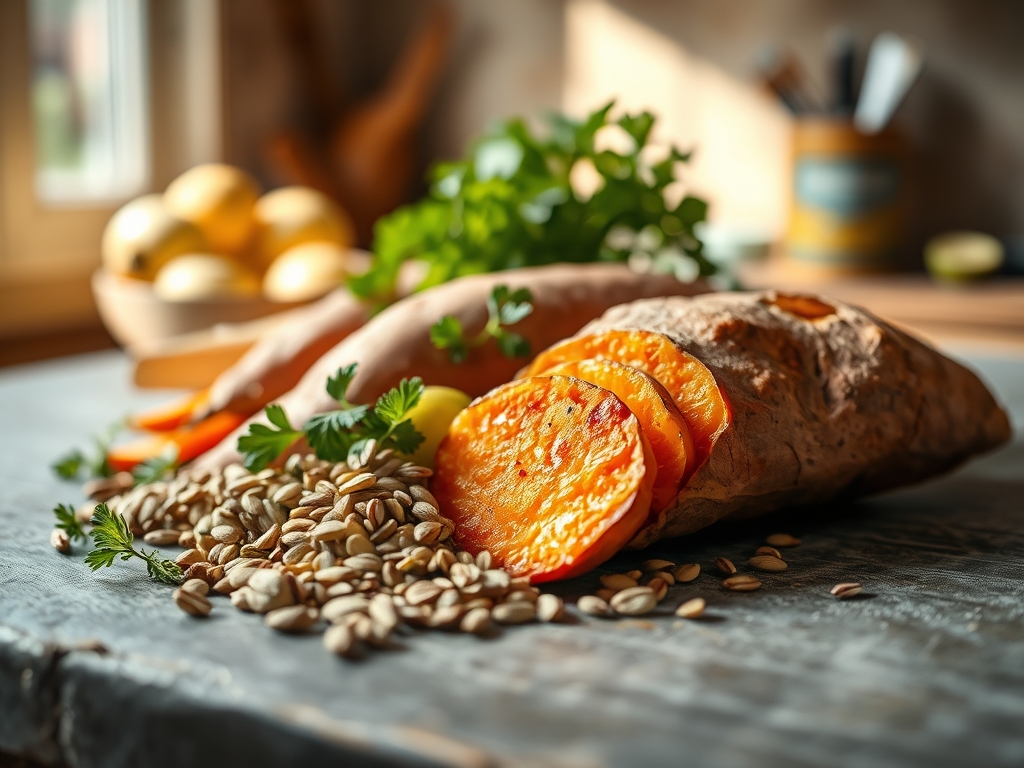
Before we preheat, let us assemble the mise-en-place. You will need a variety of sweet potatoes; look for Garnet or Jewel varieties for their high moisture content and vibrant color. For tools, grab your digital scale to ensure uniform sizing, a bench scraper for easy cleanup of peels, and a heavy-duty rimmed baking sheet to prevent warping under high heat.
The science of flavor starts with your fats. Use a high-smoke-point oil like avocado or grapeseed to avoid acrid notes. For seasonings, keep a microplane handy for zesting citrus or grating fresh ginger to cut through the starch. Our "Smart Substitutions" include using coconut oil for a tropical aromatic profile or duck fat if you want to render a savory, umami-heavy crust that rivals a steakhouse side.
The Clock
Efficiency in the kitchen is all about the "Chef's Flow." Total active prep time for these hacks is roughly 15 minutes, while the oven does the heavy lifting for 30 to 50 minutes depending on the cut.
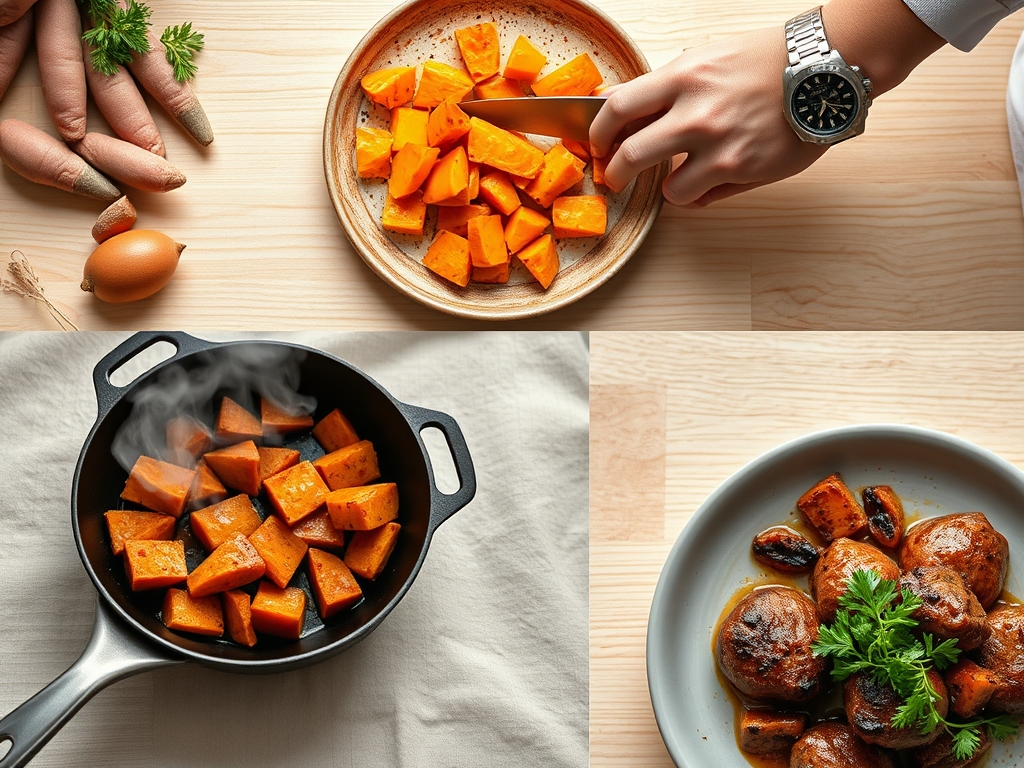
The flow works like this: start by preheating your oven to 425 degrees Fahrenheit. While the air inside the chamber begins to aerate and circulate, you perform your knife work. By the time your potatoes are cubed or sliced, the oven is a pressurized heat box ready for immediate searing. This prevents the potatoes from sitting in their own moisture, which can lead to a soggy, lackluster result.
The Masterclass
1. The Hasselback Precision
Using two wooden spoons as guides, slice the potato into thin rounds without cutting all the way through the base. This increases the surface area for the Maillard reaction.
Pro Tip: The increased surface area allows heat to penetrate the core faster, reducing the risk of a raw center while the outside turns crispy.
2. The Salt-Crust Dehydration
Place whole potatoes on a bed of coarse sea salt. The salt acts as a desiccant, drawing out excess surface moisture to ensure the skin becomes parchment-thin and brittle.
Pro Tip: This technique utilizes osmotic pressure to concentrate the natural sugars inside the flesh, making it taste twice as sweet without added sugar.
3. The Par-Boil and Rough-Up
Boil cubes for five minutes, drain, and shake them in the pot to create a starchy "slurry" on the surface before roasting.
Pro Tip: This slurry increases the surface area for oil to cling to, creating a glass-like crunch once the starches gelatinize and then dehydrate in the oven.
4. The Miso-Butter Glaze
Whisk white miso and softened butter into a viscous paste and brush it on during the last ten minutes of roasting.
Pro Tip: Miso provides fermented enzymes that interact with the potato starches, creating a deeply piquant and savory profile that balances the tuber's sweetness.
5. The Smashed "Coin" Technique
Roast small rounds until soft, then use a heavy-bottomed skillet to smash them flat and return them to the oven.
Pro Tip: Smashing breaks the cellular walls of the potato, allowing the interior starches to make direct contact with the hot pan for maximum browning.
6. The Cornstarch Dusting
Toss raw fries in a light coating of cornstarch and smoked paprika before adding oil.
Pro Tip: Cornstarch acts as a moisture barrier, preventing the interior steam from softening the exterior crust as it cools.
7. The Twice-Baked Aeration
Scoop out the cooked flesh, whip it with a splash of heavy cream to infuse air, and pipe it back into the skins.
Pro Tip: Incorporating air bubbles creates a thermal insulator, keeping the filling hot for longer while providing a light, mousse-like mouthfeel.
The Deep Dive
From a macro perspective, sweet potatoes are a powerhouse of Vitamin A and fiber. For those following a Keto lifestyle, keep portions small and pair with high-fat proteins. Vegan swaps are effortless; use tahini or nutritional yeast to provide that creamy, cheesy finish without the dairy.
The Fix-It:
- Soggy Fries: You likely overcrowded the pan. Steam becomes trapped between the pieces. Space them out so the hot air can circulate.
- Burnt Ends, Raw Middle: Your oven temperature is too high. Drop it by 25 degrees and use tongs to rotate the pieces halfway through.
- Bland Flavor: You forgot to season the oil. Fat is a carrier for flavor; infuse your oil with garlic or herbs before tossing.
For meal prep, the reheating science is vital. Avoid the microwave, which turns starches into rubber. Instead, use a toaster oven or air fryer at 350 degrees to re-crisp the exterior through conduction heating.
The Wrap-Up
Mastering easy sweet potato recipes oven techniques is about understanding how heat interacts with starch and sugar. By manipulating surface area and moisture, you can turn a budget-friendly staple into a gourmet experience. Don't be afraid to experiment with bold aromatics and different roasting heights in your oven. Your kitchen is your lab; go make something delicious!
The Kitchen Table
How do I get my sweet potatoes really crispy?
The secret is removing surface moisture. Pat the potatoes dry after cutting and toss them with a light coating of cornstarch or arrowroot powder before adding oil. This creates a starchy barrier that crisps up beautifully under high heat.
Why are my roasted sweet potatoes mushy?
Mushiness usually happens due to overcrowding on the baking sheet. When potatoes are too close, they release steam that "boils" the neighboring pieces. Ensure at least a half-inch of space between each piece for proper air circulation and browning.
Do I need to peel sweet potatoes before roasting?
Peeling is optional but keeping the skin on provides more fiber and a rustic texture. If you keep the skin, scrub it well with a vegetable brush to remove grit. The skin also helps the potato hold its shape.
What is the best temperature for roasting sweet potatoes?
A temperature of 425 degrees Fahrenheit is the "sweet spot." It is hot enough to trigger the Maillard reaction for browning but not so hot that the natural sugars burn before the interior is fully cooked and tender.