
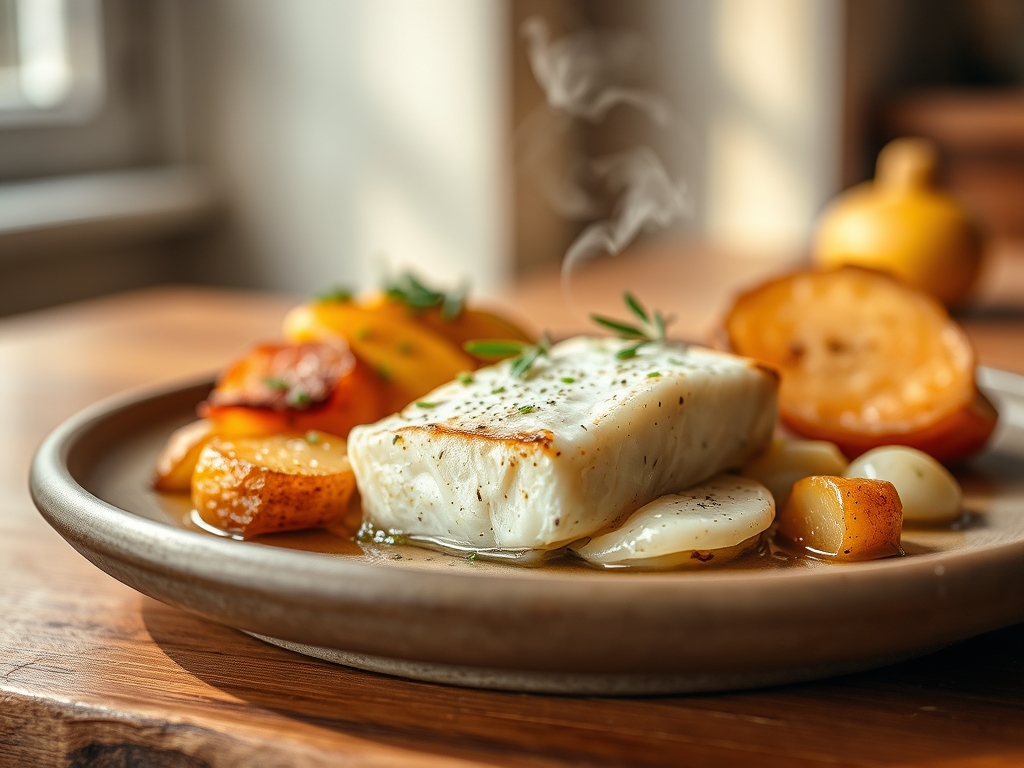
Imagine the sound of a heavy-bottomed skillet meeting a high-flame burner; that sharp, metallic ring is the starting bell for a culinary transformation. We are moving far beyond the basic fish fry to explore nine sophisticated cod and potato recipes that bridge the gap between rustic comfort and fine-dining precision. There is a specific magic that happens when the flaky, lean protein of Atlantic cod meets the starchy, cellular structure of a Yukon Gold potato. It is a partnership of textures where the fish provides the delicate, oceanic brine and the potato acts as a structural vessel for flavor. Whether we are talking about a velvety brandade or a crisp, pan-seared fillet resting on a bed of fondant potatoes, the chemistry of these two ingredients is undeniable.
The secret to mastering these dishes lies in understanding moisture management. Cod is a high-moisture fish that can easily become "weepy" if not treated with respect; meanwhile, potatoes are sponges for fat and acid. When you learn to balance the two, you unlock a repertoire of meals that feel indulgent yet clean. We are going to dive deep into the molecular mechanics of starch gelatinization and protein denaturation so you can host a feast that leaves your guests wondering if you secretly attended Le Cordon Bleu over the weekend. Grab your apron and your sharpest chef's knife; we are about to turn these humble pantry staples into a masterclass of savory excellence.
The Gathers:
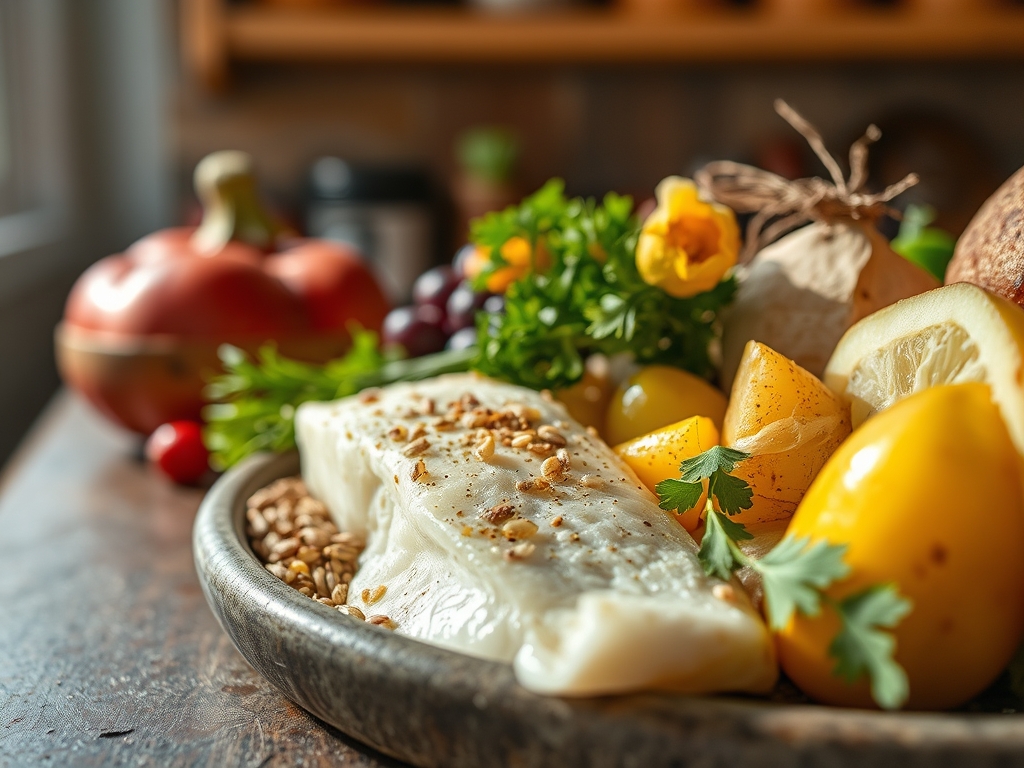
To execute these cod and potato recipes with professional flair, your mise-en-place must be impeccable. Start with the potatoes. For mashes and brandades, choose Russets for their high starch content and low moisture, which allows them to aerate into a cloud-like consistency. For roasting or braising, reach for Yukon Golds or Red Bliss; their waxy texture ensures they hold their shape even after absorbing a piquant braising liquid. Your cod should be firm to the touch and translucent, never opaque or "milky," which indicates age.
On your workstation, you should have high-quality fats. We are talking about unsalted European-style butter with a high butterfat content and cold-pressed extra virgin olive oil. For aromatics, keep a steady supply of shallots, garlic, and fresh thyme. A microplane is essential here for zesting lemons and grating fresh nutmeg, which provides a necessary earthy counterpoint to the fish.
Smart Substitutions:
If you cannot find fresh cod, high-quality frozen loins are often "fresher" because they are flash-frozen at sea. Just ensure you thaw them in the refrigerator on a wire rack to prevent them from sitting in their own purge. For a lower-glycemic option, you can substitute the potatoes with celery root (celeriac). It mimics the creamy texture of a potato when pureed but offers a nutty, sophisticated edge that pairs beautifully with white fish. If you are looking to increase the umami profile, swap standard salt for smoked sea salt or add a dash of fish sauce to your potato poaching liquid.
The Clock: Chef's Flow
Efficiency in the kitchen is about "The Flow." For these nine recipes, your average active prep time is 25 minutes, with total cook times ranging from 20 to 45 minutes. The "Chef's Flow" dictates that you always start with the potatoes. Because they are dense and require starch gelatinization (which happens at approximately 150 degrees Fahrenheit), they take longer to cook than the cod.
While the potatoes simmer or roast, use that window to portion your fish and let it temper on the counter. Cold fish hitting a hot pan causes the proteins to contract violently, leading to a tough texture. By the time your potatoes are ready for their final transformation, your cod will be at the perfect temperature for a quick, high-heat sear or a gentle poach.
The Masterclass:
1. The Foundation: Potato Preparation
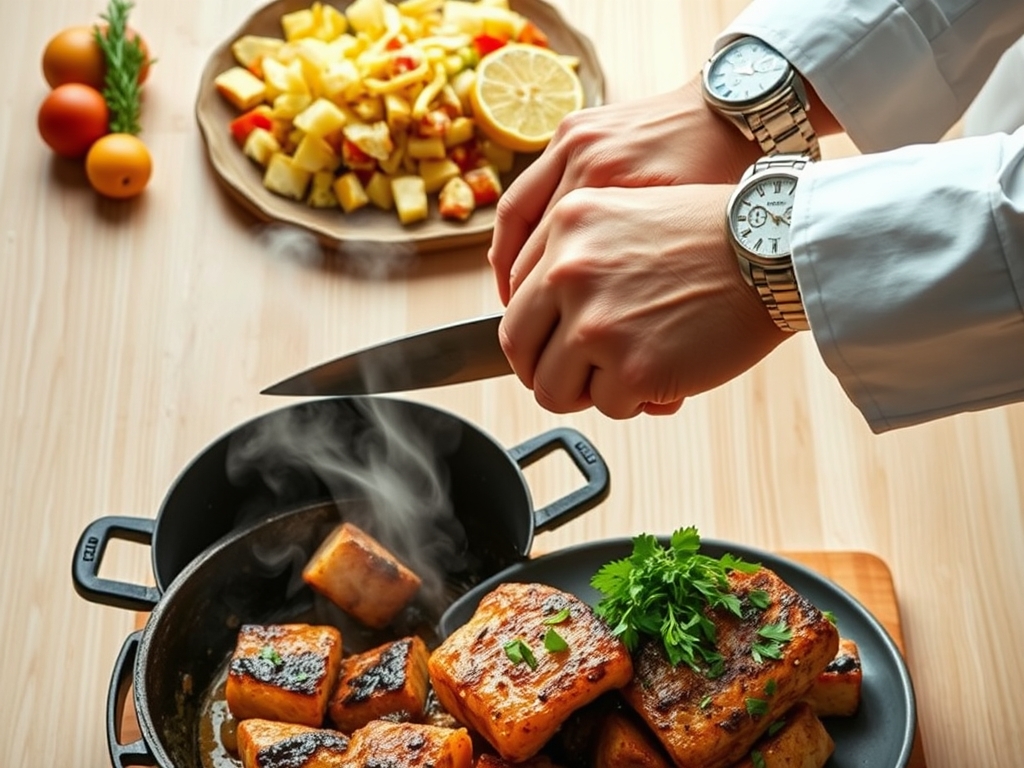
Peel and cube your potatoes into uniform one-inch pieces to ensure even cooking. Place them in cold, heavily salted water. Starting with cold water allows the exterior and interior of the potato to heat at the same rate, preventing the outside from turning to mush before the center is tender.
Pro Tip: This is the science of pectin breakdown. By adding a teaspoon of vinegar to the water, you can help the potatoes maintain their shape if you are making a salad or a chunky stew, as acid slows the breakdown of the vegetable's cellular walls.
2. The Sear: Achieving the Maillard Reaction
Pat your cod fillets bone-dry with paper towels. Any surface moisture will create steam, preventing that golden-brown crust. Heat a heavy-bottomed skillet with a high-smoke-point oil until it shimmers. Lay the fish away from you to avoid oil splatter.
Pro Tip: The Maillard Reaction occurs when amino acids and reducing sugars react under heat. To maximize this, do not crowd the pan. Crowding drops the temperature of the skillet, causing the fish to release its juices and poach rather than sear.
3. The Emulsion: Marrying the Two
For dishes like brandade or cod chowder, you must emulsify your fats into the potato base. Slowly incorporate warm cream or olive oil into your mashed potatoes while whisking vigorously or using a saucier to maintain constant motion.
Pro Tip: This creates a viscous suspension. If the mixture breaks (looks oily), add a tablespoon of warm water and whisk rapidly. The water acts as a bridge to re-establish the bond between the fat and the starch.
4. The Finish: Resting and Carryover Heat
Once the cod reaches an internal temperature of 130 degrees Fahrenheit, remove it from the heat. The temperature will continue to rise as it rests on the warm potatoes.
Pro Tip: This is known as thermal carryover. If you cook the fish to 145 degrees in the pan, it will be overdone by the time it reaches the table. Resting allows the muscle fibers to relax and reabsorb juices, ensuring a succulent flake.
The Deep Dive:
From a nutritional standpoint, cod and potato recipes are a powerhouse. Cod is a lean source of high-quality protein and B vitamins, while potatoes provide potassium and complex carbohydrates. To keep it Keto-friendly, replace 75 percent of the potatoes with roasted cauliflower. For a Vegan twist, use a "hearts of palm" substitute for the cod and vegan butter for the mash.
The Fix-It: Common Pitfalls
- Gummy Potatoes: This happens when you overwork the starch. Never use a food processor; use a ricer or a food mill to keep the texture light.
- Fish Sticking to Pan: Your pan wasn't hot enough, or you tried to flip the fish too early. Wait for the protein to naturally release from the surface.
- Bland Flavor: Cod is mild. If it tastes flat, you need more acid. A squeeze of fresh lemon or a splash of dry white wine used to deglaze the pan will brighten the entire profile.
Meal Prep Science:
To reheat, avoid the microwave at all costs. It rubberizes the fish. Instead, place the leftovers in a covered dish with a splash of water and heat in a 300-degree oven. This creates a gentle steam environment that rehydrates the starch in the potatoes without overcooking the cod.
The Wrap-Up:
Mastering these cod and potato recipes is about more than just following a list of instructions; it is about understanding the interplay of heat, salt, and texture. You now have the technical knowledge to manipulate starches and proteins like a pro. Whether you are serving a crispy pan-seared fillet over a lemon-herb mash or a hearty, rustic stew, remember that the best food comes from a place of curiosity and precision. Now, go forth, fire up that skillet, and turn your kitchen into the hottest bistro in town!
The Kitchen Table:
Why does my cod fall apart in the pan?
Cod is naturally flaky due to its delicate connective tissue. To prevent breaking, ensure the fish is dry and the pan is hot. Use a fish spatula to gently lift the fillet only after a crust has formed.
Can I use waxy potatoes for a mash?
You can, but the texture will be "heavy" and translucent rather than fluffy. Waxy potatoes like Red Bliss are better for salads or gratins where you want the slices to remain distinct and firm after cooking.
How do I know when the cod is perfectly cooked?
The fish should be opaque and flake easily with a fork. If you have a digital thermometer, aim for an internal temperature of 135 to 140 degrees Fahrenheit for the perfect balance of moisture and firmness.
Is it better to peel potatoes before or after boiling?
Boiling potatoes in their skins preserves more of the starch and flavor. Once tender, the skins will slip right off. This technique results in a richer, more "potato-forward" taste in your final cod and potato recipes.