
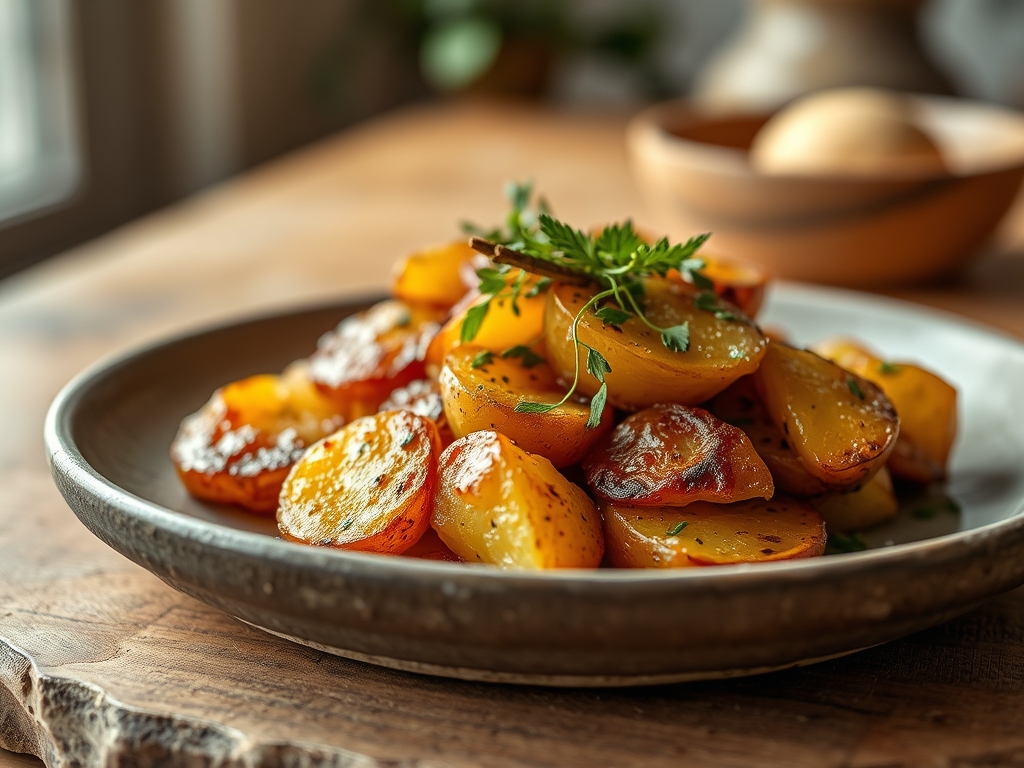
The scent of schmaltz hitting a hot pan is the official starting gun of the holiday season. When you are navigating the dietary restrictions of the Seder, the humble tuber becomes your absolute best friend and most versatile MVP. Finding the perfect potato recipes passover style requires more than just boiling a pot of water; it demands an understanding of starch structures and moisture control to transform a simple root vegetable into a culinary masterpiece. We are moving far beyond the basic mash to explore textures that range from glass-shattering crispness to velvet-smooth purees. Whether you are aiming for a rustic galette or a sophisticated fondant potato, the secret lies in how you manipulate the amylose and amylopectin levels within the cell walls. This guide is designed to help you master the chemistry of the potato so your holiday table feels like a high-end bistro rather than a compromise. Grab your apron and your favorite chef knife; we are about to elevate your holiday side dish game to a professional level of sophistication and flavor.
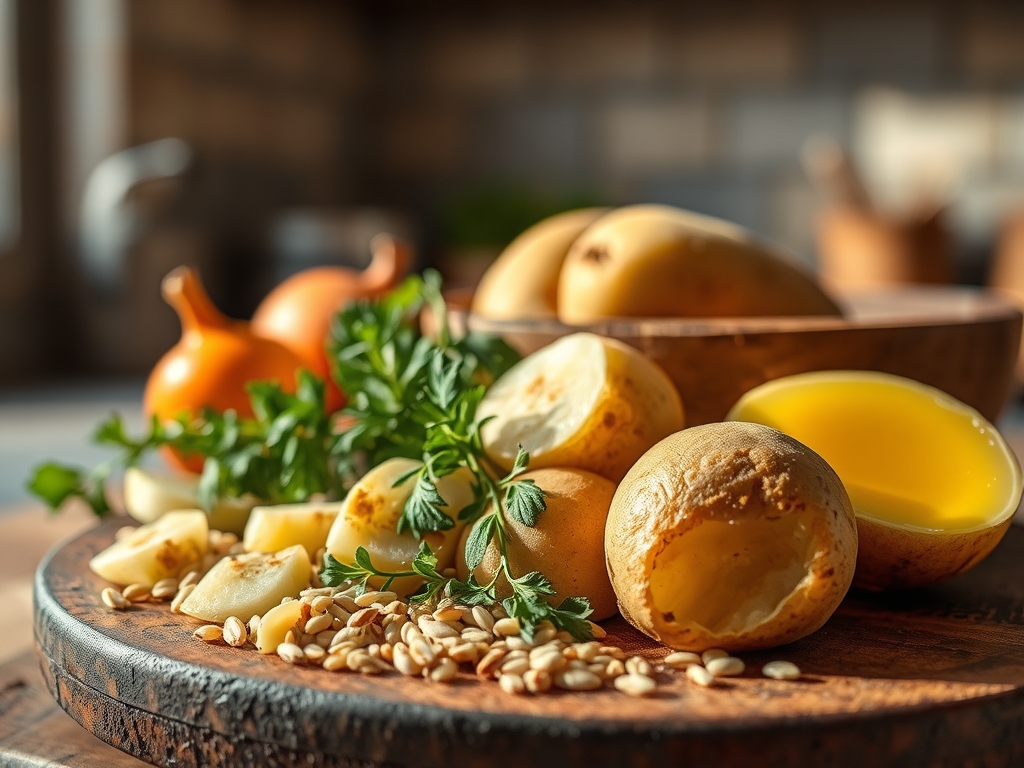
The Gathers:
To execute these potato recipes passover favorites, your mise-en-place must be precise. Start with a selection of high-starch Russets for fluffiness and waxy Yukon Golds for structural integrity. You will need high-quality fats like extra virgin olive oil or rendered duck fat to achieve a piquant crust. Fresh aromatics are non-negotiable; gather sprigs of rosemary, thyme, and plenty of garlic cloves. For seasoning, use flaky sea salt to provide a textural crunch and freshly cracked black pepper for a sharp bite.
Smart Substitutions: If you are avoiding kitniyot, swap out cornstarch for potato starch as your primary thickening agent. It provides a more translucent, viscous finish to sauces. Instead of butter, use clarified schmaltz to infuse a deep, savory richness that mimics the mouthfeel of dairy without breaking dietary laws. Use a microplane to zest lemons over your finished dishes; the citric acid cuts through the heavy lipids and brightens the earthy notes of the tuber.
The Clock
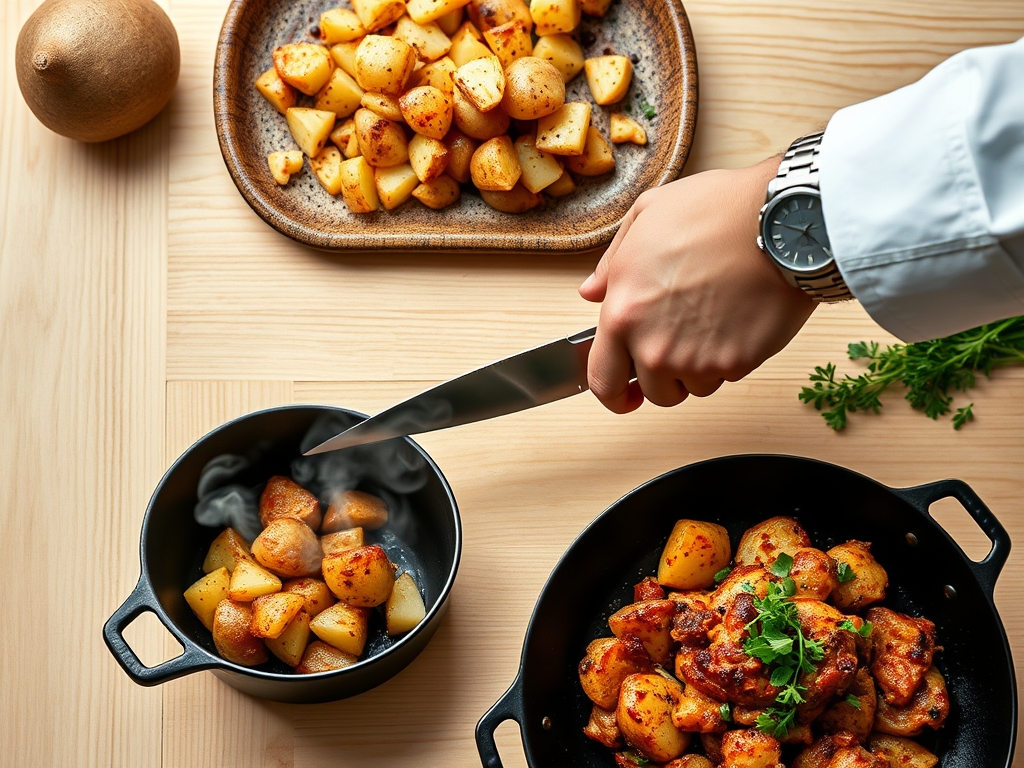
Efficiency in the kitchen is about mastering the Chef's Flow. For these eight variations, expect a total active prep time of 45 minutes, with staggered roasting times ranging from 20 to 60 minutes. The flow begins with your high-moisture tasks; peel and soak your potatoes first to remove excess surface starch. While the potatoes undergo their initial parboil, use your bench scraper to clear your station and prep your herb infusions. By the time your heavy-bottomed skillet is preheated, your potatoes will be ready for their high-heat sear. This synchronized approach ensures that every dish reaches the table at its peak thermal state.
The Masterclass
1. The Triple-Cooked Crispy Cube
Peel and dice your Russets into uniform one-inch cubes to ensure even heat distribution. Parboil them in heavily salted water until the edges are frayed and fuzzy.
Pro Tip: This "fuzz" increases the surface area for the Maillard reaction. As the potatoes roast in oil, these tiny starch particles dehydrate and fuse into a microscopic honeycomb structure that creates an incredible crunch.
2. The Silk-Road Puree
Pass boiled Yukon Golds through a food mill or ricer into a saucier. Incorporate your fat of choice using a folding motion rather than stirring to avoid overworking the starch.
Pro Tip: Avoid using a blender or food processor. High-speed blades rupture the starch granules, releasing amylose which turns your elegant puree into a gummy, glue-like paste. Use a ricer for maximum aeration.
3. The Hasselback Accordion
Place the potato between two wooden spoons and slice thin ribbons down to the spoon handles. This prevents you from cutting all the way through the base.
Pro Tip: Brush the potato with fat halfway through the roast. This utilizes thermal carryover to cook the interior while the open "fins" of the potato act like individual chips, maximizing the crispy-to-creamy ratio.
4. The Smashed Fingerling
Boil fingerling potatoes until tender; then use a heavy-bottomed skillet to press them flat. Sear them in a hot pan with rosemary and garlic.
Pro Tip: Smashing the potato breaks the skin and exposes the interior flesh to direct contact with the pan. This allows for enzymatic browning on both the skin and the starch, creating multiple layers of flavor.
5. The Grated Latke Cup
Grate potatoes into a clean kitchen towel and wring out every drop of moisture. Mix with egg and potato starch before pressing into muffin tins.
Pro Tip: Removing moisture is vital because water turns to steam in the oven. By dehydrating the shreds before cooking, you ensure the fat can effectively fry the potato strands rather than steaming them.
6. The Herb-Infused Fondant
Cut potatoes into thick cylinders and sear the ends in a skillet. Add broth and aromatics; then transfer the whole pan to the oven to braise.
Pro Tip: This method uses two types of heat. The initial sear provides a crust, while the braising liquid allows the potato to absorb flavor through osmosis, resulting in a melt-in-your-mouth texture.
7. The Rustic Galette
Use a mandoline to create paper-thin slices. Layer them in concentric circles in a cast iron pan, brushing each layer with infused oil.
Pro Tip: Weight the galette down with a second heavy pan during the first half of cooking. This compresses the layers and ensures the starch bonds the slices together into a solid, sliceable cake.
8. The Roasted Wedge with Gremolata
Cut potatoes into long wedges and toss with salt and oil. Roast at high heat until the skins are blistered and the insides are pillowy.
Pro Tip: Toss the hot wedges with a fresh gremolata of parsley and lemon zest immediately after removing them from the oven. The residual heat will bloom the oils in the herbs without wilting them completely.
The Deep Dive
Nutritiously, potatoes are a powerhouse of potassium and Vitamin C, especially when the skins are left intact to preserve fiber. For a vegan twist, replace schmaltz with avocado oil; it has a high smoke point and a neutral profile. If you are aiming for a lower-carb profile, substitute half the potato volume with cauliflower florets, which mimic the texture of a mash when processed correctly.
The Fix-It: If your potatoes are browning too fast, tent them with foil to stop the Maillard reaction while the centers finish softening. If they are sticking to the pan, you likely tried to flip them too early; wait for the proteins to release naturally from the surface. If the dish is bland, add a splash of apple cider vinegar. The acid acts as a flavor enhancer that mimics the effect of salt without the sodium.
For meal prep, never microwave your leftovers. The microwave excites water molecules, making the starch soggy. Instead, reheat in a 400-degree oven or an air fryer to recrisp the exterior and maintain that "day-one" structural integrity.
The Wrap-Up
Mastering potato recipes passover style is your ticket to a legendary holiday meal. By understanding the science of starch and the power of high-heat fats, you turn a pantry staple into the star of the show. Remember to focus on moisture removal for crunch and gentle handling for creams. Your kitchen is now a lab of delicious possibilities; go forth and roast with confidence.
The Kitchen Table
Why do my roasted potatoes turn out soggy?
Sogginess usually results from overcrowding the pan or failing to dry the potatoes. When potatoes are too close, they release steam that softens the exterior. Space them out on a preheated baking sheet to ensure the moisture evaporates instantly.
Can I prep potatoes ahead of time without them turning brown?
Yes, use the cold water submersion method. Once cut, place potatoes in a bowl of cold water with a splash of lemon juice or vinegar. This prevents enzymatic browning by blocking oxygen from reaching the surface of the vegetable.
What is the best potato for a crispy finish?
Russet potatoes are the gold standard for crispiness. Their high starch content and low moisture levels allow the exterior to dehydrate quickly in hot fat, creating a thick, crunchy crust while the inside remains light and fluffy.
How do I make my mashed potatoes extra fluffy?
The secret is drying the potatoes after boiling. Once drained, return them to the hot pot for sixty seconds to evaporate excess water. Use a ricer to incorporate air and avoid over-mixing, which prevents a gluey texture.