

Picture the scene: a cool evening breeze carries the scent of smoldering fruitwood while a vibrant, coral-pink fillet sizzles atop a preheated grate. We are not just cooking dinner; we are mastering the delicate interplay of thermal physics and lipid preservation. When searching for the ultimate pellet grilled salmon recipes, most enthusiasts focus on the glaze, but the true secret lies in the smoke profile and moisture retention. The goal is a butter-soft interior protected by a crisp, mahogany exterior that yields to the slightest pressure of a fork.
This isn't your average Tuesday night bake. This is a culinary transformation where wood-fired convection creates a convection-like environment, circulating warm, flavored air around the protein to render fats while infusing the flesh with a subtle, piquant sweetness. We are aiming for that perfect "shatter" on the skin and a translucent, medium-rare center that melts on the tongue. Grab your apron and your favorite digital thermometer; we are going deep into the science of the smoke.
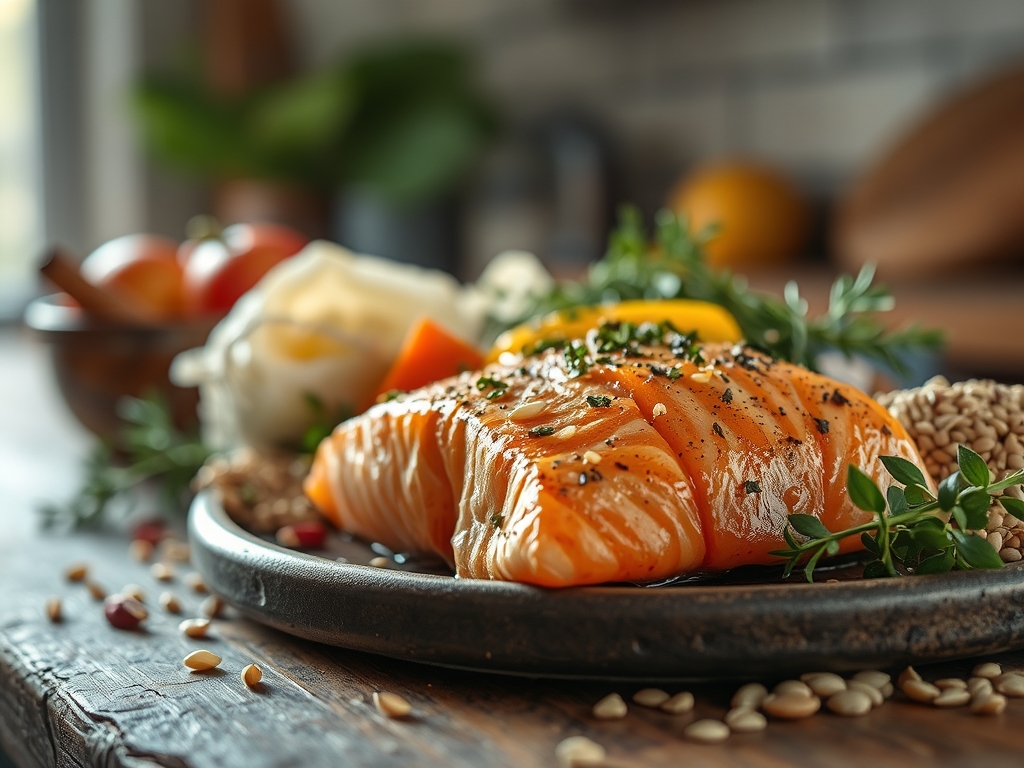
The Gathers:
To achieve professional results, your mise-en-place must be precise. Start with a high-quality center-cut Atlantic or King salmon fillet, preferably with the skin intact to act as a thermal barrier. You will need high-smoke-point fats like avocado oil to facilitate heat transfer without scorching. For the seasoning, gather coarse kosher salt, cracked black pepper, and a touch of brown sugar to encourage the Maillard reaction.
Smart Substitutions: If you are avoiding refined sugar, use a drizzle of maple syrup or honey, which contains natural enzymes that help the crust caramelize at lower temperatures. If salmon is unavailable, steelhead trout offers a similar fat content and structural integrity. For the aromatic component, use a microplane to zest fresh lemon over the fish post-cook; this ensures the volatile oils do not evaporate in the high heat of the grill.
The Clock
Efficiency in the kitchen is all about the "Chef's Flow." Total active preparation time is approximately 15 minutes, which includes patting the fish dry and calibrating your digital scale for precise seasoning ratios. The cooking phase generally spans 20 to 30 minutes depending on the thickness of the fillet and your desired internal temperature.
The flow begins with the "Dry Brine Phase" (10 minutes), followed by the "Grill Pre-Heat" (15 minutes). While the salmon smokes, use this time to prepare a cold emulsion or a bright chimichurri. Remember to account for the "Resting Phase" (5 minutes), which allows the muscle fibers to relax and reabsorb juices. Total time from fridge to table is roughly 50 minutes.
The Masterclass
1. The Desiccated Surface Prep
Before the fish touches the heat, use a paper towel to remove every trace of surface moisture. A dry surface is the only way to achieve a crisp texture rather than a steamed one.
Pro Tip: This is known as surface evaporation. By removing moisture, you ensure the energy of the grill goes toward browning the proteins rather than boiling the water on the surface of the fish.
2. The Precision Seasoning
Apply a light coating of oil followed by your dry rub. Use a bench scraper to clean your workspace afterward, ensuring no cross-contamination occurs between the raw fish and your garnish station.
Pro Tip: Salt acts as a denaturant, breaking down tightly wound proteins so they can retain more moisture during the cook. This prevents the white "albumin" from leaking out of the sides.
3. The Low and Slow Infusion
Set your pellet grill to 225 degrees Fahrenheit. Place the salmon skin-side down on the grates. This allows the smoke to infuse the fat layers before the heat becomes too intense.
Pro Tip: Pellet grills use forced induction fans. This movement of air creates a thin "pellicle" on the surface of the fish, which acts as a sticky layer that captures smoke particles more effectively.
4. The Thermal Ramp-Up
Once the internal temperature reaches 110 degrees, increase the grill heat to 400 degrees. Use heavy-duty tongs to ensure the fillet stays stable during this transition.
Pro Tip: This technique utilizes thermal carryover. By finishing at a higher heat, you crisp the skin and caramelize the sugars without overcooking the delicate interior proteins.
5. The Internal Calibration
Use a high-quality probe to monitor the thickest part of the fillet. You are looking for an internal temperature of 135 degrees for a perfect medium finish.
Pro Tip: Removing the fish at 135 degrees allows for "carryover cooking." The residual heat will continue to raise the temperature to a food-safe 145 degrees while the fish rests on the counter.
6. The Acidic Finish
Once removed, use a saucier to drizzle a warm butter and herb reduction over the top. The acidity of the lemon zest will cut through the viscous nature of the salmon's natural oils.
Pro Tip: This is the "Brightening Effect." Acidic molecules interact with our taste buds to heighten the perception of salt and smoke, making the flavors "pop" more intensely.
The Deep Dive
Macro Nutrition: Salmon is a nutritional powerhouse, offering approximately 25 grams of protein and 13 grams of healthy fats per 6-ounce serving. It is rich in Omega-3 fatty acids, which are essential for cognitive function and heart health.
Dietary Swaps: For a Keto-friendly version, omit the sugar in the rub and use a mustard-based binder. For a Vegan alternative, this same smoking technique works beautifully on thick slabs of "Watermelon Steak" or firm tofu, though the cooking times will decrease by half.
The Fix-It:
- The Albino Bleed: If you see white goop (albumin) on the fish, your heat is too high. Lower the grill temp immediately and use a digital thermometer to check for doneness.
- Stuck Skin: If the skin sticks to the grate, do not force it. Close the lid for 2 more minutes; the skin will naturally release once it has fully dehydrated and crisped.
- Acrid Smoke: If the smoke tastes bitter, your fire pot may be dirty. Always vacuum out the ash from your pellet grill before a long smoke session.
Meal Prep & Reheating: To maintain "day-one" quality, do not microwave leftover salmon. Instead, place it in a heavy-bottomed skillet with a tablespoon of water and cover with a lid. Heat on low for 4 minutes to steam the fish gently without toughening the proteins.
The Wrap-Up
Mastering pellet grilled salmon recipes is about more than just following a timer; it is about understanding how smoke and heat interact with delicate fats. By focusing on surface moisture, precise thermal monitoring, and the science of carryover cooking, you can transform a simple fillet into a five-star centerpiece. Now, go fire up that grill and show those pellets who is boss!
The Kitchen Table
What is the best wood pellet for salmon?
Fruitwoods like alder, apple, or cherry are ideal. They provide a mild, sweet smoke profile that complements the delicate fats of the fish without overpowering the natural flavor like hickory or mesquite might do.
How do I prevent salmon from sticking?
Ensure your grates are scrubbed clean and preheated thoroughly. Apply a high-smoke-point oil to the fish, not the grates. Wait for the skin to fully crisp; it will naturally release from the metal when it is ready.
Should I grill salmon with the skin on or off?
Always keep the skin on during the grilling process. It acts as a protective thermal barrier, preventing the flesh from drying out and providing a delicious, crispy texture that contrasts with the soft, tender meat.
How do I know when the salmon is done?
The most reliable method is using a digital thermometer. Aim for an internal temperature of 135 degrees Fahrenheit. The flesh should be opaque and flake easily with a fork while remaining moist and translucent in the very center.