
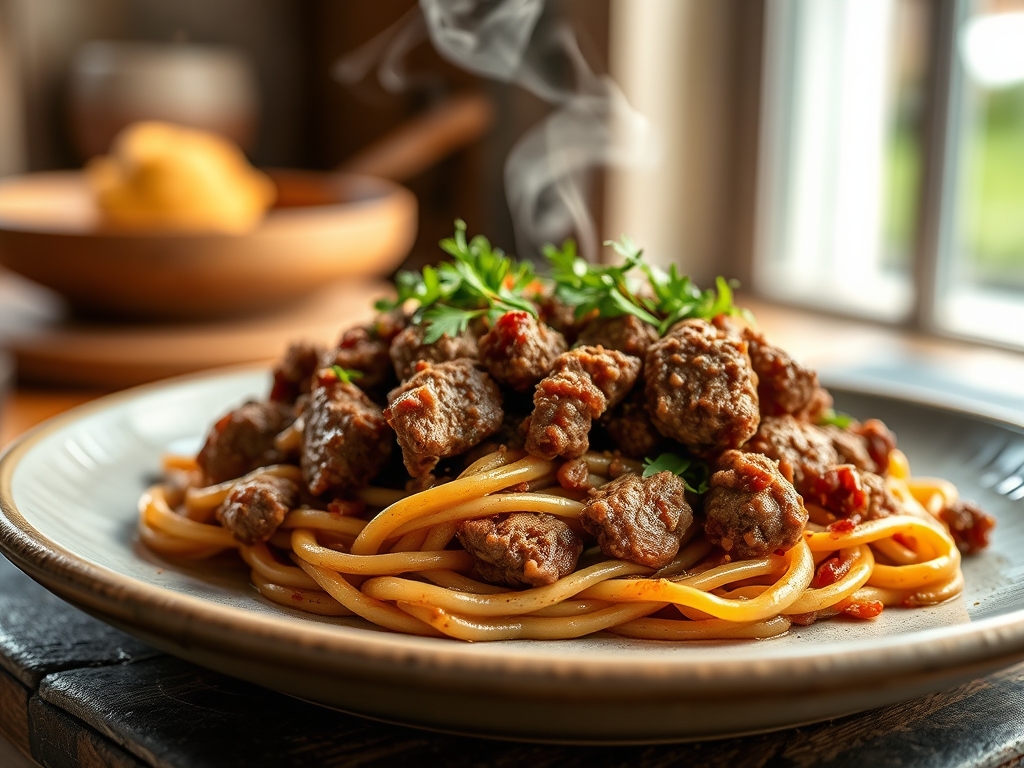
Imagine the sound of a heavy bottomed skillet hitting the burner. You drop in the protein and the room fills with that intoxicating, savory perfume of rendering fat. Finding truly satisfying dairy free ground beef recipes can feel like a chore; however, it is actually an opportunity to master the art of pure, unadulterated flavor without the masking effect of heavy cream.
Most people rely on cheese to provide the richness that ground beef naturally craves. But we are smarter than that. We are going to use the Maillard reaction to create deep, umami crusts and use plant based fats to achieve a silky mouthfeel. Whether you are craving a spicy Korean inspired bowl or a classic Mediterranean sauté, these six methods prove that dairy is entirely optional when you have the right technique. By the end of this guide, you will be deglazing like a pro and creating sauces so viscous and rich that no one will miss the parmesan. Let us get into the science of why this works.
The Gathers:
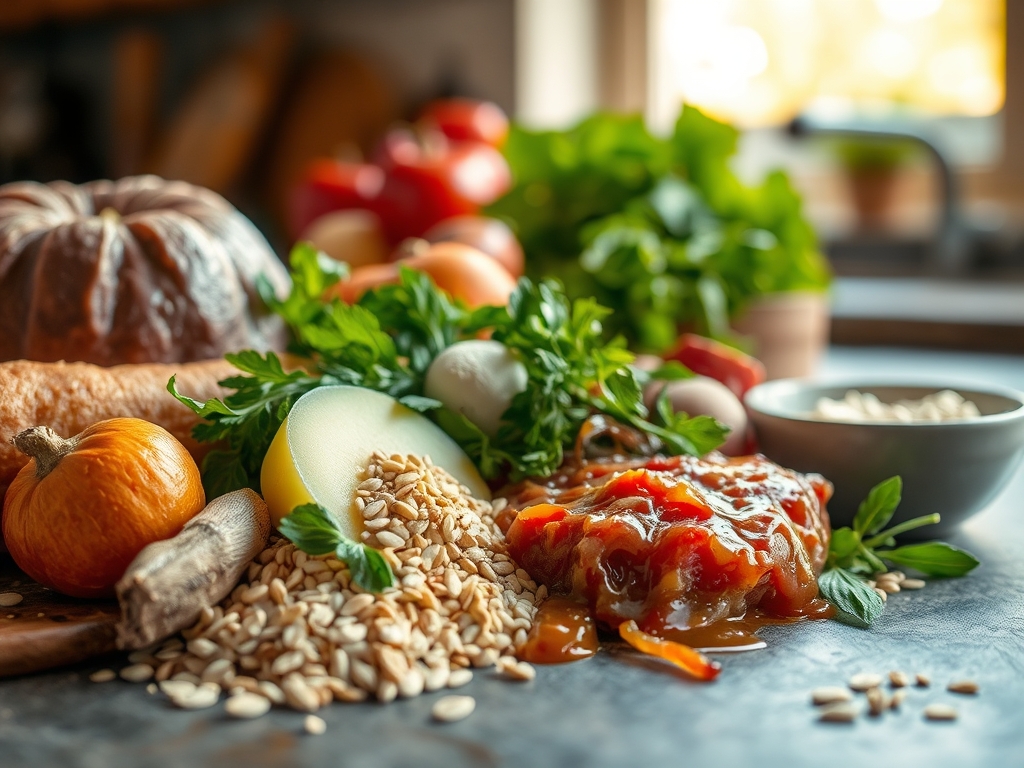
Before we light the flame, we must respect the mise-en-place. For these dairy free ground beef recipes, your ingredient list is a study in chemistry. We start with high quality grass fed beef, ideally an 80/20 blend. That twenty percent fat is not just for flavor; it is the medium for heat transfer. You will need aromatics like shallots and garlic, which contain sulfur compounds that transform into sweetness when heated.
Smart substitutions are the secret weapon here. To replace the creamy "mouthfeel" of dairy, we look to emulsified fats. Tahini, coconut aminos, and avocado oil are staples. For that sharp, piquant hit usually provided by aged cheese, we use nutritional yeast or a microplane to zest fresh lemon over the finished dish. Do not forget the acids. A splash of apple cider vinegar or a squeeze of lime acts as a bright counterpoint to the heavy, savory notes of the meat. Grab your digital scale to ensure your spice blends are precise; consistency is the hallmark of a great home chef.
The Clock
Efficiency in the kitchen is about "Chef's Flow." This is the psychological state where your movements are optimized to minimize downtime. For these recipes, the average prep time is fifteen minutes, with a cook time of twenty minutes. Total investment: thirty-five minutes for a world class meal.
The key to mastering the clock is overlapping tasks. While your skillet is preheating (a crucial step that takes about three minutes), you should be using a sharp chef's knife or a bench scraper to prep your aromatics. Never crowd the pan. If you try to cook two pounds of beef at once, you will drop the surface temperature of the metal, causing the meat to steam in its own juices rather than sear. This leads to a grey, rubbery texture. Cook in batches if necessary to maintain that high heat flow.
The Masterclass
1. The High Heat Sear
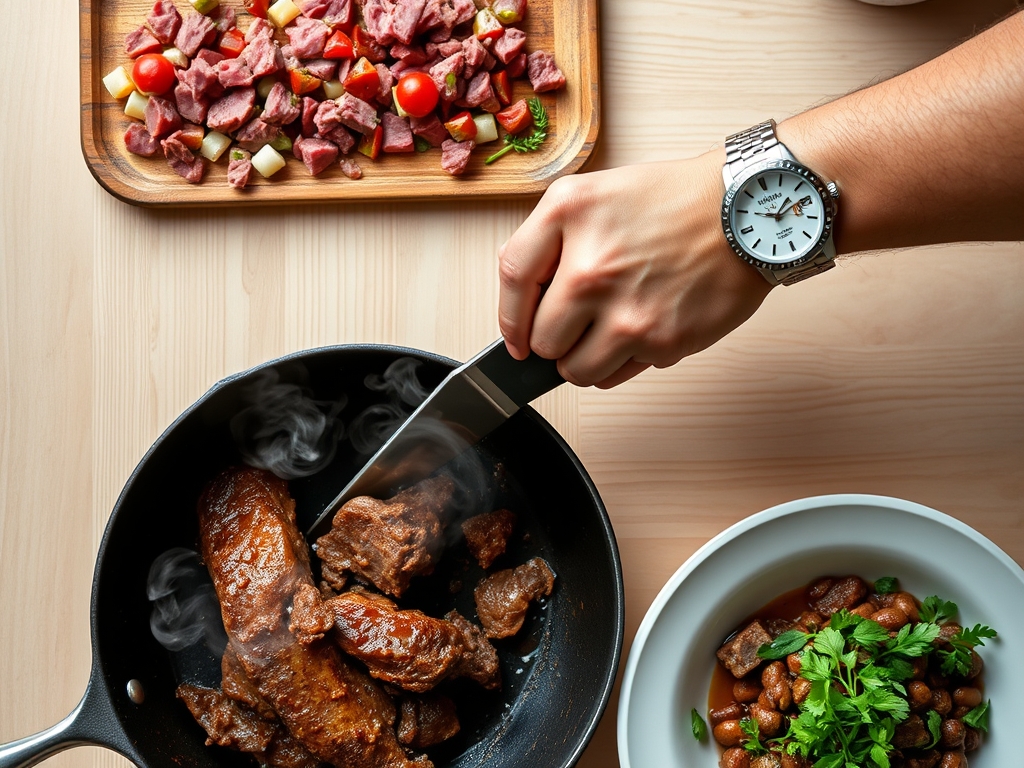
Place your heavy bottomed skillet over medium high heat until a drop of water flicked onto the surface dances and evaporates instantly. Add your beef in a flat layer and leave it alone. Do not stir. You are waiting for the Maillard reaction, a chemical reaction between amino acids and reducing sugars that gives browned food its distinctive flavor.
Pro Tip: This is called thermal conductivity. By leaving the meat undisturbed, you allow the heat to penetrate deeply, creating a crisp crust that seals in moisture.
2. Deglazing the Fond
Once the meat is browned and removed, you will see brown bits stuck to the bottom of the pan. This is "fond," which is French for "base." Pour in a liquid like beef bone broth or dry white wine. Use a wooden spoon or a flat edged spatula to scrape those bits up.
Pro Tip: Deglazing uses the principle of solubility. The flavorful compounds in the fond are alcohol and water soluble; lifting them creates a complex, built-in sauce for your dairy free ground beef recipes.
3. Building the Emulsion
To get that creamy texture without milk, we use the fat already in the pan. Whisk in a tablespoon of stone ground mustard or a dollop of cashew butter. These act as emulsifiers, binding the water based broth and the rendered beef fat into a smooth, viscous sauce.
Pro Tip: Emulsification is the process of dispersing two liquids that usually do not mix. The lecithin in mustard helps stabilize this bond, preventing your sauce from looking oily.
4. Infusing Aromatics
Lower the heat and add your garlic, ginger, or herbs. If you add these at the start, the high heat will burn the delicate oils and turn them bitter. By adding them toward the end, you infuse the fat with their volatile aromatic compounds without destroying them.
Pro Tip: This is known as lipid infusion. Fat is a carrier for flavor; by gently heating aromatics in the rendered beef fat, you distribute the taste evenly throughout the entire dish.
5. The Acid Balance
Just before serving, add your "bright" element. This could be a splash of rice vinegar or a handful of fresh cilantro. The acidity cuts through the richness of the beef, providing a necessary contrast that wakes up the palate.
Pro Tip: This involves pH balancing. High fat dishes can taste "flat." Adding an acid lowers the pH, which stimulates the salivary glands and makes the flavors seem more intense.
6. Resting the Protein
Even ground beef benefits from a brief rest. If you are making dairy free burgers or meatloaf, let the meat sit for five minutes before cutting. This allows the muscle fibers to relax and reabsorb the juices.
Pro Tip: This is carryover cooking. The internal temperature will continue to rise by about five degrees after you remove it from the heat, ensuring the center is perfectly cooked without drying out the exterior.
The Deep Dive
When we look at the macro nutrition of these dairy free ground beef recipes, we see a powerhouse of protein and healthy fats. A standard serving provides roughly twenty-five grams of protein and zero grams of lactose, making it incredibly easy on the digestive system. For those on specific diets, these recipes are naturally Keto and Paleo friendly. If you are Gluten Free, simply ensure your broth and tamari are certified. For a vegan swap, crumbled tempeh or lentils can be treated with the same searing techniques, though you will need to add more oil since they lack the natural tallow of beef.
The Fix-It:
- Greasy Sauce: If your sauce is breaking, whisk in a teaspoon of arrowroot powder dissolved in cold water. This starch will thicken and stabilize the liquid.
- Tough Meat: This usually happens from overworking the beef. When forming patties or browning, use a light touch. Over-mixing develops proteins too much, leading to a "rubbery" bite.
- Bland Flavor: You likely forgot to salt at every stage. Salt does not just make things salty; it unlocks the aromatic potential of the other ingredients.
Meal Prep: To maintain "day-one" quality, reheat your beef in a saucier over low heat with a tablespoon of broth. Avoid the microwave, which vibrates water molecules so violently that it toughens the protein structures.
The Wrap-Up
Mastering dairy free ground beef recipes is a total game changer for your kitchen repertoire. By focusing on the science of the sear and the magic of plant based emulsions, you can create meals that are faster, healthier, and arguably more flavorful than their cheesy counterparts. Put your tongs to work, trust your microplane, and remember that the best flavor comes from the technique, not the toppings. You have the tools; now go make something incredible!
The Kitchen Table
Can I make these recipes with lean ground beef?
Yes, but you must add a fat source like avocado oil. Lean beef lacks the tallow necessary for a proper Maillard reaction, so adding a high smoke point oil ensures the meat sears rather than dries out.
How do I get a "cheesy" flavor without dairy?
Nutritional yeast is your best friend. It has a nutty, savory profile that mimics aged cheddar. Combine it with a bit of garlic powder and sea salt to enhance the "umami" sensation in your ground beef dishes.
What is the best way to store leftovers?
Store in airtight glass containers for up to four days. Glass is non-reactive and won't absorb the oils or odors from the beef. Always leave a small amount of sauce to prevent the meat from oxidizing in the fridge.
Can I freeze these dairy free beef meals?
Absolutely. Ground beef dishes freeze beautifully because the fat content protects the protein from freezer burn. Thaw in the refrigerator overnight before reheating gently in a skillet to preserve the original texture and moisture.