
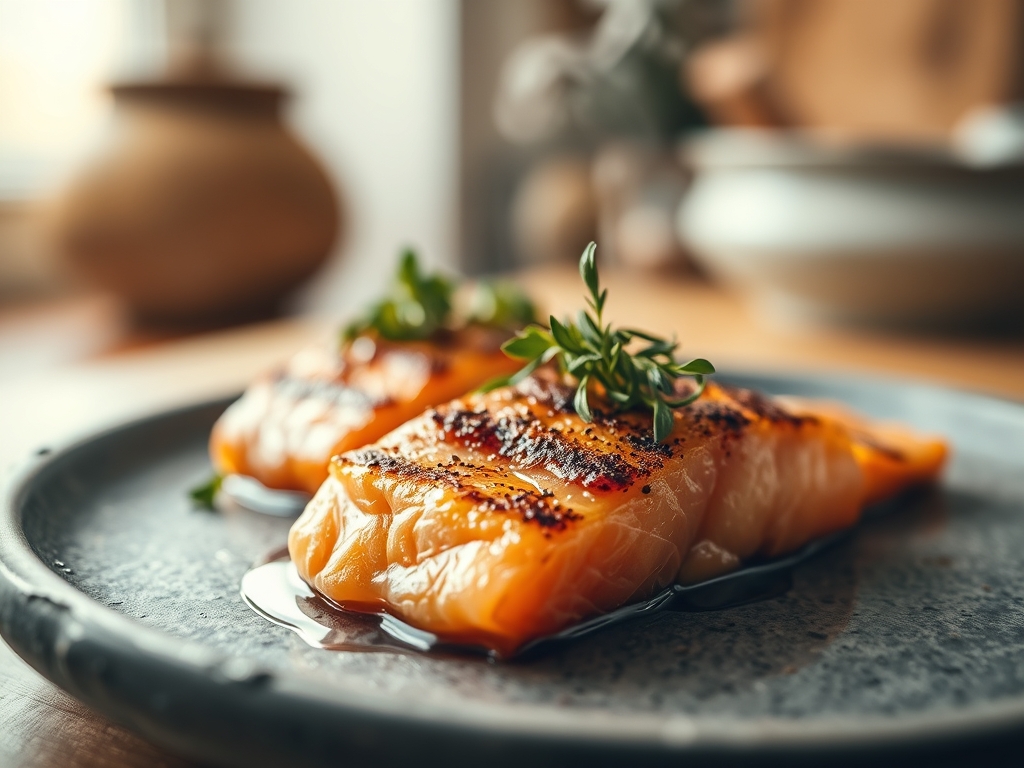
Picture a slab of King salmon resting on the counter; its flesh is a vibrant, translucent coral that promises a buttery melt. When you master pellet smoked salmon recipes, you are not just cooking fish; you are orchestrating a complex chemical transformation. The air in your backyard begins to carry that intoxicating scent of fruitwood and salt, a signal that the Maillard reaction is about to turn a simple protein into a smoky masterpiece. We are chasing that perfect balance of a tacky, sweet pellicle on the outside and a succulent, flaky interior that yields to the slightest pressure of a fork. This is the intersection of rustic outdoor fire and precision kitchen science. Whether you are hosting a high-end brunch or just prepping your weekly protein, the pellet grill offers a level of temperature stability that traditional offsets simply cannot match. It allows us to treat the smoker like a convection oven with a soul. Let us dive into the technical nuances that separate a dry, overcooked fillet from a legendary smoke.
The Gathers:
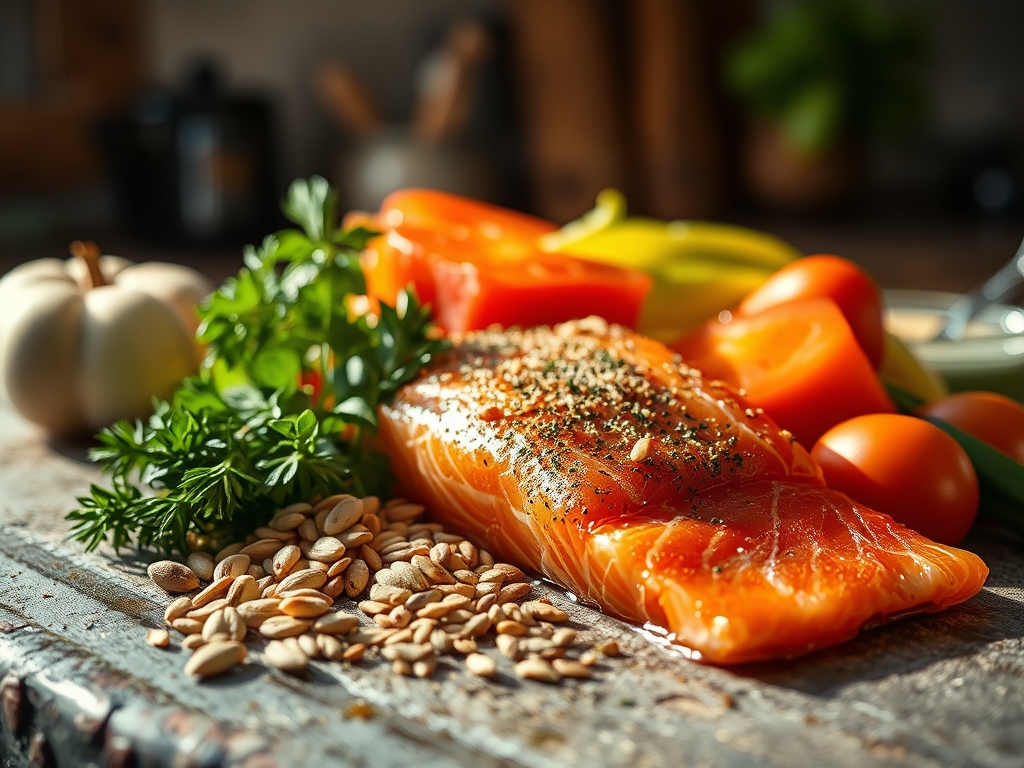
To execute this properly, your mise-en-place must be clinical. Start with a side of high-fat salmon, preferably King or Atlantic, as the higher lipid content prevents the meat from becoming fibrous during the dehydration phase. You will need high-quality kosher salt; the jagged crystals are essential for drawing out moisture via osmosis without over-salting. For the sweetness, use dark brown sugar. The molasses content adds a viscous quality to the cure that white sugar lacks.
Your toolkit should include a digital scale for precise curing ratios, a bench scraper to help lift the delicate fillets, and a microplane for zesting citrus into your brine. Do not forget the wood pellets; fruitwoods like apple or cherry provide a delicate, piquant smoke profile that complements the fish without overwhelming it.
Smart Substitutions:
If you are watching your sugar intake, swap the brown sugar for a monk fruit sweetener; it still aids in the pellicle formation though the caramelization will be slightly less intense. If you cannot find fresh salmon, high-quality frozen sockeye works, provided you thaw it slowly in the refrigerator to maintain cellular integrity. For an earthy twist, replace the black pepper with crushed coriander seeds to infuse a bright, floral note into the crust.
The Clock:
The "Chef's Flow" for this recipe is about patience rather than active labor. You will spend roughly 20 minutes on prep, which involves trimming the fish and applying the cure. However, the critical phase is the 4 to 8 hour "Cold Cure" in the refrigerator. This is followed by a 2 hour air-drying period to develop the pellicle. The actual smoking process takes between 2 to 3 hours depending on the thickness of your fillets. Total time investment is roughly 12 hours. Always work in batches; while the first side is curing, use your saucier to prepare a glaze or your microplane to prep a garnish.
The Masterclass:
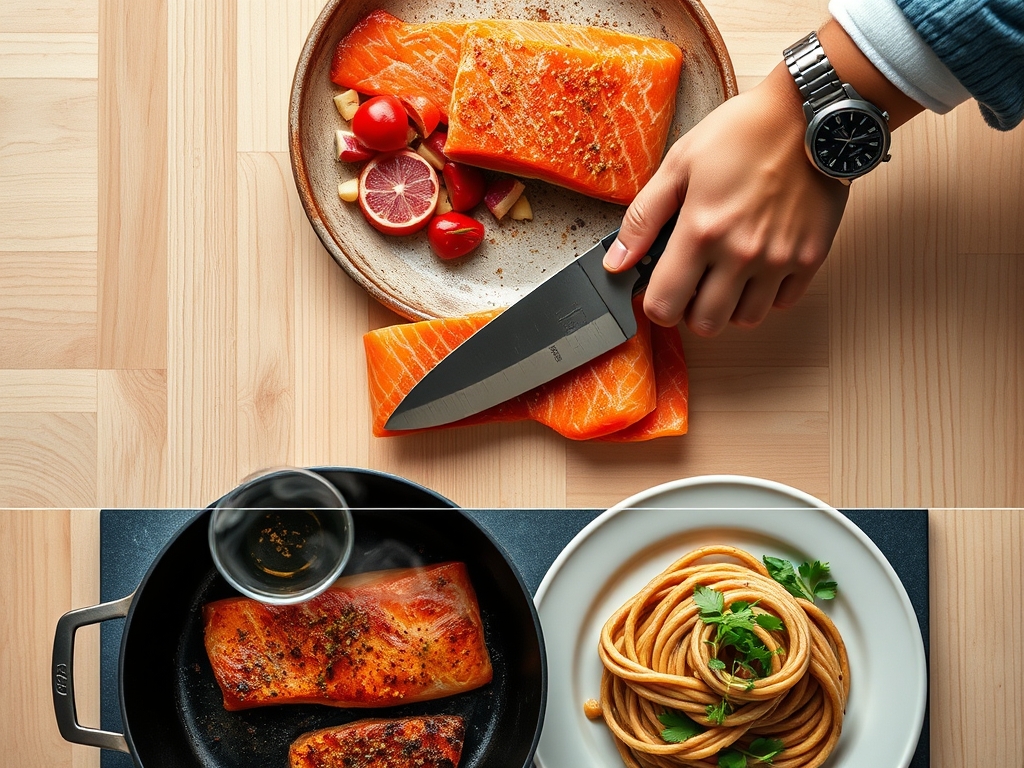
1. The Precision Cure
Apply a 2:1 ratio of brown sugar to kosher salt across the entire surface of the fish. Ensure the coverage is even to prevent localized over-curing. Use your digital scale to ensure you are using exactly 30 grams of salt per pound of fish.
Pro Tip: This process uses osmosis to draw out water and denature proteins. By reducing the water activity on the surface, you create a concentrated brine that seasons the fish deeply while firming the flesh.
2. The Pellicle Development
Rinse the cure off with cold water and pat the fish bone-dry. Place it on a wire rack in the fridge, uncovered, for at least two hours. The surface should feel tacky to the touch.
Pro Tip: This "tackiness" is the pellicle. It acts as a sticky landing pad for smoke molecules. Without a proper pellicle, the smoke will simply bounce off the fish rather than adhering and creating that deep mahogany color.
3. The Low and Slow Infusion
Set your pellet grill to 225 degrees Fahrenheit. Place the salmon skin-side down on the grates. Use tongs to position the fish away from any direct heat hotspots to ensure even cooking.
Pro Tip: Cooking at low temperatures prevents the rapid contraction of muscle fibers. If you cook too fast, the fish will squeeze out albumin; that white, unappealing protein "gunk" that ruins the aesthetic of the fillet.
4. The Glaze and Finish
During the last 30 minutes of cooking, brush the salmon with a mixture of maple syrup and Dijon mustard. Use a silicone pastry brush to avoid tearing the delicate surface.
Pro Tip: The sugars in the glaze undergo the Maillard reaction, bonding with the amino acids in the fish to create complex, savory flavors that a simple salt cure cannot achieve alone.
5. The Thermal Check
Pull the salmon when the internal temperature reaches 140 degrees Fahrenheit. Use a high-quality instant-read thermometer to check the thickest part of the fillet.
Pro Tip: Thermal carryover will continue to cook the fish once it is removed from the heat. Pulling at 140 degrees ensures it reaches a perfect, safe 145 degrees while resting, keeping the fats viscous and succulent.
The Deep Dive:
Macro Nutrition:
Salmon is a powerhouse of Omega-3 fatty acids, specifically EPA and DHA, which are vital for brain health. A 4-ounce serving typically contains 25 grams of protein and about 11 grams of healthy fats. Because we are using a dry cure, the caloric addition from the sugar is minimal, as most of it is rinsed away before the smoking process begins.
Dietary Swaps:
For a Keto-friendly version, replace the brown sugar with an erythritol-based sweetener and skip the maple glaze. For a Vegan "salmon" alternative, you can use the same smoke profile on thick-cut slabs of marinated watermelon or carrots, though the cooking times will decrease significantly to avoid complete dehydration.
The Fix-It:
- White Albumin Leaking: This means your grill is too hot. Lower the temperature immediately and move the fish to a cooler zone.
- Fish is Too Salty: You likely cured it for too long or used table salt instead of kosher. Next time, reduce the cure time or give the fish a 30-minute soak in plain cold water after curing to "leach" out excess salt.
- Dry Texture: You bypassed the pull temp. Always use a probe. If it is already dry, flake the fish and mix it with a high-fat binder like cream cheese to make a smoked salmon dip.
Meal Prep & Reheating:
To maintain "day-one" quality, do not microwave your leftovers. The high-frequency waves cause the fat to render out too quickly, leaving the fish rubbery. Instead, wrap the salmon in foil with a teaspoon of water and heat it in a 275-degree oven until just warm. This creates a gentle steam environment that rehydrates the proteins.
The Wrap-Up:
Mastering pellet smoked salmon recipes is a rite of passage for any backyard chef. It is the perfect marriage of technical precision and culinary artistry. By understanding the science of the pellicle and the importance of thermal carryover, you move beyond following a recipe and start cooking with intuition. Grab your tongs, fire up those applewood pellets, and get ready to serve the best salmon your friends have ever tasted. The smoky, sweet, and salty results are worth every minute of the wait.
The Kitchen Table:
How do I prevent the salmon from sticking to the grill?
Always start with a clean grate and lightly oil the salmon skin. You can also place the fish on a piece of parchment paper or a bed of sliced lemons to provide a non-stick barrier that adds flavor.
Can I smoke salmon that has already been frozen?
Yes; however, ensure it is fully thawed in the refrigerator first. Frozen salmon cells may have some rupture from ice crystals, so be extra gentle during the rinsing and drying phase to maintain the fillet's structure.
What is the best wood for smoking salmon?
Fruitwoods like apple, cherry, or peach are ideal. They provide a mild, sweet smoke that enhances the natural flavor of the fish. Avoid heavy woods like mesquite, which can turn the delicate fat bitter and overpowering.
How long does homemade smoked salmon last?
When stored in an airtight container in the coldest part of your refrigerator, it will stay fresh for up to five days. For longer storage, vacuum seal the portions and freeze them for up to three months.