
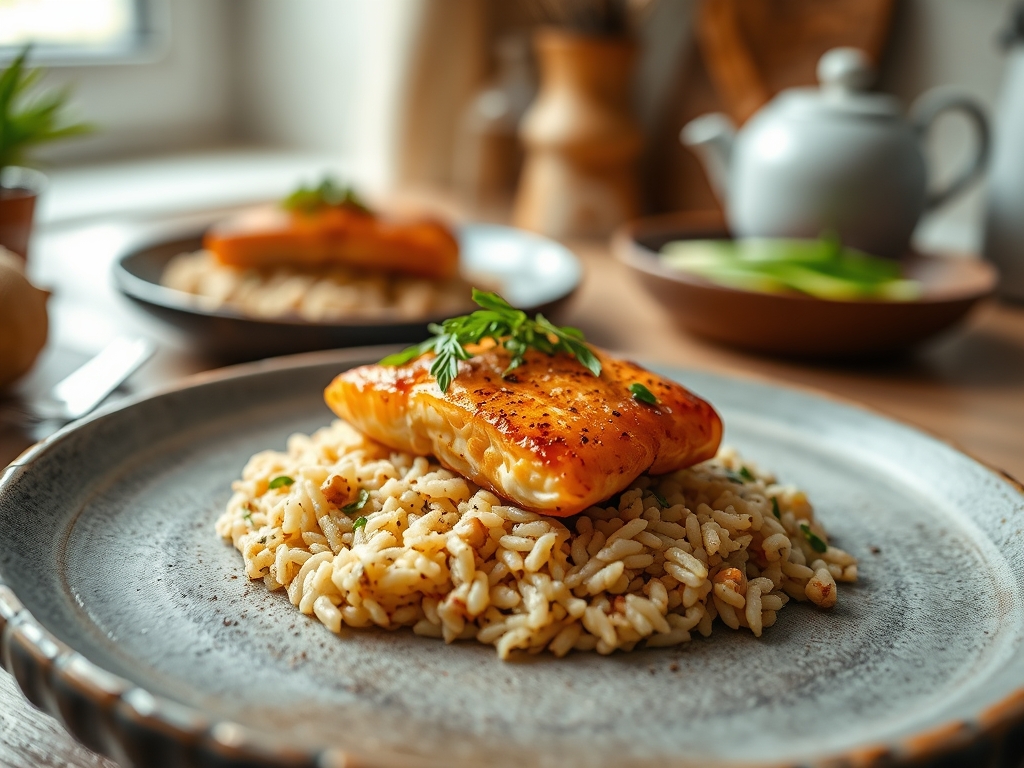
Picture this: the kitchen is humming with the scent of toasted grains and the sharp, bright zing of citrus. You are standing over a heavy-bottomed skillet, watching as cold fat begins to render from a piece of sockeye, turning the skin into a glass-like sheet of gold. Finding the perfect brown rice and salmon recipes is not just about a healthy Tuesday night; it is about the intersection of nutty, fibrous texture and the buttery, omega-rich flake of a perfectly seared fillet. This pairing is a nutritional powerhouse that relies on the contrast between the chew of the bran and the soft, succulent protein. We are going beyond the basic steamed bowl to explore how these two ingredients can be transformed through high-heat searing, emulsified glazes, and aromatic infusions.
The Gathers:
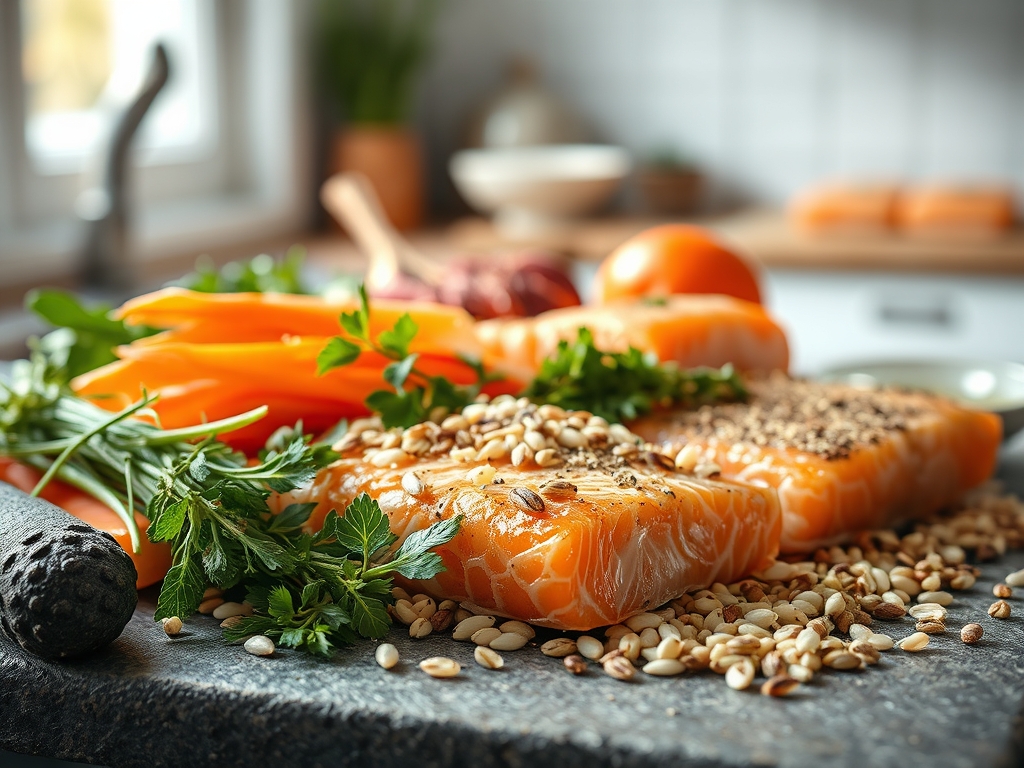
To master these brown rice and salmon recipes, your mise-en-place must be precise. Start with short-grain brown rice for a stickier, more cohesive bite, or long-grain Basmati for a light, aerated texture. For the salmon, look for center-cut fillets with uniform thickness to ensure even heat distribution. You will need a high-quality fat with a high smoke point, such as avocado oil or clarified butter, to achieve the Maillard reaction without scorching the delicate flesh.
Your aromatics are the secret to depth. Use a microplane to zest fresh ginger and garlic, creating a fine paste that will infuse the oil without burning. For acidity, keep rice vinegar and fresh limes on hand; the piquant notes will cut through the viscous fats of the fish.
Smart Substitutions:
If you are out of brown rice, farro or pearled barley offer a similar nutty profile and chewy "tooth." For those avoiding soy, coconut aminos provide that savory, umami hit with a lower glycemic index. If salmon is unavailable, steelhead trout is a near-identical twin in terms of fat content and cooking behavior.
The Clock: Timing the Flow
Efficiency in the kitchen is about managing the "Chef's Flow." Brown rice is the long-game player here; it requires roughly 45 minutes to fully hydrate and soften the fibrous outer bran. Use this time to prep your vegetables and let your salmon come to room temperature. A cold fillet hitting a hot pan causes the muscle fibers to seize, resulting in a tough texture.
The actual cook time for the salmon is a mere 6 to 8 minutes. By the time your rice is finished and sitting in its "rest phase" to steam, you should be deglazing your pan. This synchronization ensures that the rice is fluffy and the salmon is served at its peak temperature, just as the internal fats have reached a liquid, luscious state.
The Masterclass:
1. Hydrate and Toast the Grains
Before adding water, toss your dry brown rice in a saucier with a teaspoon of toasted sesame oil. Sauté the dry grains for two minutes until they smell like popcorn. This step initiates a mini-Maillard reaction on the grain surface, deepening the flavor profile of your brown rice and salmon recipes.
Pro Tip: This is known as the pilaf method. Toasting the starch prevents the grains from becoming a gummy mass by sealing the exterior, ensuring each grain remains distinct and "al dente."
2. The Cold-Start Sear
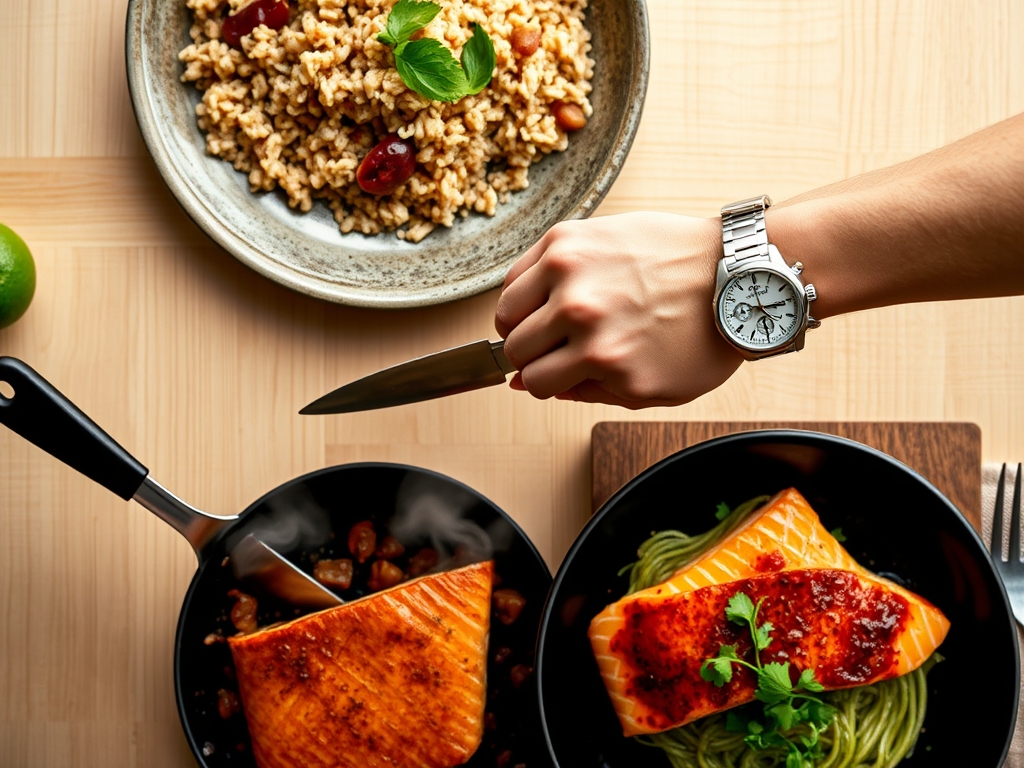
Place your salmon skin-side down in a cold, heavy-bottomed skillet, then turn the heat to medium-high. As the pan heats, the fat under the skin begins to render slowly, resulting in an incredibly crispy texture without overcooking the delicate protein above it.
Pro Tip: This technique avoids "protein snap," where high heat causes the fish to curl. By starting cold, you allow the connective tissues to relax as they warm, keeping the fillet flat and the skin shatteringly crisp.
3. Emulsify the Glaze
Once the salmon is flipped, add a splash of mirin and honey to the pan. Use your tongs to swirl the liquid, picking up the browned bits (fond) from the bottom. The sugars will reduce and thicken, creating a glossy, viscous coating that clings to the fish.
Pro Tip: This is the science of reduction. As water evaporates, the solute concentration increases, creating a glaze that is thick enough to coat a spoon. Adding a pat of cold butter at the very end will "mount" the sauce, creating a stable emulsion.
4. The Rest and Carryover
Remove the salmon when it reaches an internal temperature of 125 degrees Fahrenheit. Place it on a warm plate and tent it loosely with foil. Let it sit for at least three minutes before serving over your fluffed rice.
Pro Tip: This accounts for thermal carryover. The residual heat will continue to cook the center of the fish, bringing it to a perfect 130 to 135 degrees. Resting also allows the juices to redistribute, ensuring the first bite is moist rather than dry.
The Deep Dive:
Macro Nutrition
A single serving of these brown rice and salmon recipes provides a balanced ratio of complex carbohydrates, lean protein, and healthy fats. You are looking at approximately 35 grams of protein and 7 grams of fiber. The selenium in the salmon acts as a powerful antioxidant, while the manganese in the brown rice supports bone health and metabolic function.
Dietary Swaps
- Vegan: Replace the salmon with thick-cut "steaks" of roasted cauliflower or firm tofu pressed and seared with the same ginger-soy glaze.
- Keto: Swap the brown rice for cauliflower rice sautéed in grass-fed butter to maintain the high-fat, low-carb requirement.
- Gluten-Free: Ensure your soy sauce is replaced with Tamari to keep the dish 100% wheat-free.
The Fix-It: Troubleshooting
- Mushy Rice: This happens when too much water is used or the rice is stirred during steaming. Fix it by spreading the rice on a sheet tray and placing it in a low oven for five minutes to evaporate excess moisture.
- Stuck Skin: If the salmon skin sticks to the pan, do not force it with a spatula. It usually means the proteins haven't finished "releasing." Wait another thirty seconds; once the sear is complete, it will lift naturally.
- Albumin Bleed: Those white bubbles on the salmon are called albumin. This happens from overcooking or high heat. To fix, brine the fish in salt water for ten minutes before cooking to tighten the proteins.
Meal Prep: The Reheating Science
To maintain "day-one" quality, reheat your salmon separately from the rice. Use a damp paper towel over the rice in the microwave to create a steam chamber. For the salmon, use a low-heat toaster oven to crisp the skin back up without turning the interior into rubber.
The Wrap-Up:
Mastering brown rice and salmon recipes is like learning a favorite song; once you have the rhythm of the sear and the timing of the grain, you can play a thousand variations. Whether you are whisking together a spicy sriracha mayo or folding fresh herbs into your rice, the foundation remains the same: quality ingredients and technical precision. Now, grab your favorite skillet and get to work; your most vibrant, delicious dinner is only forty-five minutes away.
The Kitchen Table:
How do I make brown rice taste better?
Toast the dry grains in butter or sesame oil before adding liquid. Use chicken or vegetable bone broth instead of plain water to infuse the rice with deep, savory umami notes and extra minerals.
Why is my salmon always dry?
You are likely skipping the "rest" period or cooking it to a high internal temperature. Pull the salmon off the heat at 125 degrees Fahrenheit; carryover cooking will finish the job perfectly while keeping the fats intact.
Can I cook salmon and rice in one pot?
Yes, but timing is tricky. Add the salmon to the top of the rice during the last 8 minutes of steaming. This uses gentle residual steam to poach the fish, though you will miss out on the crispy skin.
Is brown rice actually healthier than white rice?
Brown rice is a whole grain, meaning it retains the bran and germ. This provides significantly more fiber, magnesium, and antioxidants, which helps stabilize blood sugar levels compared to the quick-digesting nature of white rice.