
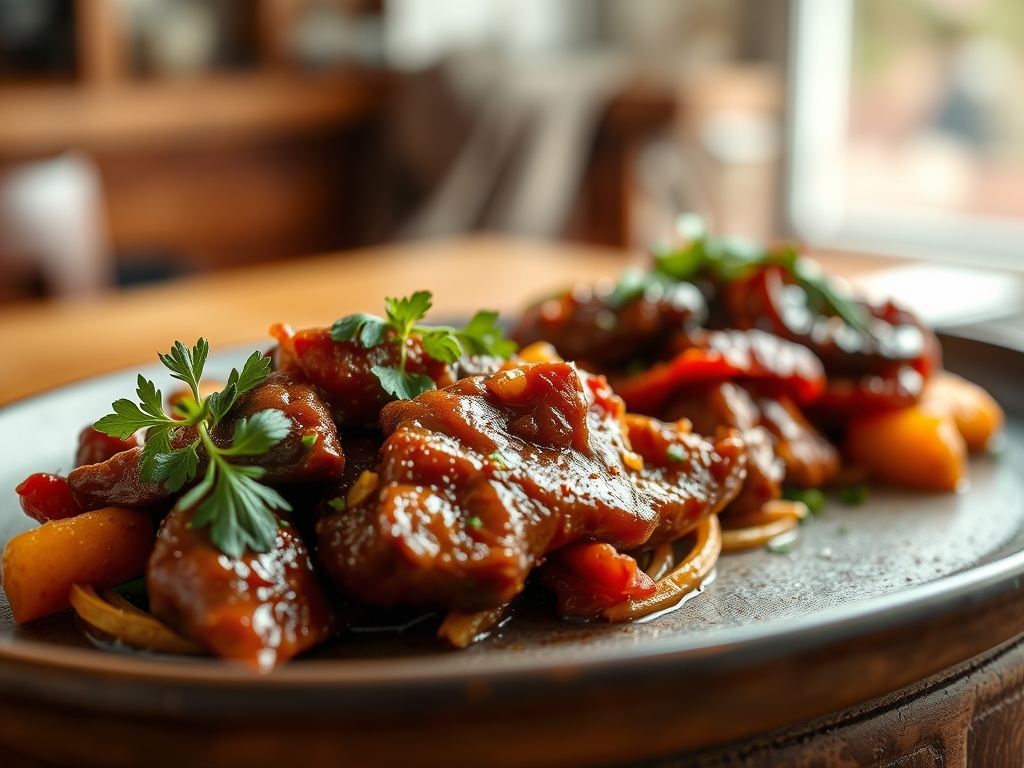
Close your eyes and imagine the scent of toasted Sichuan peppercorns hitting a shimmering pool of neutral oil. That sharp, electric tingle is the hallmark of the best spicy beef recipes; a sensory experience that balances the deep, savory richness of bovine protein with the aggressive heat of capsaicin. We are moving beyond mere heat here. We are engineering flavor profiles that dance between the numbing sensation of hydroxy-alpha-sanshool and the deep, earthy undertones of fermented chili pastes. Whether you are craving a sticky Mongolian stir fry or a slow simmered brisket, the goal is the same: achieving a perfect Maillard reaction while managing the volatile compounds that make peppers so piquant.
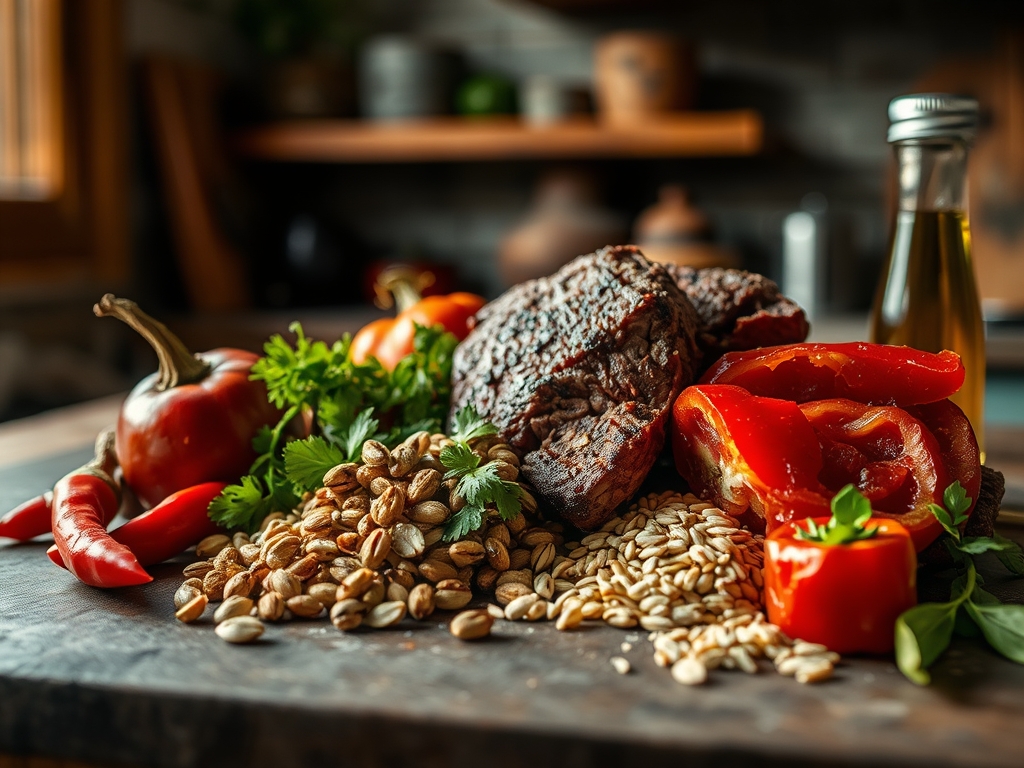
The Gathers:
To master these spicy beef recipes, your mise-en-place must be precise. Start with the protein. You will want cuts like flank steak for high heat searing or chuck roast for low and slow braising. Look for intramuscular fat, often called marbling, which acts as a thermal insulator and flavor carrier. You will need a high quality digital scale to measure your aromatics. Fresh ginger and garlic are non-negotiable; use a microplane to grate them into a fine paste, which increases the surface area and allows for better infusion into the cooking fat.
For the heat, stock your pantry with Gochujang for fermented depth, dried Arbol chilis for a clean snap, and fresh Thai bird's eye chilies for immediate intensity. Do not forget the acid. A splash of rice vinegar or lime juice is essential to cut through the heavy lipids of the beef.
Smart Substitutions: If you cannot find Sichuan peppercorns, a blend of black peppercorns and lemon zest can mimic the citrusy brightness, though you will miss the numbing effect. If you are watching your sodium, swap traditional soy sauce for liquid aminos or coconut aminos. For those who find beef too heavy, firm tofu or seitan can be treated with the exact same spice rubs, provided you adjust your searing times to account for the lower moisture content.
The Clock: Chef's Flow
Efficiency in the kitchen is about understanding the Chef's Flow. For a standard stir fry, your active prep time is roughly 20 minutes, while the actual cooking time is a lightning fast 6 to 8 minutes. However, for braised dishes, you are looking at a 3 hour commitment. The secret is "The Overlap." While your beef is marinating at room temperature (never sear ice-cold meat), use that 15 minute window to sharpen your knives and prep your garnishes. This ensures that once the heavy-bottomed skillet reaches the smoke point, you are not scrambling to chop scallions. Always allow for a 10 minute resting period post-cook; this allows the muscle fibers to relax and reabsorb the internal juices, preventing a dry, disappointing result.
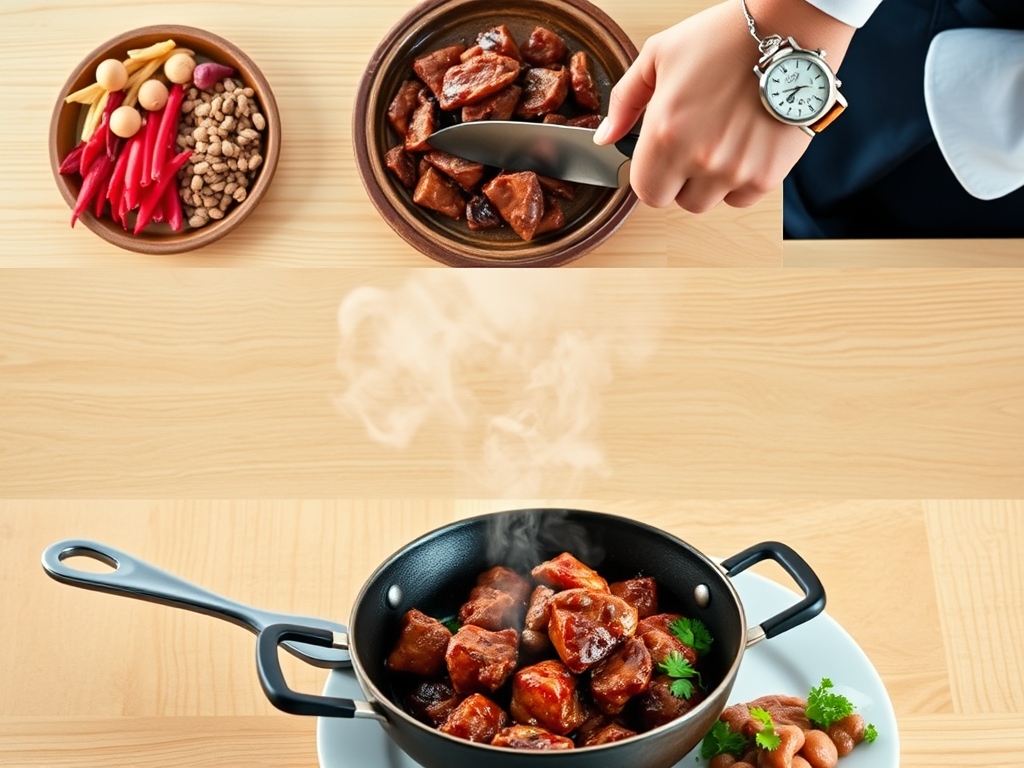
The Masterclass
1. The Critical Sear
Start by patting your beef bone-dry with paper towels. Moisture is the enemy of the Maillard reaction. Heat your cast iron or stainless steel pan until the oil wisps with smoke. Lay the beef away from you to avoid splashes. Use tongs to ensure every millimeter of the surface makes contact with the heat.
Pro Tip: This is the science of enzymatic browning. By removing surface moisture, you allow the temperature to rise above 300 degrees Fahrenheit, where amino acids and reducing sugars transform into hundreds of complex flavor compounds.
2. Blooming the Aromatics
Push the beef to the perimeter and drop your ginger, garlic, and chili flakes into the center. This is called "blooming." The fat-soluble flavor compounds in the spices are released into the oil, creating a viscous flavor base that coats the meat more effectively than water-based sauces.
Pro Tip: Capsaicin is an oil-soluble molecule. By frying your chilies briefly in fat, you infuse the entire dish with a consistent level of heat rather than having "hot spots" of raw pepper.
3. The Deglaze
Once the bottom of your pan is covered in "fond" (those delicious brown bits), pour in a liquid like beef stock or dry sherry. Use a bench scraper or wooden spoon to lift those particles back into the sauce. This adds an incredible depth of umami that salt alone cannot provide.
Pro Tip: This process uses solvent extraction. The liquid dissolves the caramelized proteins stuck to the pan, incorporating them into your sauce to create a more robust, savory profile.
4. Emulsifying the Sauce
Lower the heat and whisk in your final sauces or a cold pat of butter. You want to create a stable emulsion where the fats and liquids are perfectly bonded. The result should be glossy and thick enough to coat the back of a spoon.
Pro Tip: If your sauce looks "broken" or oily, add a teaspoon of water and whisk vigorously. This provides more continuous phase liquid to re-incorporate the dispersed fat droplets.
The Deep Dive
From a Macro Nutrition perspective, spicy beef is a powerhouse. You are getting high-quality heme iron, B12, and zinc. By opting for leaner cuts like top sirloin, you can keep the saturated fat in check while maintaining a high protein-to-calorie ratio.
Dietary Swaps:
- Keto: Replace sugar in marinades with monk fruit sweetener and serve over cauliflower rice.
- Vegan: Use "beef-style" soy curls or king oyster mushrooms.
- Gluten-Free: Always verify your oyster sauce and soy sauce are certified GF; Tamari is your best friend here.
The Fix-It:
- Too Salty? Do not add water; it dilutes the flavor. Instead, add a starch like a potato or a splash of acid to distract the palate.
- Too Spicy? Incorporate a dairy element or a dollop of peanut butter. The fats will bind to the capsaicin and wash it away.
- Tough Meat? You likely skipped the "velveting" step. Next time, toss the raw beef in a bit of baking soda for 15 minutes before rinsing and cooking to break down tough fibers.
Meal Prep: When reheating, avoid the microwave if possible. Use a saucier on low heat with a tablespoon of water. This gentle approach prevents the proteins from tightening up and becoming rubbery, maintaining that "day-one" tenderness.
The Wrap-Up
Mastering these spicy beef recipes is about more than just surviving the heat; it is about respecting the chemistry of the ingredients. When you balance the aggressive punch of chilies with the scientific precision of a perfect sear and a stable emulsion, you elevate a simple weeknight meal into a culinary event. Grab your favorite skillet, trust your instincts, and do not be afraid to let things get a little fiery in the kitchen. You have the tools and the knowledge; now go make something legendary.
The Kitchen Table
How do I make beef more tender for stir fry?
Use the "velveting" technique. Toss thinly sliced beef with a teaspoon of baking soda for 15 minutes. Rinse thoroughly under cold water and pat dry before searing. This raises the pH level, preventing the proteins from bonding too tightly.
What is the best oil for high-heat beef recipes?
Choose oils with a high smoke point, such as avocado, grapeseed, or refined peanut oil. These fats can withstand temperatures over 400 degrees Fahrenheit without breaking down or releasing bitter, acrid flavors into your delicate spicy beef dishes.
How can I reduce the heat without losing flavor?
Remove the ribs and seeds from your peppers before cooking. Most of the capsaicin is stored in the white pith (placenta) of the chili. You will still get the aromatic, fruity notes of the pepper without the overwhelming burn.
Why is my stir fry beef watery instead of crispy?
You likely overcrowded the pan. When too much meat is added at once, the temperature drops and the beef steams in its own juices. Cook in small batches to ensure rapid moisture evaporation and a proper Maillard crust.