
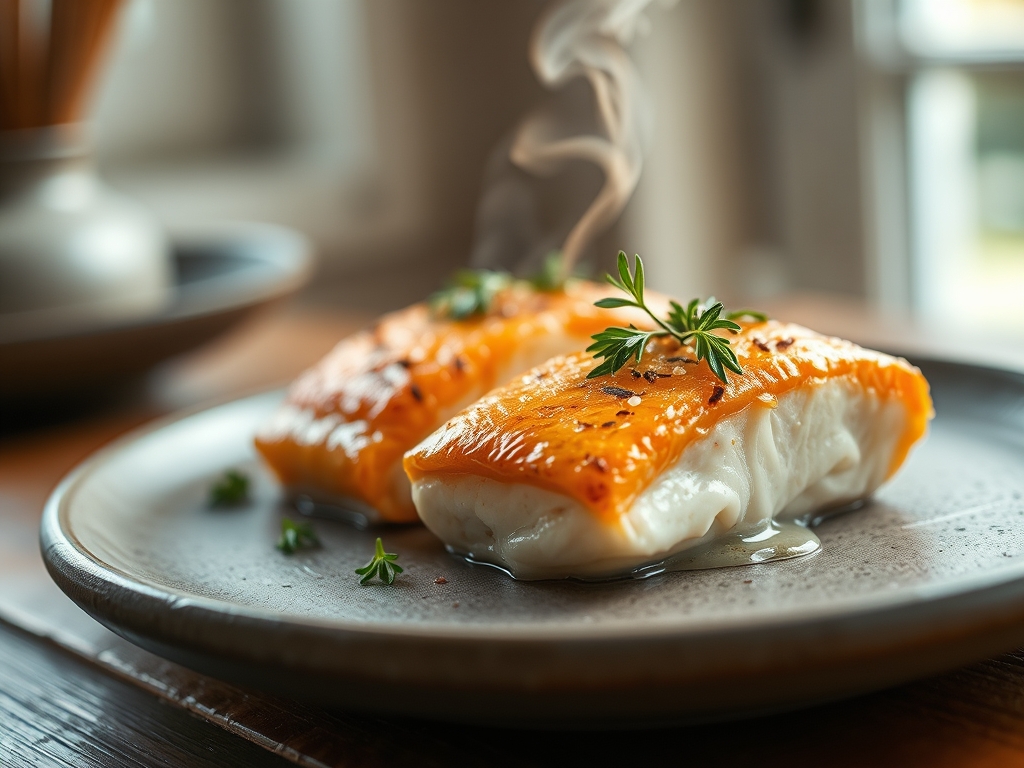
Close your eyes and listen for the sizzle of cold protein hitting a hot, heavy-bottomed skillet. That sound is the overture to a culinary masterpiece that fuses the omega-3 richness of the sea with the sharp, salty punch of the dairy world. We are moving far beyond basic fillets today. When you explore cheese salmon recipes, you are essentially engineering a structural crust that locks in moisture while providing a textural contrast that most home cooks only dream of achieving. Imagine a piquant Parmesan shroud or a creamy goat cheese pillow melting into a flaky, pink center. This is not just dinner; it is a high-stakes lesson in heat management and fat-on-fat luxury. We are going to master the art of the perfect crust, ensuring that every bite delivers a shattering crunch followed by a buttery finish that lingers on the palate.
The Gathers:
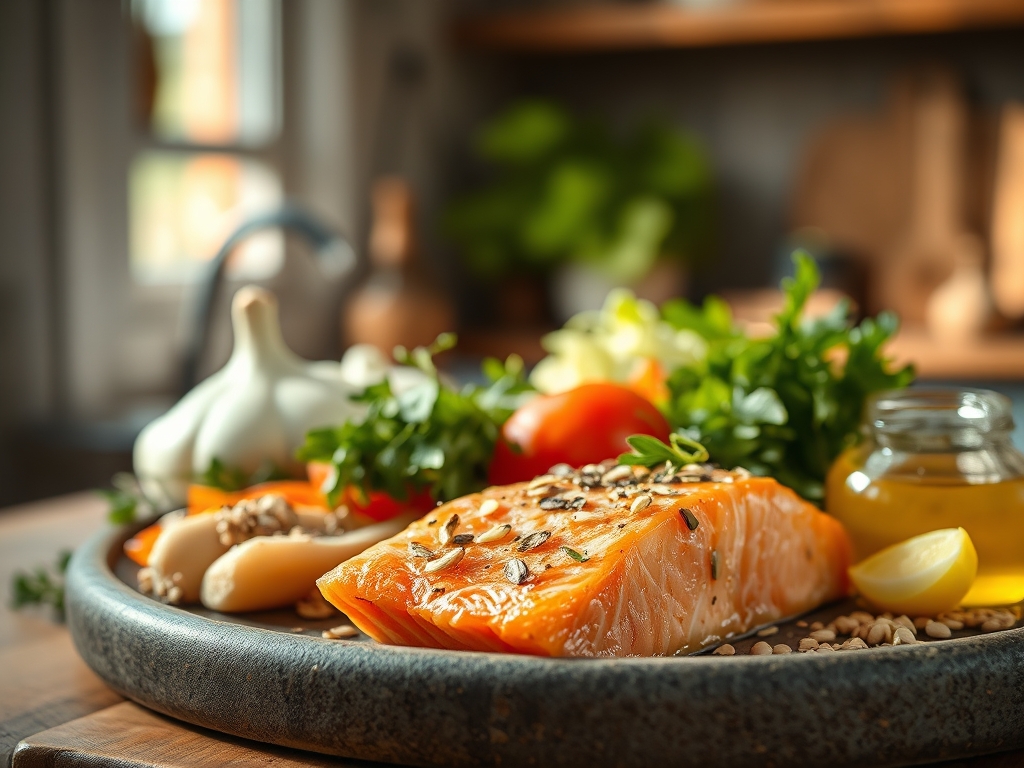
To execute these cheese salmon recipes with precision, your mise-en-place must be flawless. Start with six-ounce center-cut fillets, ideally skin-on to provide a structural base during the rendering process. For the crust, you will need a hard, aged cheese like Parmigiano-Reggiano or Pecorino Romano; these have low moisture content, which is vital for achieving a crisp finish rather than a soggy mess. Use a microplane to shave the cheese into a fine, snow-like consistency to maximize surface area for the Maillard reaction.
You will also need a viscous binding agent. While many use mayo, a high-quality Greek yogurt provides a bright acidity that cuts through the fatty salmon. Gather your aromatics: fresh dill, minced garlic, and lemon zest. Do not forget the dry elements. Panko breadcrumbs or crushed pork rinds for the keto crowd provide the structural scaffolding for the cheese to cling to.
Smart Substitutions: If you are dodging dairy, a nutritional yeast and cashew crumble mimics the piquant profile of aged cheddar. For those avoiding gluten, almond flour toasted in a dry pan offers a nutty depth that complements the fish beautifully. Always use a digital scale to measure your crust ingredients; precision here ensures the coating is thick enough to insulate but thin enough to crisp.
The Clock
Efficiency in the kitchen is about the Chef's Flow. You are looking at a total commitment of 25 minutes. Prep takes 10 minutes, mostly focused on the precision grating of your cheese and patting the fish bone-dry with paper towels. The cooking phase is a swift 12 to 15 minutes depending on the thickness of the cut.
The flow is simple: while the oven preheats to 400 degrees Fahrenheit, you sear the skin side in a heavy-bottomed skillet for three minutes to render the fat. This creates a thermal base. Then, you apply the crust and finish in the oven. This dual-zone approach ensures the interior reaches a perfect 125 degrees Fahrenheit while the top achieves a golden-brown hue.
The Masterclass
1. The Desiccation Phase
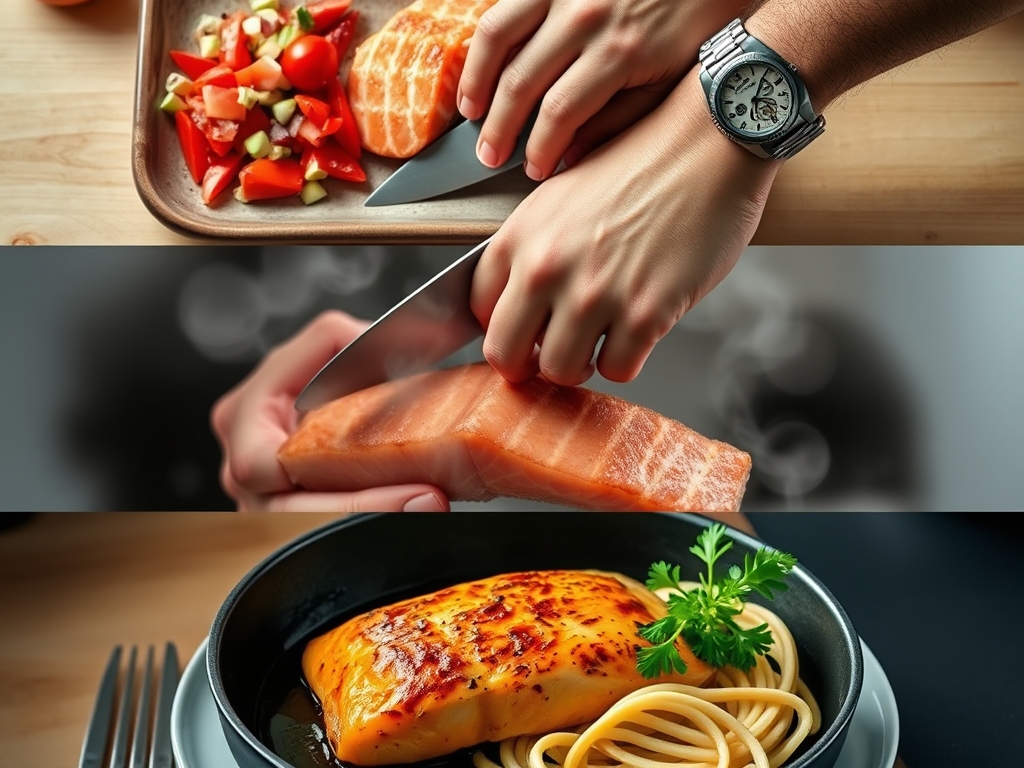
Before a single grain of salt touches the fish, you must remove every trace of surface moisture. Use a lint-free paper towel to press firmly into the flesh. Moisture is the enemy of the crust; if the fish is damp, the cheese will steam rather than sear.
Pro Tip: This is about thermodynamics. Water requires a massive amount of energy to evaporate. By removing it manually, you allow the heat to immediately begin the Maillard reaction, which is the chemical reaction between amino acids and reducing sugars that gives browned food its distinctive flavor.
2. The Skin Render
Place your salmon skin-side down in a cold skillet, then turn the heat to medium-high. This gradual temperature climb allows the subcutaneous fat to render slowly, resulting in a glass-like crispness rather than a rubbery texture. Use your tongs to press the fillet down for the first thirty seconds to prevent curling.
Pro Tip: This technique utilizes conduction to cook the fish from the bottom up. By the time you flip or move to the oven, the bottom third of the fish is already opaque and protected by its own crispy armor.
3. The Viscous Bound
Apply a thin layer of your binding agent (yogurt or Dijon mustard) to the top of the fish. This acts as a culinary glue. Sprinkle your cheese and herb mixture over the top, pressing gently with a bench scraper to ensure even distribution and adherence.
Pro Tip: The proteins in the binder undergo denaturation, tangling together to create a physical web that traps the cheese oils as they melt. This prevents the crust from sliding off the fish during the final blast of heat.
4. The Thermal Finish
Transfer the skillet to the top rack of the preheated oven. The ambient heat will surround the fish, while the direct radiation from the top element will caramelize the cheese. Watch for the cheese to bubble and turn a deep amber.
Pro Tip: Account for thermal carryover. Remove the salmon when the internal temperature hits 125 degrees Fahrenheit. The residual heat trapped in the dense muscle fibers will continue to cook the fish, bringing it to a perfect 135 degrees Fahrenheit while it rests.
The Deep Dive
From a macro perspective, cheese salmon recipes are a powerhouse. You are looking at roughly 35g of protein and 22g of healthy fats per serving. For my keto warriors, this is a dream meal. If you are going vegan, swap the salmon for a thick "steak" of roasted cauliflower and use a miso-tahini spread as your binder.
The Fix-It:
- Soggy Crust: You likely skipped the desiccation phase. Fix it by popping the fish under the broiler for 60 seconds, but watch it like a hawk.
- Dry Fish: You ignored the carryover cooking. Next time, use a digital thermometer and pull the fish earlier.
- Broken Sauce: If your cheese separates into an oily mess, your heat was too high too fast. Lower the oven rack to slow down the fat separation.
Meal Prep Science: To reheat without turning your salmon into a hockey puck, avoid the microwave. Use a toaster oven at 300 degrees Fahrenheit with a splash of water in the pan covered by foil. This creates a localized steam chamber that rehydrates the protein while the dry air keeps the cheese crust intact.
The Wrap-Up
You are now armed with the technical prowess to turn a simple fillet into a restaurant-quality centerpiece. Remember, cooking is just delicious chemistry. By managing moisture, understanding heat transfer, and choosing the right aged cheeses, you have elevated your kitchen game to a professional level. Go forth, grab your microplane, and let that cheese sizzle!
The Kitchen Table
Can I use pre-shredded cheese for the crust?
Avoid pre-shredded bags. They contain potato starch or cellulose to prevent clumping, which interferes with the melting process. For a superior, cohesive crust, always grate your cheese fresh using a microplane or the fine side of a box grater.
How do I know when the salmon is done without a thermometer?
Press the side of the fillet with a fork. If the muscle fibers separate easily along the white lines of fat (the lamellae), the fish is ready. However, for consistent safety and texture, a digital thermometer is the professional choice.
What is the best cheese for a salmon crust?
Hard, aged cheeses like Parmesan, Gruyere, or Pecorino are best. They have a lower moisture content and higher salt profile, which helps create a structural, savory crust that won't turn watery or slide off the fish during the baking process.
Can I make cheese salmon recipes in an air fryer?
Yes. The air fryer is essentially a high-powered convection oven. Set it to 380 degrees Fahrenheit and cook for 8 to 10 minutes. The rapid air circulation is actually exceptional for crisping up cheese-based crusts very quickly.