
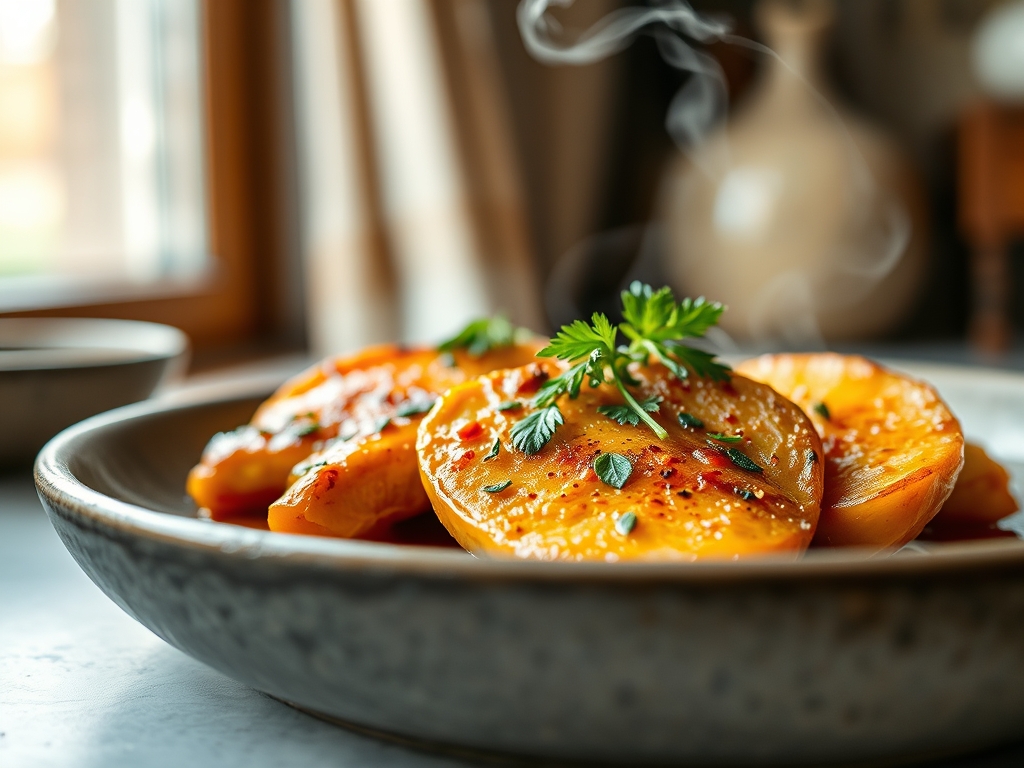
The moment boneless chicken thighs hit a preheated skillet at 400°F, their exterior proteins begin denaturing in a cascade of browning that sets the stage for caramelized peach halves to follow, their natural sugars undergoing pyrolysis at precisely the right moment to bond with savory pan drippings. This interplay of fruit acidity and rendered fat forms the backbone of exceptional peach chicken recipes, where stone fruit transforms from summer novelty into a legitimate flavor architect. The contrast is immediate: golden, crisp-skinned poultry against glossy, amber-hued peaches that have surrendered their structure just enough to cling to each forkful without disintegrating into jam.
Most home cooks relegate peaches to dessert, but their balance of malic acid and fructose makes them biochemical partners to poultry's lean protein. When you sear chicken in the same vessel you'll later glaze with peach reduction, you're engineering a flavor loop where every element reinforces the next. The Maillard products from browned chicken dissolve into the peach liquid, creating a sauce with umami depth no standalone fruit compote could achieve. Eight variations of peach chicken recipes follow this template but diverge in technique: grilling versus braising, fresh versus preserved fruit, and the strategic deployment of aromatics like ginger, thyme, or smoked paprika to tilt the dish savory or sweet.
The Gathers
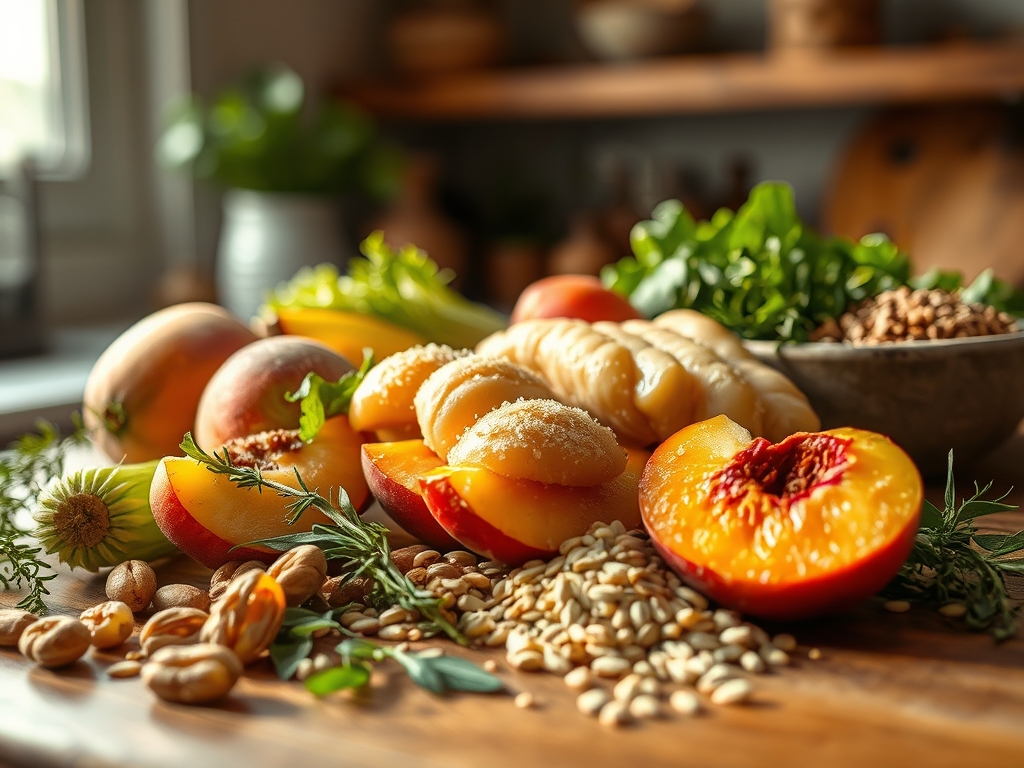
As you see in the ingredient spread below, bone-in, skin-on chicken thighs (1.5 kg) anchor the dish with their intramuscular fat and forgiving cook window. Four ripe but firm freestone peaches sit beside them, their flesh yielding slightly under thumb pressure without mushiness. Shallots (three medium, minced) provide sulfurous sweetness that mellows under heat, while fresh thyme (six sprigs) contributes thymol, a phenolic compound that bridges fruit and savory elements.
The supporting cast includes unsalted chicken stock (360 ml), white balsamic vinegar (45 ml for brightness without color muddying), honey (30 ml to amplify peach sugars), and Dijon mustard (15 ml for emulsification and tang). Kosher salt and black pepper remain non-negotiable. Neutral oil (30 ml) with a 450°F smoke point handles the initial sear without acrid notes.
Smart Substitutions: Swap thighs for breasts but reduce cook time by 40% and brine for moisture insurance. Frozen peaches work when patted bone-dry and roasted separately at 425°F for 12 minutes to concentrate sugars. Apple cider vinegar replaces white balsamic in a pinch, though it introduces amber hues. Maple syrup can substitute honey with a 1:1.2 ratio to account for lower perceived sweetness.
The Clock
Total active time lands at 22 minutes: 8 minutes for mise-en-place and peach halving, 14 minutes for searing and aromatics. Passive cooking spans 28 minutes: 18 minutes for oven braising, 10 minutes for resting and sauce reduction. Wall-clock total hovers at 50 minutes, making this viable for weeknight execution without pre-prep.
Chef's Flow: While chicken rests post-sear (carry-over cooking adds 5°F), halve peaches and mince shallots. As the braise proceeds in the oven, clean your station and prep sides. During the final rest, reduce sauce on the stovetop. This parallel processing collapses perceived effort and keeps momentum high.
The Masterclass
Step 1: Season and Sear the Chicken
Pat thighs dry with paper towels, then season aggressively with salt (2 tsp) and pepper (1 tsp) 15 minutes before cooking to allow surface moisture to dissolve and redistribute. Heat a 12-inch oven-safe skillet over medium-high until oil shimmers (visible convection currents), then lay thighs skin-down without crowding. Sear undisturbed for 6 minutes until skin releases naturally and registers deep mahogany.
Chef's Secret: Dry skin is non-negotiable. Residual moisture steams rather than sears, preventing Maillard browning. The 15-minute salt rest also initiates dry-brining, seasoning deeper layers.
Step 2: Render and Flip
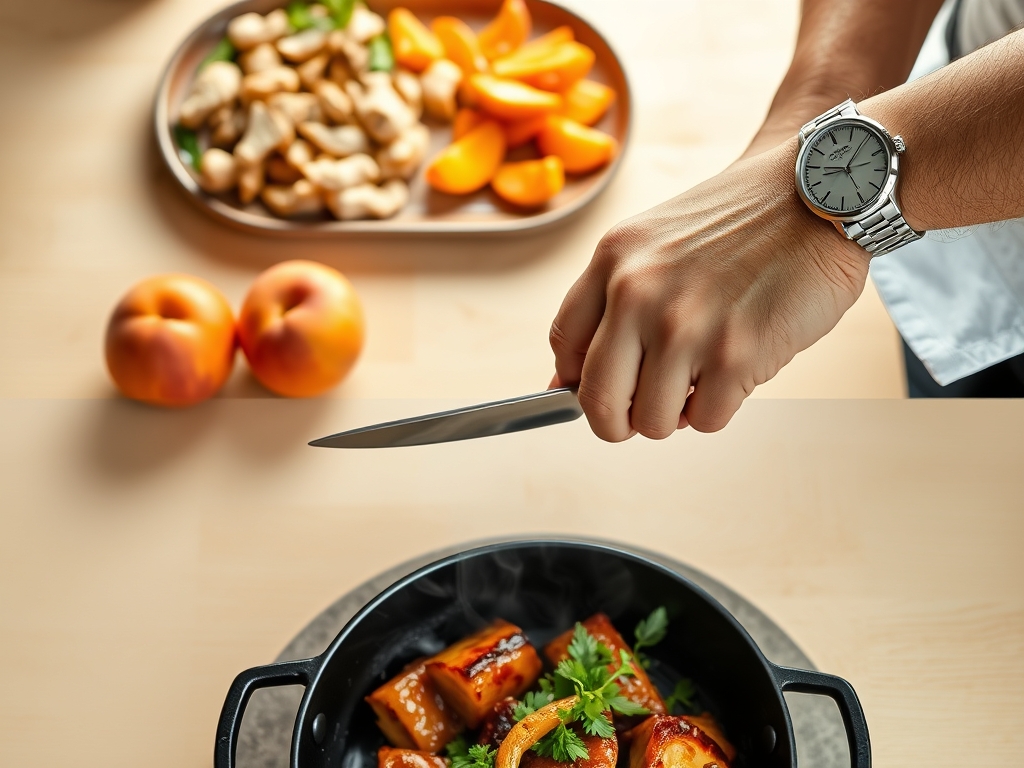
Flip thighs and sear flesh side for 90 seconds, then transfer to a plate. The second sear is brief because you're chasing crust, not doneness. Note the texture shown in the step-by-step photos: skin should shatter audibly when tapped, signaling rendered subcutaneous fat and dehydrated surface proteins.
Why it Works: Flipping late maximizes skin contact time, ensuring rendered fat bastes the meat while collagen in the dermis converts to gelatin, gluing crisp skin to tender flesh.
Step 3: Caramelize Peaches
Drain all but 1 tablespoon of fat from the skillet. Add peach halves cut-side down and cook undisturbed for 3 minutes until surfaces caramelize to toffee-brown. Their sugars (primarily sucrose and fructose) undergo caramelization above 320°F, creating hundreds of new flavor compounds absent in raw fruit.
Chef's Secret: Resist the urge to move them. Premature flipping pulls away browning-in-progress, leaving you with steamed peaches instead of caramelized gems.
Step 4: Build the Braise
Remove peaches and add shallots to the skillet, stirring for 90 seconds until translucent. Deglaze with stock and vinegar, scraping browned bits (fond) with a wooden spoon. Stir in honey, mustard, and thyme. Return chicken skin-side up and nestle peaches around the pieces. Transfer to a 375°F oven and braise uncovered for 18 minutes, until chicken reaches 165°F at the thickest part.
Why it Works: Uncovered braising allows skin to stay crisp while the liquid gently poaches the underside, creating textural contrast. The acidic braise also prevents peaches from turning to mush by firming pectin.
Step 5: Rest and Reduce
Remove skillet and let chicken rest on a wire rack for 5 minutes while you return the pan to the stovetop over medium-high heat. Reduce the liquid by half (about 4 minutes), whisking occasionally, until it coats the back of a spoon. Discard thyme sprigs.
Chef's Secret: Resting redistributes juices via capillary action, preventing the gush when you slice. Reducing the sauce concentrates flavor and thickens it through evaporation, not starch, keeping the finish clean.
Nutritional Info
Per serving (one thigh with sauce and one peach half): 380 calories, 22g fat (6g saturated), 18g carbohydrates (14g sugars, 2g fiber), 28g protein. Sodium hovers at 520mg when salted as directed. The high protein-to-calorie ratio and moderate fat from skin-on thighs deliver satiety, while natural fruit sugars provide quick energy without refined carbs.
Micronutrients include vitamin A from peaches (18% DV), niacin from chicken (45% DV for metabolic function), and potassium (12% DV) supporting electrolyte balance. The dish skews macro-balanced, suitable for maintenance diets without extreme restrictions.
Dietary Swaps
Keto Pivot: Replace honey with erythritol (40 ml) and double the Dijon for body. Use only two peaches to drop carbs to 8g per serving. Add 15 ml of heavy cream to the reduction for richness without sugar.
Gluten-Free: Already compliant. Verify stock and mustard labels for hidden gluten from thickeners or malt vinegar.
Vegan Adaptation: Substitute chicken with king oyster mushrooms (sliced lengthwise, scored, and seared) or extra-firm tofu (pressed, cornstarch-dusted for crust). Use vegetable stock and replace honey with agave. The peach element translates beautifully, as mushrooms share umami depth and tofu absorbs the glaze.
Serving & Presentation
Rustic Family Style: Arrange thighs and peach halves on a large platter, pour sauce over, and garnish with thyme leaves and flaky sea salt. Serve with creamy polenta or buttered egg noodles to soak up the glaze.
Refined Plating: Center one thigh on a warm plate, lean a peach half against it, and spoon a precise pool of sauce beside (not over) to showcase the sear. Garnish with microgreens and a drizzle of reduced balsamic for acidity contrast.
Grain Bowl Assembly: Shred the chicken and dice peaches, then layer over farro, arugula, toasted almonds, and crumbled goat cheese. Drizzle the sauce as a dressing and finish with black pepper.
The Pro-Dodge
Pitfall 1: Soggy Skin. Wet chicken or overcrowded pans steam rather than sear. Fix: Pat obsessively dry and sear in batches if needed, keeping finished pieces warm in a 200°F oven.
Pitfall 2: Mealy Peaches. Overripe fruit disintegrates into puree during braising. Fix: Choose firm, just-ripe peaches that resist gentle pressure. If only soft peaches are available, add them in the final 5 minutes of braising.
Pitfall 3: Broken Sauce. Honey can separate if boiled aggressively. Fix: Reduce at a gentle simmer and whisk in 5g of cold butter at the end to create a stable emulsion via fat globules suspending in the liquid.
The Meal Prep Corner
Store chicken and peaches separately from sauce in airtight containers. Refrigerate for up to four days. The skin loses crispness in storage, so reheat components separately: chicken in a 350°F oven for 12 minutes (covered loosely with foil to prevent drying), peaches microwaved for 45 seconds, and sauce warmed gently on the stovetop with a splash of stock to restore consistency. For day-one texture, crisp the skin under a broiler for 2 minutes before serving.
Freezing works for up to three months. Thaw in the fridge overnight, then follow reheating protocol. The sauce may separate slightly; whisk vigorously or blend briefly to re-emulsify.
Bringing It Home
This dish proves that peach chicken recipes don't require culinary acrobatics, just respect for heat, timing, and ingredient quality. The science is simple: proteins brown, sugars caramelize, acids balance, and fat carries it all. You're not chasing complexity for its own sake; you're orchestrating a few excellent components into something greater than their sum.
Try the base recipe first, then explore the variations. Grill the chicken and peaches for smokiness, add chipotles for heat, or fold in fresh basil at the end for herbal brightness. Share your results, post photos, and tag your adaptations. The best peach chicken recipes emerge when cooks riff on solid fundamentals, and your kitchen is the laboratory.
The Kitchen Table
Can I use canned peaches?
Yes, but drain thoroughly and pat dry to remove excess syrup. Reduce added honey by half to avoid cloying sweetness. Canned peaches won't caramelize as deeply due to pre-cooking, so consider a quick sear in a separate pan to develop color before adding.
What if I only have chicken breasts?
Pound breasts to even 3/4-inch thickness for uniform cooking. Reduce oven time to 12 minutes and check internal temp obsessively; breasts dry out fast past 165°F. Brine in 5% saltwater for 30 minutes beforehand to buffer against overcooking.
How do I prevent peaches from browning after cutting?
Toss cut peaches with 5 ml of lemon juice immediately. The citric acid lowers pH, inhibiting polyphenol oxidase enzymes responsible for enzymatic browning. This trick buys you 20 minutes of prep window.
Can I make this ahead for a dinner party?
Sear chicken and peaches, then build the braise up to the oven step. Refrigerate everything in the skillet, covered. Two hours before serving, bring to room temp for 30 minutes, then proceed with braising. Freshen the sauce with a splash of stock and a knob of butter before plating.
What pairs best with this dish?
Starchy sides that absorb sauce: roasted fingerling potatoes, wild rice pilaf, or soft polenta. Bitter greens like arugula or charred broccolini cut the sweetness. A crisp white wine, preferably Riesling or Chenin Blanc, echoes the peach notes while providing acidity.