
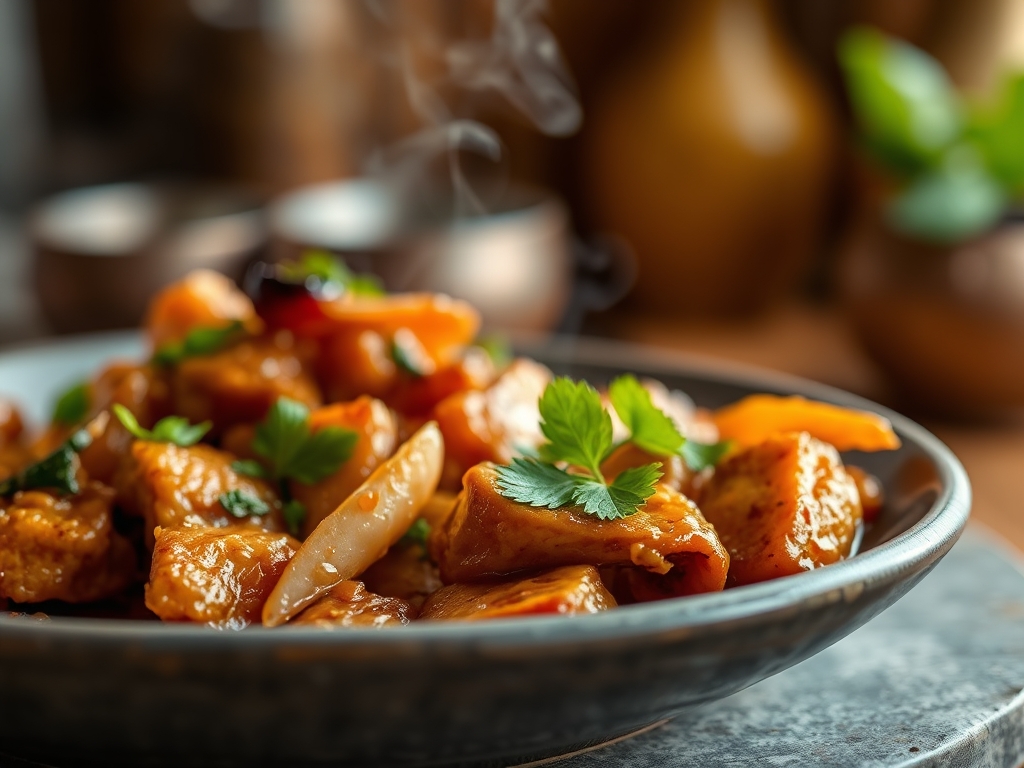
The sharp, rhythmic hiss of cold protein hitting a screaming hot wok signals the start of perfection. A plume of fragrant steam carries notes of toasted sesame and fermented soy, instantly signaling that something transformative is happening in the pan. Mastering various sauces for stir fry chicken recipes is the difference between a mediocre, soggy meal and a professional, high-gloss masterpiece.
The sauce must act as a cohesive agent, binding the rendered chicken fat to the crisp vegetables through controlled emulsification. When the sauce hits the pan, it should bubble aggressively, reducing rapidly to coat every surface in a shimmering, flavorful lacquer. This is not just about flavor; it is about the chemical marriage of lipids, acids, and sugars.
The Gathers
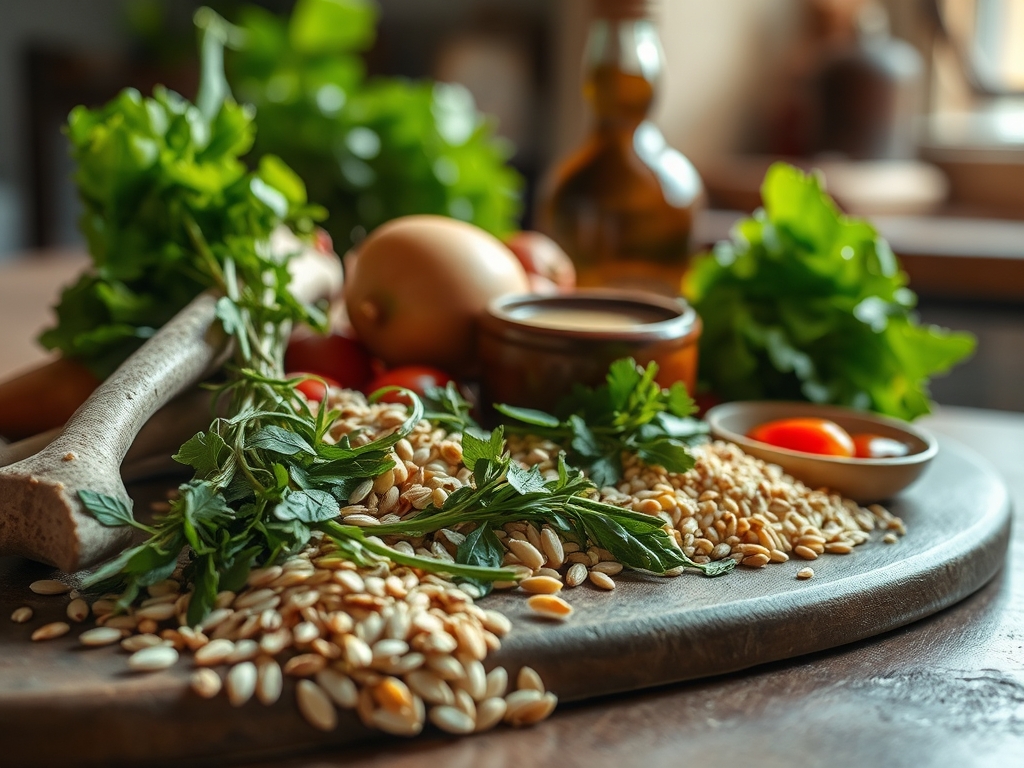
As you see in the ingredient spread below, the mise-en-place is the foundation of every successful stir fry. You need high-quality liquids: dark soy for color, light soy for salt, and rice vinegar for brightness. Aromatics like minced garlic, grated ginger, and sliced scallions provide the essential scent profile.
For textures, keep cornstarch or arrowroot powder nearby to manage viscosity. Use sesame oil for its low smoke point and high aromatic impact, adding it at the end to preserve its delicate compounds.
Smart Substitutions:
If you run out of rice vinegar, use apple cider vinegar with a pinch of sugar to mimic the acidity and sweetness. Lacking oyster sauce? Combine miso paste with a dash of Worcestershire sauce to replicate that deep, umami funk. For a gluten-free requirement, always swap standard soy sauce for tamari or coconut aminos.
The Clock
Prep Time: 15 minutes
Cook Time: 8 minutes
Total Time: 23 minutes
To maintain a high-speed kitchen, utilize the Chef's Flow. This means all liquid sauce components must be whisked together in a small bowl before the heat is even turned on. You cannot pause to measure spices while chicken is searing at 400degreeF (204degreeC). If you hesitate, the chicken will overcook and turn rubbery.
The Masterclass
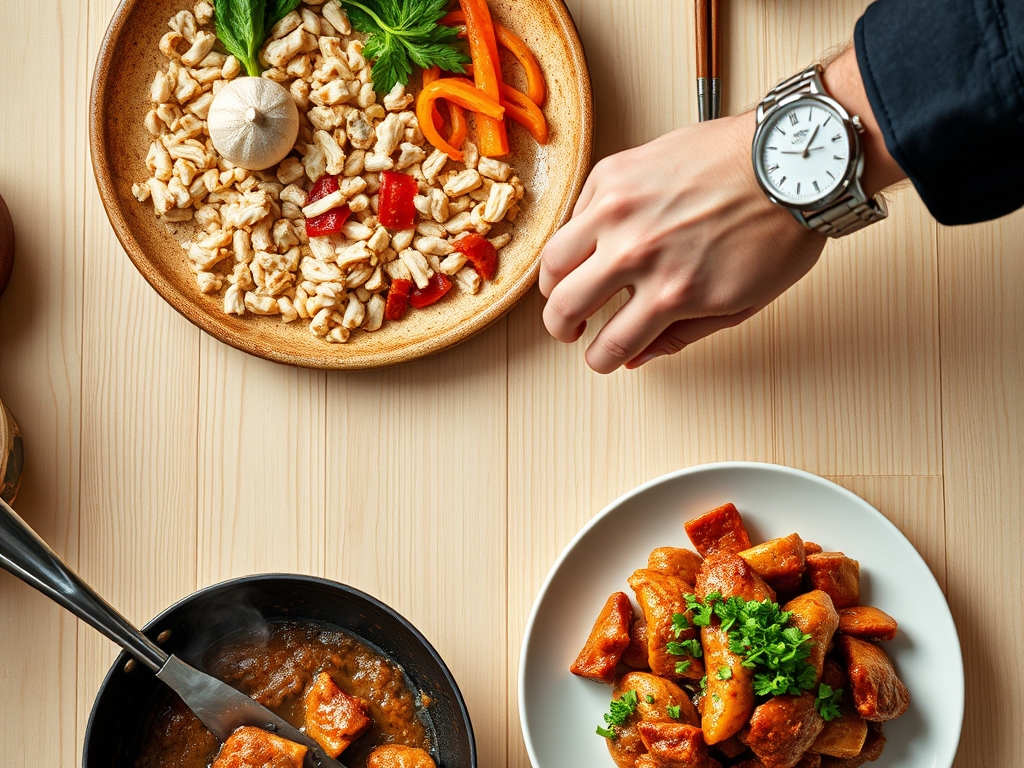
1. The Sear and Maillard Stage
Heat your wok until a drop of water dances and evaporates instantly. Add high-smoke point oil and sear the chicken pieces until they develop a deep golden crust.
Why it Works: This creates the Maillard reaction, a chemical reaction between amino acids and reducing sugars that produces complex, savory flavors.
2. The Aromatic Infusion
Push the protein to the edges of the wok and add your garlic and ginger to the center. Sauté for only 30 seconds until the scent blooms.
Chef's Secret: Sautéing aromatics in the rendered fat of the chicken ensures the flavor is integrated into the protein itself, rather than just sitting on top.
3. The Deglaze and Emulsify
Pour your pre-mixed sauce into the center of the wok. Toss everything vigorously as the sauce begins to thicken and bubble.
Why it Works: The starch in the sauce undergoes gelatinization, absorbing water and swelling to create a thick, glossy coating that clings to the ingredients through surface tension.
4. The Final Glaze
Add a final drizzle of toasted sesame oil and a handful of fresh scallions just before removing from heat.
Chef's Secret: Adding fats at the end prevents the aromatic oils from evaporating or breaking down under extreme heat, preserving the bright, nutty finish.
The Deep Dive
Nutritional Info
Each serving of a standardized sauce profile provides approximately 250 calories. Most calories stem from the healthy fats in sesame oil and the protein in the chicken. Carbohydrates are primarily found in the starch thickener and the sugars used to balance acidity.
Dietary Swaps
Keto: Eliminate cornstarch and sugar. Use Xanthan gum for thickening and Monkfruit sweetener for balance.
Vegan: Replace chicken with extra-firm pressed tofu and use mushroom-based "oyster" sauce.
Gluten-Free: Use tamari, coconut aminos, and arrowroot powder.
Serving & Presentation
- The Minimalist: Serve over a perfectly smooth bed of jasmine rice with microgreens for a pop of color.
- The Texture Play: Top with crushed toasted peanuts and crispy fried shallots to contrast the soft sauce.
- The High-End: Arrange the chicken in a neat ring around a central mound of sautéed bok choy, drizzling extra sauce only over the protein.
The Pro-Dodge
- The Soggy Veggie: Adding vegetables too early. Fix: Stir fry them in batches or keep them slightly undercooked to account for residual heat.
- The Broken Sauce: Using too much water or insufficient starch. Fix: Whisk a small cornstarch slurry into your cold sauce before adding it to the pan.
- The Salty Bomb: Using too much soy sauce. Fix: Always balance salt with a splash of rice vinegar or a pinch of sugar to round out the profile.
The Meal Prep Corner
Store your stir fry in airtight glass containers. To maintain day-one quality, reheat in a pan over medium heat with a tablespoon of water to reactivate the sauce. Avoid microwaving if you want to preserve the crispness of the vegetables.
The Wrap-Up
Mastering the art of sauces for stir fry chicken recipes turns a simple weeknight meal into a professional-grade experience. Control your heat, respect your mise-en-place, and never fear the sizzle. I want to see your creations; tag me in your photos and tell me which sauce hack changed your kitchen game!
The Kitchen Table
What is the best thickener for stir fry sauce?
Cornstarch is the industry standard for a glossy finish, but arrowroot powder works brilliantly for a more neutral flavor profile.
How do I stop my sauce from becoming too thin?
Ensure your sauce mixture includes a starch slurry and that you allow it to reach a full boil to activate the thickening process.
Can I make these sauces ahead of time?
Yes, you can prep the liquid sauce components up to three days in advance, provided they are stored in a sealed container in the refrigerator.
Why is my chicken tough after stir frying?
This usually happens due to overcrowding the pan, which drops the temperature and causes the chicken to steam in its own juices rather than sear.