
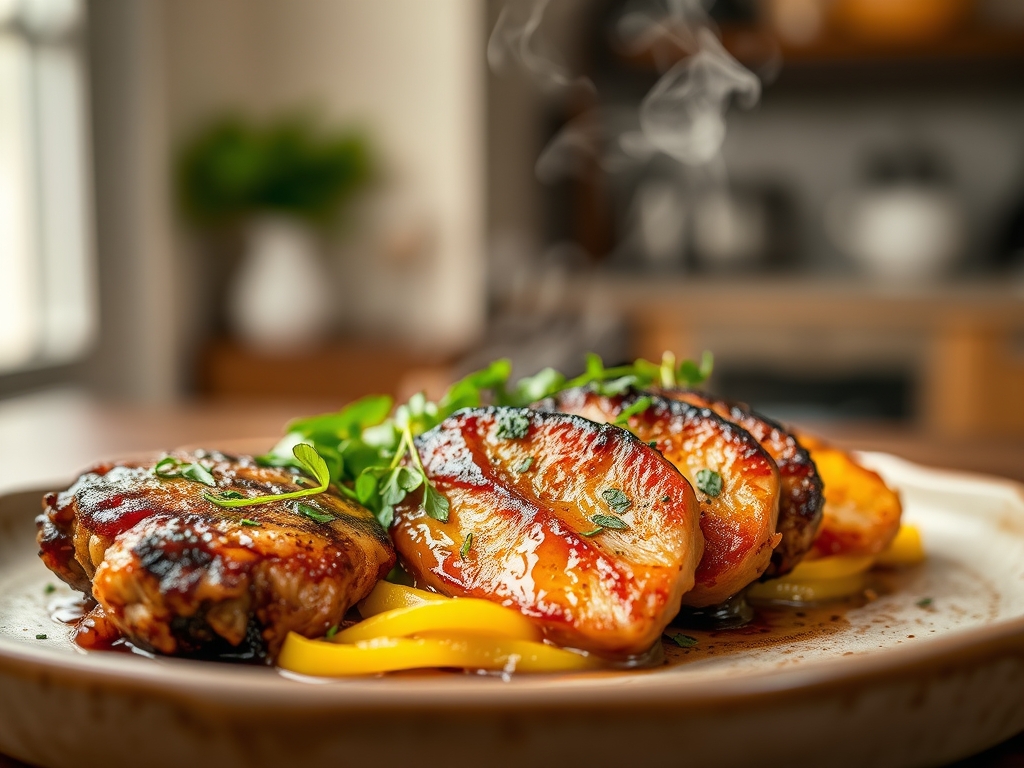
The heavy cast iron skillet begins to smoke, releasing a scent of toasted amino acids and rendered fat that signals the start of a perfect sear. When you master steak chicken recipes, the goal is to transform a lean protein into a succulent, crust-heavy masterpiece that rivals a prime ribeye. This process relies on intense surface heat and precise moisture management rather than long braising times. The chicken breast or thigh must hit the pan at room temperature, ensuring the heat penetrates the center without overcooking the exterior. As the protein hits the hot oil, the Maillard reaction creates a complex brown crust that locks in juices and provides that signature steakhouse bite. You are not just cooking poultry; you are applying high-heat steakhouse techniques to achieve a texture that is firm, juicy, and deeply caramelized.
The Gathers
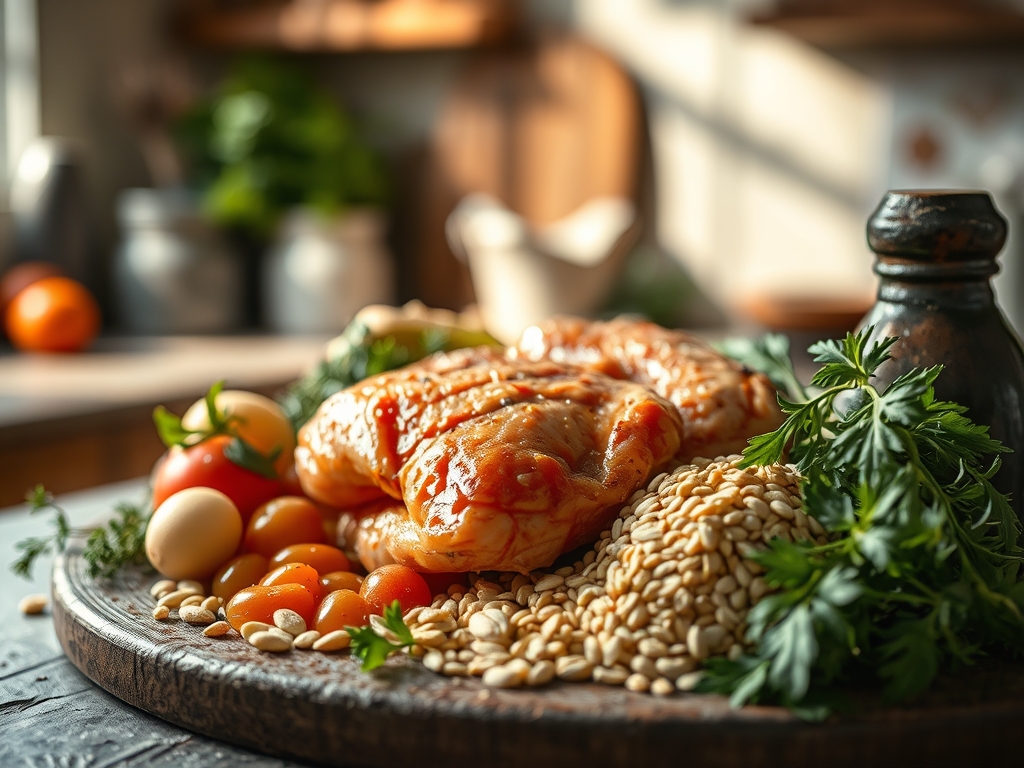
As you see in the ingredient spread above, successful steak chicken recipes begin with a foundation of high-quality fats and coarse seasonings. Your mise-en-place should include airline chicken breasts (skin-on, wing-on) or deboned thighs for maximum flavor retention. You will need high-smoke point oils like avocado or grapeseed oil, unsalted European-style butter, fresh rosemary, crushed garlic cloves, and coarse kosher salt. The salt is non-negotiable; its larger crystals create more surface area for the crust to form.
Smart substitutions play a vital role when your pantry is light. If you lack fresh herbs, a dry rub of smoked paprika and onion powder provides a similar depth. For those avoiding dairy, replace the butter baste with a splash of duck fat or toasted sesame oil to maintain that rich mouthfeel. Always ensure your aromatics are fresh to prevent the bitter metallic notes often found in older spices.
The Clock
Preparation requires exactly 15 minutes of active time, mostly dedicated to patting the protein dry and tempering. The cook time averages 12 to 14 minutes, depending on the thickness of the cut. Total time from fridge to plate is roughly 30 minutes, making this a high-efficiency dinner solution.
The Chef's Flow is what separates amateurs from professionals. While the chicken tempers on the counter, preheat your skillet and prepare your side dishes. Never wait for the pan to heat after the chicken is ready. Optimization means your garlic is smashed and your butter is measured before the first sizzle hit the pan.
The Masterclass
1. The Surface Prep
Dry the chicken using paper towels until no visible moisture remains on the skin. A damp surface generates steam, which prevents the Maillard reaction from occurring. Chef's Secret: Rub a pinch of baking soda into the skin to accelerate browning by raising the pH level on the surface.
2. The Initial Sear
Place the chicken skin-side down in a shimmering pan over medium-high heat. Do not move the meat for at least four minutes. Why it Works: This allows the proteins to bond and then release naturally from the metal once the crust is fully formed.
3. The Arrosage (Butter Basting)
Flip the chicken and drop in the butter, garlic, and rosemary. Spoon the foaming fat over the meat continuously for the final three minutes. Chef's Secret: The milk solids in the butter toast during this process, adding a nutty complexity known as beurre noisette.
4. Thermal Carryover
Remove the chicken when it reaches 160 degrees Fahrenheit (71 degrees Celsius). Why it Works: Residual heat will cause the internal temperature to climb to the safe 165 degrees Fahrenheit during the rest, preventing the fibers from tightening and squeezing out moisture.
The Deep Dive
Nutritional Info
A standard 6-ounce serving of steak-style chicken provides approximately 42 grams of protein, 12 grams of fat (primarily from the basting process), and zero carbohydrates. This makes it an ideal center-plate protein for muscle recovery and metabolic health.
Dietary Swaps
For a Keto profile, increase the butter baste or add a dollop of compound herb butter during the rest. To make this Vegan, apply the same searing techniques to thick-cut cauliflower steaks or king oyster mushrooms using olive oil and vegan butter. This recipe is naturally Gluten-Free, provided your seasonings are pure.
Serving & Presentation
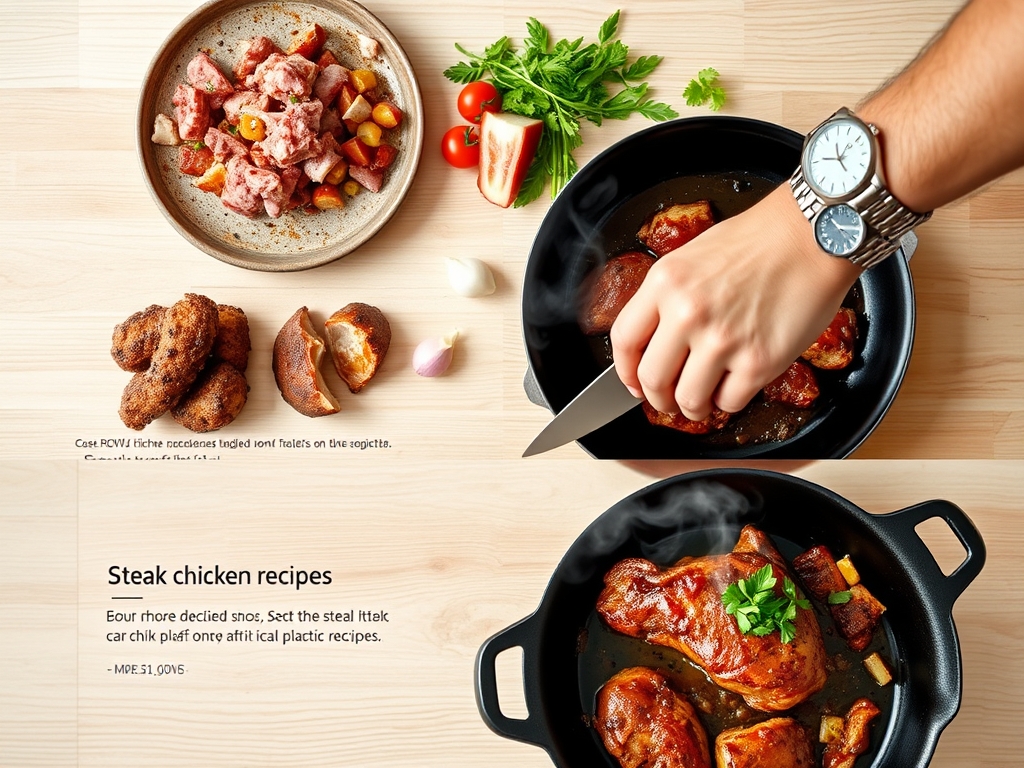
Note the texture shown in the step-by-step photos above. To mirror a high-end steakhouse, slice the chicken on a bias to show off the moisture levels. Serve it atop a bed of parsnip puree for a white-on-white aesthetic, or fan the slices over a charred asparagus bundle. A final sprinkle of Maldon sea salt provides a crunch that highlights the sear.
The Pro-Dodge
Avoid the "Grey Meat Syndrome" by ensuring your pan is truly hot before adding the oil. If the chicken sticks, do not tear it; wait thirty seconds for it to release. If the butter begins to smoke excessively, drop in a cold tablespoon of oil to immediately lower the temperature of the fat.
The Meal Prep Corner
Store leftovers in airtight glass containers for up to four days. To reheat without losing the steakhouse texture, avoid the microwave. Instead, place the chicken in a cold pan with a teaspoon of water, cover with a lid, and heat over medium-low until the steam refreshes the proteins.
The Wrap-Up
Mastering the steakhouse sear on poultry changes your entire approach to weeknight cooking. By focusing on surface moisture, thermal carryover, and the art of the butter baste, you turn a humble bird into a luxury experience. Grab your heaviest skillet and get that oil shimmering. Your kitchen is about to smell like the best chophouse in the city. Share your results and tell me which aromatic herbs you chose for your basting liquid.
The Kitchen Table
What is the best pan for steak chicken recipes?
A heavy-bottomed cast iron or carbon steel skillet is best because they retain heat efficiently. This ensures the pan temperature doesn't drop when the cold meat is added, which is essential for a hard sear.
Can I use chicken thighs instead of breasts?
Yes, thighs are more forgiving due to their higher fat content. They may require an extra two minutes of cook time to render the connective tissue, resulting in an even juicier steak-like experience.
Why does my chicken skin get soggy after cooking?
Soggy skin is usually caused by overcrowding the pan or not drying the meat enough. Ensure at least an inch of space between pieces to allow steam to escape rather than trapped under the meat.
How do I know when the chicken is ready to flip?
The meat will "tell" you when it is ready by releasing from the pan. If you feel resistance when lifting with tongs, the crust has not yet fully set; give it another sixty seconds.