
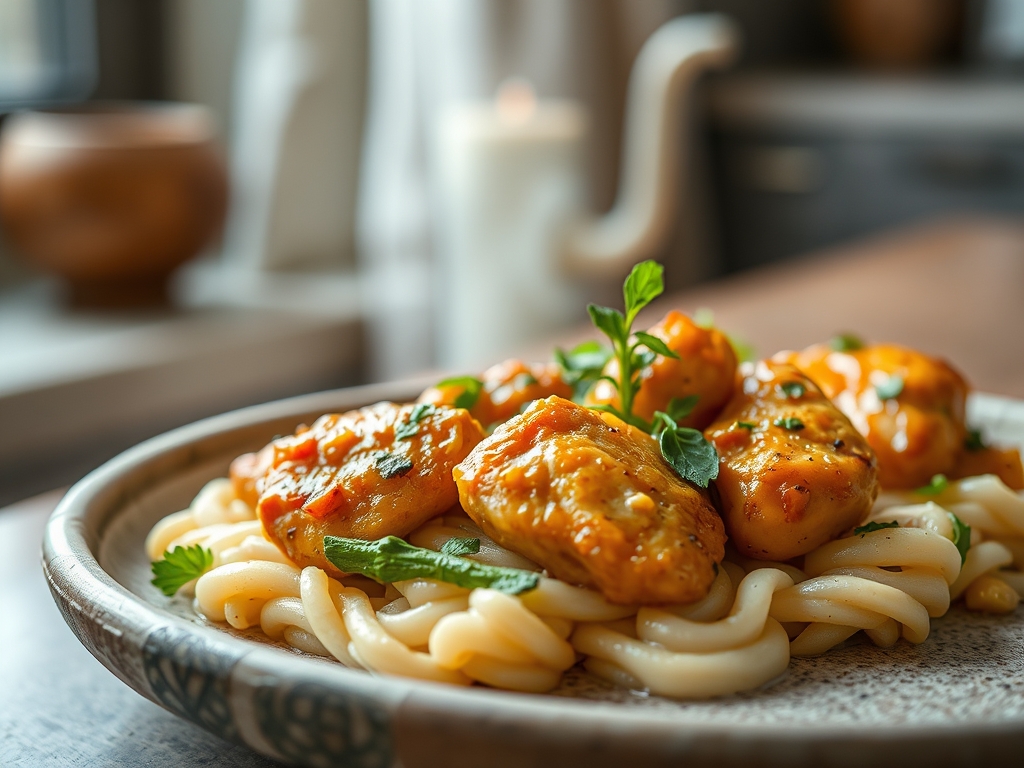
Imagine the scent of toasted legumes hitting a screaming hot heavy-bottomed skillet. It is that intoxicating moment where the earthy, fatty richness of legumes meets the savory, protein-dense profile of poultry. We are diving deep into the world of peanut and chicken recipes; a culinary intersection where heat, salt, and fat perform a high-stakes dance. This is not just about dinner. It is about the molecular magic of a piquant sauce clinging to perfectly seared thighs.
The beauty of these dishes lies in the contrast. You have the crunch of the garnish, the silkiness of the emulsified butter, and the sharp bite of Thai bird's eye chilies. Whether you are craving a velvety West African stew or a charred satay with a viscous dipping sauce, the fundamental chemistry remains the same. We are going to master the art of balancing capsaicin with creamy lipids to create a flavor profile that resonates on every part of your palate. Grab your apron; we are about to turn your kitchen into a high-end bistro.
The Gathers:
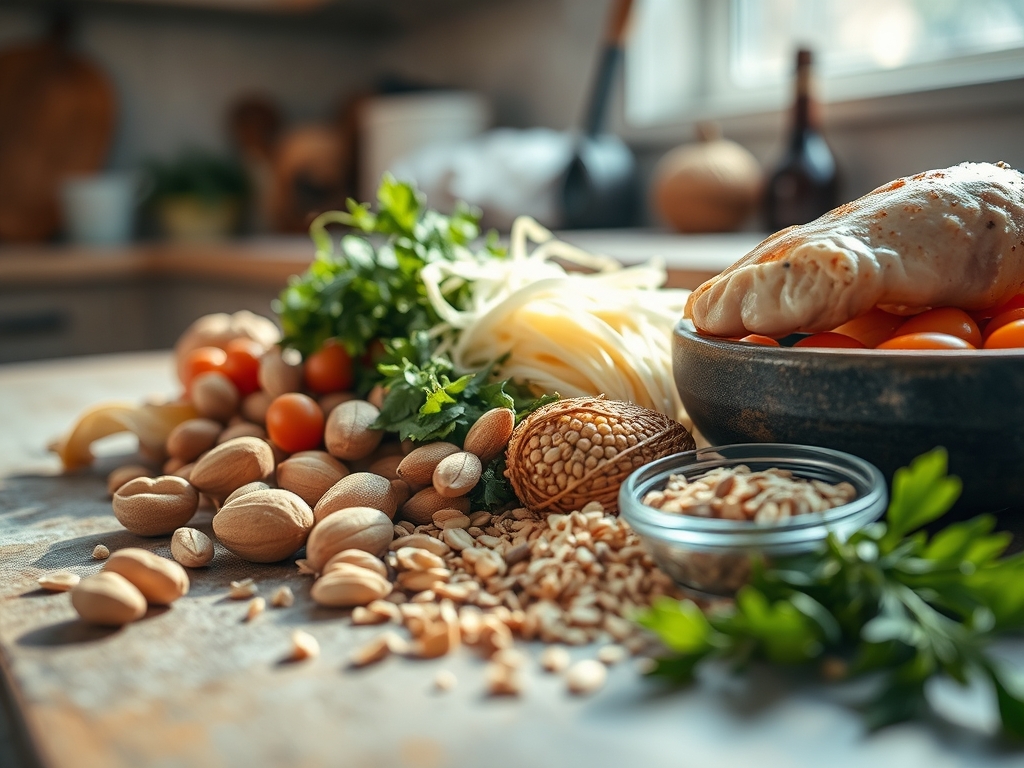
To execute world-class peanut and chicken recipes, your mise-en-place must be precise. Start with high-quality chicken thighs; the higher fat content ensures the meat remains succulent during high-heat applications. For the peanut component, look for "natural" varieties. These lack hydrogenated oils and stabilizers, allowing you to control the viscosity of your sauces. You will need a microplane for fresh ginger and garlic, ensuring they disappear into the sauce while providing maximum aromatic impact.
Smart Substitutions: If you are navigating a legume allergy, sunflower seed butter offers a similar fatty mouthfeel and protein structure. For those watching sodium, coconut aminos can replace soy sauce, providing a fermented depth with a lower glycemic index. If you cannot find fresh galangal for your pastes, a mixture of ginger and a splash of lime juice mimics that sharp, piney top note. Always keep a bottle of high-smoke-point oil, like grapeseed or refined peanut oil, to facilitate a clean sear without acrid oxidation.
The Clock
The "Chef's Flow" is all about overlapping tasks to minimize downtime. For most peanut and chicken recipes, expect a total commitment of 45 minutes. You will spend 15 minutes on the "active prep" phase; this includes dicing aromatics and whisking your base sauce. The cooking phase takes roughly 20 to 25 minutes.
While the chicken renders its fat in the skillet, you should be prepping your garnishes. This ensures that by the time the meat reaches its target internal temperature, your "crunch factor" is ready to go. Remember to factor in a five-minute resting period. This allows the muscle fibers to relax and reabsorb juices, preventing your sauce from becoming watery upon plating.
The Masterclass
1. The Sear and Render
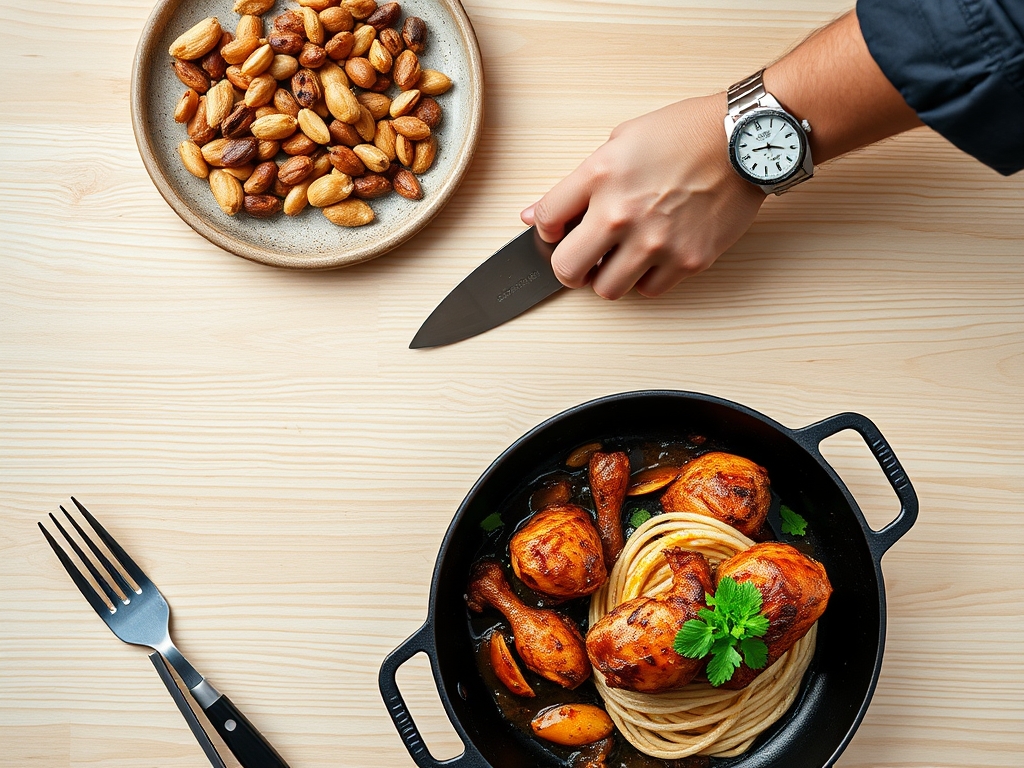
Place your chicken skin-side down in a cold skillet before turning the heat to medium-high. This gradual temperature increase allows the subcutaneous fat to render out slowly, resulting in a glass-like crispness. Use stainless steel tongs to press the meat down, ensuring even contact with the heat source.
Pro Tip: This process utilizes the Maillard Reaction, a chemical reaction between amino acids and reducing sugars that creates hundreds of different flavor compounds. Starting cold prevents the skin from shrinking too quickly and trapping unrendered fat.
2. Aromatic Infusion
Once the chicken is browned, remove it and use a bench scraper to clear any large debris, but leave the rendered fat. Add your minced garlic, ginger, and shallots. Sauté until translucent and fragrant. This is the foundation of your flavor profile.
Pro Tip: This is known as sweating, which draws out moisture at a low temperature to soften the cellulose in vegetables without browning them. It creates a mellow, integrated base for your spicy peanut sauce.
3. Deglazing the Fond
Pour in a splash of rice vinegar or chicken stock. Use a wooden spoon to scrape up the brown bits stuck to the bottom of the pan. These bits, known as "fond," are concentrated nuggets of umami that will deepen the complexity of your final dish.
Pro Tip: Deglazing involves a thermal shock that releases caramelized proteins from the pan. These proteins act as natural emulsifiers, helping your peanut butter and liquids bond into a cohesive, velvety sauce.
4. Emulsifying the Sauce
Lower the heat and whisk in your peanut butter, chili paste, and coconut milk. Use a saucier or a whisk to ensure the fats and liquids are fully integrated. The sauce should be thick enough to coat the back of a spoon, a state known in French cooking as "nappe."
Pro Tip: Peanut butter contains natural lecithin, which helps emulsify the water-based liquids and the fats. Keeping the heat low prevents the sauce from "breaking," which happens when the fats separate from the solids.
5. The Final Simmer
Return the chicken to the pan, nestling it into the sauce. Cover and simmer for 8 to 10 minutes until the internal temperature reaches 165 degrees Fahrenheit. This allows the flavors to penetrate the meat while the sauce reduces and thickens.
Pro Tip: This stage utilizes thermal carryover. Even after you remove the pan from the heat, the internal temperature of the chicken will continue to rise by 3 to 5 degrees, ensuring it is perfectly cooked without becoming rubbery.
The Deep Dive
From a nutritional standpoint, peanut and chicken recipes are powerhouses. You get lean protein from the poultry and healthy monounsaturated fats from the peanuts. A standard serving contains approximately 35 grams of protein and 22 grams of fat. To keep it Keto, simply swap out any added sugars for monk fruit sweetener and serve over riced cauliflower. For a Vegan twist, firm tofu or tempeh provides a similar structural integrity when seared.
The Fix-It:
- The Sauce is Too Thick: Whisk in a tablespoon of warm water or coconut milk at a time until the desired viscosity is reached.
- The Sauce Broke (Oily): This usually happens from overheating. Remove from heat and whisk in a teaspoon of cold water to re-emulsify the fats.
- Too Much Heat: If the chili is overwhelming, add a squeeze of lime juice or a teaspoon of honey. The acid and sugar neutralize the perceived burn of the capsaicin.
For meal prep, these dishes are legendary. The sauce actually improves after 24 hours as the aromatics continue to infuse. When reheating, avoid the microwave if possible. Instead, use a small saucepan over low heat and add a splash of water to loosen the proteins. This preserves the "day-one" texture and prevents the chicken from becoming "rubbery" due to rapid moisture loss.
The Wrap-Up
Mastering peanut and chicken recipes is like unlocking a secret level in a video game. You now have the technical prowess to balance complex fats with sharp acids and lingering heat. Whether you are hosting a dinner party or just fueling up for a busy week, these techniques ensure a restaurant-quality result every single time. Go forth, use your tongs with confidence, and remember that the best cooking happens when you understand the "why" behind the "how." Happy cooking!
The Kitchen Table
Can I use chicken breast instead of thighs?
Yes, but reduce the simmering time by 30 percent. Chicken breast is leaner and prone to drying out. Use a digital thermometer to pull the meat exactly at 160 degrees Fahrenheit to account for thermal carryover.
How do I make the sauce extra creamy?
Ensure you use full-fat coconut milk and whisk vigorously. The natural fats in the peanuts and coconut must be fully emulsified. If it looks grainy, a quick pulse with an immersion blender will smooth out the texture instantly.
What is the best way to store leftovers?
Place the chicken and sauce in an airtight glass container. It will stay fresh for up to four days in the refrigerator. The fats in the peanut butter will firm up when cold, so expect a solid consistency initially.
Is it possible to make this nut-free?
Absolutely. Substitute the peanut butter with toasted sunflower seed butter or tahini. You will still achieve a rich, viscous sauce with a deep, savory profile. Adjust the salt levels, as seed butters vary in sodium content.