
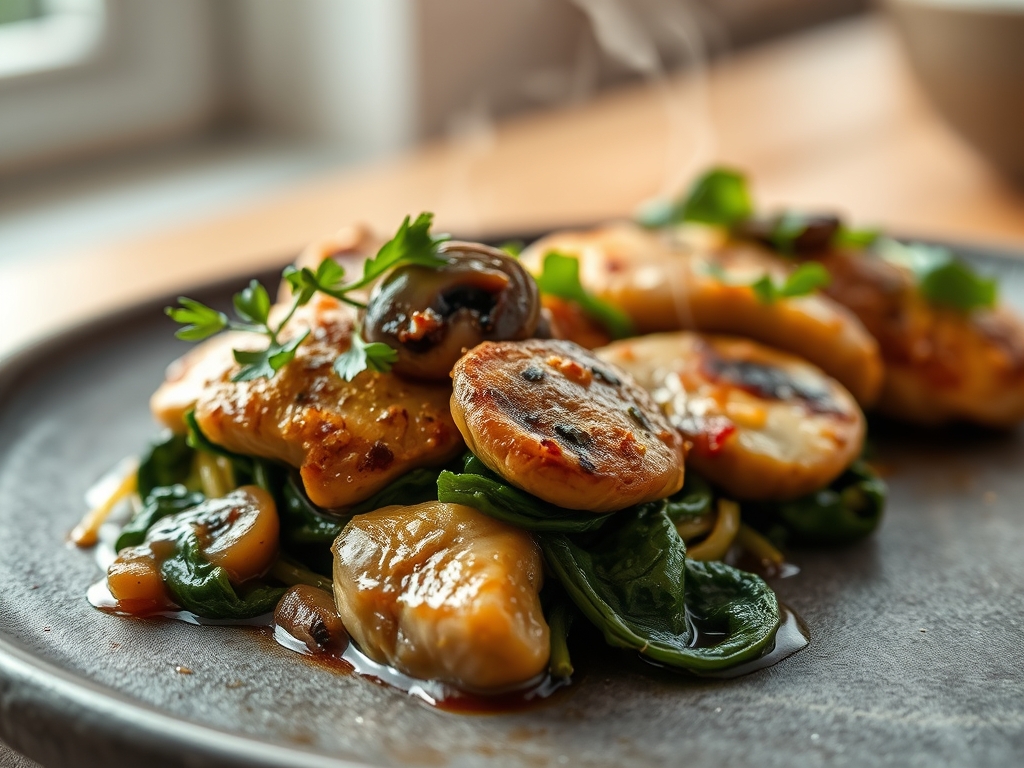
The scent of sizzling poultry and earthy fungi hitting a hot pan is the ultimate kitchen siren song. When you master mushroom spinach and chicken recipes, you are not just making dinner; you are orchestrating a symphony of amino acids and moisture control. It is the perfect trifecta of lean protein, iron-rich greens, and that deep, savory umami we all crave.
Imagine a golden-brown chicken breast resting in a pool of velvet cream sauce, studded with mahogany-seared cremini and ribbons of vibrant, wilted spinach. This is the meal that bridges the gap between a frantic Tuesday night and a sophisticated Saturday dinner party. It is rustic yet refined, providing a nutritional powerhouse without sacrificing a single ounce of luxury. We are going to dive deep into the molecular magic that turns these humble ingredients into a five-star experience. From the Maillard reaction on the chicken skin to the enzymatic breakdown of the mushrooms, I am going to show you how to manipulate heat and fat like a seasoned pro. Grab your favorite heavy-bottomed skillet and let us get to work.
The Gathers:
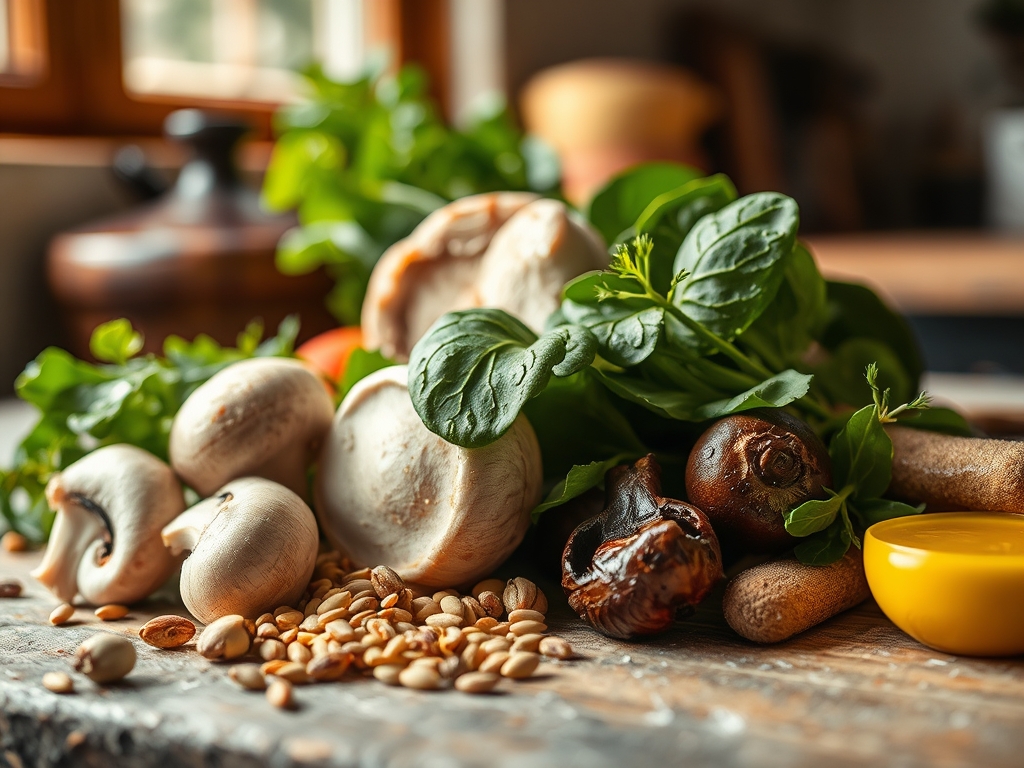
Before we ignite the burners, we must respect the mise-en-place. For the protein, look for air-chilled chicken breasts or thighs. Air-chilled poultry has less water retention, which means it will sear rather than steam. You will need a digital scale to ensure your portions are precise; aim for 6-ounce cutlets for even cooking.
For the mushrooms, skip the pre-sliced white buttons. Grab whole cremini or shiitakes. These varieties contain higher concentrations of glutamate, the molecule responsible for that savory "fifth taste." Your spinach should be fresh baby leaves; frozen spinach contains too much interstitial water for this specific application. You will also need high-fat heavy cream for a stable emulsion, fresh garlic, shallots, and a splash of dry white wine like Sauvignon Blanc to deglaze.
Smart Substitutions:
If you are dairy-free, swap the cream for full-fat coconut milk or a cashew cream infused with nutritional yeast. For a lower-calorie profile, use a concentrated chicken bone broth thickened with a tiny bit of arrowroot powder. If cremini mushrooms are unavailable, oyster mushrooms provide a beautiful, delicate texture that mimics the silkiness of the spinach.
The Clock
Efficiency in the kitchen is all about the "Chef's Flow." Total active prep time is approximately 15 minutes, while the cooking process spans 25 minutes.
The flow begins with the chicken. Because protein requires a rest period to allow muscle fibers to reabsorb juices, we cook it first. While the chicken rests, the mushrooms take center stage. They require a dry-heat environment to lose their moisture. Finally, the sauce is built in the same pan to capture the fond. This sequential layering ensures that no flavor is lost and every component reaches the plate at the optimal temperature.
The Masterclass
1. The Sear and the Maillard Reaction
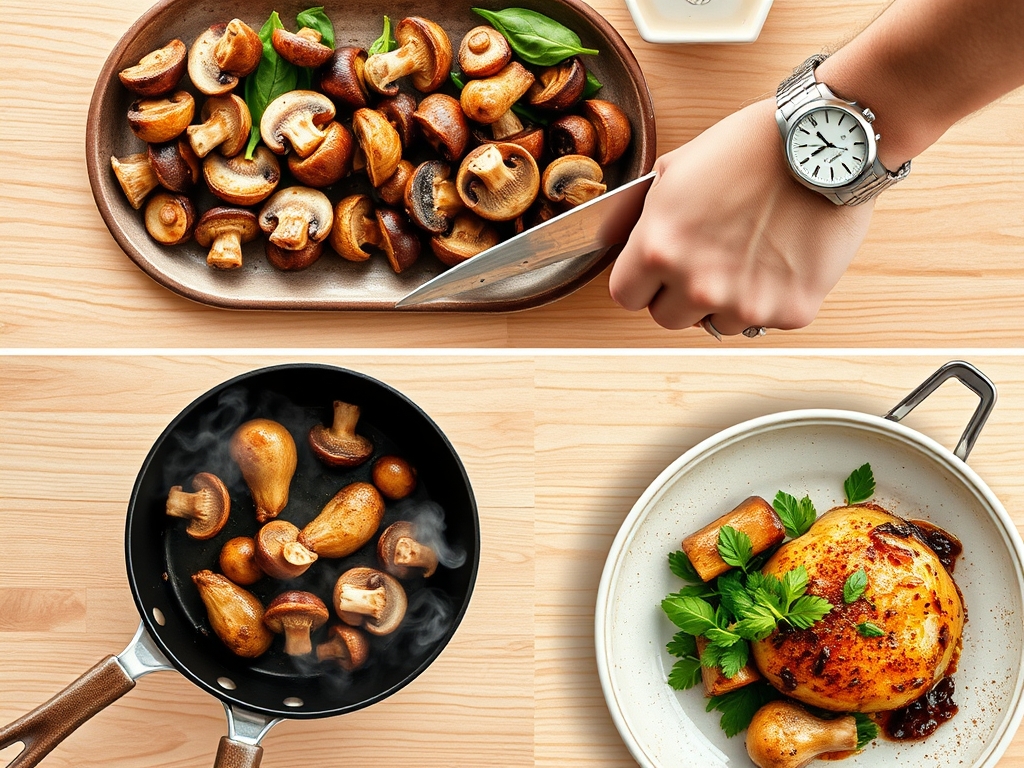
Pat your chicken completely dry with paper towels. Season aggressively with kosher salt. Heat your heavy-bottomed skillet over medium-high heat with a high-smoke-point oil like avocado oil. Place the chicken in the pan and leave it alone for 5 to 6 minutes.
Pro Tip: This step relies on the Maillard reaction, a chemical reaction between amino acids and reducing sugars that gives browned food its distinctive flavor. If you move the chicken too early, you tear the proteins and miss out on that complex, nutty crust.
2. The Fungi Transformation
Remove the chicken and add your sliced mushrooms to the dry pan. Do not add oil yet. Let them release their water and brown in the residual chicken fat. Once they are golden, add a knob of unsalted butter and your minced shallots.
Pro Tip: Mushrooms are like sponges. If you add oil immediately, they soak it up and become greasy. By starting them in a "dry" pan, you encourage enzymatic browning and a firmer, meatier texture.
3. Deglazing the Fond
Use a wooden spoon or a bench scraper to loosen the brown bits at the bottom of the pan. Pour in your white wine. The liquid will bubble violently; this is the alcohol evaporating and the acid pulling up the concentrated flavor.
Pro Tip: Those brown bits are called fond. They are the essence of the dish. Deglazing creates a flavorful base for your sauce by dissolving these caramelized particles back into a liquid state.
4. The Emulsion and Wilt
Lower the heat and stir in your heavy cream. Use a whisk or a saucier spoon to incorporate the fats. Add the spinach in handfuls, tossing with tongs until the leaves just begin to collapse.
Pro Tip: Spinach is 90 percent water. You want to stop the heat as soon as it wilts to prevent it from leaching excess moisture into your sauce, which would break your viscous emulsion.
5. Reintegration and Resting
Nestle the chicken back into the pan along with any accumulated juices from the resting plate. Let everything simmer for two minutes to allow the flavors to infuse.
Pro Tip: This final step accounts for thermal carryover. The internal temperature of the chicken will continue to rise by about 5 degrees after being removed from the heat. This ensures the meat is succulent rather than chalky.
The Deep Dive
From a nutritional standpoint, this dish is a powerhouse. You are looking at roughly 35 grams of protein and a significant dose of Vitamin K and iron from the spinach. Mushrooms contribute selenium and B vitamins, making this a functional meal that supports metabolic health.
Dietary Swaps:
For my Keto friends, this is already your best friend; just ensure your cream is high-fat. For a Vegan version, use "chicken" seitan and a sunflower-seed-based cream. If you are Gluten-Free, ensure your chicken broth or any thickening agents are certified GF.
The Fix-It:
- Broken Sauce: If your sauce looks oily, it has "broken." Fix it by whisking in a tablespoon of warm water or an extra splash of cream to re-emulsify the fats.
- Rubbery Chicken: This happens from overcooking. Always use a digital thermometer to pull the chicken at 160 degrees Fahrenheit; it will reach the safe 165 mark during the rest.
- Bland Flavor: Usually a lack of acid. Use a microplane to zest a fresh lemon over the final dish. The citric acid brightens the heavy fats.
Meal Prep Science:
To reheat this for day-one quality, avoid the microwave. The high-frequency waves vibrate water molecules too quickly, making the chicken tough. Instead, reheat in a small skillet over low heat with a tablespoon of broth to loosen the sauce.
The Wrap-Up
You now have the technical blueprint to execute one of the most reliable mushroom spinach and chicken recipes in the culinary world. By understanding the chemistry of the sear and the physics of the emulsion, you have moved beyond following a list of instructions. You are now commanding the kitchen with authority and wit. This dish is savory, creamy, and deeply satisfying; a true testament to the power of simple ingredients treated with professional respect. Now, pour yourself a glass of that Sauvignon Blanc and enjoy the fruits of your labor.
The Kitchen Table
Can I use frozen spinach for this recipe?
Yes, but you must thaw it and squeeze out every drop of moisture using a kitchen towel first. Otherwise, the excess water will turn your beautiful cream sauce into a thin, watery mess.
What is the best mushroom for maximum flavor?
While cremini are great, a mix of shiitake and oyster mushrooms provides the best umami profile. Shiitakes contain lenthionine, which offers a deep, smoky aroma that pairs perfectly with seared chicken.
How do I prevent the chicken from sticking to the pan?
Ensure your pan is hot before adding oil, and your oil is shimmering before adding the chicken. Most importantly, do not touch the meat until it naturally releases from the surface once the crust has formed.
Why did my cream sauce curdle?
Curdling usually happens if the heat is too high or if you added a highly acidic ingredient like lemon juice too early. Always simmer cream on low heat and add citrus at the very end.