
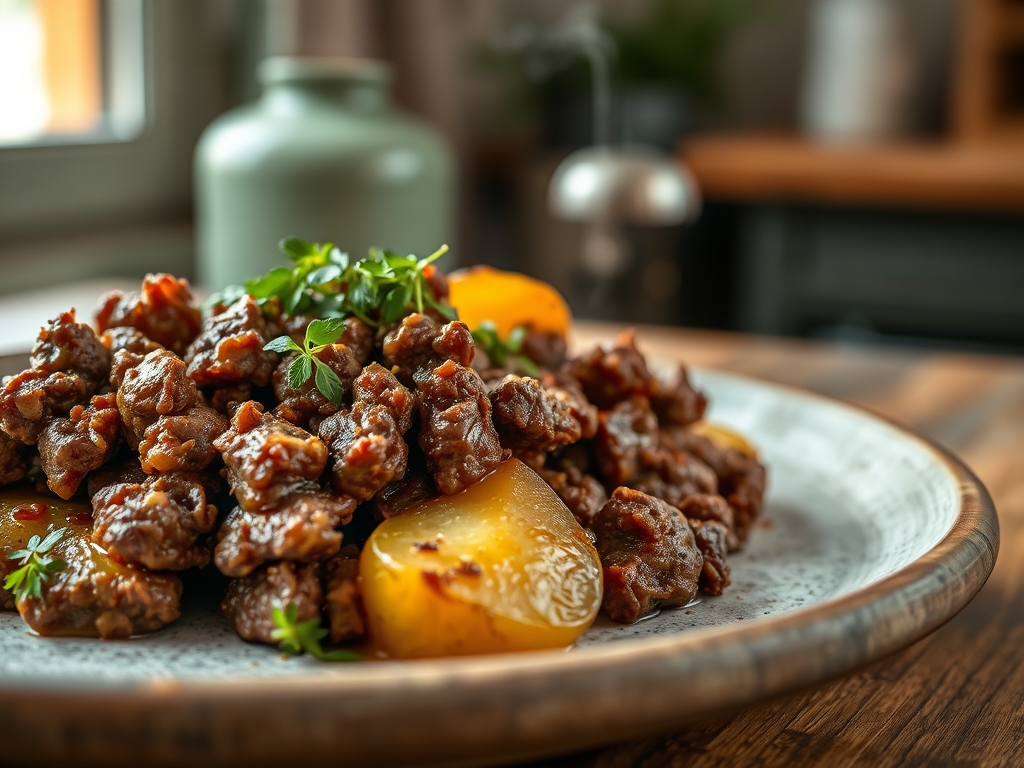
Steam rises from the heavy bottomed skillet as the first handful of diced tubers hits the shimmering oil. There is a specific, primal joy in the sizzle of a well seasoned pan. If you are hunting for easy ground beef recipes with potatoes, you have found the ultimate comfort food sanctuary where science meets the stovetop.
The magic of this pairing lies in the structural contrast. You have the crumble of protein and the starchy, velvet interior of a gold potato. It is a culinary marriage that relies on the Maillard reaction to create deep, savory notes that a simple boiled dinner could never achieve. We are moving beyond the basic hash. We are talking about six distinct flavor profiles that transform humble pantry staples into a weeknight masterpiece. Whether you are craving a piquant Tex-Mex scramble or a herbaceous French country fry, these techniques ensure your beef is juicy and your potatoes are crisp. Grab your favorite wooden spoon and a sharp chef knife. We are about to turn these simple ingredients into a rotation of high protein, high flavor meals that feel like a hug in a bowl.
The Gathers:
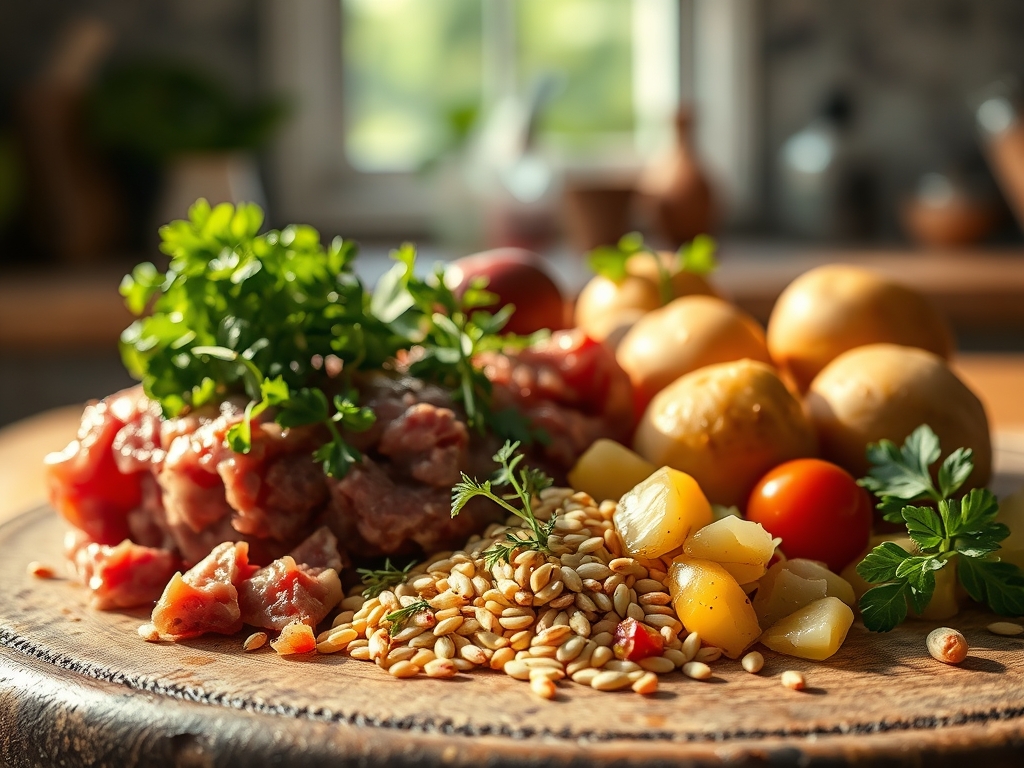
Before we ignite the burner, we must respect the mise en place. To achieve consistent results, use a digital scale to measure your beef. This ensures the fat to lean ratio remains balanced across all six variations. For the potatoes, I recommend Yukon Golds or Red Bliss. These varieties are waxy enough to hold their shape during a vigorous stir, yet they possess enough starch to create a creamy mouthfeel once the beef fat begins to render.
Your aromatics are the backbone of these easy ground beef recipes with potatoes. You will need yellow onions for their high sugar content, which aids in caramelization, and fresh garlic. Use a microplane to grate your garlic into a paste; this increases the surface area and allows the pungent oils to infuse the fat more efficiently. Do not forget the acid. A splash of apple cider vinegar or a squeeze of lemon juice at the end will brighten the heavy fats and elevate the entire dish.
Smart Substitutions:
If you are looking to lighten the caloric load, swap the beef for ground bison or lean turkey. Just keep in mind that leaner meats lack the tallow necessary to crisp the potatoes, so you may need to add an extra tablespoon of avocado oil. For a lower carb profile, half of the potato volume can be replaced with diced daikon radish or cauliflower florets. These vegetables mimic the texture of the potato while absorbing the savory juices of the meat.
The Clock: Timing Your Triumph
Efficiency in the kitchen is about the Chef's Flow. Total active prep time for these recipes averages fifteen minutes, with a total cook time of twenty five minutes. The secret is the parallel path. While your heavy bottomed skillet preheats, use a bench scraper to quickly move your chopped vegetables from the board to a staging bowl.
Start your potatoes first. They require more thermal energy to break down their cellular structure. By the time the potatoes are seventy percent cooked, the beef enters the pan. This timing ensures the beef does not overcook and become grainy while waiting for the starch to soften. If you are using a cast iron skillet, remember that it retains heat significantly longer than stainless steel. You may need to cut the heat two minutes early to account for carryover cooking.
The Masterclass:
1. The Sear and Render
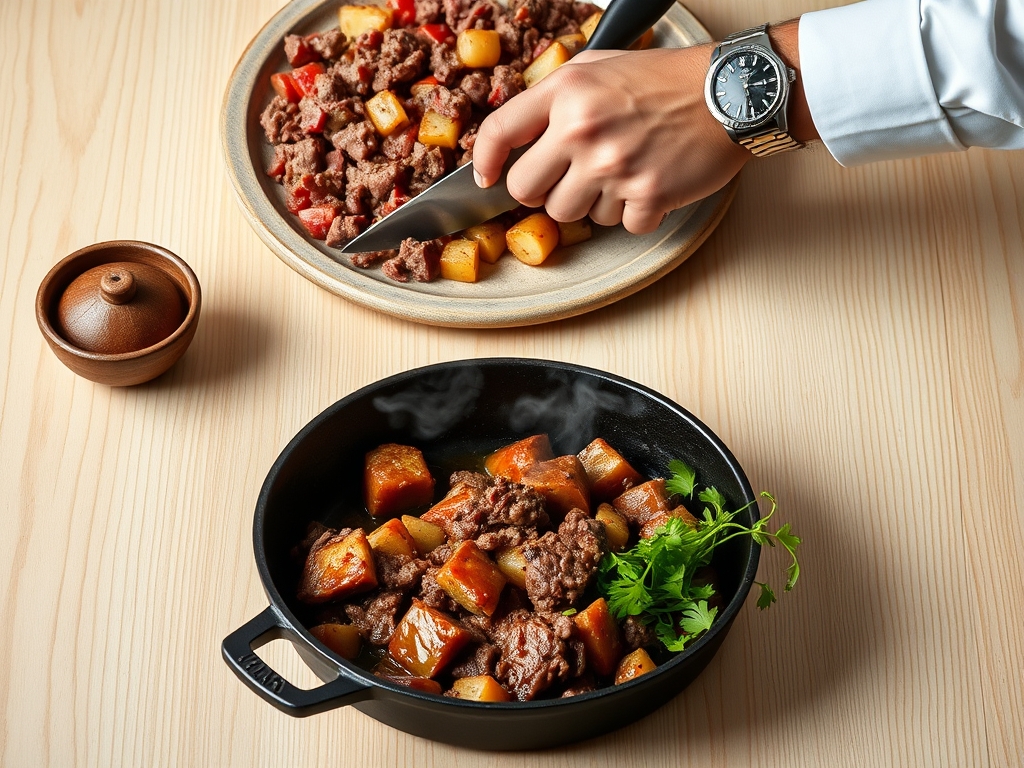
Begin by heating your skillet over medium high heat until a drop of water flicked onto the surface dances and evaporates instantly. Add your oil and then the cubed potatoes. Do not crowd the pan. Crowding leads to steaming rather than frying, resulting in a mushy texture.
Pro Tip: This stage relies on enzymatic browning. By allowing the potatoes to sit undisturbed for four minutes, you create a structural crust that prevents them from falling apart when you add the beef later.
2. The Protein Integration
Push the potatoes to the perimeter of the skillet and place the ground beef in the center. Use a stiff spatula to break the meat into small, uniform crumbles. This increases the surface area for browning.
Pro Tip: Watch for the Maillard reaction. This is the chemical reaction between amino acids and reducing sugars that gives browned food its distinctive flavor. Do not drain the fat immediately; let the beef simmer in its own juices to infuse the potatoes with savory depth.
3. The Aromatic Infusion
Once the beef is no longer pink, add your onions and garlic. Season generously with kosher salt and cracked black pepper. The salt will draw moisture out of the onions, helping to deglaze any brown bits (fond) stuck to the bottom of the pan.
Pro Tip: Adding salt at this specific stage uses osmosis to pull flavors into the center of the potato cubes rather than just coating the outside.
4. The Deglaze and Simmer
Add a quarter cup of beef stock or water to the skillet. Cover with a lid for three minutes. This creates a pressurized steam environment that finishes the interior of the potatoes while keeping the beef succulent.
Pro Tip: This step utilizes thermal carryover. The trapped steam ensures the center of each potato reaches 210 degrees Fahrenheit, which is the temperature where starch granules fully gelatinize.
5. The Final Crisp
Remove the lid and turn the heat back to high. Stir frequently until the liquid has evaporated and the fat begins to sizzle again. This "re-crisps" the exterior of the potatoes that may have softened during the steaming phase.
Pro Tip: This is the emulsification phase. The remaining starch in the pan combines with the rendered beef fat to create a thin, viscous sauce that clings to every morsel.
6. The Bright Finish
Turn off the heat and fold in your fresh herbs and acid. Whether it is chopped parsley, cilantro, or a dash of hot sauce, this final layer of flavor provides a necessary contrast to the rich, salty base.
Pro Tip: Adding fresh herbs after the heat is off prevents the volatile oils from evaporating, ensuring the aroma is at its peak when the dish hits the table.
The Deep Dive:
From a nutritional standpoint, these easy ground beef recipes with potatoes are a powerhouse. A standard serving provides approximately 35 grams of protein and a significant dose of potassium and Vitamin C from the potatoes. To make this keto friendly, replace the potatoes with turnips or radishes. For a vegan version, use a pea protein crumble and increase the fat with a high quality olive oil to mimic the mouthfeel of beef tallow.
The Fix-It: Common Pitfalls
- Soggy Potatoes: This usually happens if you wash the potatoes and do not dry them. Surface moisture creates steam. Always pat your cubes dry with a paper towel before they hit the oil.
- Burnt Garlic: If your garlic turns bitter, you added it too early. Always add garlic during the last few minutes of the beef browning process.
- Greasy Finish: If the dish feels too oily, you likely did not have enough starch to emulsify the fat. Toss in a teaspoon of flour or cornstarch during the final simmer to bind the oils.
Meal Prep Science:
To maintain "day-one" quality when reheating, avoid the microwave if possible. The microwave agitates water molecules, which can make the beef rubbery. Instead, reheat in a skillet over medium heat with a tablespoon of water. This creates a mini steam chamber that re-hydrates the starch without losing the crisp exterior.
The Wrap-Up:
Mastering easy ground beef recipes with potatoes is like unlocking a secret level of home cooking. It is reliable, incredibly versatile, and uses tools you already have in your cabinet. By understanding the science of the sear and the importance of the deglaze, you have transformed a simple skillet meal into a gourmet experience. Go ahead and experiment with different spice blends; the foundation you have built today is foolproof. Your kitchen is now a laboratory of flavor!
The Kitchen Table:
What are the best potatoes for skillet recipes?
Yukon Gold potatoes are the premier choice. They have a medium starch content that allows them to crisp beautifully on the outside while maintaining a creamy, buttery texture on the inside without falling apart during the stirring process.
How do I prevent the ground beef from getting tough?
Avoid overworking the meat in the pan. Break it into chunks and let it sear undisturbed to develop a crust. Adding a small amount of liquid and covering the pan briefly also keeps the protein fibers hydrated and tender.
Can I make this recipe in one pan?
Yes, that is the beauty of the skillet method. By utilizing different zones of the pan and specific timing, you can cook the starch, protein, and aromatics in a single vessel, which concentrates the flavors and minimizes cleanup.
How long does beef and potato hash last in the fridge?
When stored in an airtight container, these leftovers remain fresh for up to four days. For the best texture, reheat them in a skillet to maintain the crispiness of the potatoes rather than using a microwave.