
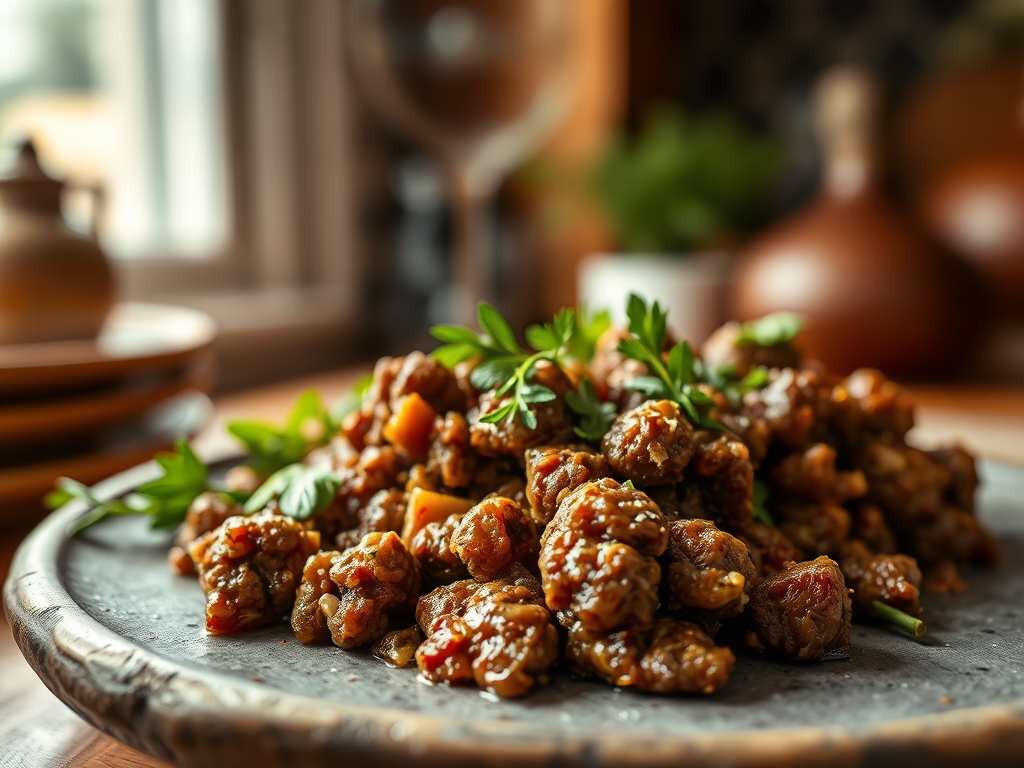
Close your eyes and listen for that distinct, rhythmic sizzle echoing against the ceramic walls of your oven. There is a specific magic that happens when high-quality protein meets controlled, dry heat; it is the cornerstone of the most comforting baked ground beef recipes in a modern cook's repertoire. We are moving far beyond the dry, crumbly meatloaf of the past. Instead, we are leaning into the chemistry of moisture retention and fat emulsification to create dishes that are velvet-soft on the tongue but structurally sound enough to hold their own against a piquant tomato reduction or a blanket of bubbling Gruyere. Whether you are craving a deconstructed shepherd's pie or a decadent baked ziti, the oven provides a three-dimensional heat source that stovetop searing simply cannot replicate. We are going to harness that thermal energy to transform humble ingredients into a weeknight masterpiece that feels like a five-star indulgence.
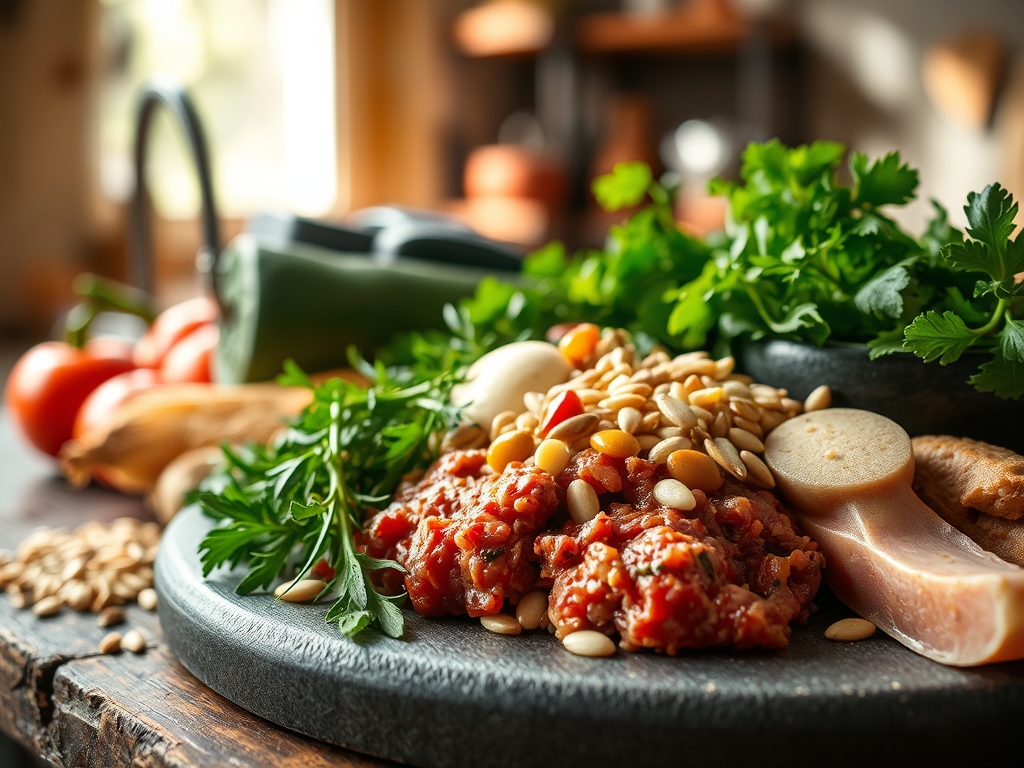
The Gathers:
To execute world-class baked ground beef recipes, your mise-en-place must be precise. Start with your protein: look for an 80/20 lean-to-fat ratio. This specific percentage ensures there is enough intramuscular fat to render during the bake, creating a self-basting environment that prevents the meat from becoming desiccated. You will need a heavy-bottomed skillet for the initial sear and a digital scale to ensure your aromatics are balanced.
Your vegetable base, or mirepoix, should be minced finely using a sharp chef's knife or a food processor to ensure the moisture evaporates at a uniform rate. Grab your microplane for fresh garlic and ginger; this tool creates a paste that integrates seamlessly into the meat fibers rather than leaving bitter, burnt chunks. For the liquids, keep a saucier nearby to warm your beef stock or heavy cream, preventing a thermal shock when they hit the hot pan.
Smart Substitutions:
If you are looking to lighten the profile without sacrificing the viscous mouthfeel, swap half the beef for finely chopped cremini mushrooms. Mushrooms contain high levels of guanylate, a compound that amplifies the savory umami notes of the beef. For a dairy-free binder, use a "flax egg" or soaked oats, which provide the necessary polysaccharides to keep your baked ground beef recipes from falling apart under the pressure of a serrated knife.
The Clock: Timing the Maillard Reaction
Efficiency in the kitchen is about "Chef's Flow," the art of overlapping tasks to minimize downtime. For most baked ground beef recipes, you are looking at a 15-minute active prep window followed by a 30 to 45-minute bake. While your oven preheats to a standard 375 degrees Fahrenheit, use that time to deglaze your aromatics and brown the meat.
The "Flow" dictates that you should never stand still. While the meat is in the oven, use your bench scraper to clear your workstation and prepare your garnishes. This ensures that the moment the timer dings, you are ready for the final assembly. Remember, the beef continues to cook once removed from the heat; this is known as thermal carryover. Factoring in a 10-minute rest period is non-negotiable for juice redistribution.
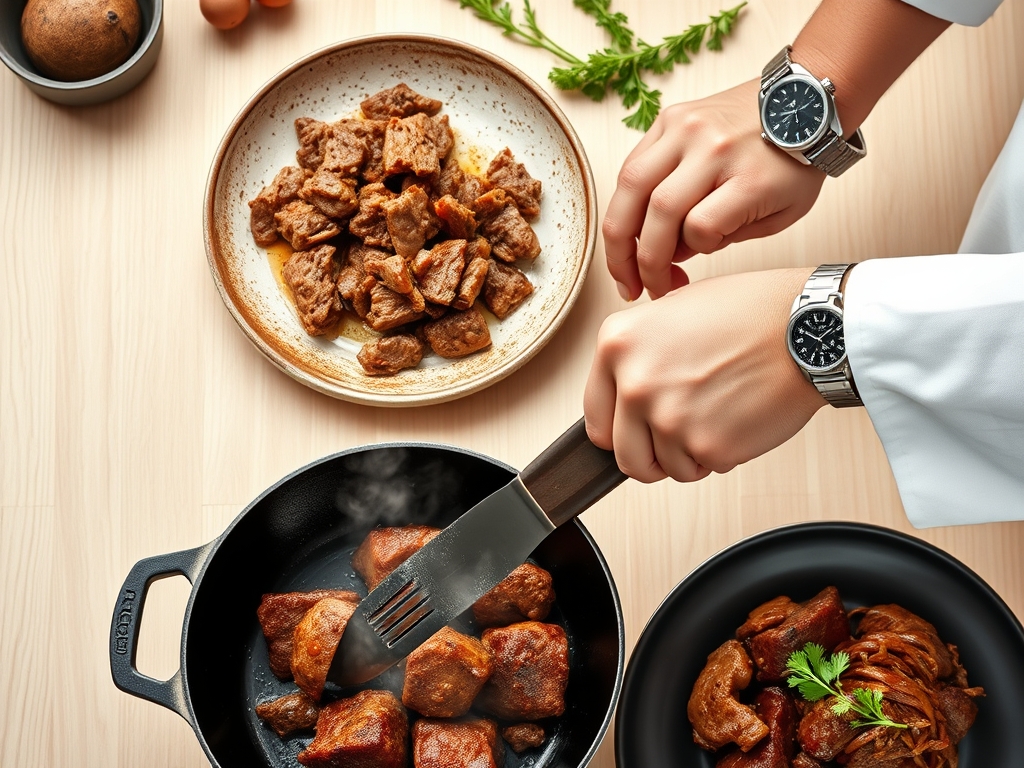
The Masterclass:
1. The Initial Sear and Render
Place your beef in a cold heavy-bottomed skillet and turn the heat to medium-high. Do not crowd the pan. As the temperature rises, the fat will begin to render, providing the medium for the Maillard reaction to occur. This chemical reaction between amino acids and reducing sugars creates the brown, savory crust that defines high-quality baked ground beef recipes.
Pro Tip: Avoid moving the meat for the first three minutes. Constant agitation prevents the surface temperature from reaching the 285 degree threshold required for enzymatic browning.
2. Deglazing for Depth
Once the meat is browned, remove it with tongs or a slotted spoon, leaving the liquid fat behind. Toss in your aromatics. Once they are translucent, pour in a splash of dry red wine or beef stock to deglaze the pan. Use a wooden spoon to scrape up the "fond," those caramelized bits stuck to the bottom.
Pro Tip: Fond is concentrated flavor. By dissolving these solids back into a liquid state, you create a complex, layered profile that permeates the entire dish during the bake.
3. Emulsifying the Binder
In a separate bowl, whisk together your binders; usually eggs, breadcrumbs, and a splash of whole milk. Fold this into your cooled meat mixture. The goal is to create a stable emulsion where the fat and water-based liquids are held in suspension by the proteins in the egg.
Pro Tip: Over-mixing at this stage will develop the collagen too much, resulting in a rubbery texture. Use a light hand to keep the final product airy and tender.
4. The Controlled Bake
Transfer your mixture to a ceramic baking dish. Ensure the thickness is uniform to prevent uneven heat distribution. If your recipe calls for a cheese topping, wait until the last 15 minutes of the bake to add it. This prevents the fats in the cheese from separating and becoming oily.
Pro Tip: Use a digital thermometer to pull the dish when the internal temperature hits 160 degrees. This accounts for the 5-degree rise during the rest phase, ensuring peak succulence.
The Deep Dive:
Macro Nutrition and Dietary Swaps
Standard baked ground beef recipes provide roughly 25g of protein per serving. To make this Keto-friendly, replace breadcrumbs with crushed pork rinds or almond flour to maintain the structural integrity without the glycemic spike. For a Vegan twist, use a pea-protein crumble and "beef up" the texture with walnuts and liquid aminos to mimic the iron-rich profile of bovine protein.
The Fix-It: Technical Troubleshooting
- The Greasy Bake: If your dish is swimming in oil, you likely used meat with too high a fat content without a porous binder. Fix it by tilting the pan and using a turkey baster to remove excess lipids, then top with extra breadcrumbs to absorb the remainder.
- The Crumbly Mess: This happens when there is not enough moisture or binder. Next time, increase your liquid-to-dry ratio or add a tablespoon of tomato paste to act as a "glue."
- The Gray Meat: This is caused by steaming rather than searing. Ensure your pan is screaming hot before adding the beef, and work in batches to maintain the temperature.
Meal Prep: The Science of Reheating
To maintain "day-one" quality, reheat your portions in a 300-degree oven covered with foil. Adding a tablespoon of water or stock to the dish creates a localized steam environment, rehydrating the protein fibers that tightened up in the fridge. Avoid the microwave, which vibrates water molecules so violently they escape as steam, leaving your beef tough and parched.
The Wrap-Up:
Mastering baked ground beef recipes is about more than just following a list of ingredients; it is about understanding how heat interacts with protein to create something truly soul-warming. By focusing on the Maillard reaction, proper emulsification, and the patience of a good rest period, you are elevating a pantry staple into a culinary event. Now, grab your favorite apron, preheat that oven, and let the science of deliciousness take over your kitchen. You have the tools, the knowledge, and the appetite; it is time to bake something legendary!
The Kitchen Table:
How do I keep baked ground beef from getting dry?
Use an 80/20 fat ratio and incorporate a "panade," a mixture of bread and milk. This creates a gel-like structure that traps moisture within the meat fibers during the high-heat baking process, ensuring a juicy result every time.
Can I bake ground beef from frozen?
It is not recommended. Baking from frozen leads to uneven cooking; the exterior overcooks and becomes tough before the interior reaches a safe temperature. Always thaw beef in the refrigerator overnight to maintain the integrity of the protein cell walls.
What is the best pan for baking ground beef?
A ceramic or cast-iron baking dish is ideal. These materials offer high thermal mass, meaning they hold and distribute heat evenly. This prevents "hot spots" that can cause your baked ground beef recipes to burn on the edges.
How long does baked ground beef last in the fridge?
When stored in an airtight container, it remains peak-quality for three to four days. For longer storage, freeze portions individually. The high fat content helps protect the meat from freezer burn, maintaining flavor for up to three months.