
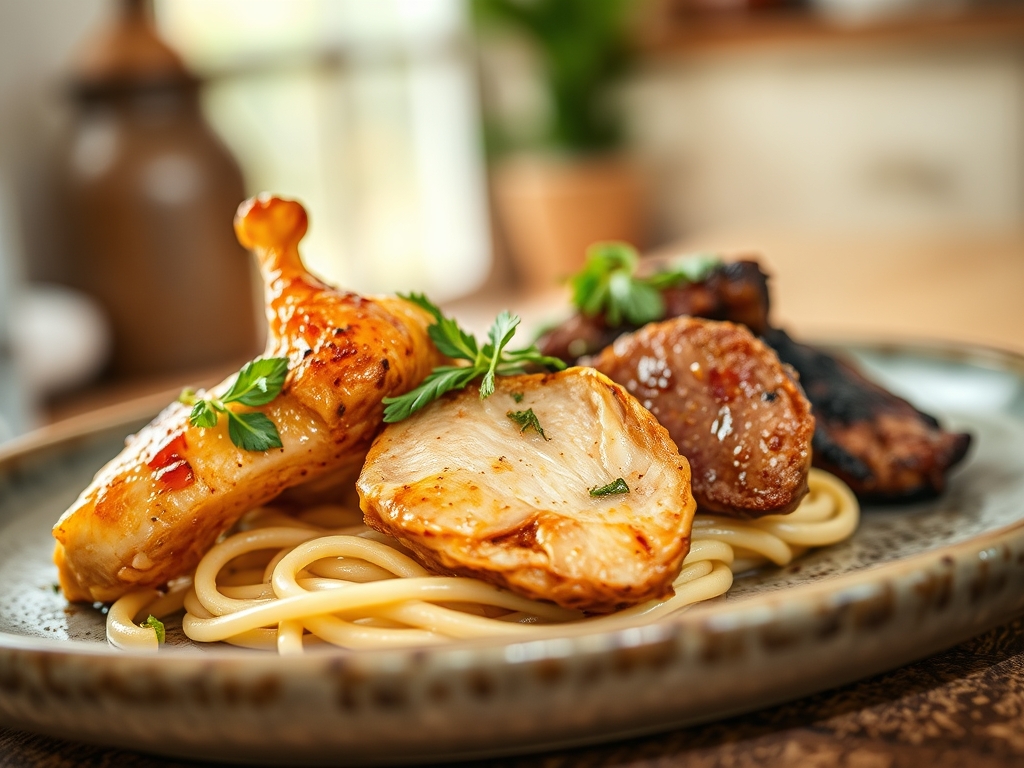
Imagine the sizzle of a heavy-bottomed skillet meeting cold fat; it is the sound of a kitchen coming alive. We are often told to choose a side in the great protein debate, but why limit your palate when chicken and beef recipes offer a masterclass in textural contrast? By pairing the lean, clean profile of poultry with the iron-rich depth of beef, you create a flavor profile that is both complex and deeply satisfying. This is not just cooking; it is edible architecture.
The secret to a successful dual-protein dish lies in the chemistry of the sear. We are looking for that perfect Maillard reaction, where amino acids and reducing sugars transform into a golden-brown crust of pure umami. Whether you are tossing a surf-and-turf inspired stir-fry or layering a rustic terrine, the interplay between these two meats provides a savory foundation that singular proteins simply cannot match. Grab your apron; we are about to elevate your dinner game with scientific precision and a bit of culinary wit.
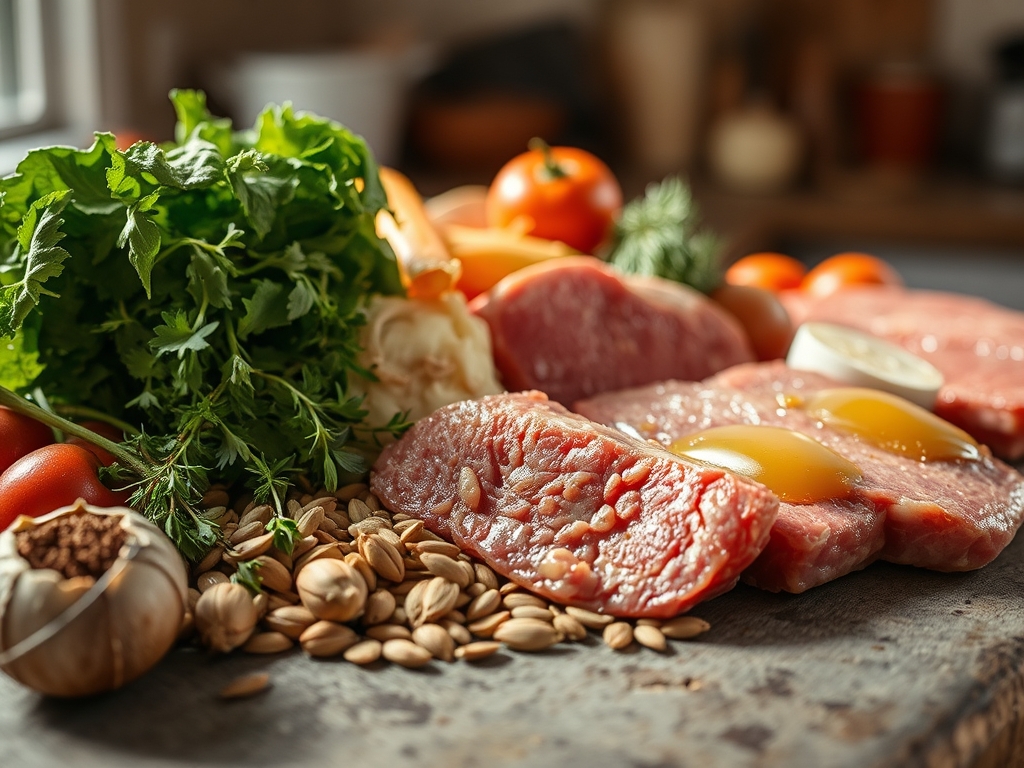
The Gathers:
To execute these chicken and beef recipes with finesse, your mise-en-place must be impeccable. Start with your proteins: look for organic chicken breast for a clean snap and well-marbled ribeye or flank steak for a viscous, melt-in-your-mouth fat content. You will need a high-smoke-point oil, such as avocado or grapeseed oil, to ensure you can reach the high temperatures required for browning without scorching the delicate fats.
Your aromatic base should include fresh garlic, ginger, and shallots. Use a microplane to zest citrus and grate aromatics into a fine paste; this increases the surface area for maximum flavor extraction. For the liquid components, keep a high-quality bone broth and a dry white wine on hand to deglaze the pan. A digital scale is your best friend here; measuring ingredients by weight ensures consistency that volume measurements simply cannot provide.
Smart Substitutions: If you are avoiding red meat but want that beefy depth, try using portobello mushrooms sautéed with a splash of Worcestershire sauce. For a poultry swap, turkey thighs offer a similar lean profile but with a slightly more robust, gamey finish. If you need a sodium-conscious alternative to soy sauce, liquid aminos provide that essential savory hit without the salt spike.
The Clock
Efficiency in the kitchen is about mastering the "Chef's Flow." For these chicken and beef recipes, expect a prep time of approximately 25 minutes. This includes the precision knife work required to ensure all meat strips are uniform in size, which guarantees they cook at the same rate. Total cook time averages 15 to 20 minutes, depending on the thickness of your cuts.
The "Chef's Flow" dictates that you prepare your cold ingredients first, then move to your proteins. Always allow your meat to sit at room temperature for at least 15 minutes before it hits the heat. This prevents the muscle fibers from seizing up, resulting in a more tender bite. While the meat rests after cooking, use that five-minute window to whisk your pan sauce in a saucier, utilizing the residual heat to emulsify your fats into a glossy, piquant finish.
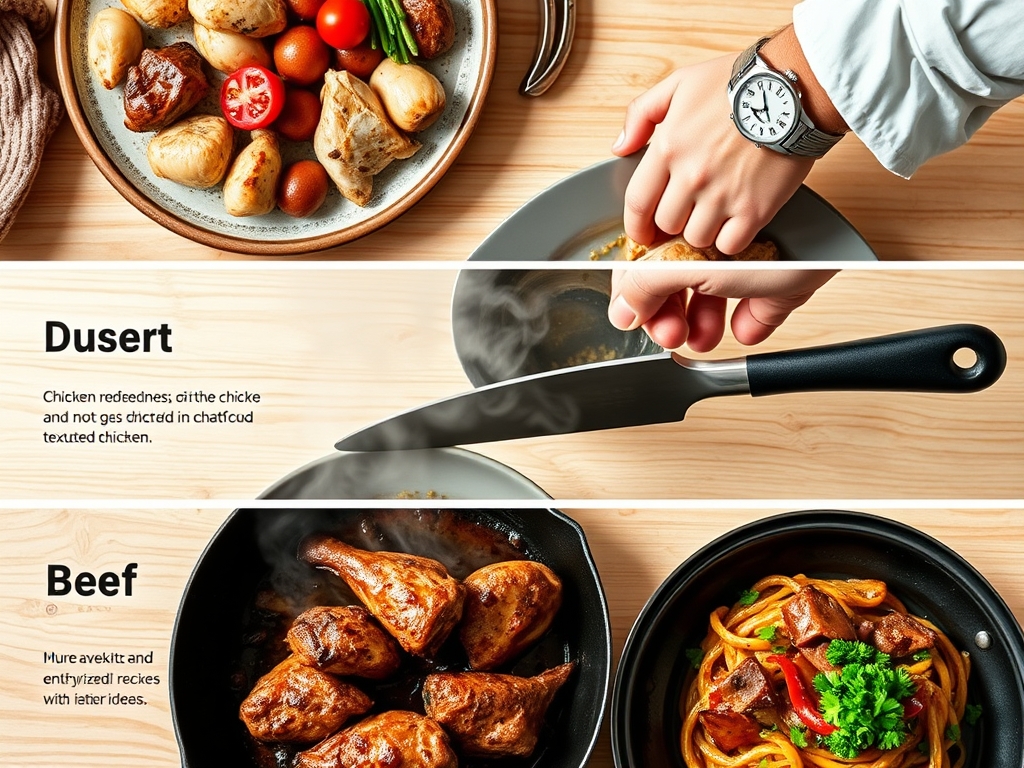
The Masterclass
1. Temper and Prep the Proteins
Use a sharp chef's knife or a bench scraper to organize your workstation. Slice the chicken and beef against the grain into uniform strips. This technique shortens the muscle fibers, making the meat significantly easier to chew.
Pro Tip: This is known as mechanical tenderization. By breaking the long fibers before cooking, you ensure that the heat doesn't cause the meat to become tough and stringy.
2. The High-Heat Sear
Heat your heavy-bottomed skillet until a drop of water dances and evaporates instantly. Add your oil, then the beef. Do not crowd the pan; work in batches if necessary. Once the beef is browned, remove it and repeat with the chicken.
Pro Tip: Crowding the pan causes the temperature to drop, leading to steaming instead of searing. Maintaining high heat is essential for enzymatic browning, which creates hundreds of new flavor compounds.
3. Sauté the Aromatics
Lower the heat slightly and add your shallots and garlic. Use tongs to move them constantly so they soften without burning. The goal is to infuse the oil with their volatile compounds.
Pro Tip: Garlic contains allicin, which is released when the cells are ruptured. Cooking it briefly in fat helps distribute this flavor evenly throughout the entire dish.
4. Deglaze and Emulsify
Pour your wine or broth into the hot pan. Use a wooden spoon to scrape up the "fond," those delicious brown bits stuck to the bottom. This is where the concentrated flavor lives.
Pro Tip: This process uses a solvent (liquid) to lift charred proteins. As the liquid reduces, the sugars concentrate, creating a viscous sauce that coats the back of a spoon.
5. The Final Integration
Return the chicken and beef to the pan. Toss them in the sauce just long enough to reach the desired internal temperature. Finish with a knob of cold butter or a squeeze of lime to aerate the sauce and add brightness.
Pro Tip: This stage relies on thermal carryover. The meat will continue to cook for a few minutes after being removed from the heat, so pull it just before it reaches "done" to avoid overcooking.
The Deep Dive
Macro Nutrition: These chicken and beef recipes are protein powerhouses. A standard serving provides roughly 35-40g of protein, 12g of healthy fats, and minimal carbohydrates. This makes it an ideal choice for muscle recovery and sustained satiety.
Dietary Swaps: For a Keto-friendly version, serve over riced cauliflower instead of grains. To make it Gluten-Free, ensure your thickeners are arrowroot powder or cornstarch rather than wheat flour. For a vegan twist, use seitan and extra-firm tofu to mimic the varied textures of the original meats.
The Fix-It:
- Tough Meat: If your beef is chewy, you likely cut with the grain. Next time, look for the lines in the meat and cut perpendicular to them.
- Bland Sauce: This usually means a lack of acidity. Add a teaspoon of rice vinegar or lemon juice to "wake up" the flavors.
- Soggy Texture: This happens if the pan wasn't hot enough. Ensure the oil is shimmering before adding your protein.
Meal Prep: To maintain "day-one" quality, store the meat and sauce separately from your grains. When reheating, use a damp paper towel over the container in the microwave to create steam, which prevents the chicken from drying out.
The Wrap-Up
Mastering chicken and beef recipes is about more than just following a list of steps; it is about understanding the physics of the kitchen. When you respect the sear and honor the rest period, you transform basic ingredients into a restaurant-quality experience. This duo of proteins offers a playground for the senses, blending the light and the dark into a singular, savory harmony. Now, go forth and conquer that skillet!
The Kitchen Table
Can I cook chicken and beef in the same pan?
Yes, but they have different cook times. Sear the beef first to develop a deep crust, remove it, then cook the chicken. Combine them at the very end to ensure both proteins reach their safe internal temperatures without overcooking.
What is the best cut of beef for stir-fry?
Flank steak or sirloin tip are ideal. They are lean enough to cook quickly at high heat but have enough flavor to stand up to the chicken. Always slice them thinly against the grain for maximum tenderness in every bite.
How do I prevent the chicken from drying out?
The key is thermal carryover. Remove the chicken from the heat when it reaches 160°F; the residual heat will bring it to the food-safe 165°F while it rests. This preserves the moisture and keeps the texture succulent.
Why does my sauce look thin and watery?
You likely didn't reduce the deglazing liquid enough. Simmer the sauce on medium-high until it reduces by half. For a glossier finish, whisk in a small "slurry" of cornstarch and water or a pat of cold, unsalted butter.