
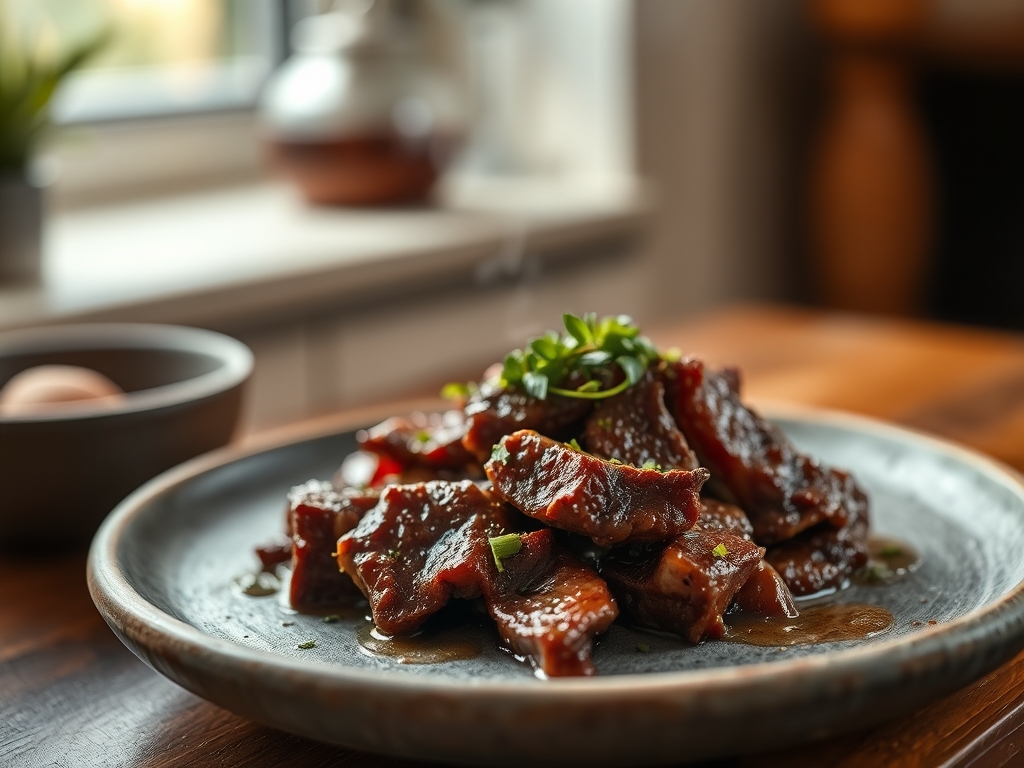
Picture the scent of cumin hitting a hot, heavy-bottomed skillet; it is an earthy, almost intoxicating aroma that signals the start of something legendary. When you dive into the world of cuban beef recipes, you are not just cooking dinner. You are engaging in a centuries-old ritual of slow-braising and aggressive seasoning. The magic lies in the contrast between the sharp acidity of citrus and the deep, savory richness of rendered beef fat. Whether it is the shredded lace of Ropa Vieja or the hearty, olive-studded comfort of Picadillo, these dishes rely on the chemistry of the "sofrito" to build layers of flavor that feel like a warm hug from a Havana kitchen.
Cuban cuisine is a masterclass in patience and precision. We are talking about beef that has been simmered until the connective tissues—specifically the collagen—transform into silky gelatin. This process creates a viscous sauce that coats every grain of fluffy white rice. To get this right, you need to understand how heat interacts with fiber. You cannot rush a masterpiece, but you can certainly optimize it with the right tools and a bit of scientific swagger. Grab your favorite apron and let us get into the grit of these seven iconic beef classics.
The Gathers:
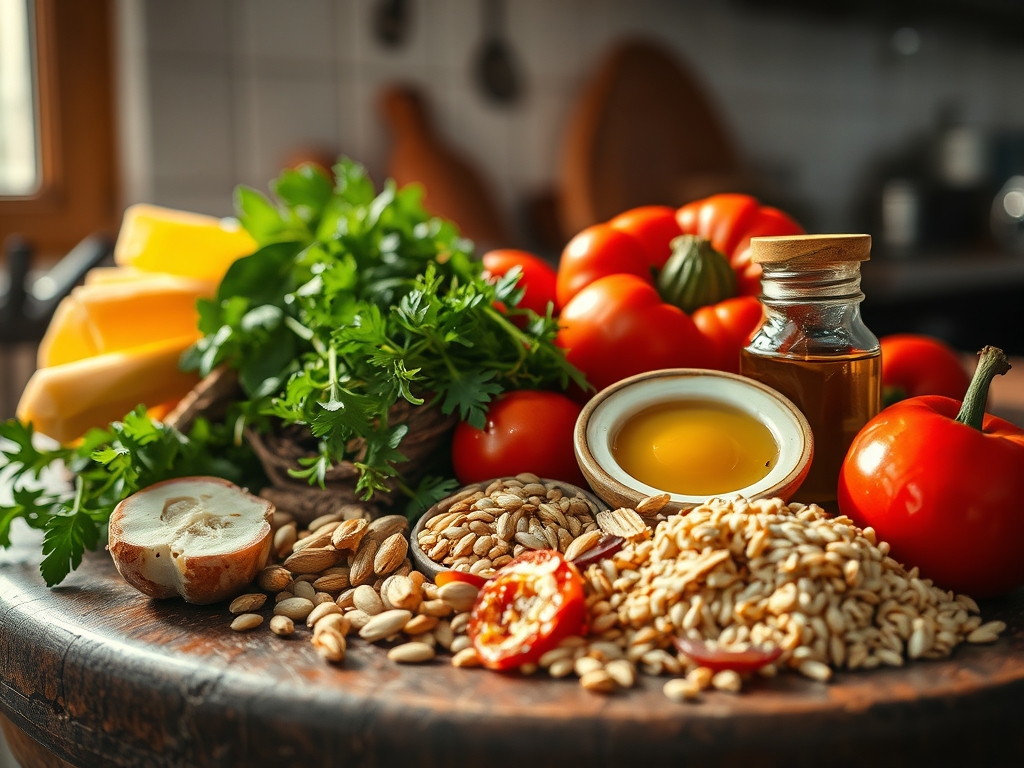
Setting up your station, or mise-en-place, is the difference between a frantic kitchen and a fluid one. For these cuban beef recipes, your ingredient list is a balance of aromatics and acids. You will need high-quality flank or chuck roast, which provides the necessary intramuscular fat for flavor. Your aromatics—bell peppers, onions, and garlic—should be diced with geometric precision using a sharp chef's knife to ensure even caramelization.
The "Holy Trinity" of Cuban spices includes ground cumin, dried oregano, and bay leaves. Cumin contains an organic compound called cuminaldehyde, which provides that signature nutty scent. You will also need a bottle of dry white wine or a splash of sherry to deglaze your pan; this lifts the "fond" (those browned bits of protein) off the bottom of your heavy-bottomed skillet. For the finish, keep piquant manzanilla olives and capers nearby to provide a salty, briny counterpoint to the rich meat.
Smart Substitutions:
If you cannot find sour oranges for your marinade, do not panic. You can mimic the pH level and flavor profile by mixing two parts orange juice with one part lime juice and one part lemon juice. If you are watching your sodium, swap traditional canned tomato sauce for a high-quality tomato paste diluted with unsalted beef bone broth. This increases the umami concentration without the salt spike. For those avoiding nightshades, try using a touch of tamarind paste to replicate the tang usually provided by tomatoes.
The Clock
Efficiency in the kitchen is all about "Chef's Flow." For most cuban beef recipes, you are looking at a 30-minute prep window and a 2-to-4-hour cook time, depending on the cut of meat. The goal is to overlap tasks. While your beef is searing to achieve the Maillard reaction, you should be using your microplane to zest citrus or your bench scraper to clear your dicing station.
Active time is relatively low, roughly 45 minutes. The passive time is where the magic happens; this is when the heat breaks down the tough muscle fibers. If you are using a pressure cooker, you can slash the braising time by 70 percent, but you lose some of the depth that comes from slow evaporation. Plan to cook these dishes a day in advance if possible. Like a fine wine, Cuban beef stews develop more complex flavor profiles after 24 hours in the refrigerator as the spices continue to infuse the fats.
The Masterclass
1. The Sear and the Science of Browning
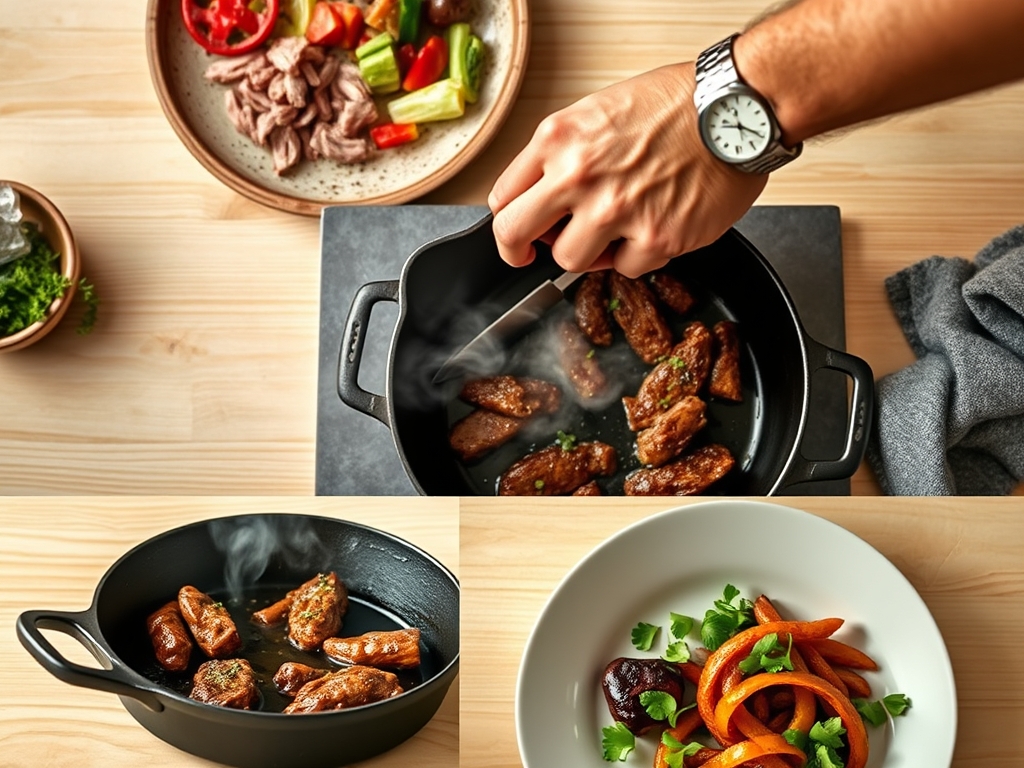
Start by patting your beef bone-dry with paper towels. Moisture is the enemy of the Maillard reaction; if the surface is wet, the meat will steam rather than sear. Heat your heavy-bottomed skillet until the oil shimmers. Use tongs to place the meat in the pan, ensuring you do not overcrowd it.
Pro Tip: This stage is all about enzymatic browning. By searing at high heat, you create hundreds of different flavor compounds. Do not move the meat too early; wait for it to naturally release from the pan surface once a crust has formed.
2. Crafting the Sofrito Base
Remove the meat and lower the heat. Add your diced peppers and onions to the residual beef fat. This is where you render the remaining fat and soften the aromatics. Use a wooden spoon to scrape up the fond. Add your garlic last to prevent it from burning, which would introduce a bitter flavor profile.
Pro Tip: Use a pinch of baking soda on your onions to speed up the breakdown of pectin. This causes the onions to soften and brown faster, creating a more viscous base for your sauce.
3. The Deglaze and Liquid Integration
Pour in your wine or citrus juice. The liquid will bubble violently; use this energy to clean the bottom of the pan. This process incorporates all the concentrated protein bits back into the liquid. Add your tomato base and spices now, allowing them to bloom in the heat.
Pro Tip: Deglazing is not just for cleaning; it is a chemical extraction. The alcohol in the wine acts as a solvent, pulling out flavor compounds that are not water-soluble, leading to a more complex sauce.
4. The Low and Slow Braise
Return the beef to the pot and add enough stock to submerge it halfway. Cover with a tight-fitting lid. This creates a closed system where steam helps break down the tough collagen into gelatin. Keep the temperature at a gentle simmer rather than a rolling boil to prevent the muscle fibers from tightening and becoming "rubbery."
Pro Tip: This is the hydrolysis phase. Collagen begins to melt at around 160 degrees Fahrenheit. Maintaining a steady, low temperature ensures the meat becomes tender while retaining its internal moisture.
5. The Shred and Reduce
Once the meat is fork-tender, remove it to a cutting board. Use two forks to shred it along the grain. While the meat rests, turn up the heat on the remaining liquid to reduce it. You want the sauce to thicken until it can coat the back of a spoon.
Pro Tip: Reducing the sauce concentrates the solutes. As water evaporates, the sugars and proteins become more concentrated, resulting in a piquant and intense flavor profile that perfectly coats the shredded beef.
6. The Final Emulsification
Fold the shredded beef back into the reduced sauce. Add your "bright" ingredients now: olives, capers, and fresh cilantro. This final simmer allows the meat to reabsorb the concentrated juices, ensuring every bite is succulent.
Pro Tip: Adding a small pat of cold butter or a tablespoon of olive oil at the very end and stirring vigorously creates a minor emulsification. This gives the sauce a glossy, professional finish and a velvety mouthfeel.
7. The Rest and Carryover
Turn off the heat and let the dish sit for ten minutes before serving. This allows the internal temperature to stabilize and the fibers to relax further.
Pro Tip: Thermal carryover means the dish continues to cook slightly even after it is off the flame. Resting prevents the juices from running out of the meat, keeping your cuban beef recipes moist and flavorful.
The Deep Dive
From a nutritional standpoint, cuban beef recipes are powerhouse meals. A standard serving of Ropa Vieja provides roughly 35 grams of protein and is rich in iron and Vitamin B12. To make these dishes Keto-friendly, simply serve the beef over cauliflower rice or sautéed cabbage instead of traditional white rice. For a Vegan twist, many chefs use shredded king oyster mushrooms or jackfruit; both mimic the fibrous texture of beef and absorb the sofrito flavors beautifully. If you are Gluten-Free, ensure your beef bouillon and spices are certified, as some anti-caking agents contain wheat derivatives.
The Fix-It: Common Pitfalls
- Tough Meat: If the beef is still chewy, you simply haven't cooked it long enough. Put the lid back on and give it another 30 minutes. Science dictates that collagen breakdown is a function of time and temperature.
- Greasy Sauce: If too much fat has rendered out, use a wide spoon to skim the surface. Alternatively, toss in a chilled piece of bread to soak up the excess oil, then discard it.
- Bland Flavor: This usually means you lack acidity. Add a squeeze of fresh lime or a teaspoon of apple cider vinegar right before serving to "wake up" the savory notes.
Meal Prep and Reheating:
Beef stews are the kings of meal prep. When reheating, avoid the microwave if possible, as it can cause the proteins to toughen. Instead, use a saucier on the stovetop over medium-low heat. Add a splash of water or beef broth to re-hydrate the gelatinous sauce. This restores the "day-one" silky texture by re-emulsifying the fats and liquids.
The Wrap-Up
Mastering cuban beef recipes is like learning a new language; once you understand the grammar of the sofrito and the syntax of the slow braise, you can communicate pure comfort on a plate. These dishes are soulful, vibrant, and technically rewarding. They remind us that the best things in life—and in the kitchen—require a little bit of patience and a lot of heart. So, fire up that stove, trust the chemistry, and get ready to serve a meal that your friends will be talking about for weeks.
The Kitchen Table
Which cut of beef is best for Ropa Vieja?
Flank steak is traditional because its long muscle fibers shred into beautiful, rope-like strands. However, chuck roast is a fantastic budget-friendly alternative that offers more intramuscular fat, resulting in a richer, more tender mouthfeel after a long braise.
Can I make Cuban beef in a slow cooker?
Yes. To maintain flavor depth, sear the meat and sauté your sofrito in a skillet first. Transfer everything to the slow cooker and cook on low for 8 hours. This ensures you get the Maillard complexity with "set-it-and-forget-it" convenience.
How do I keep my Picadillo from being too watery?
The secret is the reduction phase. After adding your liquids, simmer the skillet uncovered. This allows steam to escape, thickening the tomato base until it tightly clings to the ground beef. The final texture should be moist but not soupy.
Why is my Cuban beef sometimes bitter?
Bitterness usually stems from burnt garlic or over-toasted spices. Always add garlic during the last 60 seconds of sautéing your vegetables. Also, ensure you deglaze the pan thoroughly to incorporate the browned bits before they turn black and acrid.
What is the best way to store leftovers?
Store beef in an airtight glass container for up to four days. The glass prevents flavor transfer. For longer storage, these dishes freeze beautifully for three months. Thaw in the refrigerator overnight before gently reheating on the stovetop.