
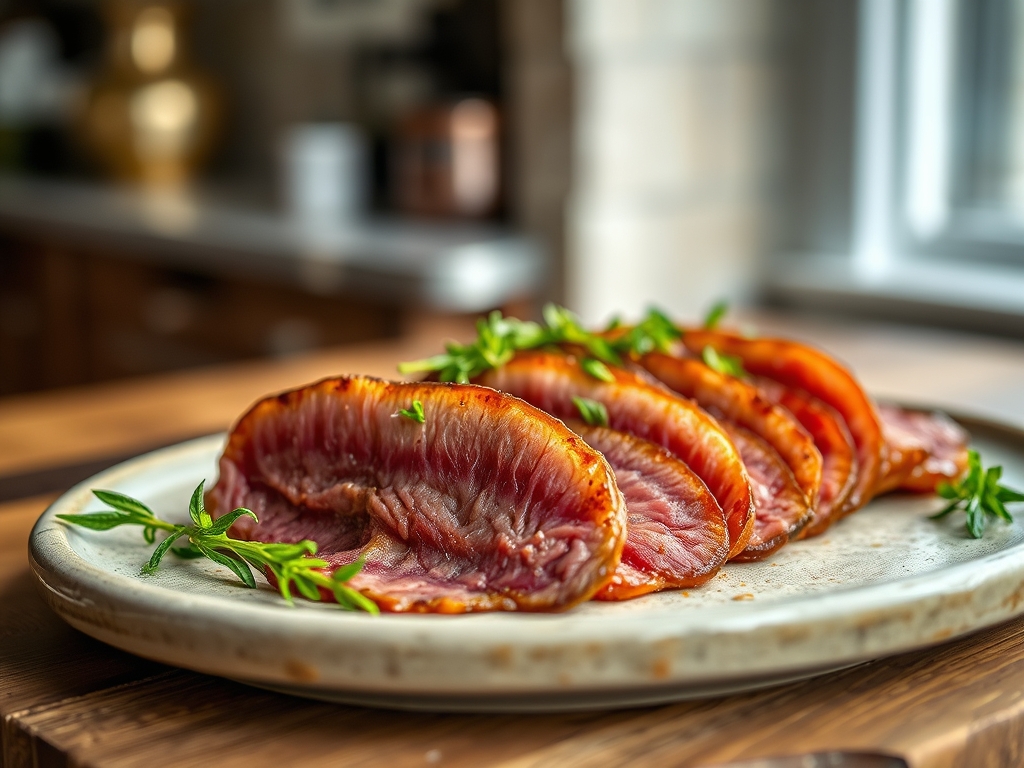
The scent of sizzling fat hitting a white-hot cast iron skillet is the universal signal that dinner is exactly four minutes away. When you are staring at a pack of paper-thin ribeye or sirloin, you are holding the ultimate weeknight cheat code. These thin sliced beef recipes easy enough for a Tuesday will transform your kitchen into a high-end bistro without the grueling prep work. We are talking about meat so delicate it cooks in the time it takes to pour a glass of wine; it is the perfect marriage of efficiency and luxury.
The magic of thin sliced beef lies in its massive surface-area-to-volume ratio. This allows for nearly instantaneous heat transfer, ensuring every millimeter of the protein undergoes the Maillard reaction simultaneously. Instead of waiting forty minutes for a roast to reach its target internal temperature, we are utilizing high-velocity cooking to achieve a perfect sear while maintaining a tender, buttery interior. It is fast, it is smart, and it is about to become your favorite culinary obsession.
The Gathers:
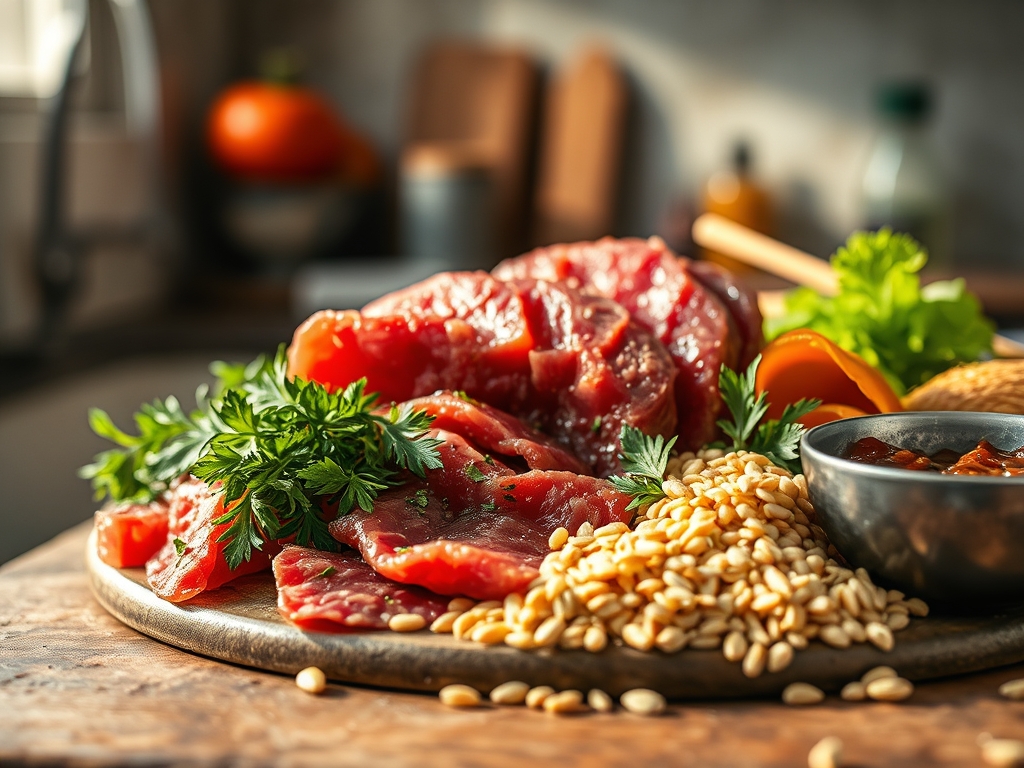
Before we ignite the burners, we must curate our mise-en-place with precision. Your primary protein should be shaved steak, carpaccio-style ribeye, or flank beef sliced against the grain. Look for meat with visible intramuscular fat; this marbling provides the lipids necessary to emulsify your sauces into a glossy, restaurant-quality finish.
For the aromatics, gather fresh ginger, garlic cloves, and scallions. We will use a microplane to grate the ginger into a fine paste, ensuring the fibrous gingerol compounds disperse evenly throughout the dish. You will also need a high-smoke-point oil, such as avocado or grapeseed oil, to prevent acrid flavors during high-heat searing.
Smart Substitutions: If you cannot find pre-shaved beef, place a standard steak in the freezer for twenty minutes. This firms the muscle fibers, allowing you to use a sharp chef knife to achieve translucent, uniform slices. For a piquant kick, swap soy sauce for liquid aminos or tamari to keep the dish gluten-free without sacrificing the essential umami profile.
The Clock
The "Chef's Flow" for these meals is a study in temporal management. You will spend approximately ten minutes on prep and exactly five to seven minutes at the stove. Because thin beef cooks so rapidly, you must have your saucier and serving bowls ready before the meat touches the pan.
The sequence is vital: start your grains or noodles first, as they require the longest lead time. While the starch boils, perform your knife work. The beef should be the very last element to enter the heat. This prevents the meat from sitting in its own juices and becoming tough while you scramble to find a clean fork. We are aiming for a total "counter-to-table" time of fifteen minutes flat.
The Masterclass
1. The High-Heat Sear
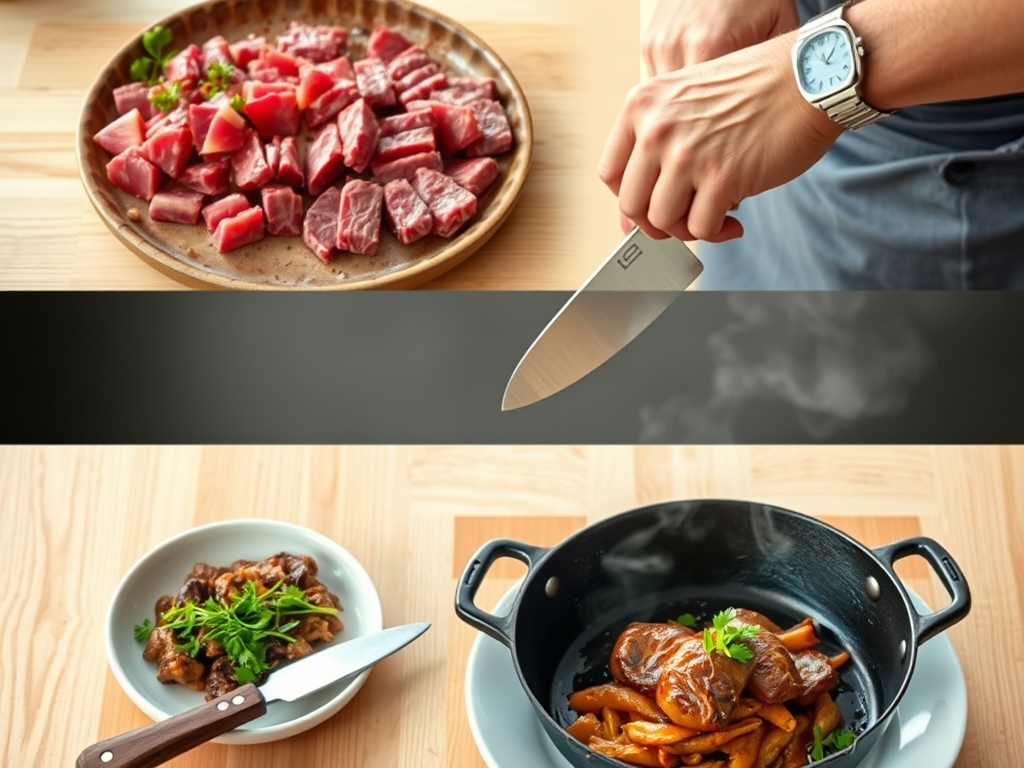
Pat the beef dry with paper towels to remove surface moisture. Use tongs to lay the strips in a single layer in a heavy-bottomed skillet that has reached the shimmering point of your oil. Do not crowd the pan; if the temperature drops too low, the meat will steam rather than sear.
Pro Tip: This step relies on enzymatic browning. By removing surface water, you allow the temperature to rise above 285 degrees Fahrenheit almost instantly, triggering the chemical reaction between amino acids and reducing sugars that creates savory depth.
2. The Deglaze and Emulsify
Once the beef is browned, remove it immediately. Pour a liquid base; such as beef stock, mirin, or dry sherry; into the hot pan. Use a bench scraper or wooden spoon to lift the browned bits, or fond, from the bottom.
Pro Tip: This is the process of deglazing. The fond contains concentrated flavor compounds that, when agitated with a liquid and a fat source like cold butter, create a stable emulsion that coats the beef with a professional, viscous sheen.
3. The Aromatic Infusion
Lower the heat and add your microplaned aromatics. Sauté for only thirty seconds until fragrant. If you cook garlic too long at high heat, the sulfur compounds turn bitter.
Pro Tip: This is a fat-soluble infusion. Many of the flavor molecules in garlic and ginger are hydrophobic, meaning they release their most potent aromas when suspended in oil rather than water.
4. The Flash Finish
Return the beef to the pan along with any accumulated juices. Toss rapidly to coat every strip in the thickened sauce. The goal is to glaze, not to continue cooking the protein.
Pro Tip: Watch for thermal carryover. Even after you turn off the burner, the internal energy of the meat will continue to cook the fibers. Pulling the pan off the heat thirty seconds "early" ensures the beef remains supple.
The Deep Dive
Macro Nutrition: These meals are a powerhouse of bioavailable iron, B12, and zinc. A standard four-ounce serving of lean thin-sliced beef provides roughly 25 grams of protein for under 200 calories, making it an elite choice for muscle recovery and metabolic health.
Dietary Swaps:
- Keto: Replace sugar in marinades with monk fruit sweetener and serve over cauliflower rice.
- Vegan: Substitute the beef with shaved king oyster mushrooms, which mimic the fibrous texture of steak.
- GF: Always use tamari or coconut aminos in place of traditional soy sauce.
The Fix-It:
- Tough Meat: You likely crowded the pan. Next time, sear in smaller batches to maintain high heat.
- Salty Sauce: Balance the sodium with an acid, like a squeeze of lime or a splash of rice vinegar.
- Grey Beef: The pan wasn't hot enough. Wait for the oil to "ripple" before adding the protein.
Meal Prep: To reheat without turning your beef into rubber, avoid the microwave. Instead, use a heavy-bottomed skillet over medium heat with a tablespoon of water. Cover with a lid for sixty seconds; the steam will gently rehydrate the protein fibers without overcooking the core.
The Wrap-Up
Mastering thin sliced beef recipes easy enough for your busiest nights is a total game changer for your culinary repertoire. It proves that you do not need hours of labor to produce a meal that feels intentional, sophisticated, and deeply nourishing. By understanding the science of the sear and the power of a quick emulsion, you have graduated from a home cook to a kitchen scientist. Now, grab those tongs and let the sizzle begin!
The Kitchen Table
How do I keep thin beef from getting chewy?
Always slice against the grain to shorten the muscle fibers. Additionally, use a high-heat sear for less than two minutes. Overcooking causes the proteins to tighten and expel moisture, resulting in a leathery texture.
What is the best cut for thin sliced beef?
Ribeye is the gold standard for flavor due to its fat content. However, flank steak or top sirloin are excellent lean alternatives. For the best results, ensure the meat is sliced to a uniform thickness of 1/8 inch.
Can I cook thin beef from frozen?
It is not recommended. Frozen meat releases excess moisture as it thaws in the pan, which drops the temperature and prevents the Maillard reaction. Always thaw completely and pat dry with a paper towel before searing for maximum flavor.
Do I need a special pan for these recipes?
A cast iron skillet or a stainless steel tri-ply pan is ideal. These materials retain heat exceptionally well, which is crucial for the rapid searing required to brown the meat without overcooking the delicate interior of the thin slices.