
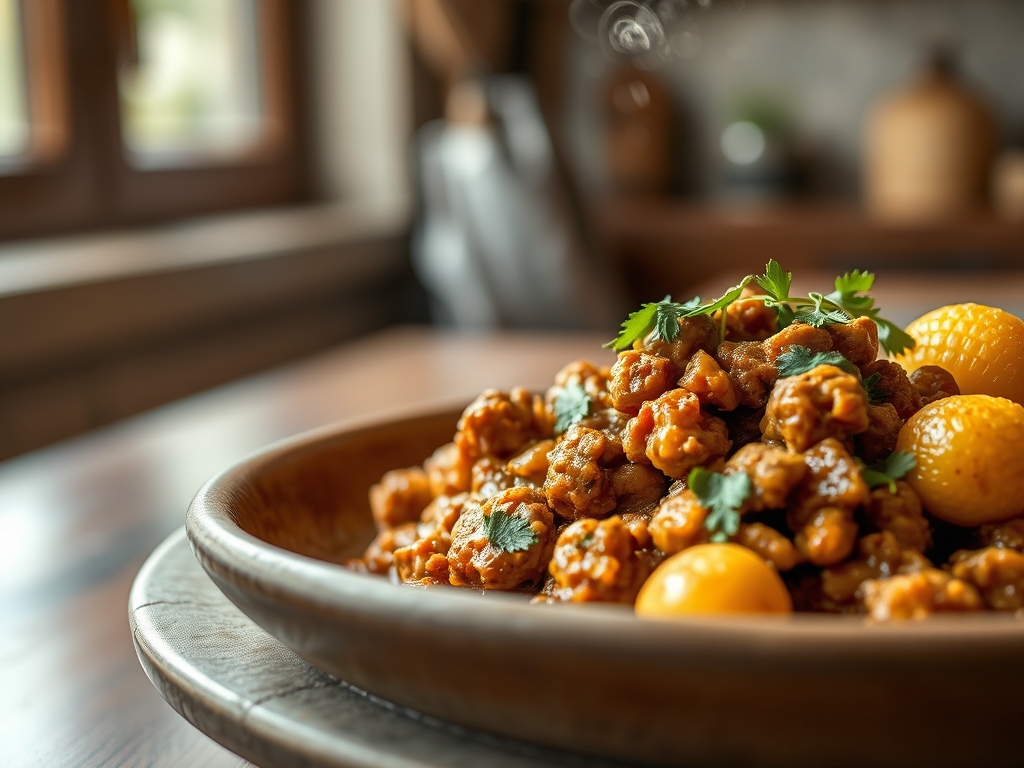
Close your eyes and listen for the aggressive sizzle of cold protein hitting a screaming hot cast iron surface. That sound is the beginning of a chemical transformation that turns humble ground beef recipes curry into a masterpiece of depth and heat. We are moving past the watery, one dimensional stews of the past and stepping into a world where fat is a flavor carrier and spices are toasted until they bloom with life. This is about more than just dinner; it is about mastering the physics of heat and the chemistry of aromatics to create a bowl that is velvety, piquant, and utterly addictive.
Ground beef is the ultimate canvas because its high surface area allows for maximum Maillard reaction. When we talk about ground beef recipes curry, we are discussing a dish that balances the heavy, savory notes of rendered bovine fat with the bright, acidic punch of ginger and tomatoes. It is fast enough for a Tuesday but complex enough to impress the most cynical foodie in your circle. Grab your favorite heavy bottomed skillet and let us get into the science of why this works.
The Gathers:
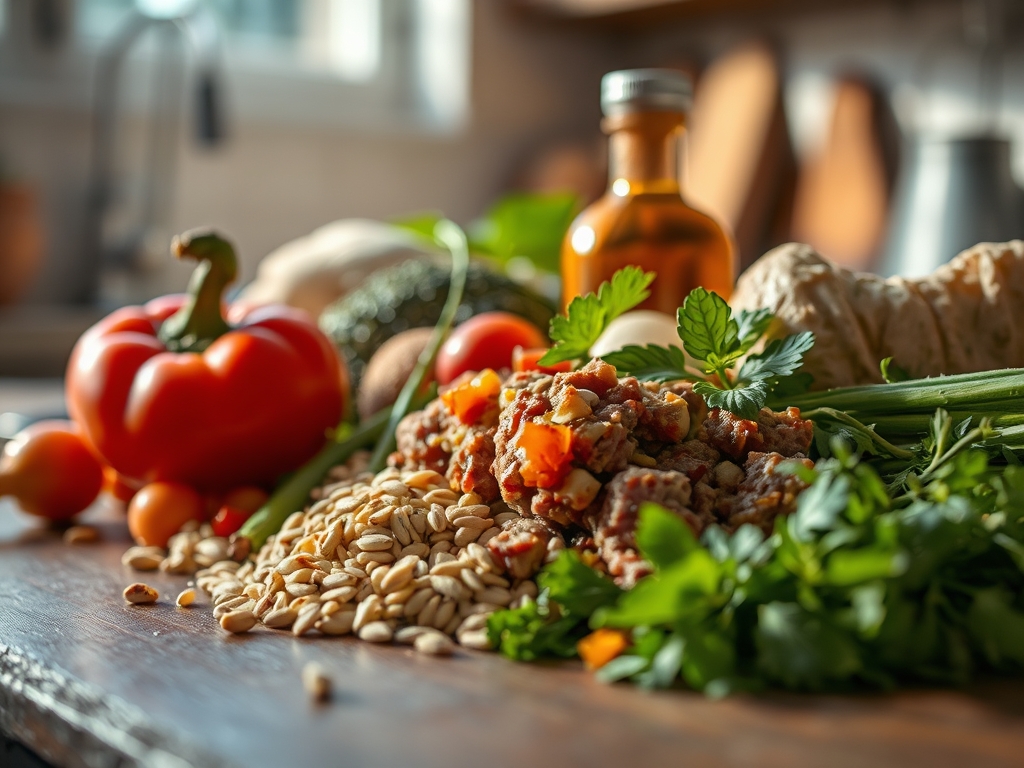
To achieve a professional grade result, your mise en place must be precise. We are looking for a specific ratio of lean to fat. I recommend an 80/20 blend of ground chuck. The 20 percent fat content is non negotiable because it acts as the primary solvent for our fat soluble spice compounds. You will need a microplane for the aromatics to ensure they melt into the sauce rather than leaving a fibrous texture.
The Essentials:
- 1 lb Ground Chuck (80/20): High fat content for better emulsification.
- Aromatics: One large yellow onion (finely diced), four cloves of garlic, and a two inch knob of fresh ginger.
- The Spice Bloom: Two tablespoons of high quality Madras curry powder, one teaspoon of cumin seeds, and half a teaspoon of turmeric.
- The Liquid Base: One can of full fat coconut milk or 400ml of beef bone broth for a deeper, more viscous mouthfeel.
- The Brighteners: Fresh cilantro, lime juice, and a splash of fish sauce for that hidden umami kick.
Smart Substitutions:
If you are looking to lighten the load, ground turkey works, but you must add a tablespoon of neutral oil to compensate for the lack of natural tallow. For a night where you have run out of fresh ginger, a teaspoon of ground ginger can work, though it lacks the piquant bite of the fresh rhizome. If coconut milk is too heavy, Greek yogurt added at the very end provides a similar creamy texture with a pleasant lactic tang.
The Clock: 45 Minutes to Glory
Efficiency in the kitchen is about the Chef's Flow. This is the art of overlapping tasks so that no heat is wasted. Your total prep time should be 15 minutes, followed by a 30 minute cook time.
0-15 Minutes: Execute all knife work. Use a bench scraper to move your diced onions and minced aromatics into neat piles.
15-25 Minutes: The sear and the bloom. This is where we build the foundation of flavor.
25-45 Minutes: The simmer. This is a passive phase where the collagen breaks down and the flavors fuse. Use this time to prepare your jasmine rice or warm your naan.
The Masterclass: Step-by-Step
1. The High Heat Sear
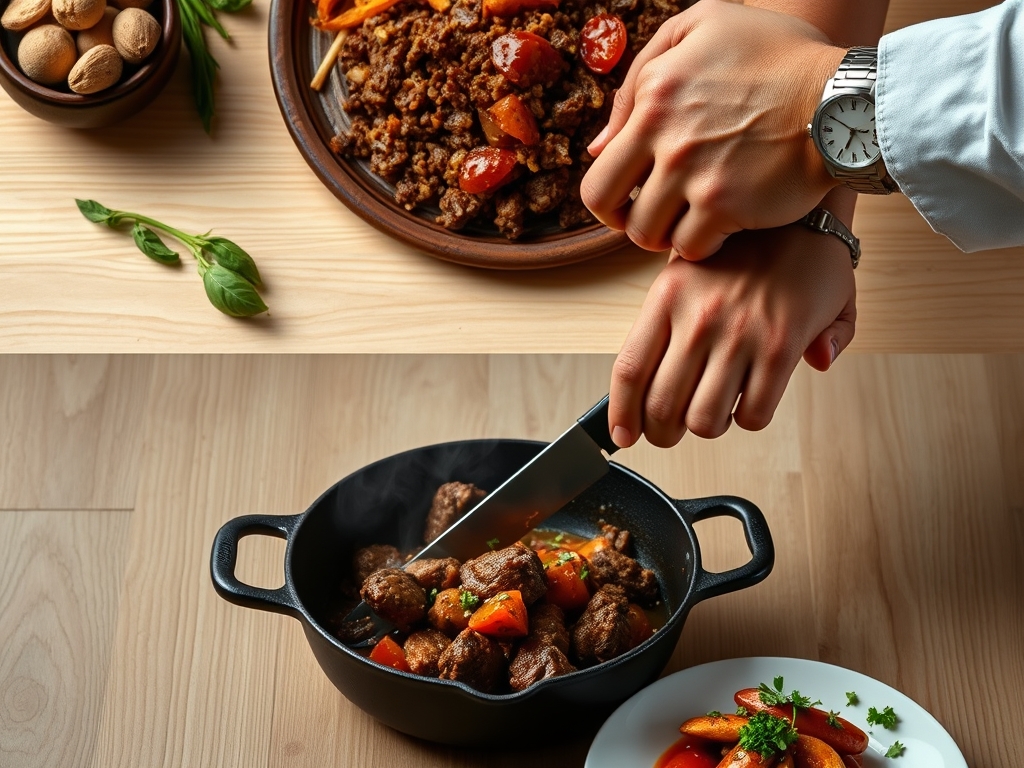
Place your heavy bottomed skillet over medium high heat until a drop of water dances and evaporates instantly. Add the beef in chunks rather than one large mass. Do not stir it immediately. Let it sit for three minutes to develop a dark, caramelized crust.
Pro Tip: This is the Maillard reaction in action. By allowing the beef to sear undisturbed, you are creating melanoidins, which provide the savory, "meaty" flavor that a simple simmer cannot achieve.
2. Rendering and Degreasing
Once the beef is browned, use a slotted spoon to remove the meat, leaving the rendered fat in the pan. If there is more than two tablespoons of liquid gold, use a spoon to remove the excess, but do not discard it all.
Pro Tip: Fat is a flavor conductor. Many of the essential oils in spices like cumin and coriander are hydrophobic, meaning they only release their full aromatic potential when dissolved in fat rather than water.
3. Sweating the Aromatics
Drop your onions into the fat. Sauté until translucent, then add your garlic and ginger. Use a wooden spoon to scrape up the brown bits (the fond) from the bottom of the pan.
Pro Tip: Sweating onions at a lower temperature breaks down their cellular walls through enzymatic browning, turning harsh sulfur compounds into sweet, mellow sugars.
4. Blooming the Spices
Clear a small circle in the center of your pan and add your dry spices. Toast them for exactly 60 seconds until the kitchen smells like a spice market.
Pro Tip: This process is called tempering. The heat triggers a volatile oil release, significantly increasing the potency and complexity of the ground beef recipes curry.
5. Deglazing the Pan
Pour in a splash of broth or a squeeze of lime juice. Use your spoon to vigorously scrape the bottom of the skillet.
Pro Tip: Deglazing captures the fond, the concentrated protein deposits stuck to the pan. This ensures every molecule of flavor ends up in your sauce rather than the dishwasher.
6. The Emulsion Build
Slowly pour in your coconut milk or broth while stirring constantly. Return the beef to the pan.
Pro Tip: To prevent the sauce from "breaking" or separating, ensure the liquid is added gradually. This creates a stable emulsion where the fat and water based liquids stay harmoniously combined.
7. The Low and Slow Simmer
Reduce the heat to low. Let the mixture bubble gently. You want to see small "fish eye" bubbles, not a rolling boil.
Pro Tip: A gentle simmer prevents the protein fibers in the beef from tightening and becoming rubbery, a phenomenon known as thermal shock.
8. The Acid Adjustment
Just before serving, stir in a teaspoon of sugar and a tablespoon of lime juice.
Pro Tip: This is about palate balance. The sugar cuts the heat, while the acid brightens the heavy fats, making the overall flavor profile feel "lighter" on the tongue.
9. The Rest
Turn off the heat and let the curry sit for five minutes before plating.
Pro Tip: This allows for carryover cooking and lets the starches in the sauce fully hydrate, resulting in a much thicker, more luxurious consistency.
The Deep Dive: Beyond the Pan
Macro Nutrition:
A standard serving of this curry provides approximately 32g of protein, 22g of fat, and 8g of carbohydrates (excluding rice). It is a powerhouse of iron and zinc, especially when using high quality grass fed beef.
Dietary Swaps:
- Vegan: Replace beef with crumbled extra firm tofu or brown lentils. Use coconut oil for the sauté.
- Keto: Serve over cauliflower rice instead of jasmine rice. Ensure your curry powder has no added starches.
- GF: Naturally gluten free, but always check your beef broth labels for hidden wheat thickeners.
The Fix-It:
- Too Salty? Drop in a peeled, halved potato. The potato acts as a sponge, absorbing excess sodium through osmotic pressure.
- Too Thin? Simmer with the lid off to encourage evaporation, or stir in a teaspoon of tomato paste to act as a natural thickener.
- Too Bitter? This usually happens if the spices burned. Add a dollop of heavy cream or coconut cream to coat the tongue and mask the bitterness.
Meal Prep Science:
Curry is famously better the next day. As the dish cools, the spices continue to undergo molecular diffusion, seeping deeper into the meat. When reheating, add a tablespoon of water to replace moisture lost to evaporation and use a low heat setting on the stove to avoid "breaking" the coconut milk emulsion.
The Wrap-Up
Mastering ground beef recipes curry is a rite of passage for any home cook who wants to marry speed with sophistication. By understanding the science of the sear and the importance of blooming your spices, you have elevated a simple pound of meat into a restaurant quality experience. Remember, cooking is a series of chemical reactions; you are just the brilliant conductor of the orchestra. Now, grab a bowl, pile it high with rice, and enjoy the fruits of your scientific labor.
The Kitchen Table
Can I use lean ground beef for this recipe?
Yes, but you must add a tablespoon of oil or butter to the pan. Without enough fat, the spices will taste "dusty" and the sauce will lack the necessary velvety mouthfeel required for a proper curry.
Why does my curry taste flat?
You likely missed the acid or the salt. A squeeze of lime or a splash of fish sauce provides the necessary contrast to the heavy fats, "waking up" the other flavors on your taste buds instantly.
How long does ground beef curry last in the fridge?
It stays fresh and delicious for up to four days in an airtight container. The flavors actually intensify over the first 24 hours due to ongoing aromatic diffusion, making it a premier meal prep option.
Can I freeze ground beef curry?
Absolutely. It freezes beautifully for up to three months. Just be sure to thaw it in the refrigerator overnight before reheating gently on the stovetop to maintain the integrity of the sauce's emulsion.