
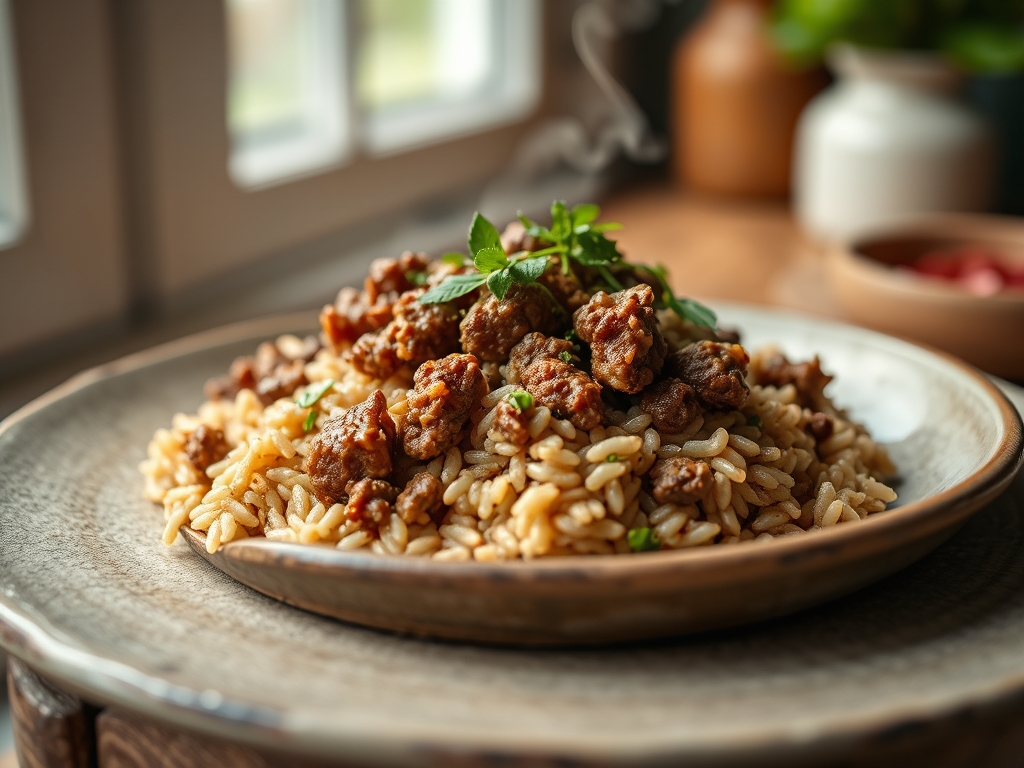
Picture a heavy-bottomed skillet shimmering with heat as the first handful of protein hits the surface. There is a specific, sharp crackle that signals the start of the Maillard reaction; that glorious chemical transformation where amino acids and reducing sugars rearrange to create complex, savory flavor compounds. If you are searching for brown rice and ground beef recipes that actually taste like a five star meal rather than a bland gym prep container, you have found the sanctuary of flavor science. We are elevating the humble pantry staple into a series of six high-protein, nutrient-dense masterpieces that respect your time and your palate.
The magic lies in the contrast of textures. You have the chewy, nutty resilience of whole grain rice meeting the succulent, deeply browned richness of high-quality beef. It is a pairing that provides a complete amino acid profile and sustained glucose release, keeping your energy levels stable for hours. Whether we are crafting a piquant Korean-inspired bowl or a Mediterranean-style stuffed pepper filling, the foundational techniques remain the same. We are not just cooking; we are engineering satisfaction. Grab your favorite apron and a glass of something crisp; it is time to turn these simple ingredients into culinary gold.
The Gathers:
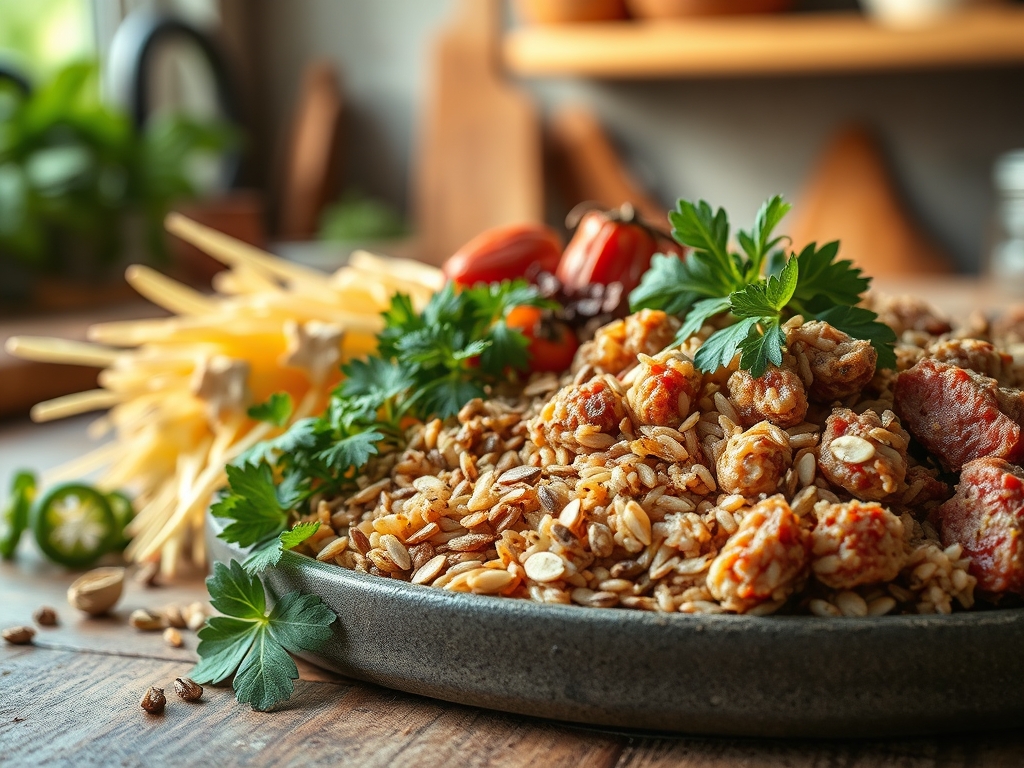
To execute these brown rice and ground beef recipes with precision, your mise-en-place must be impeccable. Start with the beef; I recommend a 90/10 lean-to-fat ratio. This provides enough lipid content to render and carry fat-soluble aromatics without leaving a greasy residue on the tongue. For the rice, short-grain brown rice offers a more viscous, starchy mouthfeel, while long-grain varieties like brown jasmine provide a floral aroma and distinct, separate grains.
Your aromatic base should include "The Holy Trinity" of many cuisines: finely diced mirepoix or sofrito. Use a sharp chef knife to ensure uniform surface area, which guarantees even caramelization. You will also need high-quality sea salt, cracked black pepper, and acidic brighteners like rice vinegar or fresh lemon juice to cut through the richness of the beef.
Smart Substitutions:
If you are looking to increase the micronutrient density, swap half of your beef for finely minced cremini mushrooms. Mushrooms contain glutamate, which enhances the "umami" profile while reducing total saturated fat. For a lower-carb profile that still feels substantial, you can blend your brown rice with riced cauliflower at a 1:1 ratio. The rice provides the structure, while the cauliflower adds volume and fiber without altering the flavor profile significantly.
The Clock
Efficiency in the kitchen is about "Chef's Flow," the art of overlapping tasks to minimize downtime. For these recipes, the total active prep time is approximately 15 minutes, with a cook time of 25 to 30 minutes depending on your rice preparation method.
The secret to a 40-minute dinner is starting your rice first. While the grains simmer and absorb moisture, you can focus on the high-heat searing of the beef. By the time the beef has been seasoned and the vegetables have softened, the rice will be ready to be folded in. This parallel processing ensures that every component reaches the plate at its peak temperature and texture.
The Masterclass
1. The Critical Sear
Place your heavy-bottomed skillet over medium-high heat until a drop of water dances and evaporates instantly. Add the beef in a single layer and do not touch it for at least three minutes.
Pro Tip: This patience allows for enzymatic browning. Moving the meat too early causes it to steam in its own juices, resulting in a gray texture rather than a deep, caramelized crust that develops complex flavor.
2. Deglazing the Fond
Once the beef is browned and removed, you will notice brown bits stuck to the bottom of the pan. This is called "fond." Add a splash of beef stock or dry wine and use a wooden spoon to scrape these bits up.
Pro Tip: This process captures the concentrated proteins and sugars. By deglazing, you are creating a built-in sauce base that infuses the entire dish with a professional depth of flavor.
3. Aerating the Grains
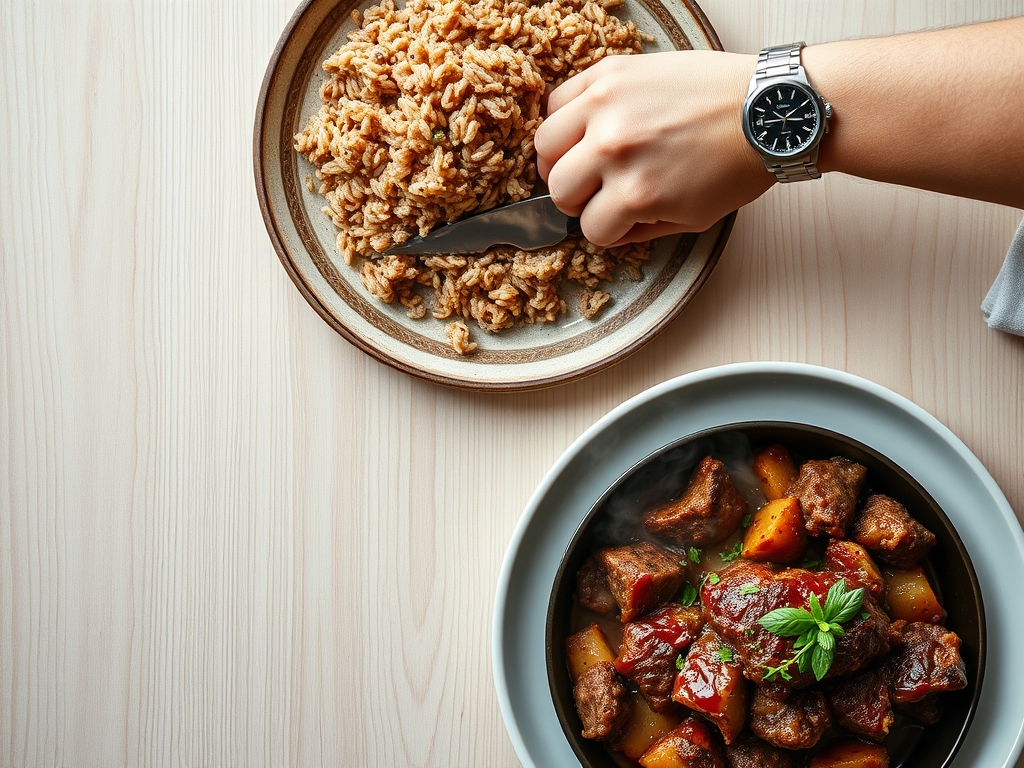
When the brown rice is finished cooking, do not stir it immediately. Remove it from the heat and let it sit, covered, for five minutes before using a fork to gently lift and separate the grains.
Pro Tip: This rest period allows the remaining steam to redistribute evenly. Aerating the rice prevents the grains from clumping or becoming mushy when they are combined with the savory beef mixture.
4. Emulsifying the Sauce
If your recipe calls for a sauce, such as a soy-ginger glaze or a tomato reduction, add it to the pan and bring it to a simmer. Whisk in a small pat of cold butter or a teaspoon of tahini at the very end.
Pro Tip: This creates a stable emulsion. The fats bind with the liquids to create a glossy, silky coating that clings to the beef and rice rather than pooling at the bottom of the bowl.
5. The Acid Finish
Just before serving, use a microplane to zest a fresh lime or lemon over the dish, followed by a small squeeze of the juice.
Pro Tip: Heat dulls the perception of acidity. Adding a "bright" finish at the end balances the heavy lipids of the beef and "wakes up" the taste buds, making the flavors pop.
6. Thermal Carryover Rest
Transfer the finished meal to a serving platter and let it sit for two minutes before digging in.
Pro Tip: This accounts for thermal carryover. The internal temperature will continue to rise slightly, ensuring the flavors have fully melded and the juices have redistributed within the meat fibers.
The Deep Dive
Nutritionally, these brown rice and ground beef recipes are powerhouses. A standard serving provides approximately 35g of protein, 40g of complex carbohydrates, and 8g of fiber. This macro-split is ideal for muscle recovery and sustained satiety.
Dietary Swaps:
For a Vegan version, utilize "beef crumbles" made from pea protein and cook them in a cast iron skillet to mimic the sear of real beef. For Keto enthusiasts, replace the brown rice entirely with shirataki rice or extra sautéed greens. If you are Gluten-Free, ensure your soy sauce is replaced with tamari or coconut aminos.
The Fix-It:
- Mushy Rice: If your rice turned out too soft, spread it on a baking sheet and pop it under the broiler for 3 minutes to dehydrate the surface.
- Bland Beef: If the flavor is flat, add a teaspoon of fish sauce or Worcestershire sauce; these are umami bombs that fix seasoning gaps instantly.
- Too Much Fat: If the dish looks oily, use a rolled-up paper towel held with tongs to carefully dab the excess rendered fat from the corners of the skillet.
Meal Prep Science:
To maintain "day-one" quality, store the beef and rice in airtight glass containers. When reheating, add one tablespoon of water or broth before microwaving. This creates a localized steam chamber that re-hydrates the starch molecules in the brown rice, preventing that dreaded "reheated rice" crunch.
The Wrap-Up
Mastering brown rice and ground beef recipes is about more than just tossing ingredients in a pan; it is about respecting the chemistry of heat and the harmony of textures. You now have the technical blueprint to create six distinct, healthy, and incredibly flavorful dinners that feel like a treat rather than a chore. Remember to sear hard, deglaze often, and always finish with a burst of acidity. Your kitchen is now a laboratory of deliciousness. Go forth and cook with confidence!
The Kitchen Table
How do I make brown rice taste better?
Toast the dry grains in a skillet with a teaspoon of grass-fed butter before adding water. This initiates the Maillard reaction, giving the rice a popcorn-like aroma and a deeper, nuttier flavor profile that complements savory ground beef perfectly.
Can I cook the beef and rice in one pot?
Yes, but you must adjust the liquid ratio. Sear the beef first, remove it, then toast the rice in the rendered fat. Add 2.25 cups of liquid per cup of rice, return the beef, and simmer until the liquid is absorbed.
Is ground beef and brown rice actually healthy?
Absolutely. This combination provides high-quality heme iron, zinc, and B-vitamins from the beef, paired with the manganese and magnesium found in the bran layer of brown rice. It is a balanced, whole-food meal that supports metabolic health and sustained energy.
Why is my ground beef always gray and watery?
You are likely overcrowding the pan or using a skillet that isn't hot enough. Cook the beef in batches and ensure the pan is preheated. This allows moisture to evaporate instantly, allowing the surface temperature to rise enough for browning.