
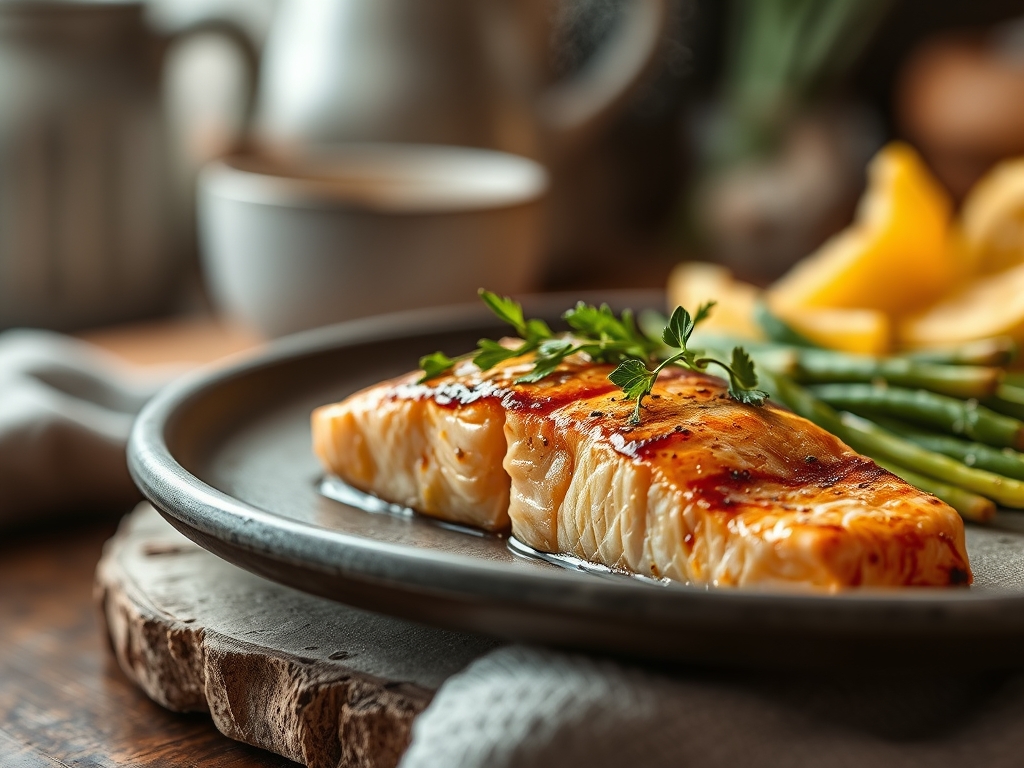
Picture a kitchen where the air smells of Meyer lemons and sizzling butter; a place where the light is golden and the wine is always chilled. When you dive into the world of barefoot contessa salmon recipes, you are not just cooking dinner. You are mastering the art of the effortless host. It is about taking a simple fillet and elevating it through technique and high-quality ingredients.
There is a specific magic in the way Ina Garten approaches seafood. It is never fussy, but it is always precise. We are going to deconstruct that magic today. We will look at why a heavy-bottomed skillet is your best friend and how a simple splash of dry vermouth can transform a sauce from flat to three-dimensional. Whether you are searing a center-cut piece of Atlantic salmon or roasting a whole side for a garden party, the goal is the same: a crisp, salt-kissed exterior and a translucent, buttery center. Let us get into the chemistry of why these flavors work so well together and how you can replicate that Hamptons glow in your own kitchen.
The Gathers:
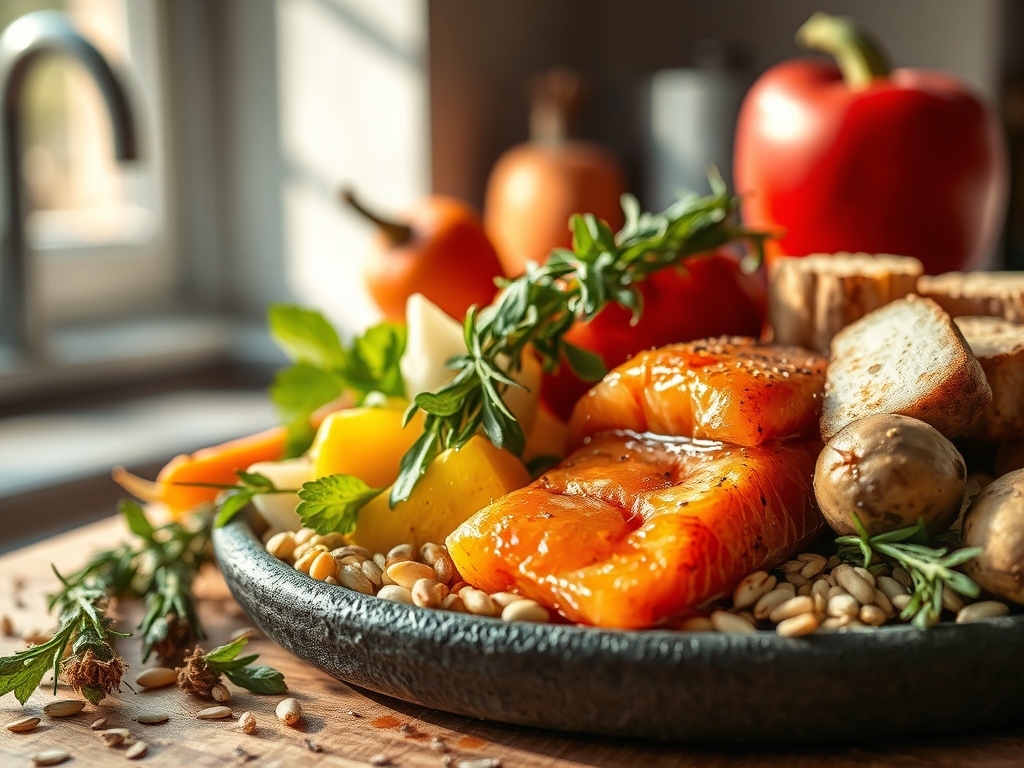
To achieve that signature flavor profile, your mise-en-place must be impeccable. We start with the star: six to eight ounces of sushi-grade salmon per person. Look for deep pigmentation, which indicates a high concentration of astaxanthin, a powerful antioxidant. You will need a microplane for zesting citrus; this tool ensures you only get the aromatic flavedo and none of the bitter white pith.
The liquid components are equally vital. Gather a high-quality olive oil with a low acidity level and a bottle of dry white wine or vermouth to deglaze the pan. For the aromatics, we use fresh dill and flat-leaf parsley. Do not reach for the dried stuff here; the volatile oils in fresh herbs provide the piquant lift that defines these dishes. If you are looking for Smart Substitutions, you can swap heavy cream for full-fat coconut milk for a dairy-free richness, or use a splash of apple cider vinegar if you find yourself without a dry white wine. Always keep a bowl of Maldon sea salt nearby. The large, pyramidal flakes provide a textural crunch that fine table salt simply cannot replicate.
The Clock
Efficiency in the kitchen is what we call Chef's Flow. For most barefoot contessa salmon recipes, you are looking at a total time of 25 to 30 minutes. Prep takes about 10 minutes; this includes patting the fish bone-dry to prevent steaming and mincing your shallots into a fine brunoise.
The cooking phase is swift, usually lasting 8 to 12 minutes depending on the thickness of the cut. The final 5 minutes are reserved for resting. This is a non-negotiable step. Resting allows the muscle fibers to relax and reabsorb the internal juices, ensuring every bite is moist. If you rush the flow, you risk a broken emulsion in your sauce or a rubbery texture in your fish.
The Masterclass
1. The Dry Brine Technique
Before the heat even touches the pan, season your fillets generously with salt and let them sit at room temperature for fifteen minutes. This draws moisture to the surface and then reabsorbs it, seasoning the fish deeply.
Pro Tip: This process is called denaturation. The salt begins to break down the tightly wound proteins, which prevents the white "white gunk" (albumin) from pushing out during the cooking process.
2. Achieving the Perfect Sear
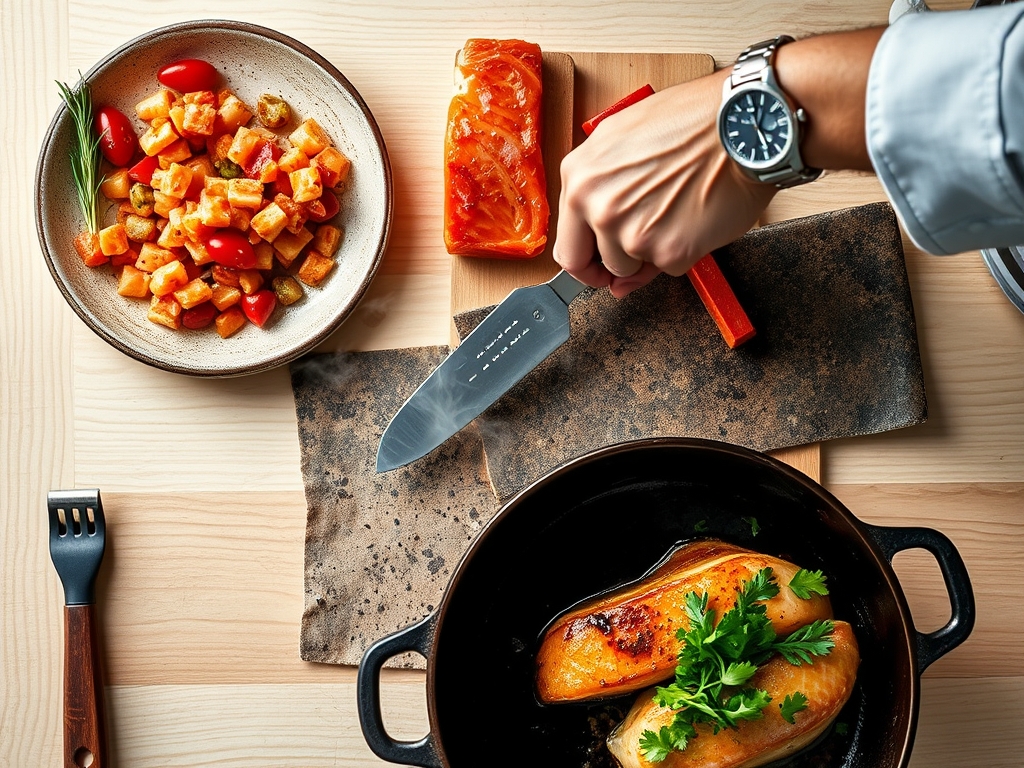
Heat a heavy-bottomed skillet over medium-high heat until the oil shimmers. Place the salmon skin-side down and do not move it. You want to hear a consistent sizzle, not a violent pop.
Pro Tip: This creates the Maillard reaction, a chemical reaction between amino acids and reducing sugars that gives browned food its distinctive flavor. Moving the fish too early prevents this crust from forming.
3. The Butter Baste
Once flipped, add a knob of unsalted butter and a smashed garlic clove to the pan. Use a large spoon to continuously pour the foaming butter over the fish.
Pro Tip: This is known as arrosé. The hot fat acts as a heat transfer medium, finishing the top of the fish while infusing it with the nutty aromas of toasted milk solids.
4. Deglazing the Fond
After removing the salmon, the bottom of your pan will be covered in caramelized bits called fond. Pour in your wine or stock and use a bench scraper or wooden spoon to lift those flavors into a sauce.
Pro Tip: Alcohol acts as a solvent. It dissolves flavor compounds that water or fat cannot reach, creating a more complex and viscous pan sauce.
5. The Low-Temperature Roast
For larger crowds, Ina often favors the oven. Roast at 275 degrees Fahrenheit rather than 400. This gentle heat prevents the fat from rendering out too quickly.
Pro Tip: Slow roasting minimizes thermal gradient, meaning the temperature difference between the outside and the center is small, resulting in a perfectly even cook from edge to edge.
6. Emulsifying the Vinaigrette
If your recipe calls for a mustard glaze or sauce, whisk it vigorously while slowly drizzling in oil.
Pro Tip: You are creating a stable emulsion. The lecithin in mustard acts as a bridge between the water-based vinegar and the oil, preventing the sauce from separating on the plate.
7. The Herb Infusion
Add your fresh herbs at the very last second. Heat is the enemy of delicate herbs like dill and chives.
Pro Tip: High heat causes the volatile organic compounds in herbs to evaporate. Adding them at the end preserves their bright, grassy notes and vibrant green color.
8. Monitoring Internal Temp
Use a digital scale or a probe thermometer to check for doneness. Aim for 125 degrees Fahrenheit for a perfect medium-rare.
Pro Tip: Account for thermal carryover. The internal temperature will continue to rise by 5 to 10 degrees after the fish is removed from the heat source.
9. The Acid Finish
A final squeeze of lemon juice or a dash of caper brine over the finished dish is essential.
Pro Tip: Acid acts as a flavor enhancer by stimulating the salivary glands. It cuts through the viscous fats of the salmon and butter, balancing the palate.
The Deep Dive
From a nutritional standpoint, salmon is a powerhouse. It is rich in Omega-3 fatty acids, which are essential for heart health. A standard portion provides roughly 40 grams of protein and zero carbohydrates, making it a staple for Keto and Paleo lifestyles. For a Vegan swap, try thick slices of roasted cauliflower or king oyster mushrooms basted in the same aromatics; they mimic the "meatiness" of the fish remarkably well.
If things go wrong, do not panic. The most common pitfall is overcooking, resulting in a dry texture. The "Fix-It" is simple: flake the fish and fold it into a creamy pasta sauce or a lemon-herb mayo. If your skin is soggy, it is likely due to excess moisture. Next time, use a paper towel to press the skin until it is bone-dry. If your sauce breaks, whisk in a teaspoon of warm water or a splash of cream to re-bind the fats.
For Meal Prep, reheating salmon is a science. Avoid the microwave, which vibrates water molecules and toughens the protein. Instead, place the fillet in a covered dish with a tablespoon of water and warm it in a 250-degree oven. This creates a gentle steam environment that restores "day-one" silkiness.
The Wrap-Up
Mastering barefoot contessa salmon recipes is about more than just a meal; it is about gaining confidence in the kitchen. By understanding the chemistry of the sear and the importance of the rest, you move from following a script to conducting a symphony. Remember to use your tools wisely, trust your thermometer, and never skimp on the fresh herbs. Now, pour yourself a glass of something crisp and enjoy the fruits of your labor.
The Kitchen Table
How do I prevent salmon from sticking to the pan?
Ensure your pan is properly preheated and use a high-smoke-point oil. Pat the skin extremely dry with paper towels. Once the fish hits the pan, do not touch it until a natural crust forms and it releases itself.
What is the white stuff that comes out of salmon?
That is albumin, a protein that liquidizes when raw and solidifies when heated. While harmless, it usually indicates the fish was cooked too quickly or at a temperature that was too high. Low and slow prevents this.
Can I use frozen salmon for these recipes?
Yes, but thaw it slowly in the refrigerator for 24 hours. Frozen fish often retains more moisture, so you must be extra diligent about drying the surface before searing to ensure you get a crisp exterior.
How long does cooked salmon stay fresh in the fridge?
Cooked salmon is best enjoyed within two to three days. Store it in an airtight glass container to prevent the fats from oxidizing and picking up other "fridge flavors." Reheat gently to maintain the buttery texture.