
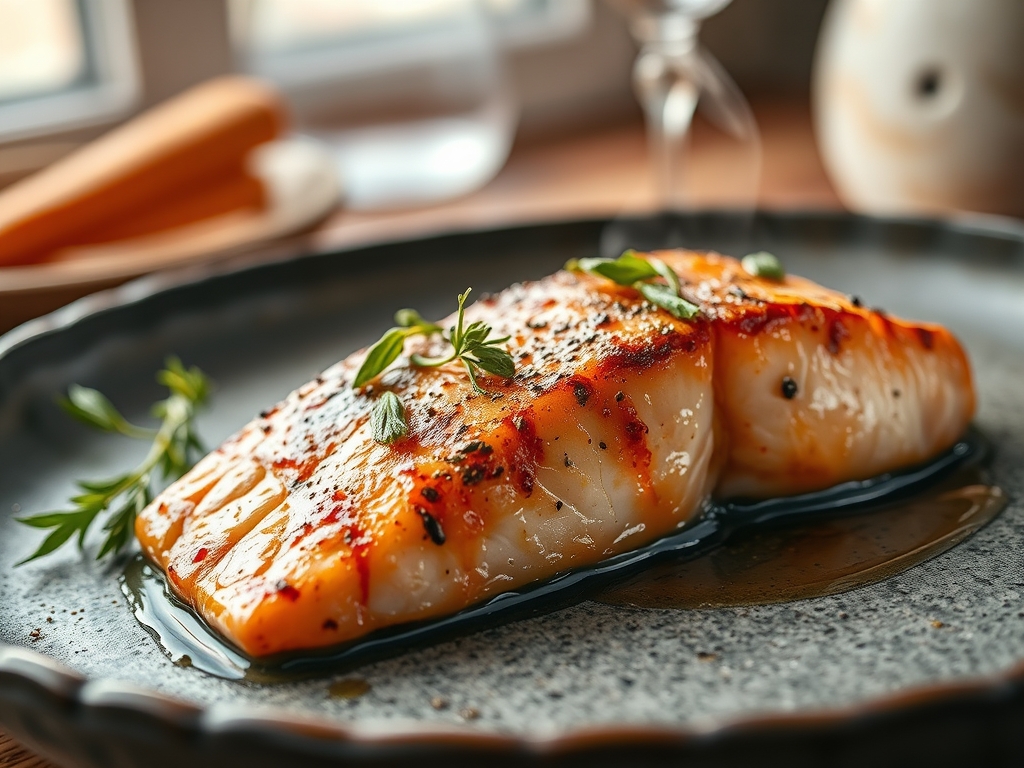
Imagine the sharp hiss of cold protein meeting a blistering cast iron surface; it is the sound of a Tuesday night being saved. When you are hunting for top rated salmon recipes, you are not just looking for a meal. You are looking for that perfect intersection of a buttery, translucent center and a crust so crisp it shatters. We have all been there; staring at a frozen fillet while the clock ticks toward eight, wondering if we can achieve restaurant quality in under twenty minutes. The answer is a resounding yes, provided you understand the molecular architecture of the fish. Salmon is a fatty, forgiving canvas that responds beautifully to high heat and acidic brightness. By mastering a few fundamental techniques, you can transform a standard grocery store haul into a five star experience that feels effortless. We are going to dive into the chemistry of the sear, the importance of resting, and how to manipulate moisture to ensure your dinner is never dry or dull again.
The Gathers:
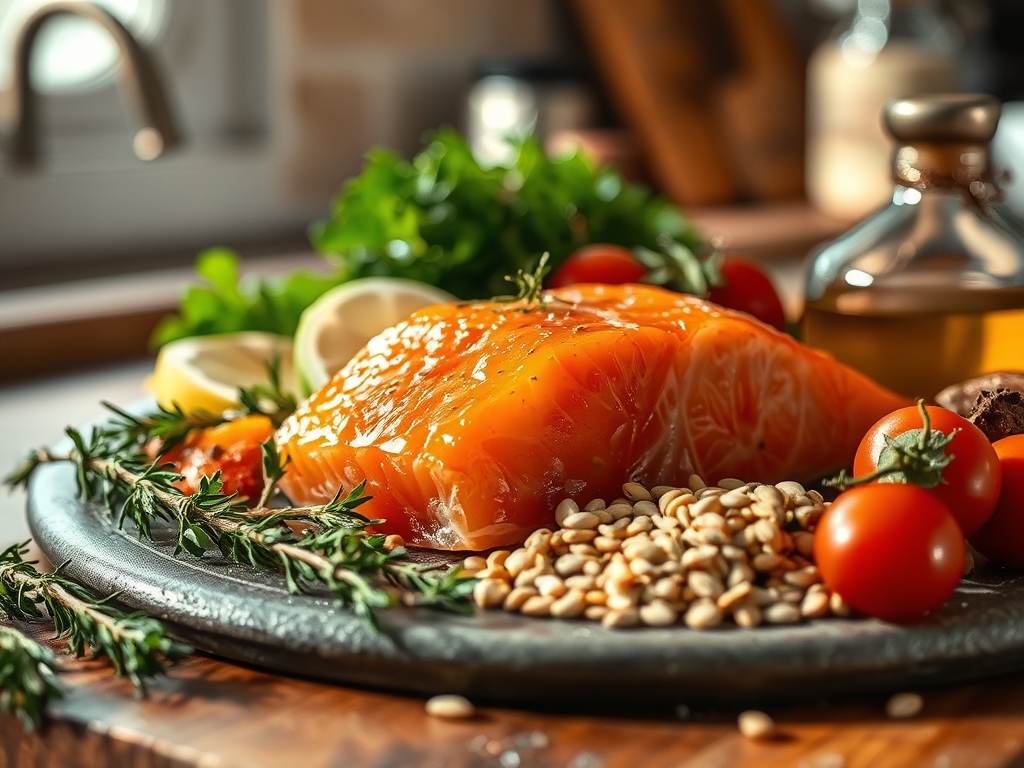
Before we ignite the burner, we must assemble our mise-en-place. Start with center-cut fillets, ideally six to eight ounces each. You want to look for vibrant color and a firm texture; if the flesh feels mushy, the cellular structure has already begun to degrade. Grab your digital scale to ensure even portioning, which is the first secret to uniform cooking. You will need a high smoke point oil like avocado or grapeseed oil; butter is delicious but its milk solids will burn before the salmon reaches its ideal internal temperature.
Your flavor profile relies on piquant aromatics. Gather fresh dill, a head of garlic, and lemons that feel heavy for their size, indicating a high juice yield. Use a microplane to harvest the zest, which contains the essential oils without the bitter white pith. For the "Smart Substitutions," if you are out of fresh herbs, a teaspoon of dried tarragon provides a sophisticated, anise-like depth. If you lack citrus, a splash of white balsamic vinegar offers a similar acidic lift to cut through the viscous fats of the fish. Always keep flaky sea salt within reach; the irregular crystal size provides a tactical crunch that table salt simply cannot replicate.
The Clock
Efficiency in the kitchen is about "Chef's Flow," the art of overlapping tasks so no second is wasted. Your total active time for these top rated salmon recipes should never exceed ten minutes. The "Clock" begins with a five minute room-temperature temper. Cold fish hitting a hot pan causes the muscle fibers to contract violently, squeezing out moisture and resulting in a tough texture. Use this time to prep your sides.
The actual cook time is a precise eight to ten minutes. We follow the 70/30 rule: seventy percent of the cooking happens on the skin side to create a thermal barrier, protecting the delicate flesh. The final two minutes are a gentle finish on the flip. Factor in a mandatory three minute rest period. During this time, residual heat continues to cook the center to a perfect medium-rare while the juices redistribute, ensuring your first bite is succulent rather than watery.
The Masterclass
1. The Desiccation Ritual
Use a paper towel to pat the salmon bone-dry. Moisture is the enemy of the Maillard reaction. If the surface is damp, the heat of the pan will go toward evaporating water rather than browning the protein.
Pro Tip: This is known as surface evaporation. By removing moisture, you allow the surface temperature to exceed 300 degrees Fahrenheit almost instantly, triggering the chemical reaction between amino acids and reducing sugars that creates savory flavor.
2. The Cold Oil Start
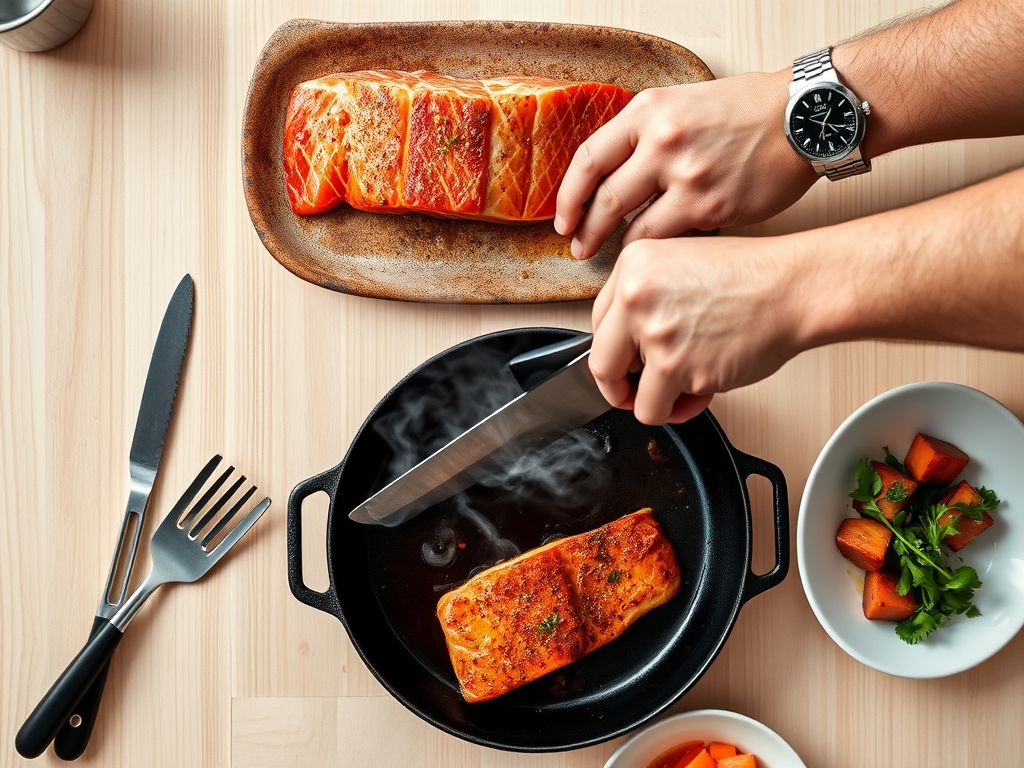
Place your heavy-bottomed skillet over medium-high heat. Add the oil and wait until it begins to shimmer and reach the "dancing" stage. Use tongs to gently lay the fish away from you to prevent oil splatters.
Pro Tip: Thermal expansion occurs when the fish hits the pan. Press down firmly with a fish spatula for the first thirty seconds to prevent the skin from curling, ensuring maximum surface contact for an even sear.
3. The Aromatic Infusion
Once the skin is crispy, toss in crushed garlic cloves and a knob of butter. As the butter foams, it undergoes pyrolysis, developing nutty notes. Use a large spoon to baste the hot fat over the raw top of the fish.
Pro Tip: This technique, called arrosier, uses convection to cook the top of the fillet while the bottom sears. It infuses the fat-soluble compounds from the garlic directly into the salmon.
4. The Deglaze and Emulsify
Remove the fish and turn off the heat. Immediately add a splash of white wine or lemon juice to the pan. Use a bench scraper or whisk to lift the browned bits, known as the fond, from the bottom.
Pro Tip: Deglazing captures the concentrated flavors stuck to the pan. Adding a cold pat of butter at the end creates a temporary emulsion, resulting in a velvety sauce that clings to the fish.
5. The Internal Calibration
Use a digital thermometer to check the thickest part of the fillet. You are aiming for 125 degrees Fahrenheit for medium-rare. The temperature will rise about five degrees during the rest.
Pro Tip: This is called thermal carryover. If you wait until the fish hits 135 degrees in the pan, it will be overcooked and chalky by the time it reaches the plate.
6. The Final Aeration
Just before serving, shower the dish with fresh herbs and a final grating of lemon zest. The heat from the fish will aerate the volatile oils in the herbs, hitting your nose before the first bite.
Pro Tip: Fresh enzymes in raw herbs provide a bright contrast to the cooked fats. This creates a sensory balance known as "organoleptic synergy," where the aroma enhances the perceived flavor.
The Deep Dive
From a nutritional standpoint, salmon is a powerhouse of Omega-3 fatty acids, specifically EPA and DHA, which are essential for cognitive function. A standard six ounce serving provides roughly 34 grams of high-quality protein and zero carbohydrates, making it a staple for Keto and Paleo lifestyles. For a vegan alternative, "Carrot Lox" marinated in liquid smoke and seaweed can mimic the salinity, though it lacks the protein density. If you are Gluten-Free, ensure your deglazing liquid is a pure vinegar or wine rather than a pre-made sauce that might contain hidden thickeners.
Even the best chefs encounter "The Fix-It" moments. If your skin is sticking, you likely tried to flip it too early; the fish will naturally "release" once the proteins have fully coagulated. If you see white goop seeping out, that is albumin. It is perfectly safe to eat but indicates the fish was cooked too fast or too high. To fix a dry fillet, flake the meat and toss it with a high-fat dressing like an aioli to restore the mouthfeel. For meal prep, never reheat salmon in the microwave. The high intensity vibrates water molecules so fast they steam the fish from the inside out, ruining the texture. Instead, let it come to room temperature or gently warm it in a covered pan with a tablespoon of water to create a low-heat steam environment.
The Wrap-Up
Mastering top rated salmon recipes is about more than just following a list of ingredients; it is about understanding how heat interacts with protein to create something sublime. You now have the technical vocabulary and the professional tools to turn a quick weeknight dinner into a culinary event. Remember to dry your fish, watch your temperatures, and never skip the rest. Go ahead and get that skillet screaming hot; your kitchen is now a high-performance lab, and dinner is going to be spectacular.
The Kitchen Table
How do I prevent salmon from smelling "fishy"?
Buy fresh, high-quality fillets and cook them the same day. Soaking the fish in milk for twenty minutes before cooking can also neutralize trimethylamine, the compound responsible for that pungent aroma.
Can I cook salmon straight from the freezer?
It is possible but not recommended for the best texture. If you must, use the air fryer. However, thawing in a cold water bath for thirty minutes ensures the interior cooks evenly without drying out the exterior.
What is the best oil for searing salmon?
Use oils with a high smoke point, such as avocado, grapeseed, or refined light olive oil. Avoid extra virgin olive oil for high-heat searing, as it will smoke and turn bitter before the fish is done.
How do I know the salmon is done without a thermometer?
Gently press the side of the fillet with a fork. If the meat flakes easily along the natural white fat lines, it is ready. The center should still look slightly translucent and feel firm but yielding.