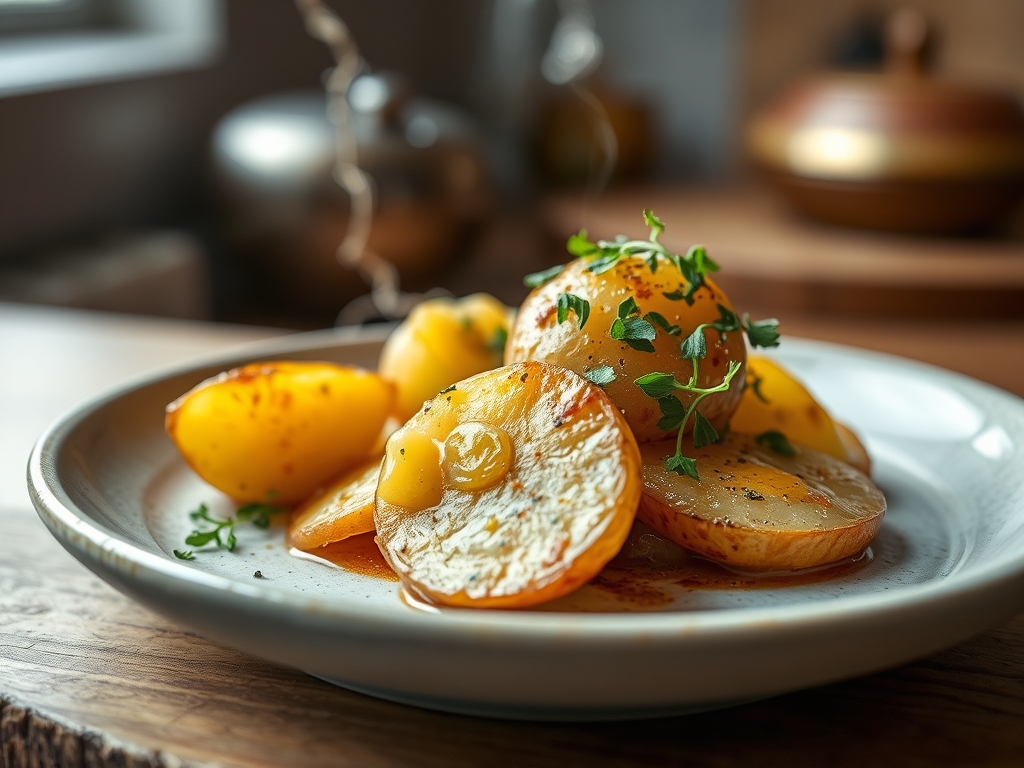
Imagine the scent of rosemary hitting a hot, heavy-bottomed skillet while the starch from a sliced Yukon Gold begins to caramelize into a golden crust. We have all been there; staring at a bag of spuds and wondering how to elevate them without spending four hours over a hot stove. Finding a reliable easy potato recipes side dish is the ultimate culinary cheat code for any home cook. It is the difference between a sad, soggy pile of tubers and a crisp, buttery masterpiece that steals the spotlight from the main protein. Today, we are diving into the molecular magic that turns these humble root vegetables into nine distinct, effortless variations. We will master the art of the perfect sear and the science of the fluffy interior, ensuring your weeknight dinners never feel repetitive again.
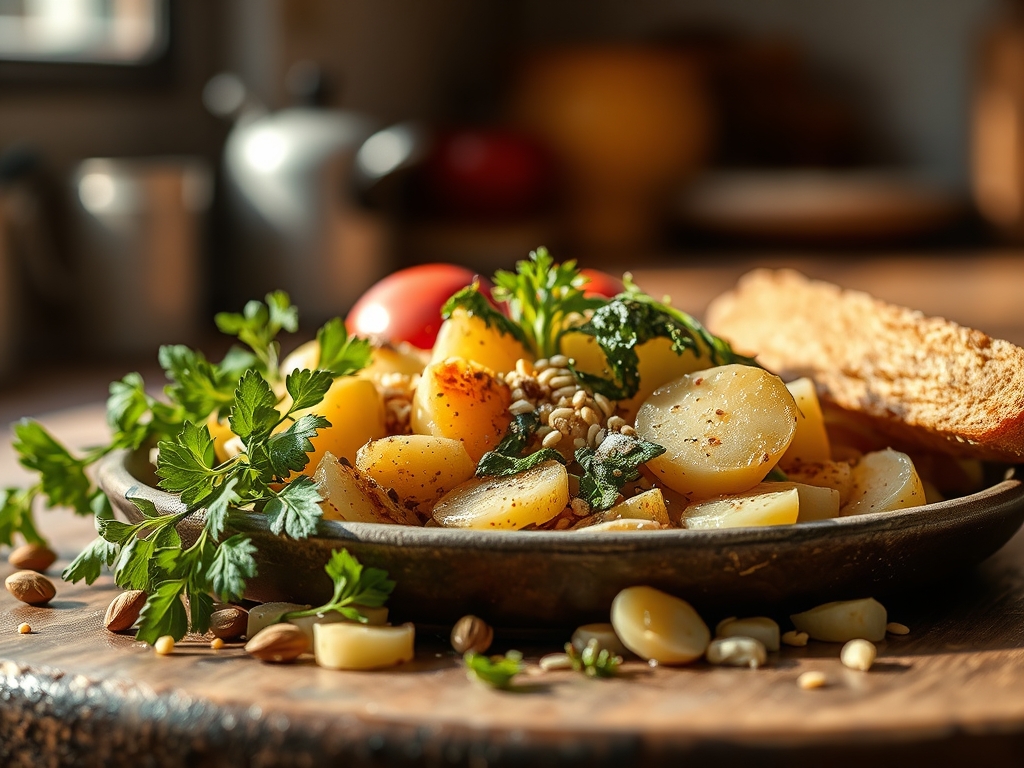
The Gathers:
Before we ignite the burners, we must respect the mise-en-place. Your workstation should feature a digital scale for precision, as the water-to-starch ratio varies wildly between a waxy Red Bliss and a floury Russet. You will need high-smoke-point fats like clarified butter or avocado oil to facilitate the Maillard reaction without scorching. Gather fresh aromatics: woody herbs like thyme and rosemary provide fat-soluble volatile oils that infuse the cooking medium. Do not forget a high-quality sea salt; the jagged crystals provide a structural crunch that fine table salt cannot replicate.
Smart Substitutions: If you lack fresh garlic, a high-quality garlic oil provides a more uniform flavor profile without the risk of bitter, burnt solids. For those avoiding dairy, duck fat is a professional secret for achieving a glass-like exterior on roasted wedges. If you are looking to lower the glycemic index, swap half of your potato volume for parsnips; they offer a similar viscous texture when mashed but with a more piquant, earthy finish.
The Clock
Efficiency in the kitchen is all about "Chef's Flow." For these nine variations, your active prep time is a mere fifteen minutes. The thermal conductivity of the potato means we often use a two-stage cooking process: a parboil to gelatinize the starch followed by a high-heat roast or sear. Total cook time ranges from twenty minutes for smashed varieties to forty-five minutes for deep-dish gratins. By utilizing a bench scraper to move your chopped pieces rapidly from board to pan, you minimize oxidation and keep your workflow tight. Always preheat your roasting pans; placing cold potatoes on a cold surface leads to sticking as the proteins bond to the metal before the steam can create a protective barrier.
The Masterclass
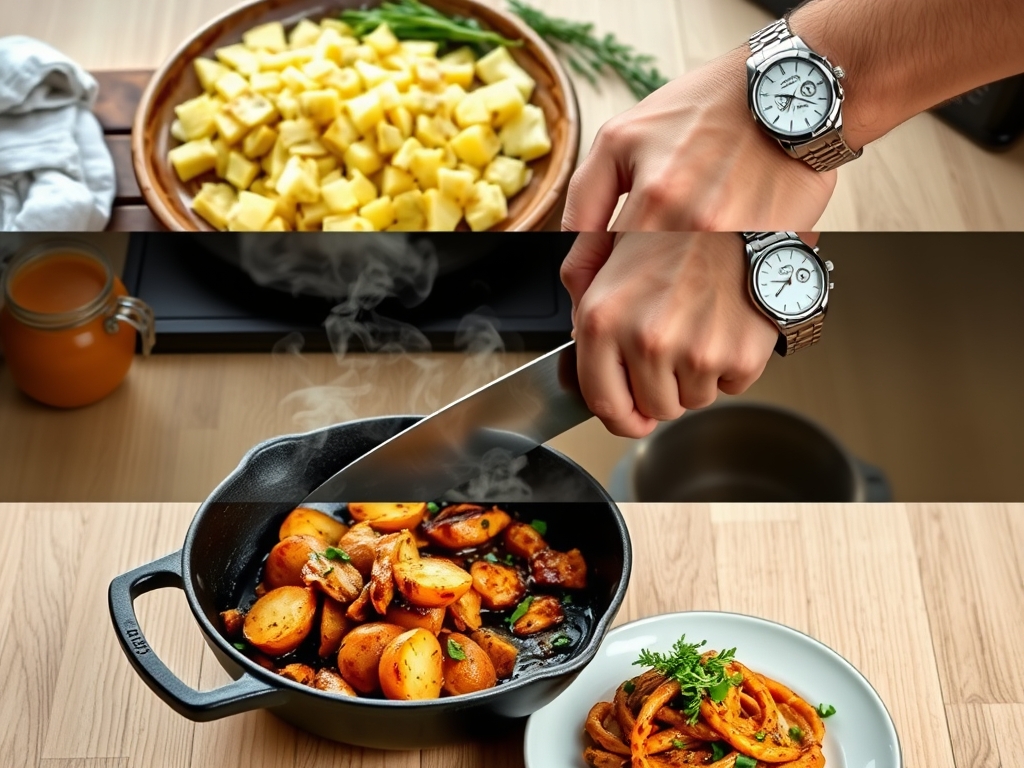
1. The Triple-Cooked Wedge
Cut your Russets into uniform wedges and boil them in alkaline water (add a pinch of baking soda). This breaks down the exterior pectin, creating a fuzzy surface area that crisps up intensely when roasted with olive oil.
Pro Tip: The baking soda raises the pH level, which accelerates the Maillard reaction, allowing for a deeper brown color and a crunchier crust at lower temperatures.
2. The Smashed Lemon-Herb Fingerling
Boil small fingerling potatoes until fork-tender, then use a heavy glass or a meat mallet to flatten them. Sear them in a heavy-bottomed skillet with butter and lemon zest until the edges are jagged and brown.
Pro Tip: Flattening the potato increases the surface-area-to-volume ratio, maximizing the "crunch zone" while keeping the center creamy through internal steam retention.
3. The Microplane Garlic Gratin
Thinly slice potatoes using a mandoline for perfect 1/8-inch rounds. Layer them with heavy cream and garlic grated with a microplane to ensure the flavor is distributed evenly without chunky bits.
Pro Tip: Using a microplane ruptures more cell walls in the garlic than chopping, releasing more allicin for a bolder, more pungent aromatic profile.
4. The Miso-Butter Roasted Red
Toss halved red potatoes in a mixture of melted butter and white miso paste. The fermented soy adds a massive hit of umami that complements the natural sugars in the potato.
Pro Tip: Miso contains complex sugars and amino acids that undergo caramelization alongside the potato starch, creating a savory-sweet crust.
5. The Crispy Hasselback
Slice the potato nearly all the way through at 2mm intervals. Brush with duck fat and roast. The slices fan out like an accordion, allowing the heat to penetrate every layer.
Pro Tip: This technique utilizes convective heat between the slices, dehydrating the surface of each individual "leaf" for a chip-like texture.
6. The Brown Butter Mash
Boil Yukon Golds, pass them through a ricer, and fold in butter that has been heated until the milk solids turn nut-brown. Use a saucier to keep the temperature consistent.
Pro Tip: Brown butter (beurre noisette) introduces toasted notes through the pyrolysis of milk proteins, adding depth that raw butter lacks.
7. The Duck Fat Confit Cube
Dice potatoes into perfect 1cm cubes and slow-cook them in a bath of duck fat at a low temperature before a final high-heat blast.
Pro Tip: This process, known as starch retrogradation, allows the interior to set into a fudge-like consistency that is incredibly luxurious.
8. The Pesto-Tossed New Potato
Steam small new potatoes until tender, then toss them immediately with a vibrant basil pesto while they are still steaming hot.
Pro Tip: The residual heat allows the potato to absorb the oils and aromatics of the pesto more deeply than if they were cold.
9. The Smoked Paprika Shoestring
Use a julienne peeler to create thin strands, soak them in ice water to remove excess starch, and flash-fry. Dust with smoked paprika immediately.
Pro Tip: Removing surface starch prevents the strands from sticking together, ensuring each individual fry remains aerated and crisp.
The Deep Dive
From a macro perspective, potatoes are a powerhouse of potassium and complex carbohydrates. One medium potato provides roughly 160 calories and a significant dose of Vitamin C. For those on a Keto path, consider substituting radishes; when roasted, they lose their peppery bite and mimic the texture of a red potato. Vegan diners can achieve a rich, viscous sauce by blending boiled cashews with nutritional yeast to replace cheese or cream.
The Fix-It:
- Soggy Potatoes: Usually caused by overcrowding the pan. Steam gets trapped, leading to boiling rather than roasting. Use two pans to ensure airflow.
- Grey Mash: This is enzymatic browning. Keep peeled potatoes submerged in cold water until the very second they go into the pot.
- Burnt Garlic: Never add minced garlic at the start of roasting. Add it during the last 10 minutes to prevent the bitter compounds from developing.
Meal Prep: To reheat with "day-one" quality, avoid the microwave. The microwave excites water molecules, making the starch gummy. Instead, use an air fryer or a hot skillet to re-crisp the exterior while gently warming the core.
The Wrap-Up
Mastering the easy potato recipes side dish is all about understanding how heat interacts with starch and fat. Whether you are using a ricer for the silkiest mash or a heavy-bottomed skillet for the ultimate sear, these techniques ensure your sides are never an afterthought. Remember to dry your potatoes thoroughly before they hit the fat; moisture is the enemy of the crunch. Now, go forth and turn that humble sack of spuds into a culinary triumph that your friends will be begging you to recreate.
The Kitchen Table
Why are my roasted potatoes never crunchy?
You likely skipped the parboil or overcrowded the pan. Parboiling creates a starchy slurry on the surface that dehydrates into a crisp shell. Ensure each potato has space for convective heat to circulate and evaporate moisture effectively.
What is the best potato for mashing?
Yukon Golds are the gold standard. They possess a naturally buttery flavor and a medium starch content. This allows them to become creamy without turning into a gluey paste, unlike high-starch Russets which can easily overwork.
Can I prep potatoes ahead of time?
Yes. Peel and cut them up to 24 hours in advance, but keep them completely submerged in cold, salted water in the fridge. This prevents oxidation and removes excess surface starch for a cleaner finish.
How do I stop potatoes from sticking to the pan?
Preheat your roasting pan in the oven before adding the fat and potatoes. The "thermal shock" creates an immediate sear, preventing the potato proteins from forming a bond with the metal surface of the tray.