
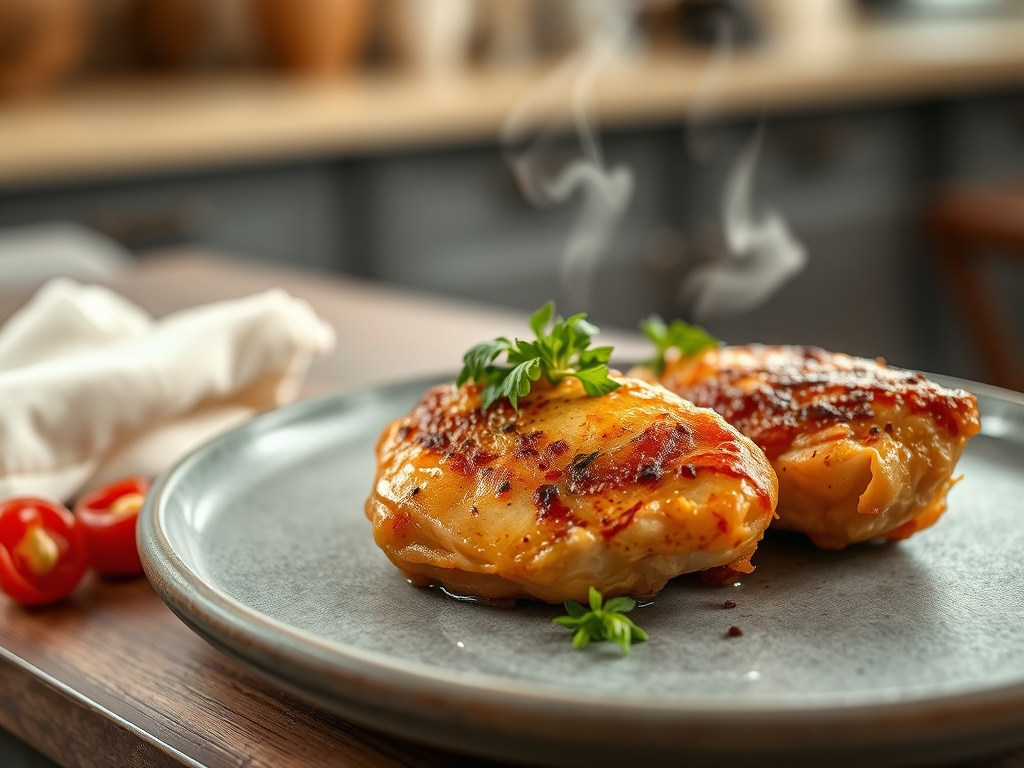
The first crack of pressure-fried chicken hitting 350°F oil creates a controlled violence, a hiss that promises skin so crisp it audibly shatters under your thumb. That signature golden crust, the hallmark of authentic broaster chicken recipes, comes from a precise marriage of pressure, temperature, and brine chemistry that most home cooks never master. This isn't your grandmother's cast-iron skillet method. This is engineered crunch, where steam and Maillard reactions collide under 12-15 PSI to drive moisture outward while proteins caramelize into that amber shell. Strip away the mystique, and you're left with six non-negotiable techniques that separate mediocre fried chicken from the kind that haunts your dreams at 2 AM.
The Gathers
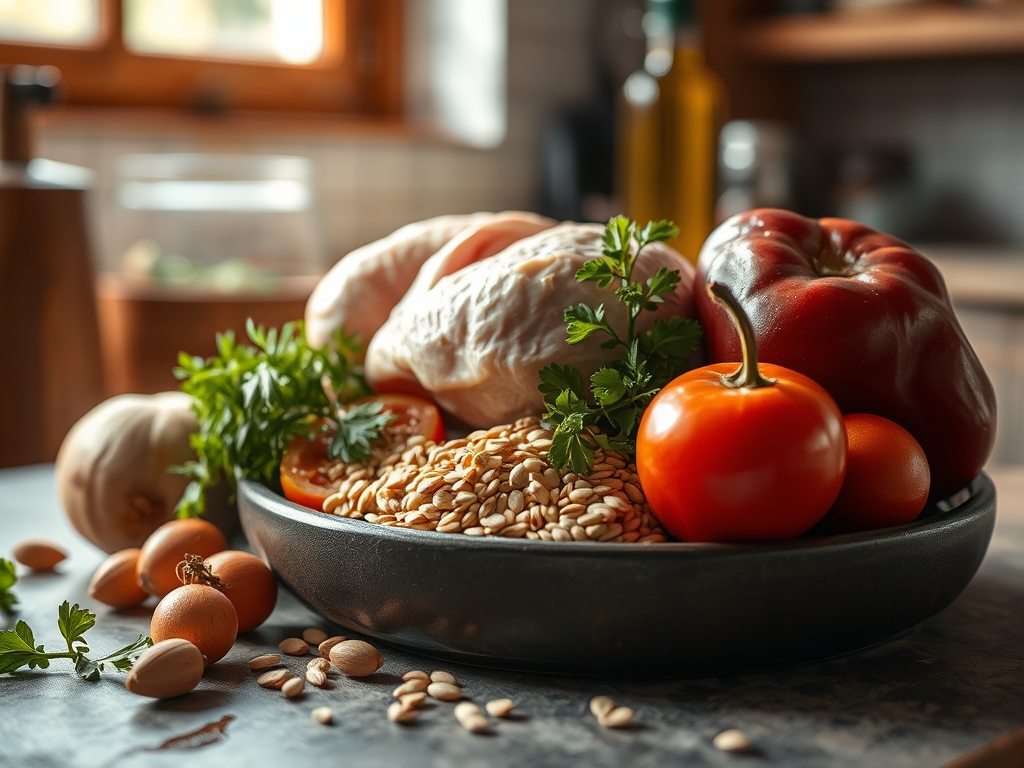
As you see in the ingredient spread below, the foundation starts with bone-in chicken pieces (3 pounds, ideally thighs and drumsticks for fat content). The brine demands kosher salt (1/4 cup), granulated sugar (2 tablespoons), and cold water (4 cups), a ratio engineered to penetrate muscle fibers without over-salting. The coating system requires all-purpose flour (2 cups), cornstarch (1/2 cup for extra shatter), paprika (1 tablespoon), garlic powder (2 teaspoons), onion powder (2 teaspoons), cayenne pepper (1 teaspoon), black pepper (1 teaspoon), and baking powder (1 teaspoon, not soda, for alkaline browning boost). You'll need buttermilk (2 cups) and peanut oil (enough for 2-inch depth, roughly 8 cups depending on your pressure fryer or heavy-bottomed pot with lid).
Smart Substitutions: Swap peanut oil for refined avocado oil if allergies are a concern (similar smoke point at 450°F). Replace buttermilk with whole milk plus 2 tablespoons white vinegar (let stand 10 minutes). For gluten-free versions, use rice flour plus potato starch in a 3:1 ratio.
The Clock
Prep Time: 25 minutes (brine assembly, dredge station setup)
Brine Time: 4 hours (minimum) to 12 hours (optimal)
Cook Time: 18 minutes per batch under pressure
Total Time: 4 hours 43 minutes (accounting for oil heating and resting)
Chef's Flow: Brine overnight, pull chicken 30 minutes before cooking to temper (reduces thermal shock). Heat oil while you dredge, stagger batches so rested chicken hits the table hot. Use downtime between batches to prep sides or make gravy from the fond.
The Masterclass
Step 1: Engineer the Brine
Dissolve salt and sugar in cold water, submerge chicken fully, refrigerate 4-12 hours. Chef's Secret: Cold brine prevents bacterial growth while allowing slower ion diffusion into meat. Why It Works: Salt denatures myosin proteins, creating gaps that trap moisture during the violent heat of frying. Sugar balances salinity and accelerates Maillard browning through reducing sugars.
Step 2: Build the Dredge Station
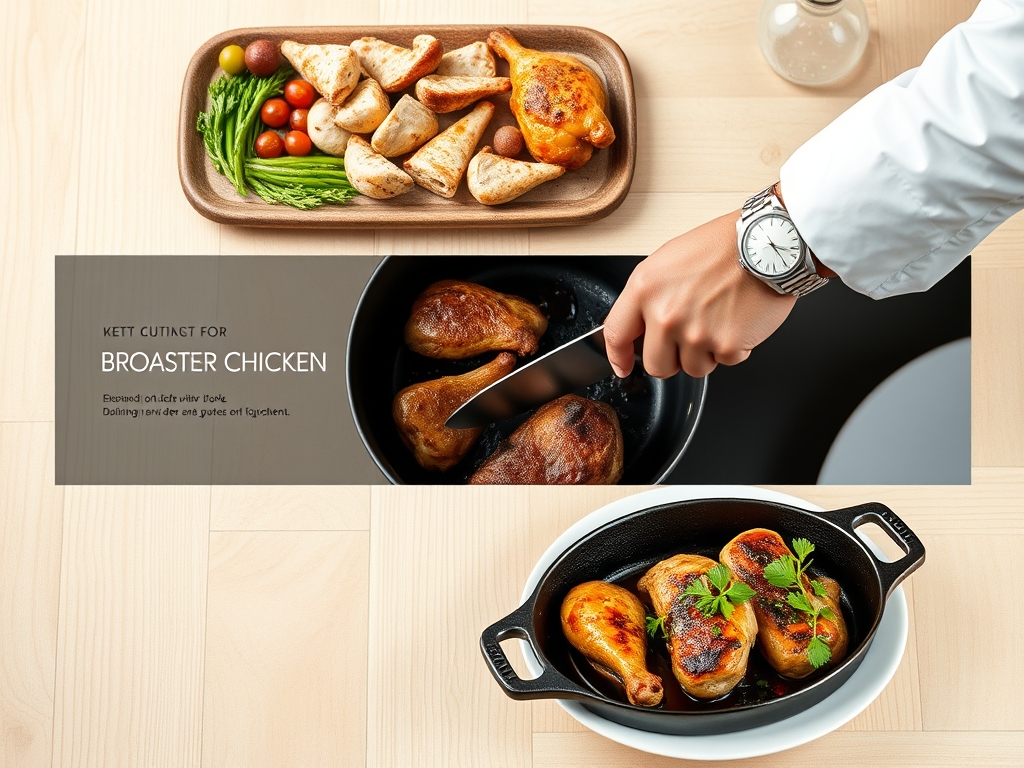
Combine flour, cornstarch, all spices, and baking powder in a wide bowl. Pour buttermilk into a second bowl. Note the texture shown in the step-by-step photos: the flour mixture should be aerated, almost fluffy. Chef's Secret: The cornstarch-to-flour ratio (1:4) creates a double-crisp effect as cornstarch gelatinizes faster than wheat proteins. Why It Works: Baking powder raises pH, promoting faster browning at lower temperatures and creating microbubbles that shatter when bitten.
Step 3: The Double-Dip Method
Pull chicken from brine, pat semi-dry (leave slight moisture). Dredge in flour, dunk in buttermilk, return to flour, pressing firmly to create craggy peaks. Let coated pieces rest on a rack for 10 minutes. Chef's Secret: The rest allows hydration of the flour, forming a glue-like layer that won't slough off under pressure. Why It Works: Hydrated gluten forms a mesh network, buttermilk fat emulsifies with starch, creating a lacquer that fuses to skin collagen.
Step 4: Heat Control Precision
Bring oil to exactly 350°F (use a digital thermometer, not guesswork). If using a pressure fryer, lock lid and build to 12 PSI. For stovetop simulation, use a heavy Dutch oven with tight lid and reduce heat slightly after adding chicken to maintain 325-340°F. Chef's Secret: Pressure cooking at 12 PSI raises water's boiling point to 250°F, steaming the interior while the exterior fries. Why It Works: Dual heat transfer (conduction from oil, convection from steam) cooks chicken 40% faster than open frying, minimizing moisture loss.
Step 5: The Fry and Rest
Fry dark meat 18 minutes, white meat 14 minutes under pressure (or 22/18 minutes open-lid at 325°F). Remove to a wire rack, never paper towels. Rest 5 minutes before serving. Chef's Secret: The wire rack allows bottom-side air circulation, preventing steam condensation that turns crust soggy. Why It Works: Internal carryover brings breast meat from 155°F to safe 165°F during rest, while crust dehydrates further for maximum snap.
Nutritional Info
Per 4-ounce serving (thigh with skin): Calories: 380, Protein: 28g, Fat: 24g (saturated 6g), Carbohydrates: 14g, Sodium: 680mg, Cholesterol: 105mg. The pressure method reduces oil absorption by roughly 30% compared to traditional deep-frying because shorter cook times limit capillary action in the crust.
Dietary Swaps
Keto Adaptation: Replace flour with almond flour and pork rind powder (1:1 ratio), omit sugar from brine, use erythritol if sweetness is desired (drops carbs to 3g per serving).
Gluten-Free Route: Rice flour and potato starch dredge (3:1), confirm baking powder is gluten-free, proceed identically.
Plant-Based Pivot: Substitute oyster mushrooms (whole clusters) or extra-firm tofu slabs, brine in same solution, reduce cook time to 8 minutes. The Maillard reaction still occurs on plant proteins, though you'll lack the collagen-driven richness.
Serving & Presentation
Southern Revival: Serve over buttermilk biscuits with black pepper sawmill gravy, garnish with pickled okra and hot honey drizzle.
Modern Minimalist: Slice breast on bias, fan over charred broccolini, dot plate with fermented chili aioli, microgreens for color contrast.
Global Fusion: Pair with kimchi slaw, gochujang mayo, and steamed bao buns for a Korean-Southern hybrid that leverages the chicken's neutral spice base.
The Pro-Dodge
Pitfall 1: Soggy Bottom Syndrome. If the underside is limp, you rested on paper towels or didn't achieve 350°F. Fix: Re-crisp in a 425°F oven on a rack for 5 minutes.
Pitfall 2: Raw Centers. Chicken reads 150°F at pull. Fix: Your oil dropped below 300°F mid-cook. Finish in a 375°F oven until 165°F internal (use probe thermometer).
Pitfall 3: Pale, Anemic Crust. Baking powder was omitted or oil never hit temp. Fix: No salvage mid-cook. Next time, verify pH booster and preheat oil fully before loading.
The Meal Prep Corner
Refrigerate cooked chicken in a single layer (not stacked) in a breathable container (parchment-lined, lid slightly ajar) for up to 3 days. Reheat Method: 400°F oven on a wire rack for 12-15 minutes. Avoid microwaves, which steam the crust into rubber. For freezing, wrap individually in parchment then foil, freeze up to 2 months, thaw in fridge overnight, reheat as above. Day-one texture is 85% recoverable if you nail the oven reheat.
The Wrap-Up
Six secrets, one outcome: chicken with a crust that defies physics and meat so juicy it threatens your shirt. Master the brine chemistry, respect the dredge hydration, worship the thermometer, and pressure becomes your ally instead of your fear. Every batch teaches you something about heat transfer, every bite confirms that broaster chicken recipes aren't just nostalgia, they're applied science with a side of soul. Now grab your tongs, fire up that oil, and show your kitchen who's in charge. Drop your results in the comments or tag your crispiest victory shots.
The Kitchen Table
Q: Can I broaster chicken without a pressure fryer?
A: Yes. Use a heavy Dutch oven with a tight lid, maintain 325-340°F, and add 4 minutes to cook times. The seal traps steam for similar (though not identical) results.
Q: Why is my crust peeling off the chicken?
A: Your chicken was too wet after brining or you skipped the 10-minute rest post-dredge. Pat semi-dry and let the coating hydrate before frying.
Q: What oil is best for broaster chicken recipes?
A: Peanut or refined avocado oil. Both handle 350°F without smoking and have neutral flavor profiles that won't compete with your spice blend.
Q: How do I know when the chicken is done without cutting into it?
A: Instant-read thermometer in the thickest part (avoid bone): 165°F for white meat, 175°F for dark meat if you prefer fall-off-bone texture.
Q: Can I brine for less than 4 hours?
A: You can, but you'll sacrifice 40% of the moisture advantage. If rushed, use a 90-minute brine with double the salt concentration (1/2 cup per 4 cups water), then rinse before dredging.