
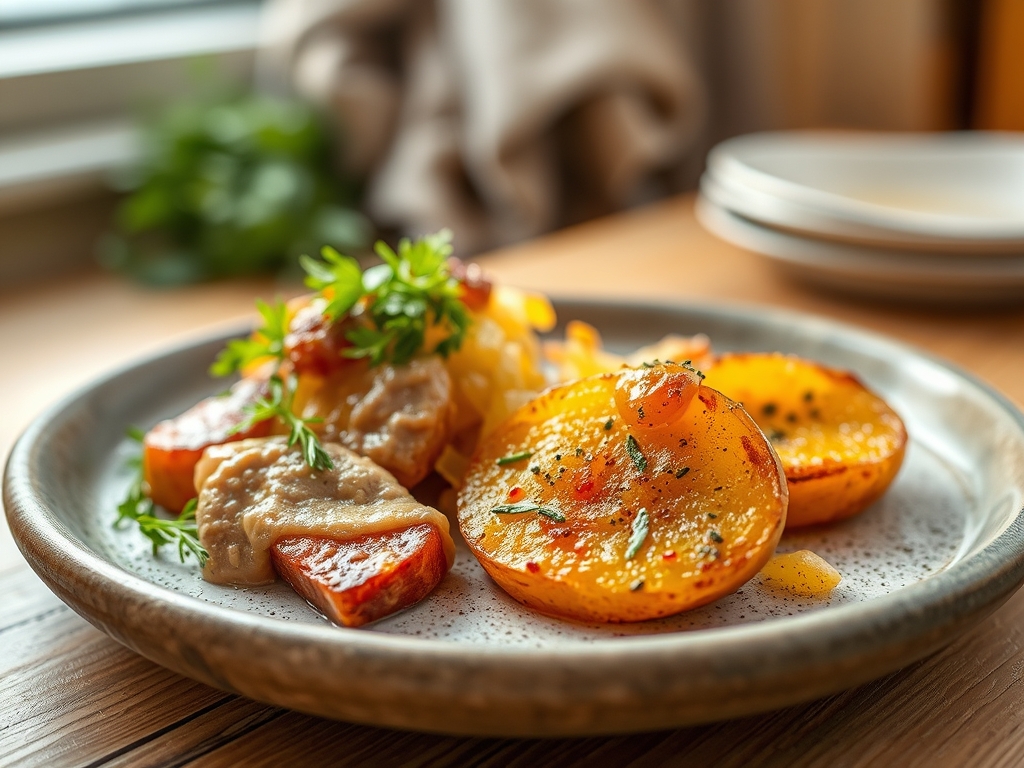
Picture the sound of a heavy-bottomed cast iron skillet meeting a gas flame. There is a specific, rhythmic sizzle that happens when cold, cubed protein hits shimmering oil. We are talking about the ultimate comfort duo: spam and potato recipes. This pairing is a masterclass in texture and salt-fat balance. It is the kind of meal that feels like a warm hug but tastes like a five-star diner classic.
The magic lies in the contrast. You have the soft, pillowy interior of a Yukon Gold potato playing against the crisp, salty exterior of rendered Spam. When these two ingredients collide in a hot pan, they undergo a series of chemical transformations that elevate humble pantry staples into a gourmet experience. Whether you are a busy professional or a student looking for a high-protein win, mastering these spam and potato recipes will change your weeknight rotation forever. We are going to dive into the Maillard reaction, the art of the perfect sear, and how to achieve that elusive "crunch-to-fluff" ratio that makes every bite addictive. Grab your apron; it is time to turn up the heat.
The Gathers:
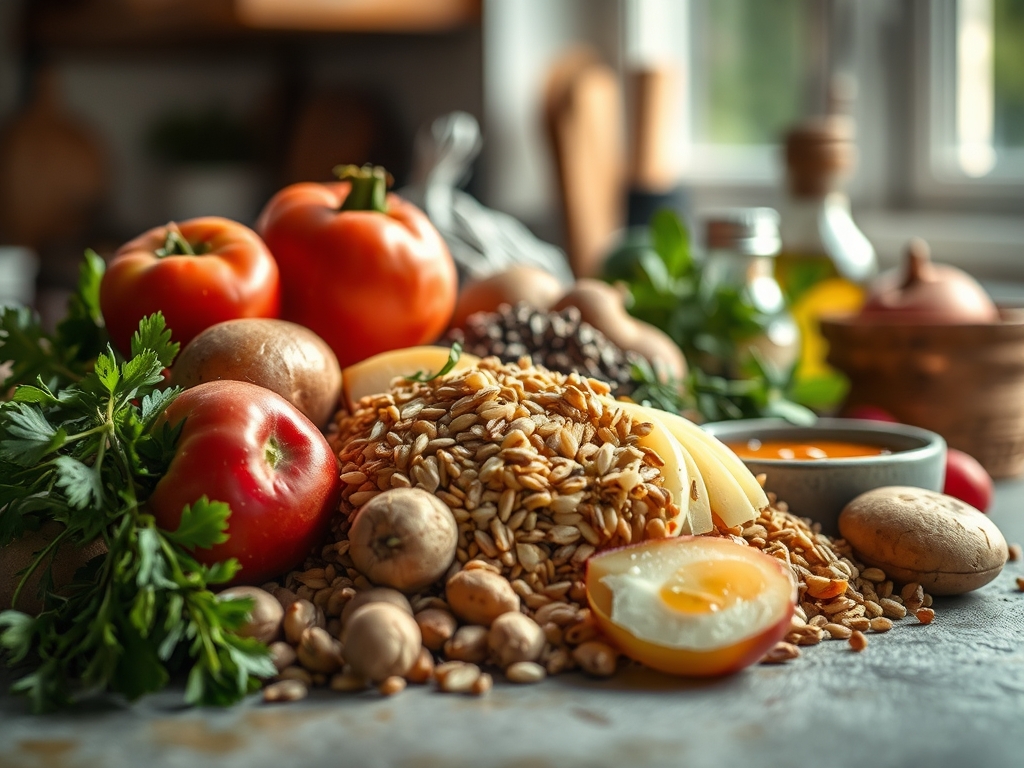
To execute these spam and potato recipes with precision, your mise-en-place must be impeccable. Start with the potatoes. I recommend Yukon Golds for their high starch content and buttery profile, which creates a viscous mouthfeel when mashed or sautéed. If you prefer a sturdier structure, Russets are your best friend for maximum crispiness.
Next, the Spam. Use a bench scraper to dice the meat into uniform half-inch cubes. Uniformity is not just for aesthetics; it ensures every piece hits the pan surface equally for even browning. You will also need a piquant element to cut through the richness. Think thinly sliced scallions, minced garlic, or a splash of rice vinegar.
Smart Substitutions:
If you are out of fresh spuds, high-quality frozen hash browns work beautifully as long as you thaw and pat them dry to prevent steaming. For a lower-sodium profile, look for the "Lite" version of Spam or substitute with thick-cut smoked ham. If you want to add a kick, a teaspoon of gochujang or a dusting of smoked paprika will infuse the oil with deep, earthy red tones.
The Clock
Efficiency in the kitchen is about "Chef's Flow." This is the practice of overlapping tasks to minimize downtime. For these spam and potato recipes, the total active time is roughly 10 minutes, with a total cook time of 20 minutes.
While your skillet preheats, you should be dicing. By the time the oil reaches its smoke point, your first batch of potatoes should be ready to drop. While the potatoes undergo enzymatic browning, you can prep your aromatics. This staggered approach ensures that by the time the potatoes are fork-tender, your Spam is ready to be tossed in for the final sear. Using a digital scale to portion your ingredients beforehand prevents the "pan-crowding" phenomenon, which drops the temperature and turns a sear into a soggy steam.
The Masterclass
1. Prepping the Foundation
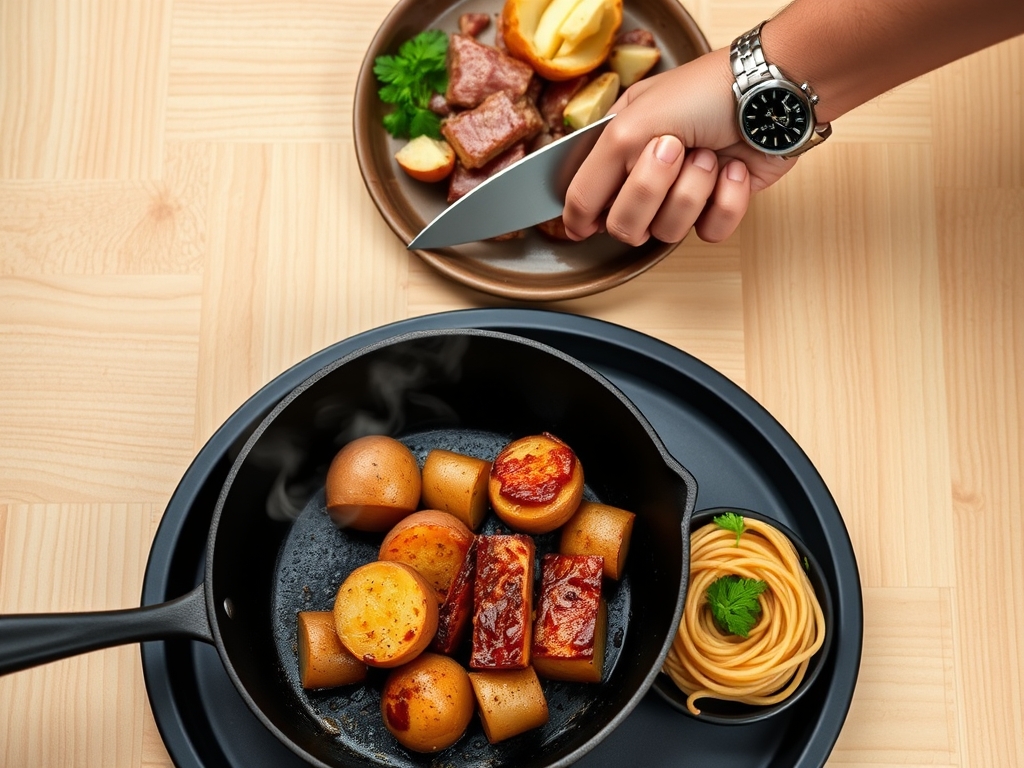
Start by peeling and dicing your potatoes into uniform cubes. Place them in a bowl of cold water for five minutes to remove excess surface starch. This step is vital for achieving a crisp exterior. Dry them thoroughly with a lint-free kitchen towel before they touch the pan.
Pro Tip: Drying the potatoes prevents the "Leidenfrost effect," where a layer of steam forms between the food and the pan, preventing direct contact and halting the Maillard reaction.
2. Rendering the Fat
Place your diced Spam into a cold, heavy-bottomed skillet and turn the heat to medium-high. As the pan warms, the fat within the meat will begin to render, liquefying and coating the pan. This eliminates the need for excessive added oils and provides a savory base for the potatoes.
Pro Tip: Starting with a cold pan allows the fat to render out slowly before the exterior burns, ensuring the meat is crispy all the way through rather than just on the surface.
3. The Sauté and Sear
Once the Spam is golden, use tongs to remove the meat, leaving the rendered fat behind. Toss in your dried potatoes. Do not stir them immediately. Let them sit for three to four minutes to develop a crust. Flip them once, then add a knob of butter to aerate the fat and add richness.
Pro Tip: This is "thermal carryover" in reverse. The potatoes absorb the residual heat and flavored fats from the Spam, creating a unified flavor profile.
4. Deglazing and Aromatics
When the potatoes are nearly tender, add your minced garlic and onions. If the pan looks dry or has dark bits stuck to the bottom, add a tablespoon of water or broth to deglaze. Use a wooden spoon to scrape up those flavorful browned bits (the fond) so they coat the potatoes.
Pro Tip: Adding aromatics at the end prevents the garlic from burning, which would otherwise introduce a bitter, acrid flavor to the dish.
5. The Final Integration
Return the crispy Spam to the skillet. Toss everything together over high heat for sixty seconds. This final flash-fry ensures that the textures are revived and the flavors are fully married. Season with cracked black pepper and a finishing salt if needed.
Pro Tip: Use a microplane to zest a bit of lemon over the top right before serving. The citric acid brightens the heavy fats and makes the salty notes pop.
6. Plating and Garnish
Slide the mixture onto a warm plate. Garnish with fresh parsley or chives for a pop of color and a fresh, herbaceous finish. Serve immediately while the internal temperature is at its peak.
Pro Tip: Serving on a pre-warmed plate prevents the fats from congealing too quickly, maintaining the "just-cooked" texture for the duration of the meal.
The Deep Dive
Macro Nutrition: One serving of these spam and potato recipes typically contains 15g of protein, 30g of carbohydrates, and 20g of fat. It is a dense, high-energy meal perfect for refueling after a long day.
Dietary Swaps:
- Vegan: Use "OmniPork" or smoked extra-firm tofu pressed with soy sauce and liquid smoke. Swap potatoes for cauliflower florets to lower the carb count.
- Keto: Replace the potatoes with radishes or turnips. When sautéed, radishes lose their peppery bite and take on a texture remarkably similar to a potato.
- GF: This recipe is naturally gluten-free, but always check the label on your Spam canned meat, as some varieties contain modified food starch.
The Fix-It:
- Soggy Potatoes: You likely crowded the pan. Fix this by removing half the potatoes and finishing them in a separate hot skillet with a touch of oil.
- Too Salty: Add a splash of heavy cream or a dollop of sour cream. The fats and dairy sugars will neutralize the salt perception on your palate.
- Burnt Garlic: If you see black bits of garlic, deglaze immediately with a splash of vinegar to stop the cooking and mask the bitterness with acidity.
Meal Prep: To reheat, avoid the microwave as it turns potatoes into rubber. Instead, use an air fryer at 350 degrees for 4 minutes. The circulating hot air will re-crisp the Spam and potatoes, restoring that "day-one" quality.
The Wrap-Up
Mastering spam and potato recipes is about more than just opening a can; it is about understanding the chemistry of the kitchen. By focusing on temperature control and moisture management, you turn basic ingredients into a culinary triumph. These skillets are versatile, fast, and undeniably delicious. Whether you are cooking for one or feeding a crowd, the sizzle of the skillet is the sound of a job well done. Now, go forth and sear with confidence!
The Kitchen Table
Can I use sweet potatoes instead of white potatoes?
Yes, but sweet potatoes have a higher sugar content and will caramelize much faster. Keep the heat slightly lower to prevent burning before the interior is soft.
How do I get the Spam extra crispy?
The secret is dicing the meat small and starting in a cold pan. This allows the fat to render out completely, effectively deep-frying the cubes in their own oils.
What is the best skillet to use?
A cast iron skillet is king here. Its high thermal mass maintains a consistent temperature even when you add cold ingredients, ensuring a superior crust.
Can I add vegetables to this skillet?
Absolutely. Bell peppers, onions, and frozen peas are excellent additions. Add them during the last five minutes of cooking so they retain their snap and color.