
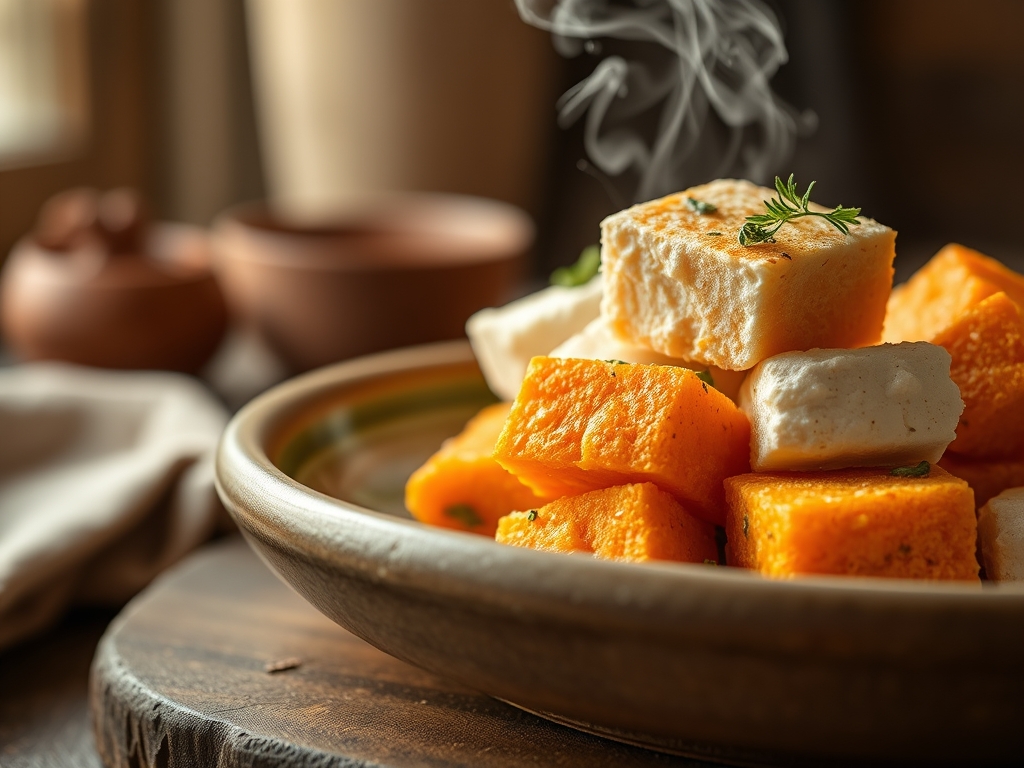
Imagine the scent of toasted vanilla and molten sugar wafting through your kitchen on a crisp afternoon. We are moving beyond the humble side dish and into the realm of culinary alchemy. When you master can sweet potato recipes marshmallows, you are not just heating up a tin; you are orchestrating a symphony of texture and temperature. This dish relies on the contrast between the velvety, dense orange mash and the airy, caramelized cloud of sugar on top. It is the ultimate comfort food, elevated by a few professional techniques that turn a pantry staple into a centerpiece.
We are going to dive deep into the molecular magic that happens when high heat meets a marshmallow's gelatin structure. There is a reason this combination has survived decades of holiday dinners. The natural sugars in the yams undergo a secondary caramelization process while the marshmallows experience the Maillard reaction, creating that iconic golden-brown crust. Grab your favorite apron and clear off the counter. We are about to transform these simple ingredients into something truly sophisticated, using the same precision a pastry chef would apply to a delicate souffle.
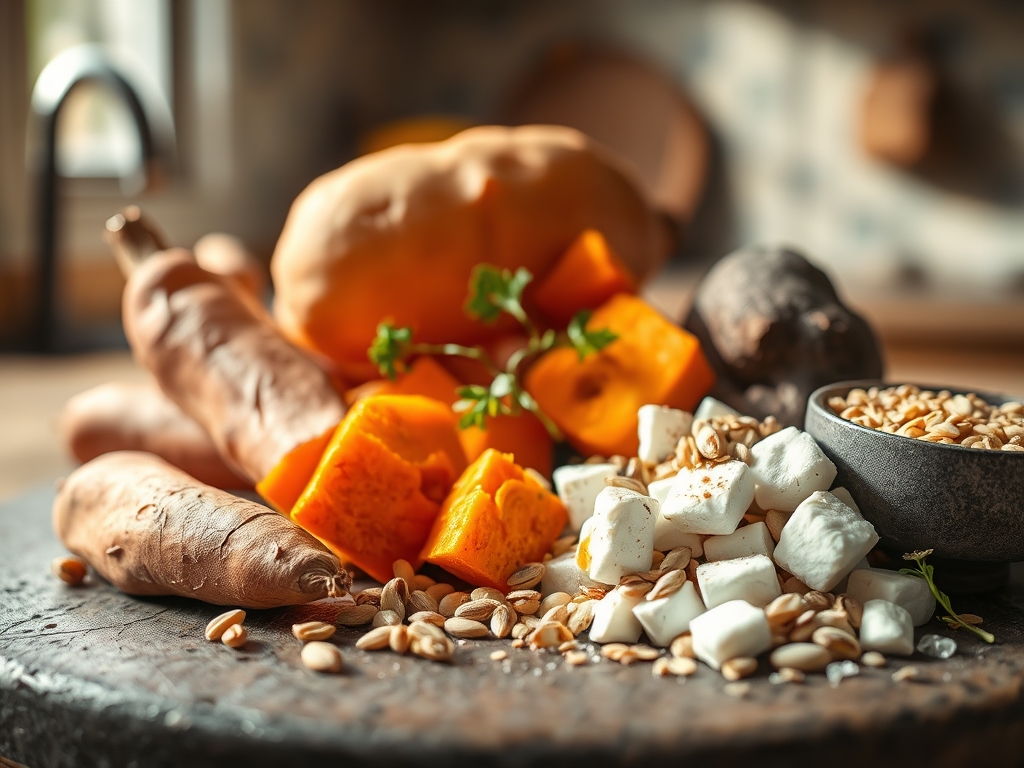
The Gathers:
To begin, you need high-quality canned sweet potatoes. Look for those packed in light syrup rather than heavy syrup to maintain control over the final glycemic balance. You will also need unsalted butter, high-fat content heavy cream, dark brown sugar for its molasses depth, and a pinch of Maldon sea salt to cut through the sweetness. For the aromatic profile, we will use fresh-grated nutmeg and cinnamon.
Smart Substitutions: If you want to heighten the piquant notes, swap the cinnamon for a dash of ground ginger or cardamom. For those avoiding dairy, a high-quality coconut cream provides the same viscous mouthfeel as heavy cream without the lactose. If you find yourself out of brown sugar, granulated sugar mixed with a teaspoon of molasses is a perfect technical replacement. Always use a digital scale to measure your butter for consistency; even a few grams can alter the emulsion of the mash.
The Clock: Timing Your Masterpiece
Efficiency in the kitchen is all about the "Chef's Flow." This recipe requires a total of 40 minutes from start to finish. You will spend 10 minutes on the active prep, which includes draining the potatoes and aerating the mash. The remaining 30 minutes are for the oven.
The first 20 minutes of baking are dedicated to heating the potato base through to its core, ensuring the starches are fully hydrated and the flavors are infused. The final 10 minutes are the critical window for the marshmallow topping. You must monitor the thermal transition closely during this phase. A heavy-bottomed skillet or a ceramic baking dish is ideal here, as they provide superior heat retention and even distribution, preventing the bottom from scorching while the top browns.
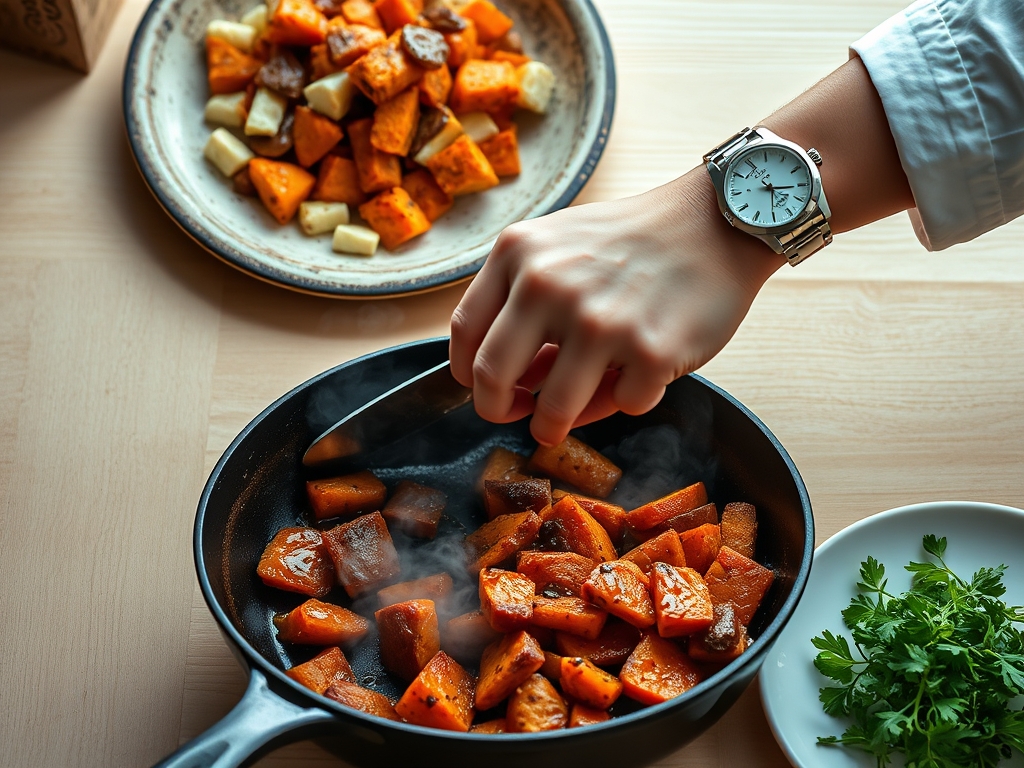
The Masterclass
1. Drain and Rinse the Yams
Open your cans and pour the contents into a fine-mesh strainer. Rinse the sweet potatoes under cold water to remove the excess canning liquid, which often contains a metallic aftertaste from the tin.
Pro Tip: This step is vital for controlling the moisture content. Excess liquid prevents the potatoes from reaching the desired viscous consistency. By removing the syrup, you allow the butter and cream to better emulsify with the vegetable fibers.
2. The Aeration Process
Place the rinsed potatoes into a large bowl. Use a saucier or a potato masher to break them down. For a truly professional finish, use an immersion blender to incorporate air into the mixture, creating a light, mousse-like texture.
Pro Tip: Aeration introduces tiny air bubbles that expand when heated. This prevents the dish from feeling heavy or "leaden" on the palate. The goal is a texture that feels substantial yet melts away instantly.
3. Infuse the Aromatics
Fold in your melted butter, cream, brown sugar, and spices. Use a microplane to grate fresh nutmeg directly into the bowl. The oils in freshly grated spices are far more volatile and aromatic than pre-ground versions.
Pro Tip: This is where you create a stable emulsion. The fats in the butter and cream bind with the water-based sugars in the potatoes. If the mixture looks split, continue to whisk vigorously to re-establish the bond.
4. The First Bake
Transfer the mixture into your baking dish and smooth the top with a bench scraper or spatula. Place it in a preheated 350-degree oven. This initial bake ensures the internal temperature reaches at least 165 degrees Fahrenheit.
Pro Tip: Heating the base before adding the topping prevents a common pitfall: cold centers. Because marshmallows act as an insulator, they can prevent heat from reaching the middle of the dish if added too early.
5. The Marshmallow Crown
Remove the dish and arrange the marshmallows in a tight, concentric pattern. Return the dish to the oven, or better yet, switch to the broiler setting for the final two minutes.
Pro Tip: Keep a close eye on the "thermal carryover." Marshmallows continue to melt and brown for sixty seconds after they leave the heat. Pull them out when they are a shade lighter than your desired final color.
The Deep Dive
Macro Nutrition
A standard serving of this dish provides a significant boost of Vitamin A and fiber. While it is a treat, the sweet potatoes offer complex carbohydrates that provide sustained energy. To lower the sugar impact, reduce the brown sugar in the base and rely on the marshmallow topping for sweetness.
Dietary Swaps
- Vegan: Use vegan marshmallows (agar-based) and a plant-based butter substitute. Replace the cream with full-fat oat milk.
- Keto: This is difficult given the starch in potatoes, but you can use a pumpkin puree base with sugar-free marshmallows and erythritol.
- GF: Naturally gluten-free, but always check the marshmallow packaging for cross-contamination warnings.
The Fix-It: Troubleshooting
- Problem: The mash is too runny. Fix: Stir in a tablespoon of cornstarch or almond flour to absorb excess moisture before the first bake.
- Problem: The marshmallows are burning. Fix: Move the oven rack lower or tent the dish with foil to reflect radiant heat.
- Problem: The flavor is flat. Fix: Add a teaspoon of lemon juice or apple cider vinegar. The acidity brightens the sugars and balances the fat.
Meal Prep and Reheating
To maintain "day-one" quality, store leftovers in an airtight container. When reheating, avoid the microwave, which turns marshmallows into rubber. Instead, use a toaster oven at 300 degrees. This gently re-warms the potatoes without liquefying the topping.
The Wrap-Up
Mastering can sweet potato recipes marshmallows is about respecting the ingredients and understanding the science of the bake. By focusing on aeration, emulsion, and thermal control, you turn a simple pantry staple into a gourmet experience. Whether it is a Tuesday night dinner or a massive holiday spread, these technical tweaks ensure your dish is the one everyone asks for a second helping of. Now, go grab that saucier and start mashing!
The Kitchen Table
Can I use mini marshmallows instead of large ones?
Yes, mini marshmallows provide more surface area, which results in a more consistent, crispy browned crust across the entire top of the dish. They also melt faster, reducing the risk of overcooking the potato base during the final broil.
How do I prevent the sweet potatoes from being stringy?
Using an immersion blender or pushing the cooked potatoes through a fine-mesh sieve (a drum sieve) will break up or remove the fibrous strands. This ensures a perfectly smooth, professional-grade puree that feels luxurious on the tongue.
Can I make this dish a day in advance?
Absolutely. Prepare the potato base and store it in the refrigerator. When ready to serve, bake the base until hot, then add the marshmallows fresh. This prevents the marshmallows from dissolving into the potatoes during storage.
What is the best way to spice canned yams?
Beyond cinnamon and nutmeg, consider a pinch of cayenne pepper or smoked paprika. The subtle heat or smokiness provides a sophisticated counterpoint to the high sugar content, making the dish taste more complex and less like a dessert.