
Imagine the scent of slow-simmered rosemary and garlic wafting through your home at 5:00 PM; it is the ultimate sensory reward for a day of hard work. Mastering keto slow cooker chicken recipes is not just about convenience; it is about harnessing low-heat thermodynamics to transform lean protein into succulent, fat-enriched masterpieces. We are ditching the dry, stringy poultry of the past for a sophisticated, high-fat lifestyle that feels like an indulgence rather than a restriction.
The magic happens when we marry the convenience of a crockpot with the precision of a culinary artist. By the time you finish this guide, you will understand exactly how to manipulate moisture and collagen to create meals that are as nutritionally dense as they are delicious. We are focusing on high-density flavor profiles that keep your insulin levels stable while satisfying your most primal cravings for comfort food.
Whether you are a seasoned meal prepper or a kitchen novice, these ten foundational recipes will become your weeknight arsenal. We are talking about creamy Tuscan delights, piquant buffalo infusions, and rich, buttery curries that defy the traditional expectations of "diet food." Let us roll up our sleeves and dive into the chemistry of the perfect keto braise.
The Gathers:
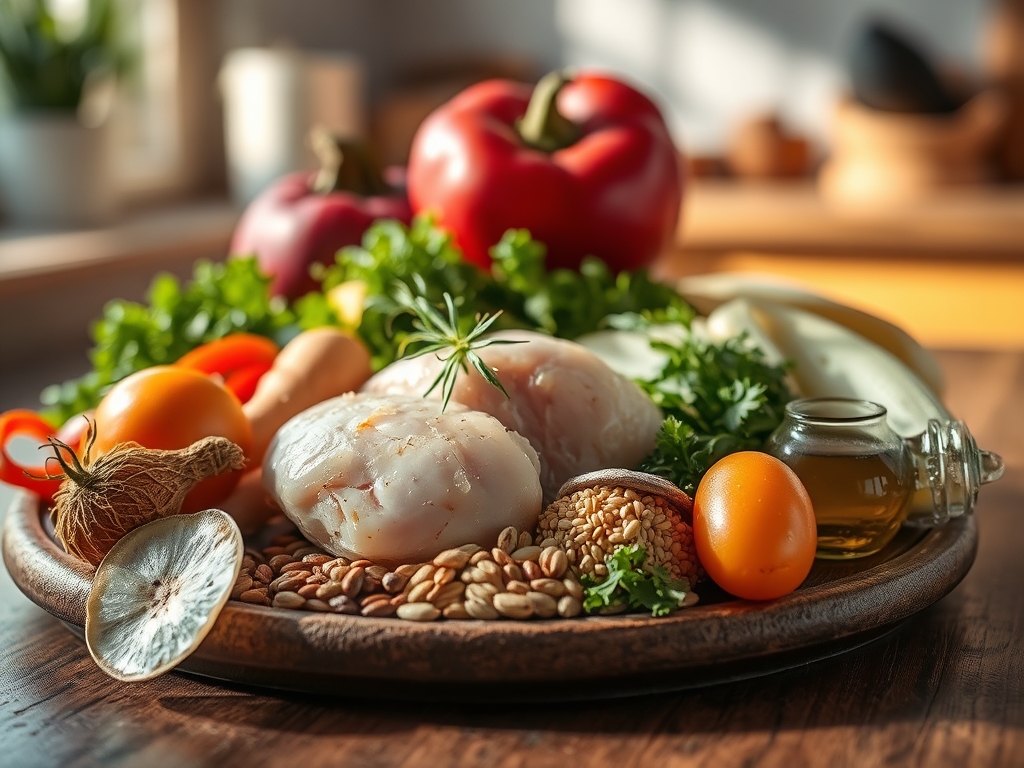
Before we flip the switch, we must assemble our mise-en-place with the precision of a laboratory technician. Your digital scale is your best friend here; keto success relies on accurate macro ratios. Start with high-quality chicken thighs rather than breasts. Thighs contain more connective tissue and intramuscular fat, which prevents the meat from becoming woody during long cook cycles.
You will need a microplane for zesting citrus and grating fresh ginger to provide those high-note aromatics that cut through the richness of the fats. Ensure you have a heavy-bottomed skillet nearby for the initial sear. While the slow cooker does the heavy lifting, the Maillard reaction starts on the stove.
Smart Substitutions:
If a recipe calls for cornstarch as a thickener, pivot immediately. We use xanthan gum or a reduction of heavy cream to achieve a viscous consistency without the glycemic load. Swap sugary pre-packaged broths for homemade bone broth, which is rich in glycine and proline. If you are dairy-free, full-fat coconut milk provides the necessary lipids to carry fat-soluble vitamins without compromising your ketosis.
The Clock:
Time is your most valuable ingredient, but efficiency is the hallmark of a "Chef's Flow." Prep work should take no more than twenty minutes. This involves the "chopping block phase" where you use a bench scraper to neatly transfer your aromatics.
The "Chef's Flow" dictates that you sear your protein first. This five-minute investment creates a flavor base that cannot be replicated by raw simmering. Most keto slow cooker chicken recipes require 4 to 6 hours on "Low" or 2 to 3 hours on "High." Always aim for the "Low" setting. Gentle heat prevents the protein fibers from tightening too rapidly, which preserves the delicate cellular structure of the meat.
The Masterclass:
1. The Sear and Deglaze
Place your chicken in a heavy-bottomed skillet with avocado oil over medium-high heat. Brown the skin until it is golden and crisp. Remove the meat, then use a splash of dry white wine or broth to deglaze the pan, scraping up the browned bits (fond) with a wooden spoon.
Pro Tip: This step utilizes the Maillard reaction, a chemical reaction between amino acids and reducing sugars that creates hundreds of different flavor compounds. Skipping this results in a "boiled" flavor profile that lacks depth.
2. Layering Aromatics
Place your "hard" vegetables like celery or radishes (a fantastic keto potato substitute) at the bottom of the slow cooker. Top with your seared chicken and pour the deglazed liquid over the top. Add your fats, such as grass-fed butter or ghee, at this stage to infuse the meat as it cooks.
Pro Tip: Fats act as a flavor carrier. By placing the fat on top of the protein, you allow it to melt and "baste" the meat throughout the thermal cycle, ensuring a moist end product.
3. The Low and Slow Simmer
Set your device to the low temperature setting. This is where the collagen in the chicken thighs begins to break down into gelatin. This process occurs most efficiently between 160 and 180 degrees Fahrenheit.
Pro Tip: Maintaining a steady, low temperature prevents protein denaturation from happening too quickly. If the heat is too high, the muscle fibers squeeze out their moisture like a wet sponge, leaving you with dry meat despite the liquid in the pot.
4. The Final Emulsification
Ten minutes before serving, stir in your delicate ingredients like spinach, fresh herbs, or heavy cream. Use a saucier if you need to reduce the liquid further on the stovetop for a thicker glaze.
Pro Tip: Adding dairy too early can cause it to curdle due to prolonged heat exposure. Adding it at the end allows for a smooth emulsification, creating a velvety mouthfeel without breaking the fat molecules.
The Deep Dive:
From a macro perspective, these recipes typically hit a ratio of 70% fat, 25% protein, and 5% carbohydrates. By using skin-on thighs and added fats like cream cheese or MCT oil, we ensure the meal is satiating enough to prevent "keto snacking" later in the evening.
Dietary Swaps:
For a vegan-keto twist, replace chicken with extra-firm tofu or tempeh, though you must reduce the cooking time to 2 hours to avoid a rubbery texture. For a gluten-free guarantee, always check your spices for hidden maltodextrin.
The Fix-It:
- Too Watery: If your sauce is thin, whisk in 1/4 teaspoon of xanthan gum. It is a powerful hydrocolloid that provides immediate body.
- Bland Flavor: You likely need acid. A squeeze of lemon or a teaspoon of apple cider vinegar will brighten the dish and balance the heavy fats.
- Tough Meat: You likely cooked it on "High" for too long. Next time, use a digital thermometer to pull the chicken at an internal temperature of 165 degrees Fahrenheit.
Meal Prep Science:
When reheating, do not use the microwave on high power. This causes "reheated flavor," which is actually the oxidation of lipids. Instead, reheat gently in a pan with a tablespoon of water or butter to re-emulsify the sauce and maintain the "day-one" quality.
The Wrap-Up:
You are now equipped with the technical prowess to turn humble ingredients into a keto feast. Remember, the slow cooker is a tool, but your understanding of chemistry is the secret ingredient. Embrace the fats, respect the sear, and always allow your meat to rest for a few minutes before shredding. You have got this, chef! Go turn that kitchen into a sanctuary of high-fat, high-flavor magic.
The Kitchen Table:
Can I put frozen chicken in the slow cooker?
No, it is unsafe. Frozen poultry stays in the "danger zone" (40-140°F) for too long, allowing bacteria to multiply. Always thaw chicken completely in the refrigerator before adding it to your slow cooker to ensure food safety and even cooking.
How do I prevent my keto sauces from curdling?
High-fat dairy like heavy cream or cream cheese should be stirred in during the last 15 to 30 minutes of cooking. Prolonged high heat breaks the emulsion, causing the fats to separate from the solids and creating a grainy texture.
Why is my slow cooker chicken always dry?
You are likely using chicken breasts or cooking on "High" for too long. Switch to chicken thighs, which have more connective tissue, and always use the "Low" setting to preserve the moisture within the protein fibers during the long simmer.
What is the best way to thicken keto sauces?
Avoid flour or cornstarch. Instead, use a tiny amount of xanthan gum, or let the sauce simmer uncovered in a saucier on the stovetop to reduce the liquid. This concentrates the flavors while achieving a perfectly viscous consistency.