
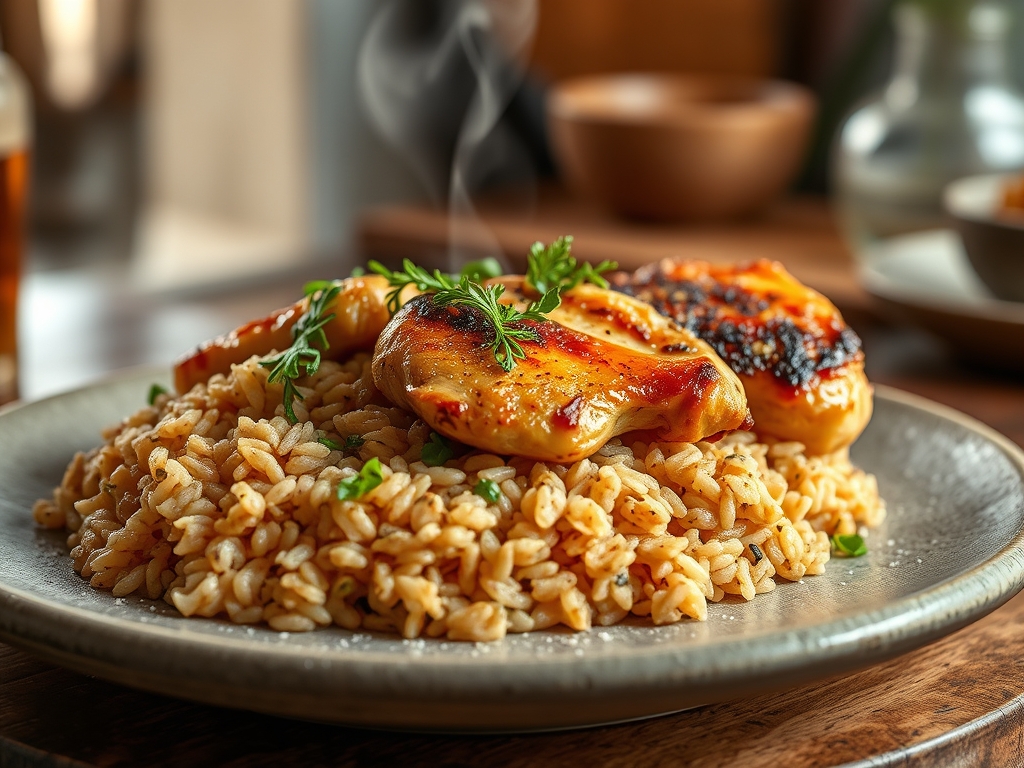
The kitchen is humming with the sound of a heavy-bottomed skillet meeting a high-flame burner; it is the overture to a dinner that promises both comfort and metabolic efficiency. We are diving deep into the world of brown rice and chicken recipes today. This is not the bland, dry meal prep of your fitness nightmares. Instead, we are looking at a masterclass in texture and nutrient density where the nutty, bran-forward profile of the grain meets the succulent, Maillard-driven crust of perfectly seared poultry.
Brown rice is a complex carbohydrate powerhouse. Unlike its polished white cousin, it retains the bran and germ, which means we are working with a structural ingredient that demands respect and precision. When paired with lean protein, it creates a glycemic-stable foundation that keeps your energy levels consistent. We are going to transform these staples into ten distinct culinary experiences, from citrus-infused Mediterranean bowls to deeply savory ginger-soy stir-fries. Grab your favorite chef's knife; we are about to elevate your weeknight rotation into something truly sophisticated.
The Gathers:
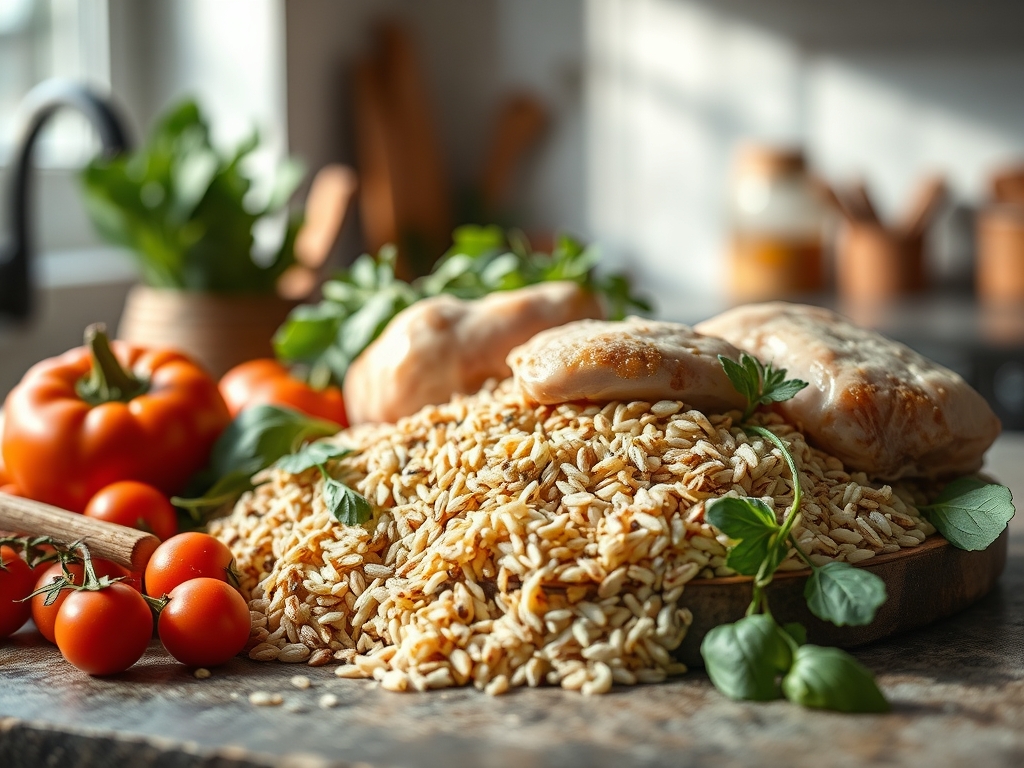
Mise-en-place is the heartbeat of a functional kitchen. For these brown rice and chicken recipes, your station should look like a laboratory of flavor. Start with your aromatics: garlic cloves ready for the microplane, shallots waiting for a precise dice, and fresh ginger that will soon be a viscous paste. You will need high-quality chicken thighs or breasts; I prefer thighs for their higher fat content which allows for better moisture retention during the long simmer times brown rice requires.
Your dry goods are equally vital. Look for long-grain brown rice for fluffy results or short-grain if you desire a starchier, almost risotto-like consistency. You will also need a high-smoke point oil, such as avocado or grapeseed, to ensure you can render the chicken fat without scorching the pan.
Smart Substitutions: If you are looking to lower the carbohydrate load further, you can blend your brown rice with riced cauliflower at a one-to-one ratio during the final ten minutes of steaming. For a piquant kick, swap standard table salt for smoked Maldon sea salt or a splash of fish sauce to add a hidden layer of umami that elevates the entire profile. If you lack a specific herb, remember that dried herbs are more potent; use one teaspoon of dried for every tablespoon of fresh to maintain the aromatic balance.
The Clock
Efficiency in the kitchen is about "Chef's Flow." This is the art of overlapping tasks so that no second is wasted. For most brown rice and chicken recipes, you are looking at a 15-minute prep window and a 45-minute cook time. Brown rice takes significantly longer to hydrate than white rice because the water must penetrate the fibrous bran layer.
While the rice simmers in a saucier or a dedicated rice cooker, you should be searing your protein. This ensures that the chicken is resting just as the rice reaches its peak fluffiness. By the time you use a bench scraper to clear your board of vegetable scraps, the steam will have done its work. Total active labor is minimal, but the chronological span allows for deep flavor development and the proper softening of the grain's cellulose structure.
The Masterclass
1. Toasting the Grains
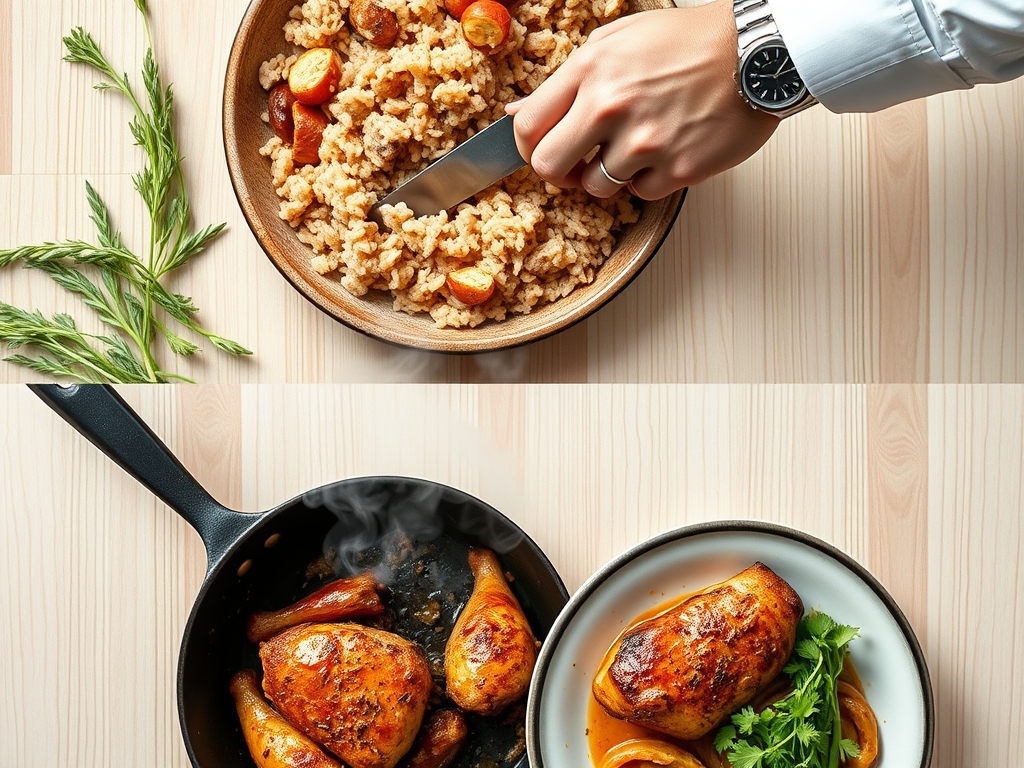
Before adding any liquid, toss your dry brown rice into a hot, dry pan. Stir constantly until you smell a nutty aroma. This is the Maillard reaction occurring on the surface of the grain.
Pro Tip: Toasting the rice creates a protective coating of toasted starch. This prevents the grains from becoming a gummy mass and ensures each kernel remains distinct after boiling.
2. The Perfect Sear
Pat your chicken completely dry with paper towels. Heat your heavy-bottomed skillet until the oil shimmers. Lay the chicken away from you to avoid splashes and do not move it for at least four minutes.
Pro Tip: This patience allows for enzymatic browning. Moving the meat too early tears the protein fibers and prevents the formation of a savory crust that contains hundreds of complex flavor compounds.
3. Deglazing the Fond
Once the chicken is removed, you will see brown bits stuck to the pan. Pour in a splash of chicken stock or white wine and use a wooden spoon to scrape them up.
Pro Tip: This process is called deglazing. Those bits, known as "fond," are concentrated essences of protein and sugars that provide a deep, savory backbone to your sauce.
4. Controlled Hydration
Add your toasted rice and liquid to the pot. Bring to a boil, then immediately drop to the lowest possible simmer and cover with a tight-fitting lid.
Pro Tip: Maintaining a low temperature prevents the water from evaporating too quickly. This ensures the heat is transferred via conduction evenly through the grain rather than just the bottom layer.
5. The Rest and Fluff
Once the timer hits zero, remove the pot from the heat but do not open the lid. Let it sit for ten minutes before using a fork to aerate the grains.
Pro Tip: This resting period allows for thermal carryover. The residual steam redistributes itself, ensuring the top layer of rice is just as tender as the bottom without becoming mushy.
The Deep Dive
When we look at the macro-nutrition of these brown rice and chicken recipes, we see a gold standard for balanced eating. A standard serving provides roughly 35 grams of protein, 45 grams of complex carbohydrates, and 8 grams of fiber. This combination is essential for sustained satiety and muscle recovery.
Dietary Swaps:
For my Vegan friends, replace the chicken with pressed, extra-firm tofu or tempeh and use a mushroom dashi instead of chicken stock. For Keto enthusiasts, you will want to swap the rice entirely for "miracle rice" (shirataki) or finely chopped broccoli florets. Those who are Gluten-Free should simply ensure their soy sauce is replaced with tamari or coconut aminos to avoid hidden wheat proteins.
The Fix-It:
- Crunchy Rice: If your rice is still hard after the timer, add two tablespoons of boiling water, seal the lid tightly, and let it steam off the heat for five more minutes.
- Rubbery Chicken: This usually happens from overcooking. Use a digital scale and a meat thermometer to pull the chicken at 160 degrees Fahrenheit; it will reach the safe 165 mark during its rest.
- Bland Flavor: If the dish feels flat, it likely lacks acidity. A squeeze of fresh lemon or a teaspoon of rice vinegar will "brighten" the fats and make the flavors pop.
Meal Prep Science:
To maintain "day-one" quality when reheating, add a single ice cube to the center of your rice container before microwaving. Cover it with a vented lid. The ice cube won't melt completely, but it will create a localized steam chamber that re-hydrates the starch molecules without making the chicken soggy.
The Wrap-Up
Mastering brown rice and chicken recipes is about more than just following a list of ingredients; it is about understanding the physics of heat and the chemistry of hydration. You now have the technical knowledge to turn these humble pantry staples into a rotating gallery of healthy, vibrant meals. Whether you are using tongs to flip a perfectly browned thigh or a saucier to simmer the perfect grain, you are in total control of your kitchen. Go forth, experiment with your spices, and remember that great cooking is just science that you get to eat!
The Kitchen Table
How do I stop brown rice from being mushy?
Always toast the dry grains in a pan before adding liquid. Use a strict 1:2 ratio of rice to water and never stir the rice while it is simmering. Stirring releases excess starch which creates a gummy, mushy texture.
Can I cook the chicken and rice in one pot?
Yes, this is called a "pilaf method." Sear the chicken first, remove it, cook the rice in the same pan, and nestle the chicken back on top for the final fifteen minutes of steaming to ensure everything finishes simultaneously.
What is the best way to store leftovers?
Cool the dish quickly by spreading it on a rimmed baking sheet before transferring to airtight containers. Store in the refrigerator for up to four days. This prevents the "warmed-over flavor" caused by lipid oxidation in the chicken.
Why is my chicken always dry in rice dishes?
You are likely boiling the chicken. Sear the meat separately to develop flavor, then add it back to the rice only for the final steaming phase. Using a meat thermometer to hit 165 degrees Fahrenheit is the only foolproof method.