
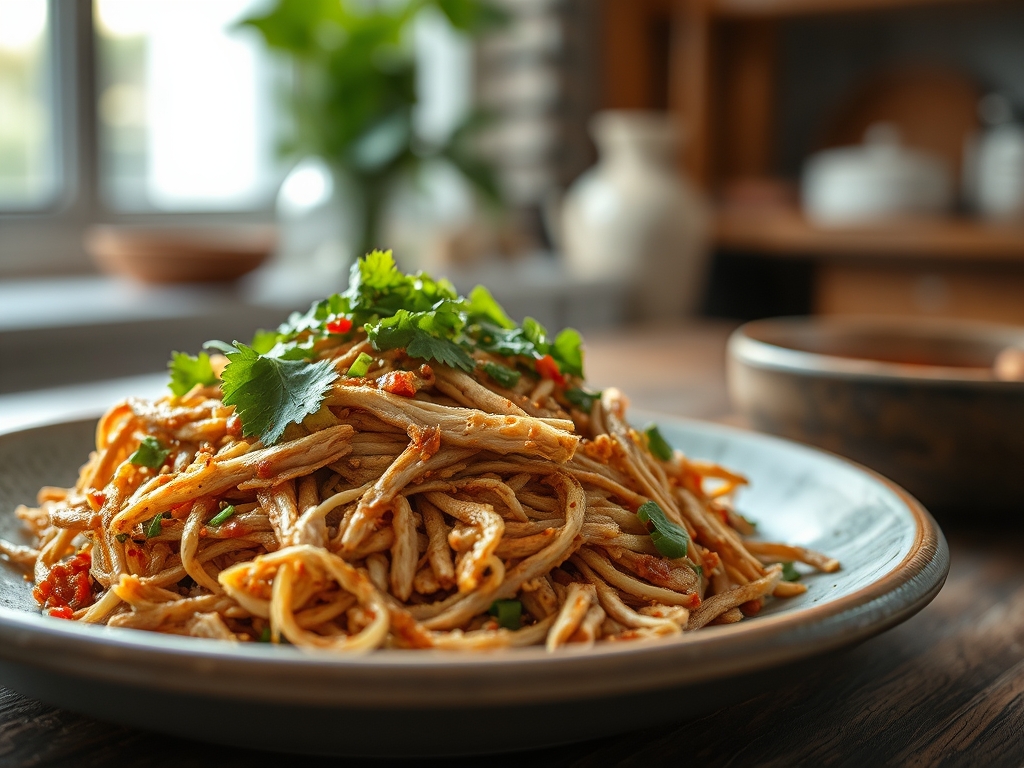
Imagine the sound of a heavy lid lifting from a cast iron dutch oven; a violent, aromatic cloud of cumin and roasted garlic hits your face like a warm embrace. This is the sensory baseline for the best mexican shredded chicken recipes. We are talking about protein so tender it yields to the mere suggestion of a fork, bathed in a sauce that balances acidity and deep, earthy heat. Whether you are prepping for a Tuesday taco night or a massive Sunday meal prep session, mastering the chemistry of the shred is a culinary rite of passage. It is not just about boiling meat until it falls apart; it is about managing moisture retention and fat emulsification to ensure every strand of chicken is a vehicle for flavor.
The secret to elevating mexican shredded chicken recipes lies in the transition from simple poaching to active flavor infusion. Most home cooks settle for dry, stringy poultry that requires a gallon of salsa to swallow. We are going to do better. We are going to use the science of the Maillard reaction and the mechanics of connective tissue breakdown to create something truly spectacular. Think of this as your backstage pass to the most versatile protein in your repertoire. We will explore how to manipulate heat and aromatics to transform a humble chicken breast into a piquant masterpiece that holds its own in tacos, enchiladas, or even a sophisticated grain bowl. Let us get into the kitchen and start building those layers of flavor.
The Gathers:
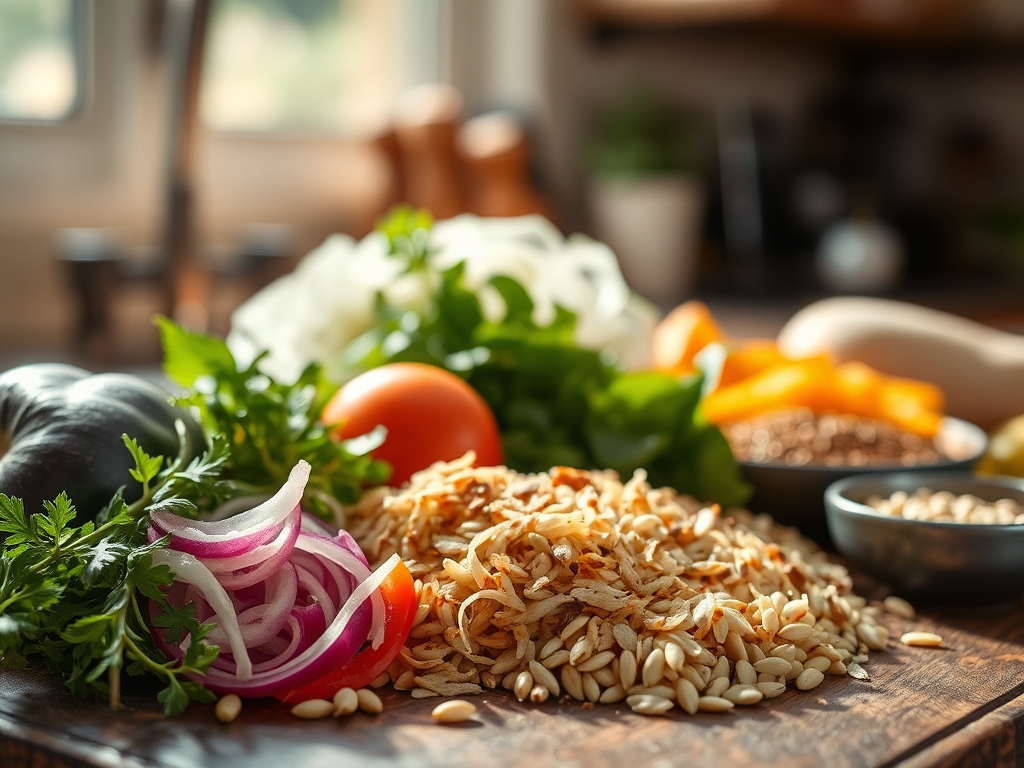
To achieve a professional result, your mise-en-place must be precise. Start with three pounds of boneless, skinless chicken thighs or breasts; I prefer thighs for their higher fat content and myoglobin levels, which provide a richer mouthfeel. You will need a high-quality chicken bone broth to act as your cooking medium. This is not just water; it is a source of gelatin that creates a viscous sauce later. For the aromatics, gather one large white onion, four cloves of garlic, and two chipotles in adobo for that signature smoky heat.
Your spice kit is where the magic happens. Use a microplane to grate fresh garlic into a paste, and ensure your ground cumin, smoked paprika, and dried Mexican oregano are fresh. Old spices lose their volatile oils, resulting in a dull flavor profile. You will also need a splash of apple cider vinegar or lime juice to provide the necessary acid to cut through the richness of the meat.
Smart Substitutions: If you are watching your sodium, replace the store-bought broth with a homemade stock infused with charred onion skins. For those who cannot find chipotles, a combination of smoked paprika and a pinch of cayenne pepper will mimic the heat. If you are out of fresh garlic, a tablespoon of garlic confit or high-quality garlic powder can work in a pinch, though the flavor will be more muted.
The Clock
Efficiency in the kitchen is all about the Chef's Flow. Expect about 15 minutes of active prep time, which includes dicing your aromatics and measuring your spices. The cooking time varies by method: 25 minutes in a pressure cooker, 45 minutes on the stovetop in a heavy-bottomed skillet, or 4 hours in a slow cooker on high.
The real secret to the clock is the resting period. You must allow at least 10 minutes for the meat to rest in its juices before you even think about picking up those forks. This allows the muscle fibers to relax and reabsorb the liquid you worked so hard to flavor. While the chicken rests, you can use that time to prep your garnishes or toast your tortillas, ensuring everything hits the table at the perfect temperature.
The Masterclass
1. The Sear and Render
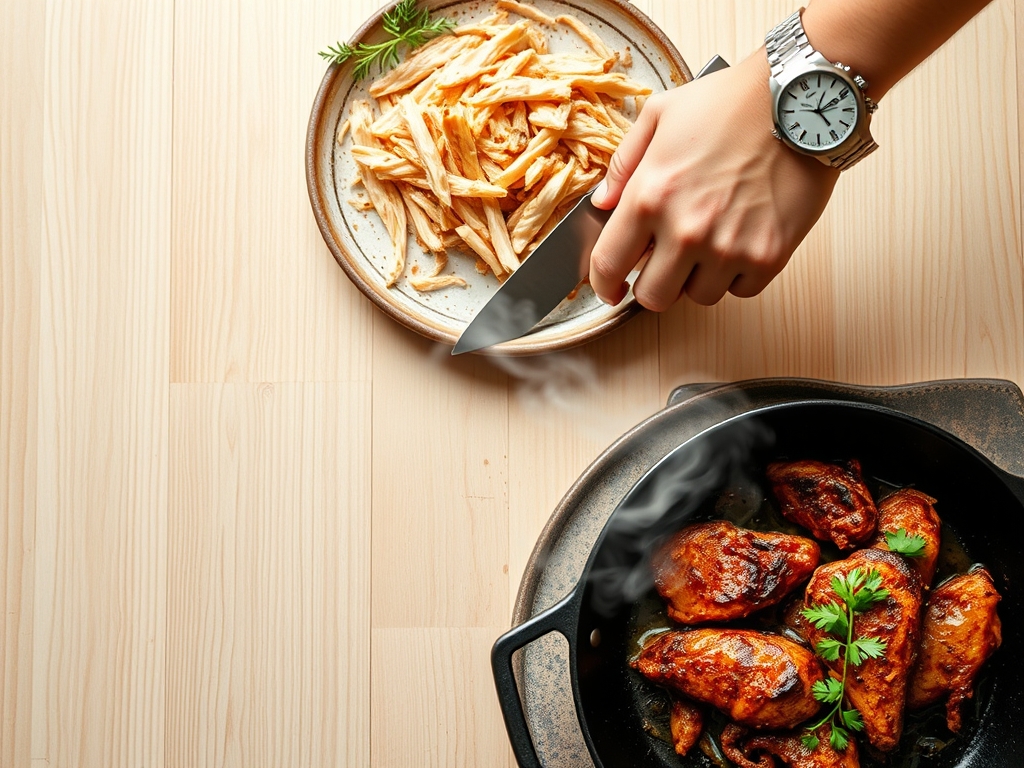
Begin by heating a tablespoon of neutral oil in your pan until it shimmers. Pat the chicken dry with paper towels to remove surface moisture; water is the enemy of browning. Sear the chicken in batches until a golden crust forms.
Pro Tip: This is the Maillard reaction in action. By browning the exterior, you create complex flavor compounds that cannot be achieved through boiling alone. This adds a savory depth that defines high-end mexican shredded chicken recipes.
2. Sauté the Aromatics
Remove the chicken and add your onions to the pan. Use a bench scraper to clear the board and toss them in. Cook until translucent, then add the garlic and spices.
Pro Tip: This process is called blooming. Heating spices in fat releases their fat-soluble flavor compounds, making the final dish significantly more aromatic than if you simply dumped them into the liquid.
3. Deglaze and Simmer
Pour in a splash of broth or white wine to deglaze the pan, scraping up the brown bits (the fond) from the bottom. Return the chicken to the pan and cover with the remaining broth.
Pro Tip: The fond contains concentrated flavor. By dissolving it back into the liquid, you are ensuring that no taste is wasted. This is the difference between a flat sauce and a multi-dimensional one.
4. The Gentle Braise
Lower the heat to a simmer. You want small bubbles, not a rolling boil. Poaching the chicken at a lower temperature prevents the proteins from tightening up and becoming rubbery.
Pro Tip: Keeping the temperature around 190 degrees Fahrenheit allows the collagen to break down into gelatin without toughening the muscle fibers. This results in that melt-in-your-mouth texture.
5. The Mechanical Shred
Once the internal temperature reaches 165 degrees, remove the chicken. Use two forks or a stand mixer with the paddle attachment to shred the meat while it is still warm.
Pro Tip: Shredding while warm takes advantage of the softened fats. If you wait until the meat is cold, the fats solidify, making the fibers harder to separate and resulting in a clumpy texture.
6. The Emulsion Reduction
Return the shredded meat to the pan and turn up the heat. Stir constantly until the liquid has reduced and coated every strand of chicken in a glossy, thick sauce.
Pro Tip: This final step creates a stable emulsion. The gelatin from the broth and the fats from the chicken combine to form a sauce that clings to the meat rather than puddling at the bottom of the taco.
The Deep Dive
Nutritionally, this dish is a powerhouse. A standard serving of mexican shredded chicken recipes provides roughly 35 grams of protein with minimal carbohydrates, making it a staple for keto and paleo lifestyles. To make this vegan, swap the chicken for pulled king oyster mushrooms or young green jackfruit; the texture is shockingly similar. For a gluten-free version, simply ensure your chicken broth is certified GF, as some brands use grain-based thickeners.
The Fix-It:
- Dry Meat: If your chicken is stringy, you likely boiled it too hard. Fix this by tossing the shreds in a mixture of lime juice and a tablespoon of melted butter or olive oil.
- Bland Sauce: If the flavor is flat, it needs acid. Add a teaspoon of apple cider vinegar or a squeeze of fresh lime to brighten the profile.
- Too Much Liquid: If it is soupy, remove the meat and boil the liquid down by half before recombining.
For meal prep, the science of reheating is key. Avoid the microwave if possible; it vibrates water molecules so violently that it can toughen the protein. Instead, reheat in a small saucier over low heat with a tablespoon of water or broth to restore the moisture levels to "day-one" quality.
The Wrap-Up
Mastering mexican shredded chicken recipes is about more than just following a list of ingredients; it is about understanding the relationship between heat, fat, and fiber. By using the techniques of searing, blooming, and reducing, you turn a basic protein into a culinary workhorse. This chicken is bold, piquant, and ready to elevate any meal it touches. Now, grab your tongs, get that pan screaming hot, and show that chicken who is boss. Your kitchen is about to smell like the best cantina in town!
The Kitchen Table
Can I use frozen chicken for this recipe?
Yes, but defrost it first for the best texture. Searing frozen meat is impossible because the surface moisture prevents the Maillard reaction. Thaw in the fridge overnight to ensure the muscle fibers remain intact and juicy during the braising process.
What is the best way to shred chicken quickly?
Use a stand mixer with the paddle attachment on low speed for about 30 seconds. This mechanical action is faster and more consistent than forks. Just be careful not to over-process, or you will end up with chicken paste.
How long does shredded chicken stay fresh?
Stored in an airtight container with its juices, it lasts four days in the fridge. The juices act as a protective barrier against oxidation. For longer storage, freeze it for up to three months in vacuum-sealed bags.
Why is my shredded chicken tough?
Toughness usually results from boiling the meat at too high a temperature. High heat causes protein fibers to contract and squeeze out moisture. Always maintain a gentle simmer to ensure the collagen breaks down without toughening the meat.