
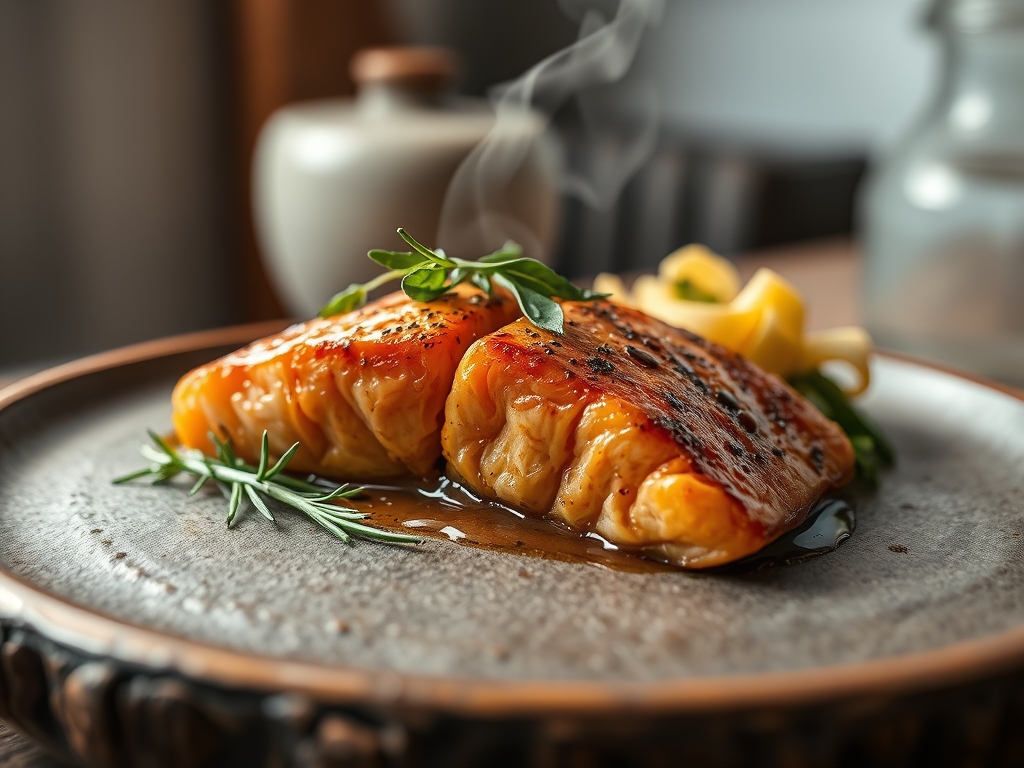
Imagine a heavy bottomed skillet screaming with heat as a cold knob of butter hits the surface; it hisses and foams while the aroma of toasted hazelnuts fills your kitchen. This is the sensory gateway to mastering outback salmon recipes at home. We are chasing that elusive restaurant finish: a glass like, crackling skin and a center so buttery it practically sighs under your fork.
The secret to that signature Australian steakhouse profile is not just the heat; it is the tension between a piquant spice rub and the rich, omega-3 fats of the fish. Most home cooks treat salmon like a delicate flower, but we are going to treat it like a steak. By understanding the molecular structure of the proteins, we can achieve a crust that holds up against a bold remoulade while keeping the interior at a perfect, translucent medium rare. We are moving beyond basic baking and into the world of high intensity searing and precision finishing. Grab your favorite apron and a glass of crisp Chardonnay; we are about to transform your kitchen into the ultimate coastal grill.
The Gathers:
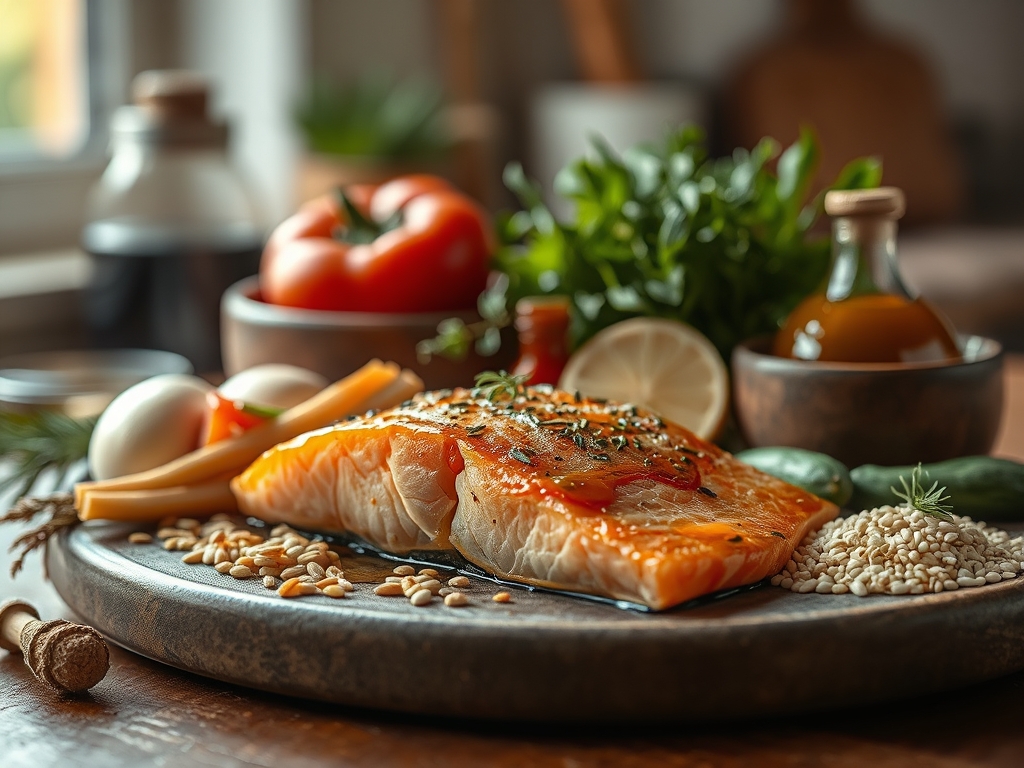
To replicate the iconic flavor of outback salmon recipes, your mise-en-place must be clinical and cold. Start with center cut Atlantic salmon fillets, ideally six to eight ounces each. You want uniform thickness so the thermal energy travels through the flesh at a consistent rate. For the rub, gather smoked paprika, onion powder, garlic powder, and a touch of cayenne. The "secret" ingredient is brown sugar; the sucrose undergoes pyrolysis at high temperatures, creating a dark, complex sweetness that balances the heat.
You will also need a high smoke point oil like avocado or grapeseed oil. Do not use extra virgin olive oil for the initial sear; its low smoke point will cause it to break down into bitter, acrid compounds before the fish is done. For the finishing touch, have cold, unsalted butter and fresh lemon zest ready.
Smart Substitutions: If you are watching your sugar intake, swap the brown sugar for a monk fruit erythritol blend to maintain the crystalline structure without the glycemic load. For a deeper "wood fired" profile without a grill, add a single drop of liquid smoke to your oil before it hits the pan. If you cannot find Atlantic salmon, King salmon offers a higher fat content which is more forgiving during high heat applications.
The Clock
Efficiency in the kitchen is about the Chef's Flow, which is the art of overlapping tasks to minimize downtime. Total active prep time is exactly twelve minutes. This includes patting the fish dry (non-negotiable for the Maillard reaction), portioning, and mixing your dry rub.
The cooking phase is a swift eight to ten minutes. You will spend four minutes on the skin side to render the subcutaneous fat and four minutes on the flesh side to reach an internal temperature of 125 degrees Fahrenheit. Allow for a three minute rest period. During this rest, the thermal carryover will push the internal temperature to a perfect 130 or 135 degrees. If you plate immediately, the muscle fibers will be tight and the juices will run off the plate instead of staying in the fish.
The Masterclass:
1. The Desiccation Ritual
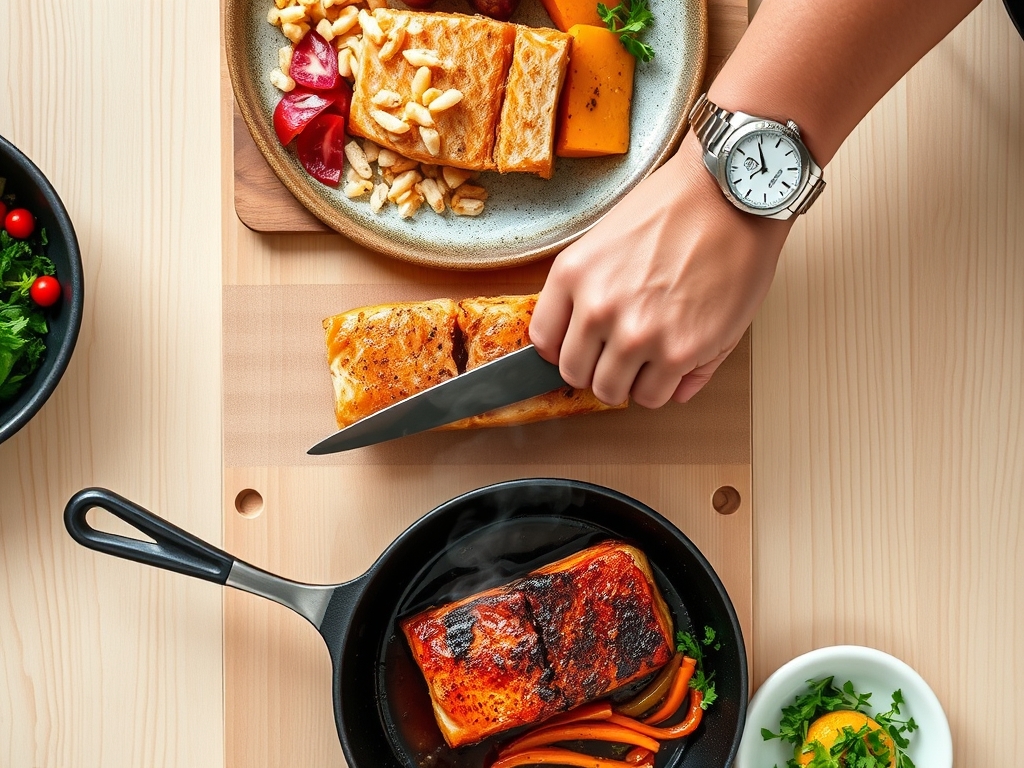
Use a paper towel to press every molecule of moisture off the surface of the fish. Moisture is the enemy of a crisp sear; if the surface is wet, the heat of the pan will spend its energy evaporating water rather than browning the protein.
Pro Tip: This is known as surface evaporation. By removing water, you allow the Maillard reaction to begin instantly at 285 degrees Fahrenheit, ensuring a golden crust rather than a gray, steamed texture.
2. The Spice Infusion
Apply your dry rub generously to the flesh side only. Use your palms to press the spices into the meat so they adhere. Do not season the skin side with anything other than salt; spices on the skin tend to burn and become bitter during the long render.
Pro Tip: Salt acts as a denaturant, breaking down some of the surface proteins to create a "glue" that holds the spice crust in place during the flip.
3. The Cold Pan Start (Optional) or High Heat Sear
For the most consistent outback salmon recipes, place the fish skin side down into a cold, heavy bottomed skillet and then turn the heat to medium high. This allows the fat to render slowly as the pan heats up, resulting in "potato chip" crispy skin.
Pro Tip: Gradual heating prevents the protein fibers from "shrugging" or tightening too quickly, which often causes the fish to curl upward and lose contact with the heat source.
4. The Weight Application
Once the pan is hot, use a flexible fish spatula or a heavy press to hold the fillets down for the first sixty seconds. This ensures total surface contact between the skin and the hot metal.
Pro Tip: This prevents the collagen in the skin from contracting and bowing the fillet, which usually leads to uneven cooking and soggy patches in the center of the skin.
5. The Flip and Baste
When the skin is opaque and releases easily from the pan, flip the fillet. Immediately drop a tablespoon of butter, a smashed garlic clove, and a sprig of thyme into the pan. Use a large spoon to move the foaming butter over the fish repeatedly.
Pro Tip: This is aromatic basting. The fat in the butter carries the fat soluble flavor compounds from the garlic and herbs directly into the fissures of the cooking meat.
6. The Precision Pull
Use a digital thermometer to check the thickest part of the fillet. Remove the salmon from the pan when it hits 125 degrees Fahrenheit. Move it to a warm plate or a wooden board.
Pro Tip: Thermal carryover will continue to cook the fish for several minutes after it leaves the heat. Pulling it early ensures the center remains succulent rather than chalky.
The Deep Dive
Macro Nutrition: A standard six ounce serving of this salmon provides roughly 34 grams of high quality protein and 22 grams of heart healthy fats. It is a powerhouse of Vitamin B12 and Selenium. Because we are using a dry rub and a controlled sear, the caloric density remains manageable at approximately 380 calories per portion.
Dietary Swaps: To make this Vegan, use a thick "steak" of cauliflower or a firm block of tofu, applying the same spice rub and searing technique. For Keto followers, this recipe is naturally compliant; just ensure your spice mix contains no hidden cornstarch. For Gluten Free needs, ensure your smoked paprika is certified, as some spice blends use flour as an anti-caking agent.
The Fix-It:
- White Gunk (Albumin): If you see white liquid seeping out, you are overcooking the fish. The muscle fibers are contracting so hard they are squeezing out the protein. Fix: Pull the fish off the heat immediately.
- Sticking Skin: If the skin sticks, do not force it. It usually means the fat hasn't fully rendered or the pan wasn't hot enough. Fix: Add a teaspoon of oil right at the base of the fish and wait thirty seconds for it to release naturally.
- Burnt Spices: If the rub turns black too fast, your pan is over the flash point. Fix: Add a splash of cool oil to the pan to drop the temperature and move the skillet off the burner for a minute.
Meal Prep: To reheat salmon without it smelling "fishy" or turning into rubber, use the low and slow method. Place it in a 275 degree oven with a tablespoon of water and cover it tightly with foil. This creates a steam chamber that rehydrates the proteins gently.
The Wrap-Up
Mastering outback salmon recipes is about moving from "cooking by feel" to "cooking by physics." When you control the moisture, the contact, and the internal temperature, you produce a piece of seafood that rivals any high end grill house. You have the tools, the science, and the secrets; now all that is left is to get that skillet hot. Go ahead, show that salmon who is boss and enjoy the most decadent, crispy, spice kissed dinner of your life!
The Kitchen Table
How do I get the skin extra crispy?
Ensure the skin is bone dry before it hits the pan. Use a sharp knife to lightly score the skin; this allows the fat to escape and the heat to penetrate more deeply for a "chip like" crunch.
Why is my salmon dry even at medium?
You likely skipped the rest period. Resting allows the internal juices to redistribute. If you cut into it immediately, the moisture escapes as steam, leaving the protein strands parched and tough.
Can I make this in an air fryer?
Yes, though the crust will be less pronounced. Air fry at 400 degrees for 8 to 10 minutes. Ensure you spray the rub with a bit of oil to prevent the spices from blowing off or drying out.
What is the best way to season the fish?
Always season from a height of about twelve inches. This ensures an even distribution of spices, preventing "hot spots" of salt or cayenne that can ruin the balance of the delicate flesh.