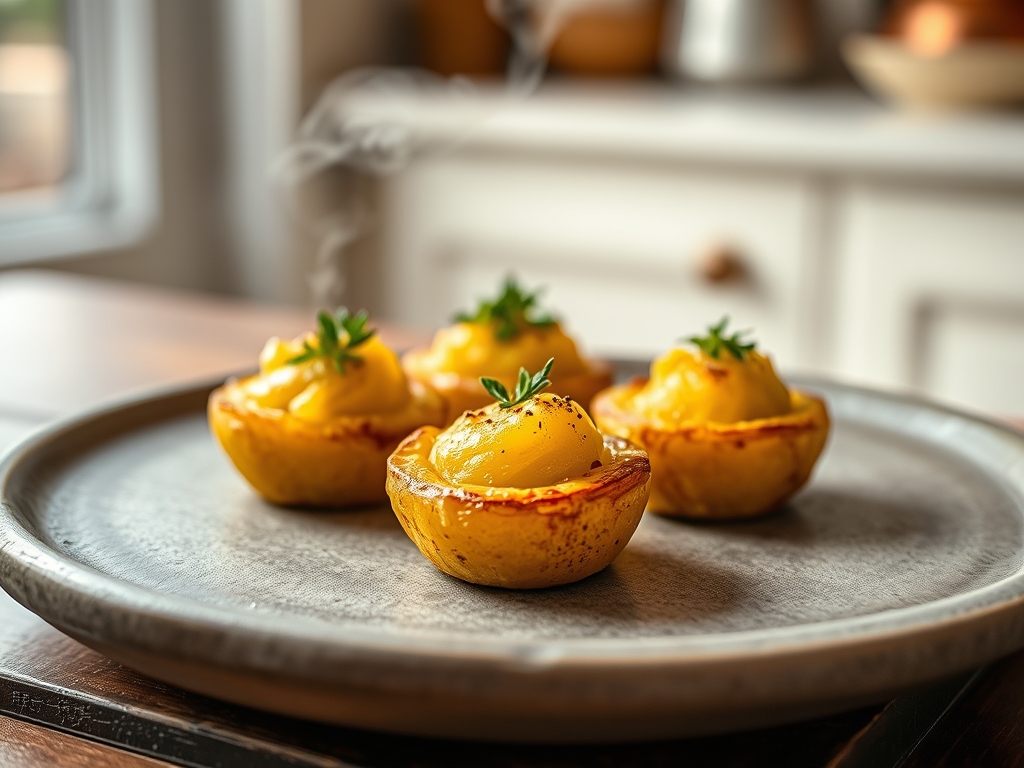
Picture the sound of a heavy-bottomed skillet meeting a marble countertop. It is that sharp, resonant clink that signals the start of something transformative. You are standing in your kitchen, the air thick with the scent of cold rosemary and earthy soil. When we talk about mini gold potato recipes, we are not just discussing a side dish; we are discussing the architectural foundation of a perfect meal. These tiny, wax-fleshed gems are the darlings of the culinary world because they possess a unique cellular structure that holds its shape under intense thermal pressure while the interior transforms into a silken, buttery mousse.
If you have ever stared at a bag of spuds wondering how to achieve that elusive, glass-shattering crust, you are in the right place. We are going to manipulate heat, fat, and pH levels to turn a humble root vegetable into a high-end gastronomic experience. Forget the floury, unpredictable nature of a Russet. Today, we are leaning into the consistent moisture content and thin, delicate skins of the Yukon Gold variety. These mini gold potato recipes are designed to be effortless but scientifically sound, ensuring that every bite delivers a piquant punch and a satisfying crunch that lingers long after the plate is cleared.
The Gathers:
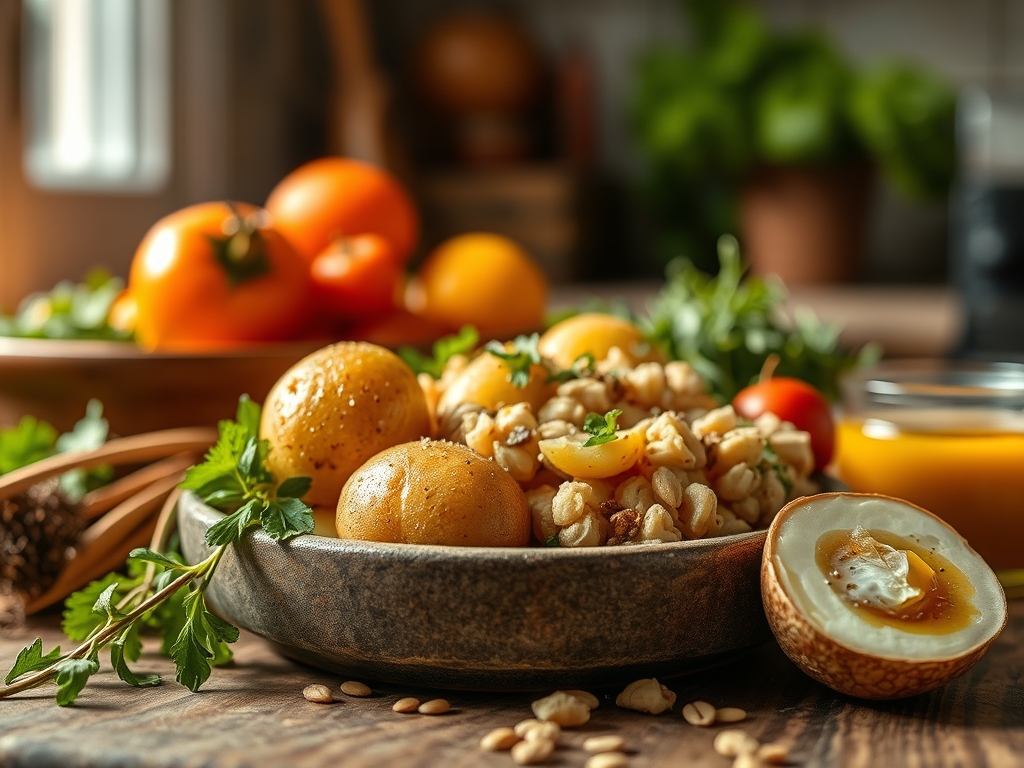
To execute these mini gold potato recipes with precision, your mise-en-place must be intentional. Start with two pounds of Dutch yellow or mini gold potatoes. Look for specimens that are uniform in size to ensure even heat distribution. You will need a high-smoke-point fat; avocado oil or clarified butter (ghee) is superior to extra virgin olive oil here because we will be pushing temperatures past 400 degrees Fahrenheit. If you use standard butter, the milk solids will scorch before the starch molecules have a chance to gelatinize.
Gather your aromatics: fresh rosemary sprigs, a bulb of hard-neck garlic, and Maldon sea salt for that specific flake texture. A microplane is essential for zesting lemon or grating hard cheeses like Pecorino Romano over the finished product. For smart substitutions, if you are avoiding dairy, a viscous, high-quality tahini can provide the creamy mouthfeel typically reserved for butter. If you lack fresh herbs, dried thyme is a potent alternative, but remember that dried herbs require more time to infuse into the fat during the roasting process. Use a digital scale to measure your potatoes; consistency in mass leads to consistency in cook time.
The Clock
The "Chef's Flow" is all about overlapping tasks to minimize idle time. Your total active prep time is a lean fifteen minutes, while the oven does the heavy lifting for thirty-five to forty minutes. Start by preheating your oven and your roasting pan simultaneously. This creates an immediate sear the moment the potatoes make contact. While the oven climbs to temperature, you will wash, dry, and halve your potatoes. Drying is the most critical step; any residual surface moisture will turn to steam, preventing the Maillard reaction from occurring. By the time your timer dings, you should have your aromatics prepped and your cooling rack ready.
The Masterclass
1. The Parboil and Rough-Up
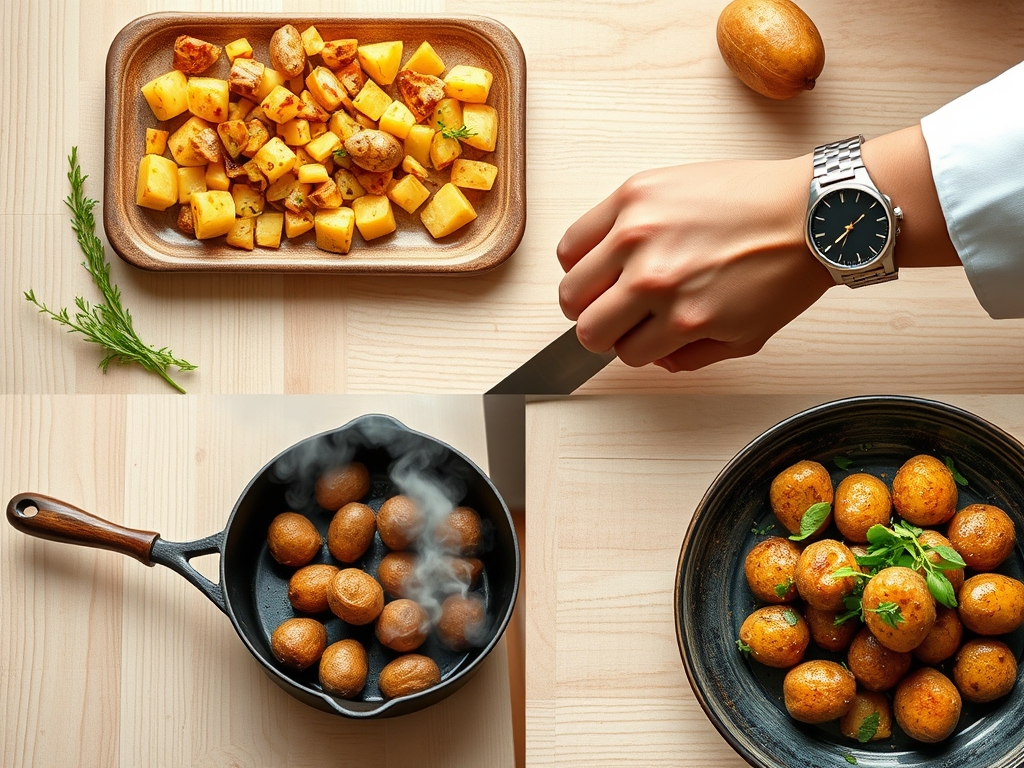
Place your halved potatoes in a pot of cold, heavily salted water. Bring to a boil and simmer for exactly eight minutes. Use a bench scraper to transfer them to a colander. Shake them vigorously until the edges look frayed and starchy.
Pro Tip: This creates increased surface area. The frayed edges are essentially "starch slurry" that, once dehydrated in the oven, turns into a thick, crunchy crust. This is known as maximizing the surface-to-volume ratio for textural contrast.
2. The Pre-Heated Fat Infusion
Pour your fat of choice onto your pre-heated heavy-bottomed skillet or roasting pan. Toss the parboiled potatoes in the hot oil using metal tongs until every crevice is coated. Listen for the sizzle; that is the sound of moisture evaporating instantly.
Pro Tip: Thermal carryover starts the moment they hit the pan. By using a pre-heated vessel, you prevent the potatoes from absorbing excess oil, which can lead to a greasy, heavy mouthfeel rather than a crisp one.
3. The High-Heat Roast
Arrange the potatoes cut-side down. Slide them into a 425-degree Fahrenheit oven. Do not touch them for twenty minutes. This allows the sugars to undergo enzymatic browning without interruption.
Pro Tip: Moving the potatoes too early disrupts the formation of the crust. The Maillard reaction requires sustained, direct contact with the heat source to develop complex flavor compounds and a deep golden hue.
4. The Aromatic Addition
At the twenty-minute mark, toss in your smashed garlic cloves and rosemary sprigs. Use a saucier to drizzle a bit of melted butter or extra oil over the herbs to help them render their essential oils into the pan.
Pro Tip: Adding aromatics too early causes them to carbonize and turn bitter. By adding them in the final third of the cooking process, you infuse the fat with flavor without burning the delicate volatile oils in the herbs.
5. The Aeration Flip
Flip the potatoes and roast for another ten to fifteen minutes. You want the skins to look blistered and the cut sides to be a deep, mahogany brown. The interior should feel light and airy when pierced with a paring knife.
Pro Tip: Aerating the pan by flipping the potatoes ensures that the hot air circulates around the entire circumference of each spud. This prevents "soggy bottoms" and ensures a uniform crunch.
6. The Final Seasoning
Remove from the oven and immediately zest fresh lemon over the top using your microplane. Sprinkle with flake salt while the oil is still shimmering on the surface.
Pro Tip: Salt adheres better to hot, oily surfaces. The acidity from the lemon zest acts as a flavor brightener, cutting through the richness of the fats and balancing the earthy notes of the potato.
The Deep Dive
From a macro nutrition perspective, mini gold potatoes are a powerhouse of potassium and Vitamin C. While they are naturally gluten-free, they are high in complex carbohydrates. For a keto-friendly swap, you can apply these exact techniques to cauliflower florets, though the roasting time will decrease by half. For a vegan version, use a high-quality extra virgin olive oil or avocado oil and skip the butter finish.
The "Fix-It" guide for common pitfalls:
- Soggy Potatoes: You likely overcrowded the pan. If the potatoes are too close, they release steam that gets trapped, boiling them instead of roasting. Use two pans if necessary.
- Burned Garlic: You added it at the beginning. Always add garlic during the last ten minutes to preserve its sweetness.
- Internal Rawness: You skipped the parboil. Parboiling ensures the center is creamy while the outside gets crispy. If you are in a rush, microwave the potatoes for five minutes before roasting.
For meal prep, reheating science is key. Never use a microwave; it vibrates water molecules, making the crust flaccid. Instead, use an air fryer or a toaster oven at 375 degrees for five minutes. This re-dehydrates the surface and restores that "day-one" crunch.
The Wrap-Up
Mastering mini gold potato recipes is a gateway to becoming a more intuitive cook. Once you understand how to manipulate starch and heat, you can apply these principles to any root vegetable in your pantry. There is a certain magic in taking a simple, inexpensive ingredient and treating it with the technical respect of a Michelin-starred chef. Your kitchen is now a laboratory of flavor, and these golden, crispy treasures are your most successful experiment yet. Now, grab your tongs and get roasting!
The Kitchen Table
Why are my roasted potatoes always soft?
This usually happens because of excess moisture or overcrowding. Ensure you dry the potatoes thoroughly after parboiling and leave at least an inch of space between each piece on the roasting pan to allow steam to escape.
Can I roast mini gold potatoes without parboiling?
You can, but the texture will be different. Parboiling creates a starchy surface layer that turns into a thick, glass-like crust. Without it, the skin will be tougher and the interior may not be as creamy.
What is the best oil for roasting potatoes?
Use oils with high smoke points like avocado oil, grapeseed oil, or clarified butter. These can withstand the 425-degree heat required for the Maillard reaction without breaking down or producing acrid, burnt flavors.
How do I make my potatoes extra crispy?
Add a half-teaspoon of baking soda to your parboiling water. This breaks down the potato's pectin more effectively, creating a starchy "fuzz" on the surface that fries into an incredibly thick, crunchy exterior in the oven.